Author: Rurik Salonen

  • Navigating Japanese Cities as a Solo Traveler

    Navigating Japanese Cities as a Solo Traveler

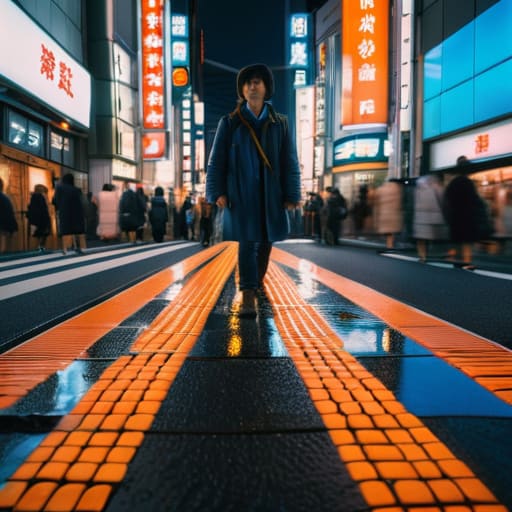
    I remember sitting on a wooden bench in a small station outside of Osaka, the smell of damp concrete and roasted tea lingering in the air, watching a single salaryman meticulously organize his briefcase. There was no grand temple in sight, no neon-soaked spectacle, yet in that quiet, rhythmic moment, I understood the country better than any guidebook could explain. Most people approach traveling solo japan as if it were a checklist of crowded monuments and overpriced tourist traps, but they miss the functional beauty that exists in the margins. They chase the noise, while the real soul of the country is found in the silence between the train arrivals.

    I’m not here to sell you on a curated fantasy or a list of “must-see” landmarks that will only leave you exhausted and lonely. Instead, I want to share the logistics of a meaningful journey—the kind of practical, grounded advice that helps you navigate the complexities of a foreign transit system while finding your own quiet corners. I will show you how to move through this country with intention, focusing on the small, steady details that make a solo trip feel less like an expedition and more like a way of breathing.

    Table of Contents

    Navigating Japan Public Transport Alone the Quiet Art of Transit
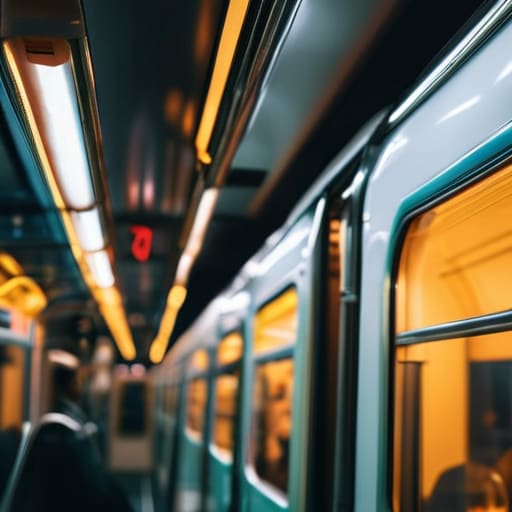
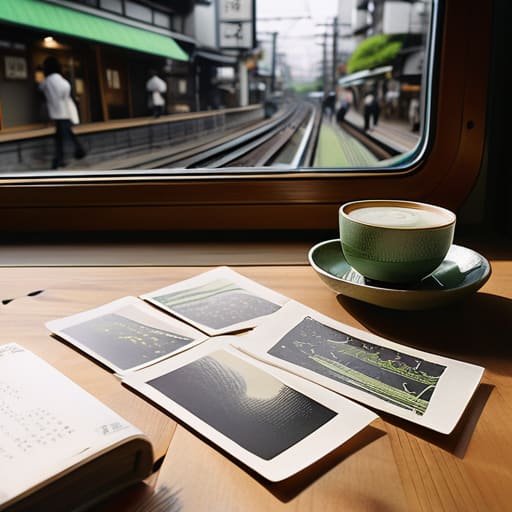
    There is a certain meditative quality to navigating Japan public transport alone that many travelers overlook in their rush to reach a destination. While most see the subway as a mere utility, I see it as the city’s circulatory system. When you are moving through Shinjuku or Umeda by yourself, you aren’t just a passenger; you are an observer of a perfectly synchronized machine. I often find myself leaning against the doors, my Leica ready, watching the subtle shifts in posture as the train transitions from the frantic energy of a business district to the hushed, suburban stretches of the outer lines.

    The key to mastering this is not just knowing which line to take, but understanding the unwritten rules of the carriage. Respecting the silence is perhaps the most vital piece of Japan cultural etiquette for solo travelers. It is in this shared quiet that you truly begin to feel the rhythm of the local life. If you approach the rails with patience rather than urgency, the complexity of the transit network ceases to be a hurdle and becomes a way to witness the city’s true, functional beauty.

    Japan Solo Travel Budget Finding Value in the Unseen Details
    Japan Solo Travel Budget Finding Value in the Unseen Details

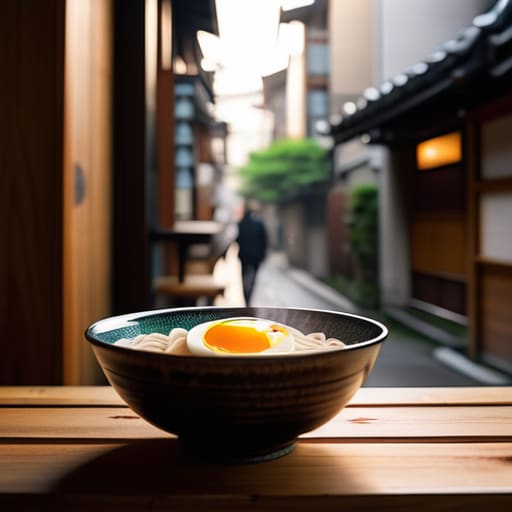
    When I spent my career managing global supply chains, I learned that efficiency isn’t about cutting costs; it’s about optimizing resources. Applying this to a Japan solo travel budget requires a similar shift in perspective. Most travelers focus on the high-priced convenience of hotel breakfasts or central Shinjuku dining, but the true value lies in the periphery. I’ve found that the most profound savings—and the best experiences—come from embracing the local rhythm. A quick meal at a standing sushi bar or a bowl of ramen from a vending-machine shop isn’t just a way to save yen; it is an entry point into the city’s functional soul.

    The logistics of where you sleep can also dictate the flow of your journey. While luxury hotels are tempting, I often find that solo traveler accommodation in Japan is best found in smaller, specialized business hotels or well-managed guesthouses near major transit hubs. These spots offer a streamlined, no-nonsense approach to living that mirrors the city’s own efficiency. By prioritizing proximity to the rails over grand lobbies, you reclaim both time and capital, allowing you to spend more on the things that actually matter: a high-quality roll of film or a quiet afternoon in a hidden neighborhood cafe.

    The Logistics of Solitude: Five Practical Anchors for the Solo Traveler

    • Carry a physical map or a printed guide of your primary transit hub. While digital tools are efficient, they can fail or drain your battery, and there is a certain groundedness in unfolding a paper map to orient yourself when the digital world feels too frantic.
    • Master the art of the “single-person meal.” In Japan, dining alone is not a social failure; it is a practiced norm. Look for counter seating in small ramen shops or izakayas; it allows you to observe the kitchen’s rhythm without the pressure of conversation.
    • Invest in a high-quality, lightweight daypack. When you are traveling alone, your bag is your mobile base. It should be organized enough that you can find your film canisters or a notebook without rummaging, keeping your movements fluid and unobtrusive.
    • Use the “Coin Locker” system as your logistical safety net. Don’t lug your heavy luggage through crowded stations while trying to navigate a new neighborhood. Utilize the lockers at major terminals to free your hands and your mind, allowing you to focus entirely on your surroundings.
    • Schedule “blank space” into your itinerary. The temptation to optimize every hour is strong, but the true character of a city reveals itself in the unplanned gaps. Allow yourself an hour to simply sit on a park bench or in a quiet station waiting room, watching the world move past.

    The Solo Traveler’s Blueprint

    View the transit map as your city’s circulatory system; mastering the rhythm of the trains allows you to move with purpose rather than reacting to the chaos.

    Real value is found in the margins—prioritize functional, quiet accommodations and local eateries that offer authenticity over the inflated costs of tourist landmarks.

    Embrace the solitude as an observational tool; traveling alone grants you the stillness required to notice the small, logistical details that define the true character of Japan.

    The Solitude of the Commute

    “When you travel alone through Japan, you aren’t just a passenger; you become a silent observer of a massive, synchronized machine. There is a profound, steady peace to be found in realizing that even in a crowd of millions, you can find your own rhythm within the transit lines.”

    Rurik Salonen

    The View from the Platform
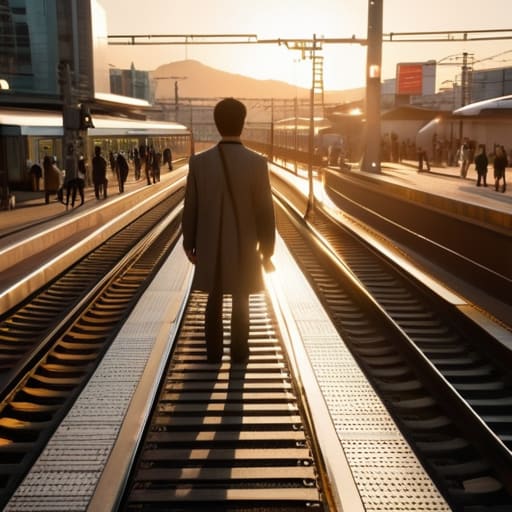
    The View from the Platform in Japan.

    Looking back on the logistical framework of a solo journey through Japan, it becomes clear that success lies in the balance between preparation and presence. We have discussed how mastering the intricacies of the transit networks provides a sense of agency, and how a disciplined budget allows you to find value in the small, authentic experiences rather than the expensive tourist traps. By managing your resources and your routes with a bit of intentionality, you remove the friction that often causes travel anxiety. When you stop worrying about the mechanics of how to get from A to B, you finally free your mind to observe the rhythmic efficiency that makes this country so unique.

    Ultimately, traveling solo in Japan is not about conquering a destination or checking off a list of famous shrines. It is about the quiet dignity found in a well-timed train arrival or the stillness of a side street in Osaka just as the sun begins to set. I have found that the most profound moments occur when you stop fighting the flow of the city and start moving with it. Let the maps guide your feet, but let your curiosity guide your soul. If you approach this country with a steady hand and an observant eye, you will find that Japan reveals its true self only to those willing to sit quietly and watch.

    Frequently Asked Questions

    How do I manage the logistics of navigating smaller, regional train lines when I don't speak much Japanese?

    Don’t let the kanji intimidate you; think of it as a logistical puzzle rather than a language barrier. I always carry a physical map and a translation app, but the real trick is watching the colored lines and station numbers. Regional lines are remarkably consistent. If you can identify the line color and the final destination on the digital displays, you’re halfway there. Focus on the patterns, not the words. The rhythm is universal.

    Are there specific neighborhoods or types of accommodation that offer a more quiet, observant experience for a solo traveler?

    If you want to escape the neon-soaked friction of Shinjuku, look toward the residential pockets of Yanaka in Tokyo or the quieter fringes of Nakazakicho in Osaka. These areas favor the pedestrian and the observer. For lodging, I tend to bypass the large hotel chains. Instead, seek out small, family-run ryokans or boutique guesthouses tucked into side streets. They offer a predictable, steady rhythm that allows you to truly settle into the city’s breathing pattern.

    How can I balance a practical budget without sacrificing the ability to capture those small, meaningful moments on my analog camera?

    It’s a delicate calibration, much like managing a complex supply chain. To keep your film budget from swallowing your food budget, I suggest prioritizing “slow transit.” Instead of expensive taxis, use the local lines; the light hitting the commuters at dusk is free and far more cinematic. I also find that walking through residential wards costs nothing but yields the best shots. Save your yen for quality film, and let the city’s natural rhythm be your guide.


  • Understanding Urban Fashion Trends in Japan

    Understanding Urban Fashion Trends in Japan

    I was sitting in a cramped, dimly lit cafe near Shinjuku Station last Tuesday, watching the crowd surge toward the Chuo Line, when it hit me how much we misinterpret what we see. Most travel magazines treat japanese urban fashion like it’s some curated museum exhibit or a collection of overpriced, avant-garde labels designed for a runway. They miss the point entirely. To the untrained eye, it looks like chaos, but if you sit still long enough with a Leica in your hand, you realize it’s actually a highly disciplined language of utility and silhouette. It isn’t about the brand name on the tag; it’s about how a heavy cotton canvas jacket holds its shape against the humidity of a Tokyo summer.

    I have no interest in feeding you the usual hype or telling you which luxury boutiques to empty your savings in. Instead, I want to show you how to read the streets like a map. I’m going to break down the functional logic behind these styles, moving past the neon distractions to find the real substance in the textures and layers. We aren’t looking for trends that will expire by next season; we are looking for the quiet, enduring details that make the city’s aesthetic breathe.

    Table of Contents

    Harajuku Street Style Aesthetics and the Quiet Chaos

    Harajuku Street Style Aesthetics and the Quiet Chaos

    Stepping out of Takeshita Street and into the backstreets of Ura-Harajuku, the sensory overload begins to settle into something more structured. While the main thoroughfare feels like a frantic burst of color, the true essence of Harajuku street style aesthetics lives in the side alleys. Here, the chaos is curated. I sat for a while near a small coffee stand, watching how the youth navigate the narrow passages. It isn’t just about being loud; it is a highly disciplined form of self-expression where every layer, no matter how eccentric, feels intentional.

    There is a fascinating tension here between the hyper-visible and the deeply personal. You see it in the way certain Tokyo fashion subcultures emerge from the shadows of vintage shops, blending high-end pieces with thrifted finds. It’s a logistical puzzle of textures—heavy denim clashing with delicate lace, or oversized silhouettes that defy traditional proportions. To the untrained eye, it looks like a mess, but to me, it looks like a complex, living system of identity that breathes entirely on its own terms.

    The Silent Language of Shibuya Fashion Trends.

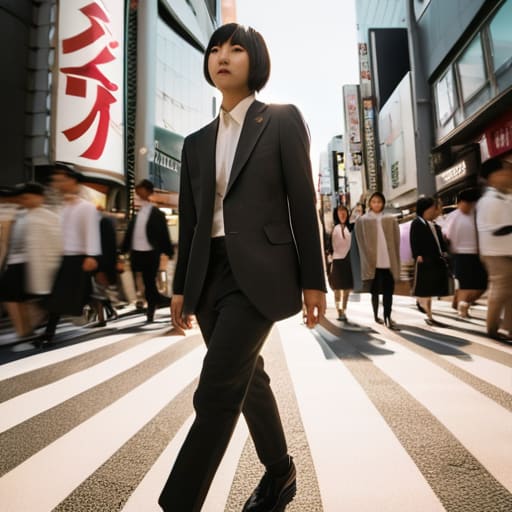
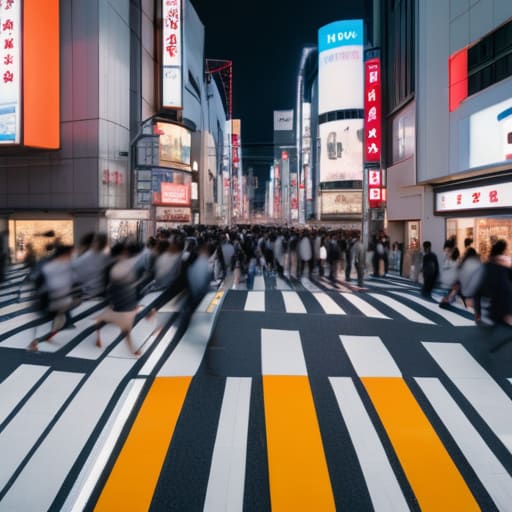
    If Harajuku is the city’s loud, colorful heartbeat, then Shibuya is its steady, rhythmic pulse. I often find myself sitting near the Hachiko exit, not to watch the scramble of the crossing, but to observe the way the crowd moves through it. There is a specific, almost mathematical precision to the way people dress here. Unlike the more theatrical displays found elsewhere, Shibuya fashion trends lean toward a polished, functional edge. You see it in the way a young professional might pair a structured, oversized blazer with high-end Japanese streetwear brands, creating a silhouette that is both imposing and incredibly fluid.

    It is a study in controlled movement. While the world sees a chaotic intersection, I see a sea of carefully curated textures—heavy denims, technical fabrics, and the subtle drape of minimalist urban clothing that suggests a deep respect for both form and utility. There is no wasted effort in these outfits. Even the most experimental looks feel grounded in a sense of purpose, as if every layer was chosen to navigate the transition from a dim basement cafe to the bright, neon-soaked streets without missing a beat.

    The Logistics of Style: Five Observations on Navigating the Japanese Wardrobe

    • Prioritize the silhouette over the brand. In Tokyo, I’ve noticed that the most compelling outfits aren’t defined by a logo, but by how the fabric interacts with the space around the body—often favoring intentional, architectural volumes that command a quiet presence.
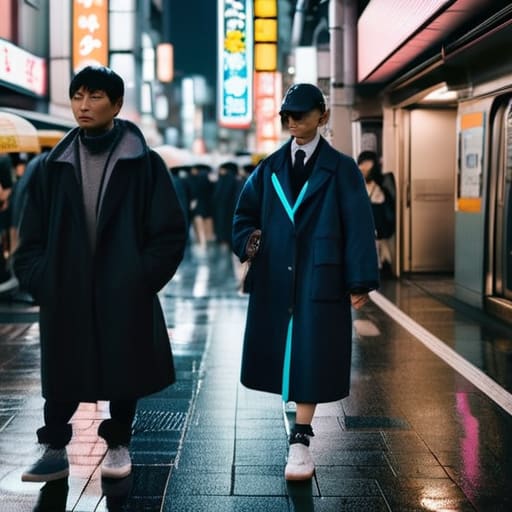
    • Master the art of layering for the transit shuffle. Moving from a humid street into a climate-controlled subway car requires a certain technical foresight; look for lightweight, high-quality natural fibers that allow you to adapt to the city’s microclimates without losing your shape.
    • Invest in the “uniform” of the urban professional. Much like the efficiency of a well-run logistics hub, Japanese street style often relies on a highly curated set of reliable basics—dark navy trousers, crisp white shirts, and structured outerwear—that can be mixed and matched with mathematical precision.
    • Respect the footwear as a functional necessity. The city is a walking machine, and the fashion reflects this; you will see a remarkable marriage between high-concept design and extreme practical durability, from technical trekking boots to meticulously maintained leather loafers.
    • Seek the beauty in the subtle texture. Instead of looking for loud patterns, observe how different weaves and weights of fabric catch the light in a narrow alleyway; the real sophistication lies in the tactile details that only become apparent when you are standing still in the crowd.

    The Lessons Written in the Fabric

    True Japanese urban style isn’t found in the loud, neon-soaked storefronts, but in the intentionality of how a person layers their clothing to navigate the shifting temperatures of a city transit system.

    Fashion in Tokyo and Osaka serves as a silent social code, where the choice between oversized silhouettes and sharp, minimalist lines tells a story of how an individual chooses to occupy space within the crowd.

    To understand the aesthetic of the street, one must look past the fleeting trends of the major hubs and observe the quiet, functional elegance of those moving through the city’s periphery, where utility and personal expression meet.

    The Fabric of the Commute

    “I have spent my life studying the movement of goods across borders, but there is a more subtle logistics at play on the streets of Tokyo—a silent, coordinated dance of silhouette and texture, where every person’s attire is a deliberate choice in how they intend to occupy their space within the crowd.”

    Rurik Salonen

    The Thread That Binds the City

    The Thread That Binds the City fashion.

    Looking back at the frantic energy of Harajuku and the more reserved, curated silhouettes of Shibuya, it becomes clear that Japanese urban fashion is not a monolith. It is a complex logistical network of self-expression, much like the subway lines I map out in my notebook. We have seen how the chaos of youth culture can coexist with a deeply disciplined sense of aesthetic precision. Whether it is the loud, experimental layers of a teenager or the meticulous minimalism of a salaryman in Ginza, there is a common thread: an obsession with how a garment interacts with the urban environment. It is about more than just clothes; it is about how a person negotiates their space within the dense, breathing machinery of the metropolis.

    As I sit in a small kissaten near Shinjuku, watching the commuters drift past the window, I am reminded that the true beauty of these styles lies in their transience. Trends will shift, and the neon lights will eventually dim, but the impulse to find identity through one’s outward presentation remains constant. Do not merely look at the labels or the brands when you next walk the streets of Tokyo. Instead, look for the quiet intentionality in the way a stranger carries themselves. If you learn to read the fabric and the fold, you will begin to understand the silent rhythm of the city itself.

    Frequently Asked Questions

    How does the seasonal shift in Japan's climate influence the practical layering seen in metropolitan street style?

    In my years managing logistics, I learned that efficiency is born from preparation. In Tokyo, fashion follows a similar logic. As the humidity of summer breaks into the sharp, biting chill of November, the silhouette of the city shifts. It isn’t just about warmth; it’s a masterclass in modularity. You see people transitioning through technical knits and structured overcoats—layers that allow them to navigate the sudden temperature swings between a frozen street and a stiflingly heated subway car.

    Beyond the major hubs like Shibuya or Harajuku, where can one find more understated, functional urban attire in Tokyo?

    If you want to escape the performative spectacle of the major hubs, head toward Shimokitazawa or Daikanyama. In these neighborhoods, the fashion shifts from costume to composition. You’ll see a preference for high-quality textiles and silhouettes that respect the wearer’s movement—much like a well-designed transit map. It’s more about the integrity of a garment than the brand on its label. There, the style feels lived-in, practical, and quietly intentional.

    To what extent does the meticulous attention to garment construction and fabric quality define the local aesthetic compared to fast-fashion trends?

    In my experience, the distinction is stark. While fast fashion exists, the true Japanese aesthetic is rooted in a profound respect for the material itself. You see it in the way a heavy denim drapes or how a seam holds its integrity after years of wear. To me, it’s a logistical marvel of quality control; there is a deliberate preference for longevity and structural precision over the fleeting, disposable cycles we see elsewhere.

  • A Guide to Japanese Bento Boxes

    A Guide to Japanese Bento Boxes

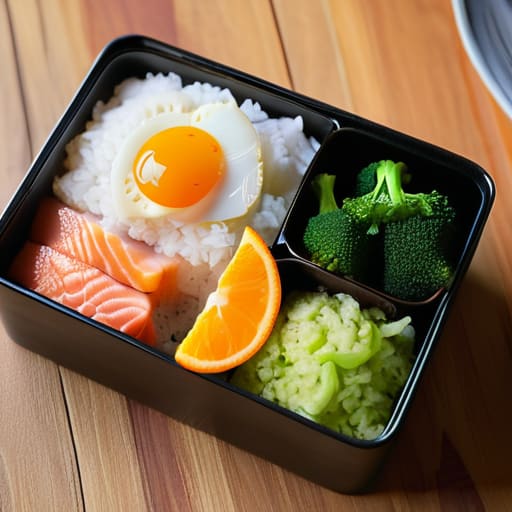
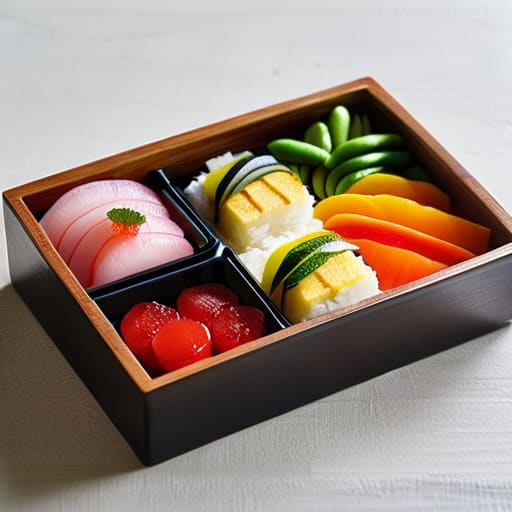
    I remember sitting on a crowded Yamanote Line train during rush hour, the air thick with the scent of roasted sesame and soy, watching a salaryman carefully peel back the lid of his japanese bento box. In that cramped, metallic space, there was something profoundly orderly about the way the pickled radish sat perfectly against the tamagoyaki. Most travel guides will try to sell you on the “aesthetic” or the high-end, lacquered art pieces meant for display, but they miss the point entirely. A bento isn’t a souvenir; it is a masterclass in spatial efficiency and a vital tool for navigating the urban grind.

    I’m not here to give you a list of overpriced department store delicacies or tell you how to make a meal look “Instagrammable.” Instead, I want to talk about the mechanics of a good meal—how to find the most functional, honest boxes in the city’s quietest corners and how to understand the logistics of flavor that keep a commuter going. I’ll share what I’ve learned from years of observing these small, contained worlds, focusing on the practical details that actually matter when you’re living your life in transit.

    Table of Contents

    The Architecture of Flavor Bento Box Compartments and Layout

    The Architecture of Flavor Bento Box Compartments and Layout.

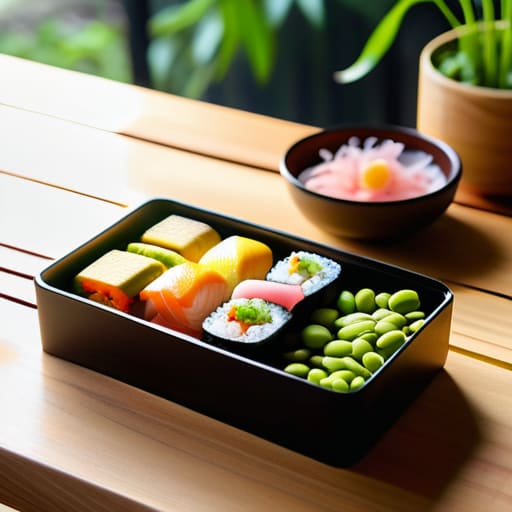
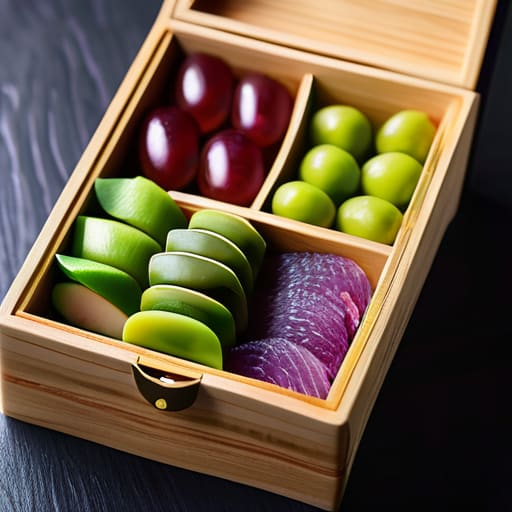
    When I look at a well-constructed meal, I don’t just see food; I see a masterclass in spatial management. Much like the logistical efficiency I spent decades perfecting in global shipping, the bento box compartments and layout serve a functional purpose. Each section is a designated zone, preventing flavors from bleeding into one another and ensuring that a delicate piece of tamagoyaki remains untouched by the juices of a pickled plum. It is a controlled environment designed for stability during transit.

    There is a profound logic to how the various elements are arranged. It isn’t merely about aesthetic food presentation tips; it is about the structural integrity of the meal. You’ll notice how the heavier grains act as a foundation, while the smaller, more colorful vegetables fill the gaps to prevent shifting. This careful distribution ensures balanced nutrition in bento is achieved through variety, utilizing every square centimeter of available space. To the untrained eye, it is just a lunch; to me, it is a perfectly optimized system of small, delicious parts working in total harmony.

    The Quiet Truth of Traditional Bento Ingredients

    When I look closely at a well-crafted meal, I don’t just see food; I see a logistical triumph of color and texture. The true soul of the experience lies in the traditional bento ingredients that have remained largely unchanged for generations. It isn’t about extravagance, but about a disciplined selection of seasonal elements—perhaps a piece of salt-grilled mackerel, a few slices of pickled daikon, and a handful of tamagoyaki. There is a profound sense of order in how these items interact, providing a sense of balanced nutrition in bento that sustains a person through a long afternoon of work or travel.

    I’ve noticed that the most successful boxes rely on a strict adherence to the five colors: red, yellow, green, black, and white. This isn’t merely for show; it is a functional way to ensure variety. As I sit in a corner of a Shinjuku park, sketching the way the light hits the lacquer, I realize that these ingredients are chosen to hold their integrity. They are designed to be eaten at room temperature, maintaining their structural and flavorful essence without the need for heat. It is a quiet, edible form of functional beauty.

    The Logistics of the Lunchbox: Five Rules for a Balanced Bento

    The Logistics of the Lunchbox: Five Rules for a Balanced Bento
    • Respect the spatial constraints. Just as in a well-managed warehouse, every millimeter matters; use small, colorful garnishes like pickled ginger or bright green edamame to plug the gaps and prevent the components from shifting during a bumpy subway ride.
    • Prioritize moisture control. A successful bento relies on dry textures; ensure your proteins are properly drained or wrapped to prevent juices from seeping into the rice, which can compromise the integrity of the entire meal.
    • Seek the balance of temperature. I’ve learned that the best bento components are those that taste intentional when eaten at room temperature, rather than those that rely on being piping hot to be palatable.
    • Color is your functional guide. Aim for a spectrum of five colors—red, yellow, green, black, and white—not just for aesthetics, but to ensure a logistical variety of nutrients that will sustain you through a long afternoon.
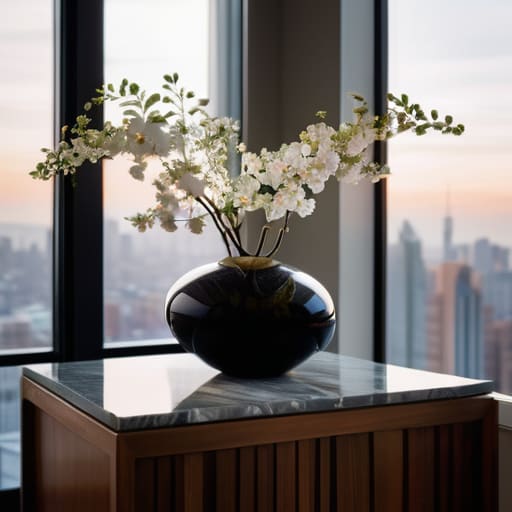
    • Choose your vessel with purpose. Don’t just grab any plastic container; find a sturdy, well-fitted box that fits comfortably in your bag and reflects the quiet, organized ritual of the meal you are about to consume.

    The Logistics of a Perfect Meal

    A bento is a masterclass in spatial efficiency, where every millimeter of compartment space is utilized to prevent flavor bleed and maintain structural integrity.

    True quality lies in the balance of textures and colors, ensuring that the meal remains visually engaging and nutritionally complete even when eaten in transit.

    To appreciate a bento is to respect the intentionality behind its assembly; it is a small, portable ecosystem designed to provide stability amidst the urban rush.

    The Geometry of a Meal

    A bento box is more than just a meal; it is a masterclass in spatial efficiency. To look at one is to see a microcosm of the city itself—everything has its designated place, nothing is wasted, and within that tight, organized boundary, there is a profound sense of order that makes the chaos of the workday feel momentarily manageable.

    Rurik Salonen

    The Final Assembly

    The Final Assembly of a bento box.

    When we look past the surface, a bento box is more than just a meal; it is a masterclass in logistical precision and sensory balance. We have seen how the deliberate architecture of its compartments prevents the chaos of flavors from bleeding into one another, and how the selection of ingredients reflects a deep, seasonal respect for the land. Whether it is the careful placement of a pickled plum or the structural integrity of a rice mound, every element serves a purpose. It is a carefully orchestrated system designed to provide sustenance while maintaining a sense of order, much like the well-oiled transit networks that keep these cities breathing.

    As I sit on a park bench near Shinjuku, watching the sunlight filter through the trees while I unpack my own small container, I am reminded that there is dignity in the small things. We often spend our lives chasing the grand gestures—the towering skyscrapers or the famous shrines—but the true essence of a culture is often found in these quiet, functional rituals. A bento box teaches us that even within the rush of a metropolitan life, there is always room to find beauty, balance, and a moment of stillness. It is not just about eating; it is about how we choose to organize our world, one small compartment at a time.

    Frequently Asked Questions

    How do I maintain the structural integrity and temperature of a bento when traveling through different urban climates?

    When moving between the humid subway tunnels and the biting wind of an Osaka street, I’ve learned that thermal management is a logistical necessity. I rely on insulated, high-quality canvas wraps—furoshiki—to buffer temperature shifts. For structural integrity, I avoid stacking heavy rice portions atop delicate proteins. If I’m traveling long distances, I keep the bento in a structured, hard-shell bag to prevent the contents from shifting during the inevitable jolts of the Yamanote Line.

    Are there specific types of lacquerware or containers that are best suited for long-term use in a daily commute?

    If you’re looking for something that survives the daily grind of a commute, skip the delicate, high-gloss ceremonial pieces. I’ve found that Shunkei-nuri is far more practical; its translucent lacquer reveals the wood grain beneath, offering a rugged elegance that handles minor scuffs well. For true longevity, seek out heavy-duty Wajima-nuri. It’s incredibly durable due to the layered technique, making it a reliable companion for those long, rhythmic train rides through the city.

    Where can I find the best local shops that specialize in seasonal, hand-crafted bento rather than the mass-produced versions found in major stations?

    To find the real thing, you must step away from the polished glass of Shinjuku or Osaka Station. I find my best meals in the shotengai—the local shopping streets—tucked behind the main thoroughfares. Look for small, family-run depachika in older department stores or neighborhood grocers. The magic is in the seasonal shifts; seek out shops where the menu changes with the micro-seasons. That is where the city’s true rhythm resides.

  • The Cafe Culture of Tokyo

    The Cafe Culture of Tokyo

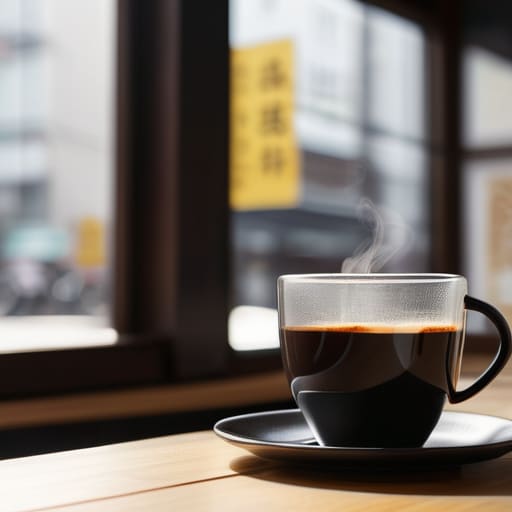
    I sat in a sleek, glass-fronted establishment in Omotesando last Tuesday, watching a group of teenagers photograph their matcha lattes for twenty minutes before taking a single sip. The lighting was perfect, the branding was impeccable, but the coffee was entirely forgettable. Most people mistake these polished, Instagram-ready spaces for the heart of the city, but that isn’t what tokyo cafe culture is actually about. To me, the real pulse of the city isn’t found in a curated aesthetic or a high price tag; it’s found in the low hum of a vintage espresso machine in a room no larger than a shipping container.

    I have no interest in giving you a list of the most “photogenic” spots to check off a bucket list. Instead, I want to show you how to navigate the city’s caffeine landscape like a local who values function and stillness. I will guide you toward those tucked-away, quiet corners where the coffee is strong, the service is seamless, and the chaos of the metropolis finally fades into the background. This is about finding the true rhythm of Tokyo, one cup at a time.

    Table of Contents

    The Deep Roots of Kissaten History in Japan

    The Deep Roots of Kissaten History in Japan.

    To understand why a modern Tokyo barista treats a bean with such reverence, one must first understand the kissaten. Long before the frantic pace of the third wave coffee movement swept through the city, these traditional tea-and-coffee houses served as the quiet anchors of Japanese social life. Unlike the quick, transactional nature of a modern espresso bar, the kissaten was built on the principle of lingering. It was a space designed for contemplation, where the ritual of the pour was as important as the caffeine itself.

    Tracing the kissaten history in Japan reveals a fascinating evolution of urban solitude. These establishments weren’t just places to drink; they were sanctuaries of intentional stillness. In the post-war era, as the city’s skyline began its relentless climb toward the clouds, the dim lighting and heavy velvet curtains of the kissaten offered a necessary counterweight to the neon chaos outside. Even as the specialty coffee scene in Tokyo begins to embrace lighter roasts and more experimental techniques, that foundational respect for the sanctity of the ritual remains the heartbeat of the city’s coffee identity.
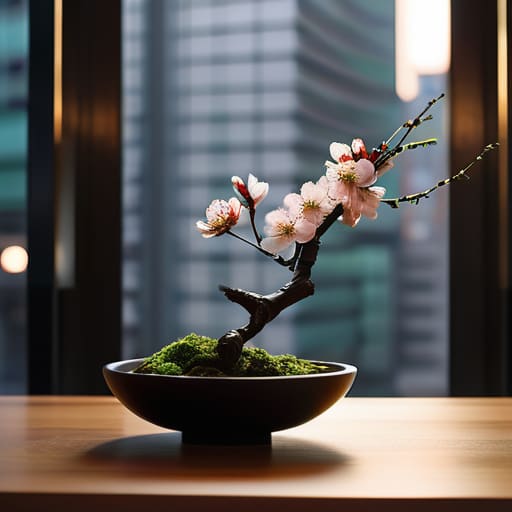
    Finding Stillness in the Specialty Coffee Scene Tokyo

    Finding Stillness in the Specialty Coffee Scene Tokyo

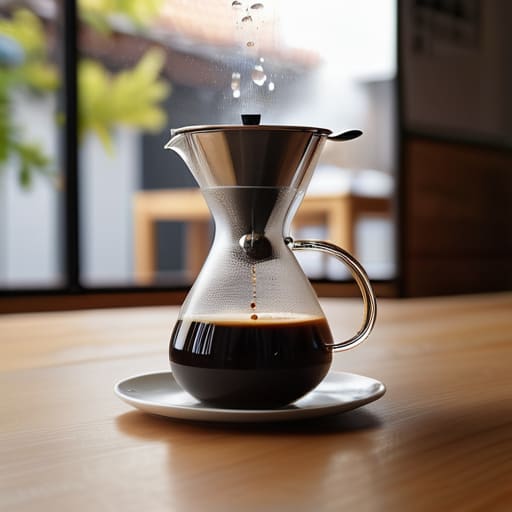
    While the old-school kissaten offers a nostalgic embrace, a different kind of quiet has emerged through the third wave coffee movement in Japan. I’ve found that this isn’t about the frantic energy of a modern espresso bar, but rather a disciplined pursuit of precision. In neighborhoods like Kiyosumi-shirakawa, the pace slows down significantly. Here, the focus shifts to the chemistry of the pour-over and the exact temperature of the water. It is a meditative process that mirrors the meticulousness I used to see in high-end logistics; every variable matters, and the result is a clarity of flavor that demands your full attention.

    These spaces often embrace a minimalist cafe design that strips away the visual noise of the city. There are no loud advertisements or cluttered menus—just raw concrete, light wood, and the steady hum of a grinder. I often find myself sitting in these corners with my notebook, watching the light shift across a wooden counter. It isn’t about finding a workspace for a laptop; it is about finding a sanctuary where the rhythm of the brew dictates the tempo of your afternoon.

    • Respect the silence of the Kissaten. These aren’t spaces for loud conversation or frantic multitasking; they are sanctuaries of stillness. If you find yourself in a traditional establishment, keep your voice low and your phone tucked away. The patrons there aren’t just drinking coffee; they are reclaiming a moment of peace.
    • Look for the basement and the attic. The most authentic character often resides in the vertical margins of the city. Don’t just scan the street level; follow the signs for “B1” or look for a narrow staircase tucked between two office buildings. The best coffee is often found where the sunlight barely reaches.
    • Learn the rhythm of the counter. In many smaller, specialty shops, the baristas work with a precision that reminds me of a well-oiled logistics hub. Watch their movements, but don’t interrupt their flow. There is a certain grace in their efficiency that deserves your quiet appreciation.
    • Carry small denominations of yen. While Tokyo is modernizing rapidly, the soul of the cafe scene—those tiny, family-run spots—often relies on the tactile simplicity of cash. A heavy wallet is a small price to pay for the ability to enter a shop that doesn’t take cards.
    • Embrace the solo visit. In my experience, trying to find a seat for a group in a dense urban district can feel like a logistical nightmare. However, sitting alone at a narrow wooden counter is the most effective way to observe the city’s pulse. It allows you to become part of the scenery rather than a disruption to it.

    The Logistical Soul of the Tokyo Cup

    To truly understand Tokyo, look past the high-speed convenience of the modern chain and seek out the deliberate, slow-motion ritual of the local cafe; it is in these pauses that the city’s true rhythm is revealed.

    The evolution from the dark, wood-paneled kissaten to the bright, minimalist specialty roaster isn’t a replacement of culture, but a layered map of how Japanese urbanites have navigated their need for both tradition and precision.

    The best way to experience a neighborhood is to use its coffee shops as anchors—small, quiet waypoints that allow you to observe the flow of the street without being swept away by its current.

    The Logistics of Solitude

    “In a city that never stops moving, a cafe isn’t just a place to consume caffeine; it is a vital decompression valve, a scheduled pause in the urban machinery where the frantic pace of the street finally yields to the steady rhythm of a single, well-poured cup.”

    Rurik Salonen

    The Last Sip

    Enjoying The Last Sip in Tokyo cafe.

    As I sit here, tracing the lines of a subway map in my notebook, I realize that Tokyo’s cafe culture is less about the caffeine and more about the intentionality of space. We have moved from the dark, wood-paneled sanctuary of the traditional kissaten to the bright, precision-driven workshops of the specialty movement, yet the underlying necessity remains the same. Whether you are seeking the nostalgic weight of a heavy ceramic cup or the clinical perfection of a pour-over, these spaces serve as the city’s essential pressure valves. They provide the necessary friction against the relentless momentum of the metropolis, allowing us a moment to simply exist without being part of the rush.

    Ultimately, finding your way through Tokyo’s coffee landscape isn’t about following a trend or a curated list of top-rated shops. It is about learning to read the city’s subtle cues—the way a curtain hangs in a doorway or the specific silence of a basement nook. I have found that the most profound connections to a place happen when you stop searching for the spectacle and start looking for the quiet rhythms of daily life. So, next time you find yourself overwhelmed by the neon and the noise, step into the nearest unmarked door. You might just find exactly what you didn’t know you were looking for.

    Frequently Asked Questions

    How do I distinguish between a traditional kissaten and the modern specialty coffee shops when walking through different neighborhoods?

    It’s all in the sensory cues. When I’m walking through neighborhoods like Jimbocho or Ginza, I look for the weight of the atmosphere. A kissaten announces itself through heavy velvet curtains, the scent of dark, syrupy roasts, and a deliberate, almost hushed pace. You’ll see older patrons reading newspapers in leather booths. Modern specialty shops, conversely, feel lighter—glass fronts, bright lighting, and the high-frequency hum of espresso machines. One honors the past; the other celebrates the craft.

    Is there a particular etiquette I should follow when using a cafe as a quiet space to read or write in Tokyo?

    In my experience, the unspoken rule is a matter of spatial logistics. If you’re occupying a table for hours with a notebook or a book, be mindful of the “turnover rhythm.” In smaller shops, try to order a second item after ninety minutes to signal you aren’t just squatting. Most importantly, keep your presence low-impact; use headphones, keep your gear compact, and respect the silence. In Tokyo, your right to the space is balanced by your discretion.

    Which specific subway lines or districts offer the best concentration of these smaller, tucked-away coffee establishments?

    If you want to find that specific concentration, skip the major hubs and head toward the residential arteries. The Chiyoda Line is a goldmine; as it snakes through neighborhoods like Yanaka or Jimbocho, the pace slows, and the coffee shops appear in the gaps between bookshops and quiet residences. I often find myself drifting toward the Setagaya area via the Odakyu Line. There, the rhythm is slower, and the best brews are usually found in those small, nameless corners that require a bit of wandering to uncover.

  • The Experience of Eating Fugu Pufferfish

    The Experience of Eating Fugu Pufferfish

    The knife moved with a precision that felt almost surgical, a rhythmic slice through translucent flesh that seemed far too delicate to be anything more than a ghost on the plate. I remember sitting in a cramped, wood-paneled room in Osaka, the air thick with the scent of dashi and the quiet, focused tension of the chef. Most travel guides treat fugu pufferfish dining as a dare or a high-priced spectacle for the tourist crowd, but sitting there, I realized it wasn’t about the risk of the toxin; it was about the unwavering discipline required to master it.

    I have no interest in the flashy, overpriced showrooms designed to separate travelers from their yen. Instead, I want to show you how to find the real thing—the places where the ritual is respected and the logistics of the meal are as seamless as a well-run transit line. I will guide you through the practicalities of identifying a legitimate kitchen and understanding the quiet mechanics of a proper meal, ensuring your experience is defined by culinary truth rather than hollow hype.

    Table of Contents

    The Precision of the Blade and Licensed Fugu Chefs

    The Precision of the Blade and Licensed Fugu Chefs.

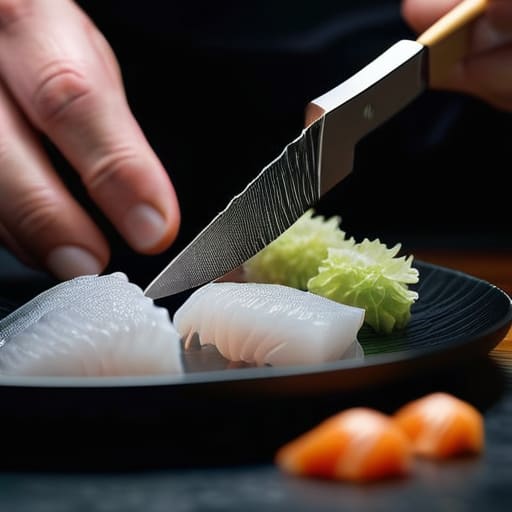
    Watching the chef work is like observing a master technician managing a high-stakes logistics operation where the margin for error is zero. There is no room for a misplaced stroke or a moment of distraction. In the world of traditional Japanese culinary arts, the preparation of this fish is less about cooking and more about a rigorous, surgical discipline. You realize quickly that this isn’t just dinner; it is a highly regulated ritual governed by strict tetrodotoxin safety protocols that have been passed down through generations.

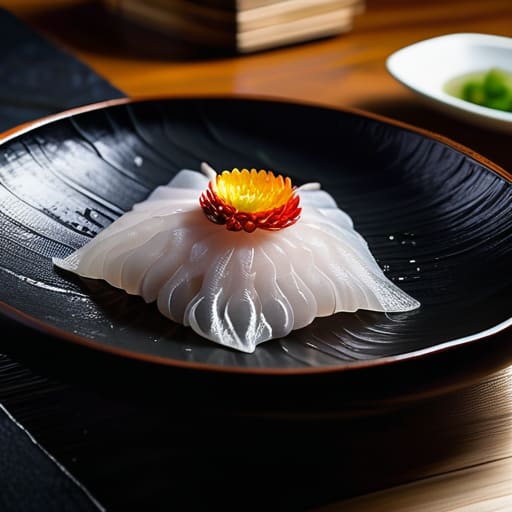
    The atmosphere in the room shifts as the chef begins the fugu sashimi preparation. He moves with a steady, practiced economy of motion that I’ve only ever seen in high-level industrial specialists. Each slice is translucent, laid out on the plate in a pattern that mimics a blooming chrysanthemum. It is a testament to the years of training required to earn the title of licensed fugu chefs. To witness such precision is to understand that in Japan, beauty is often inseparable from a profound, disciplined respect for danger.

    Pufferfish Toxicity Explained Through a Single Bite

    Pufferfish Toxicity Explained Through a Single Bite

    To understand the weight of the meal, one must look past the translucent beauty of the plate and acknowledge the chemistry at work. The danger lies in tetrodotoxin, a neurotoxin far more potent than cyanide, which resides within the liver and ovaries of the fish. It is a substance that does not yield to heat or seasoning; there is no culinary trick to neutralize it. This is why tetrodotoxin safety protocols are not merely suggestions in a kitchen, but a rigid, life-or-death framework that governs the entire experience.

    When I sit in these quiet, dimly lit rooms, I am acutely aware that the thinness of the slice is a testament to the chef’s mastery over a lethal element. The sensation of the meat on the tongue—a slight, faintly numbing tingle—is often the hallmark of a perfectly executed dish. It is a delicate equilibrium where the risk is managed through decades of discipline. In these moments, the meal transcends mere exotic seafood dining experiences; it becomes a profound lesson in the precision of survival through the lens of traditional Japanese culinary arts.

    • Seek out the license, not the decor. In a city as vast as Tokyo, a flashy storefront is often a distraction. Look for the small, unassuming establishments where the chef’s credentials are the primary draw; true mastery rarely needs to shout.
    • Observe the rhythm of the room. Fugu dining is a slow process, a deliberate pacing that mirrors the precision of the preparation. Do not rush the meal; treat it as a study in patience rather than a quick stop between subway transfers.
    • Trust the seasonal flow. Much like the logistics of a supply chain, the availability and quality of fugu depend heavily on the time of year. Ask your host what is currently at its peak; there is a specific, fleeting perfection to certain species that no menu can fully capture.
    • Mind the pairing. While a crisp sake is the traditional companion, pay attention to how the acidity of the drink interacts with the clean, subtle texture of the fish. The goal is balance, not masking the delicate flavor of the meat.
    • Keep a steady hand and a quiet mind. There is a certain tension inherent in eating something so potentially volatile. Lean into that quiet awareness. It makes the experience more than just a meal—it becomes a moment of profound, singular presence.

    Lessons from the Plate

    Respect the ritual, not just the flavor; the skill of the chef is the only thing standing between a culinary masterpiece and a lethal mistake.

    Look past the tourist menus and seek out the small, unassuming shops where the focus is on precision rather than presentation.

    Understand that dining on fugu is an exercise in trust—a quiet pact between the diner and the expert that honors the city’s disciplined nature.

    The Logistics of Risk

    “In my former life, I managed risks by calculating margins of error; here, sitting in a dim corner of Shimonoseki, I realize that some experiences are defined by the very thinness of that margin—a culinary dance where the precision of the chef is the only thing standing between a transcendent meal and a fatal mistake.”

    Rurik Salonen

    The Final Taste of Risk and Ritual

    The Final Taste of Risk and Ritual.

    To sit before a plate of fugu is to acknowledge a delicate contract between the diner and the chef. We have traced the journey from the lethal biological reality of the pufferfish to the rigorous, decades-long training required to master its preparation. It is not merely a matter of removing toxin; it is a discipline of absolute precision that mirrors the very logistics I spent my career studying—where a single error in the chain of command results in total failure. When you finally taste that translucent slice, you aren’t just consuming seafood; you are participating in a carefully regulated dance between danger and culinary mastery.

    As I sit in these quiet, dimly lit corners of the city, sketching the lines of the subway in my notebook, I am often reminded that the most profound experiences are rarely the loudest. Eating fugu is not about the spectacle of the hunt or the thrill of the danger, but about the quiet respect for a tradition that refuses to be rushed. It teaches us that there is a specific kind of functional beauty in things that require patience and expertise. In a world that constantly demands more speed, perhaps we should look more closely at the slow, deliberate rituals that keep the soul of a city alive.

    Frequently Asked Questions

    How can I be certain that the restaurant I've chosen adheres to the strict licensing regulations required for serving fugu?

    You won’t find this answer in a glossy guidebook. In Japan, the certification is formal: look for the fugu shikishi—a framed certificate—displayed prominently near the kitchen or entrance. It’s a mark of the chef’s specific license. However, my advice is more practical. Choose establishments with a sense of gravity. If the restaurant feels established, quiet, and respects the ritual of the meal, they aren’t cutting corners. In logistics, we trust systems; in dining, trust the pedigree.

    Is there a specific etiquette or a certain way to approach the tasting to truly appreciate the subtle textures of the fish?

    Don’t rush. In a city that moves at a frantic pace, the fugu table is a rare pocket of stillness. I’ve learned that the best way to approach it is to treat each slice as a study in texture rather than a mere morsel. Start with the sashimi—the tessa—and let it sit on your tongue for a moment. Notice the translucency, the slight resistance, and the way the flavor evolves as it reaches room temperature.

    Beyond the sashimi, what are the other ways fugu is typically prepared in a traditional setting, such as in soups or hot pots?

    While the translucent slices of sashimi command the most attention, the true soul of the meal often lies in the heat. I’ve found that fugu chiri—a communal hot pot where the fish is simmered in a delicate dashi—is where the texture truly sings. Most importantly, don’t overlook the karaumi, the final soup made from the boiling broth. It’s a concentrated, restorative essence that captures the very breath of the sea.

  • Visiting Art and History Museums in Japanese Cities

    Visiting Art and History Museums in Japanese Cities

    I was sitting in a crowded Shinjuku station cafe last autumn, watching tourists scramble toward the massive, neon-lit landmarks with their guidebooks gripped tight, and I couldn’t help but feel a pang of sympathy. Most people approach the idea of visiting museums in japan as if they are checking items off a high-pressure corporate manifest—rushing from one grand, cavernous hall to the next, breathless and exhausted, without ever actually seeing anything. They chase the prestige of the national institutions while completely missing the quiet, rhythmic pulse of the smaller, more intentional spaces that actually define the country’s character.

    I have no interest in helping you navigate the tourist traps or the overpriced gift shops that offer nothing but hollow souvenirs. Instead, I want to show you how to find the true essence of Japanese history and art by looking at the logistics of how these spaces exist within the urban fabric. My goal is to guide you toward the galleries that breathe, the local archives tucked behind transit hubs, and the small, silent corners where the real story of Japan is told. We aren’t just visiting exhibits; we are learning how this culture preserves its soul.

    Table of Contents

    Tracing the Soul Through Traditional Japanese Art Collections

    Tracing the Soul Through Traditional Japanese Art Collections

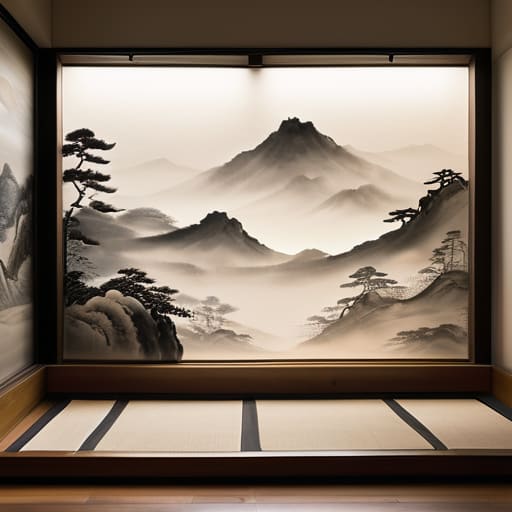
    While many travelers rush toward the neon-soaked districts of Shinjuku, I find myself drawn to the stillness found within traditional Japanese art collections. There is a specific kind of rhythm to these spaces—a deliberate slowing of time that mirrors the precision of a well-run railway. When I sit before a centuries-old ink wash painting, I am not just looking at art; I am observing the way a culture has historically organized its relationship with nature and space.

    In the quieter corners of the country, particularly when navigating the dense network of Kyoto historical sites and museums, you begin to see how the past isn’t just preserved; it is integrated. I often find that the most profound insights don’t come from the massive, state-funded institutions, but from the smaller, family-run galleries where the lighting is dim and the air feels heavy with history. These are the places where you can truly sense the city’s breath, away from the frantic pace of the modern commute, finding beauty in the delicate, intentional strokes of a brush that have survived the chaos of the centuries.

    Navigating the Best Museums in Tokyo via Local Rail.

    To truly understand the layout of this metropolis, you have to stop looking at a map and start looking at the transit lines. The most efficient way to approach the best museums in Tokyo is to treat the Yamanote Line as your primary artery. I often find that the most profound experiences aren’t found by rushing between major hubs, but by stepping off at smaller stations like Ueno or Roppongi. In Ueno, the museum district is a dense, walkable cluster that allows you to transition from one era of history to another without the friction of long commutes.

    There is a certain rhythmic logic to moving between these cultural anchors. If you are seeking the more experimental side of the city, the Ginza and Roppongi corridors offer a seamless connection to various modern art museums Japan has to offer. I prefer to time my visits during the mid-week lull, using the quiet intervals between express trains to settle into a contemplative headspace. By following the rail, you aren’t just traveling to a destination; you are observing the mechanical heartbeat of the city that makes such curated stillness possible.

    The Logistical Nuances of Curated Silence: Five Practical Observations

    • Don’t rely solely on the major hubs; the most profound collections often reside in the quiet periphery of the city. I’ve found that a single transfer on a local line can lead you to a neighborhood gallery that feels far more intimate and honest than the grand institutions in Ueno.
    • Respect the rhythm of the space. Museums in Japan operate with a specific, quiet choreography. Observe the flow of the other visitors; there is a subtle etiquette to how one moves through a gallery that, if followed, allows you to inhabit the space rather than just pass through it.
    • Carry physical cash, even if you think you’re prepared. While the world is digitizing, many smaller, specialized museums tucked away in residential wards still prefer the tactile reliability of yen. It’s a small logistical detail that can save a trip.
    • Use the museum’s layout as a map for your own exploration. Instead of rushing toward the “star” exhibit, I prefer to study the floor plan first. Understanding the transit of the building helps you find those small, overlooked corners where the light hits a sculpture just right.
    • Check the seasonal rotation schedules before you depart. Much like a supply chain, these institutions move their assets with precision. A museum that feels complete today might be in a state of flux tomorrow, so always verify what is currently on display to ensure your time is spent meaningfully.

    Observations from the Field

    Don’t let the scale of a museum intimidate you; the most profound insights often reside in the smaller, specialized collections that reflect the meticulous precision of Japanese craftsmanship.

    Use the rhythm of the transit system to your advantage, treating the journey between cultural hubs as a way to observe the shifting urban landscape rather than just a means to an end.

    True understanding requires patience—step away from the crowded main galleries and look for the quiet corners where the history of a place is allowed to breathe without the noise of the crowd.

    The Quiet Geometry of History

    Most travelers chase the spectacle of a museum’s grandest hall, but I find the true essence of Japan in the silence between the exhibits—that precise, intentional space where a single ceramic bowl or a weathered scroll tells a more profound story than any crowded gallery ever could.

    Rurik Salonen

    The Final Connection

    The Final Connection through Tokyo's museum network.

    As I sit here in a small cafe near Ueno Station, reviewing my sketches and the rolls of film I’ve captured, the pattern becomes clear. We have traced the lineage of Japanese aesthetics through traditional collections and mapped out the efficient, rhythmic transit routes that connect Tokyo’s sprawling cultural hubs. Whether you are navigating the precision of the Yamanote Line to reach a world-class gallery or stumbling upon a small, local collection in a quiet ward, the lesson remains the same: museums are more than just repositories for old objects. They are the essential nodes in the vast, living network of a city, offering a moment of stillness amidst the relentless movement of the metropolitan machine.

    My advice to you as you plan your own journey is to resist the urge to rush. Do not treat your museum visits as mere checkboxes on a logistical itinerary. Instead, allow yourself the luxury of the detour. Sometimes, the most profound understanding of Japan comes not from the masterpiece hanging on a museum wall, but from the quiet walk between the station and the entrance, or the way the light hits the architecture of a transit hub. Seek the quiet, functional beauty in the transitions. If you look closely enough at the details most travelers overlook, you will find that the city itself is the greatest exhibit of all.

    Frequently Asked Questions

    How do I manage the logistics of visiting smaller, regional museums that aren't easily accessible from the major Shinkansen lines?

    To reach those tucked-away gems, you must embrace the rhythm of the local lines. Forget the Shinkansen’s sterile speed; these smaller museums demand patience. I usually map out a “hub and spoke” approach: find a major regional station, then use local buses or single-car trains to bridge the final gap. Download the local transit apps, but keep a physical map handy. Sometimes, the most rewarding way to navigate is simply to follow the tracks where the crowds thin out.

    Are there specific days of the week or times when these quieter galleries are less crowded, allowing for a more contemplative experience?

    If you’re seeking that stillness, avoid the midday rush of weekends at all costs. I’ve found that Tuesday and Wednesday mornings offer the most clarity; the air feels lighter, and the galleries breathe more freely. If you can, aim for the final hour before closing. There is a specific, quiet grace to a museum as the staff begins to wind down, leaving you alone with the art and the fading afternoon light.

    Do most museums offer English-language guides or materials, or should I rely more on my own observations and hand-drawn notes?

    Most major institutions in Tokyo and Osaka are well-equipped with English pamphlets and digital guides, which is helpful for the basics. However, don’t let those translations become a crutch. A guidebook can tell you the date a vase was fired, but it won’t capture the way the light hits the lacquer in a quiet corner. Use the English materials for context, but rely on your own eyes and my notebook for the true experience.

  • Urban Mobility and Transport in Japan

    Urban Mobility and Transport in Japan

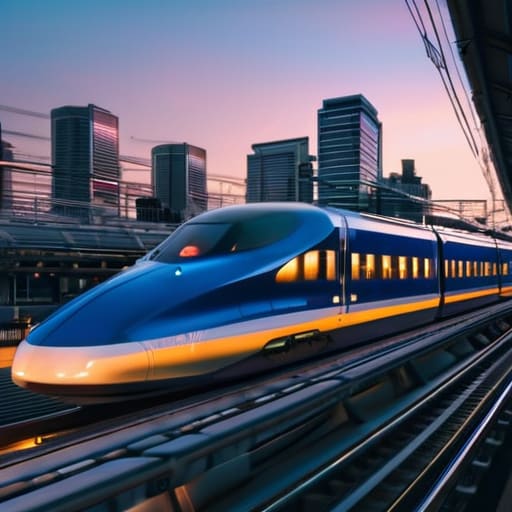
    I remember standing on the platform at Shinjuku Station during rush hour, my Leica camera heavy against my chest, watching a sea of dark suits move with a precision that felt almost supernatural. Most travel guides will try to sell you on the high-tech sheen of bullet trains or the sheer novelty of automated gates, but they miss the point entirely. To truly grasp urban mobility japan, you have to look past the shiny brochures and observe the unspoken choreography of the commuters. It isn’t about the speed of the machines; it’s about the silent, rhythmic efficiency of a system that functions because every individual understands their place in the flow.

    I’m not here to give you a list of tourist traps or a glorified timetable. Instead, I want to pull back the curtain on how these cities actually breathe. I will share my observations on the logistical elegance of the rail networks and the quiet, functional corners that most travelers overlook in their rush to reach the next monument. My goal is to provide you with a grounded perspective on navigating these dense landscapes, focusing on the practical realities of movement so you can find your own sense of order within the beautiful chaos.

    Table of Contents

    The Silent Precision of Tokyo Transit Efficiency

    The Silent Precision of Tokyo Transit Efficiency.

    I spent my career looking at spreadsheets of shipping manifests and transit times, but nothing prepared me for the visceral experience of Shinjuku Station during rush hour. It is a masterclass in human logistics. There is a specific, almost surgical precision to how the crowds move; despite the millions of souls passing through, there is a lack of friction that feels almost supernatural. This isn’t just luck; it is the result of decades of meticulous japanese rail network connectivity that treats every transfer as a vital link in a larger, living chain.

    I often sit on a bench near the platform, my Leica resting on my lap, simply watching the arrival of the Yamanote Line. The trains don’t just arrive; they dock with a rhythmic certainty. You see the seamless handoff between the heavy rail and the smaller, local lines that handle the more nuanced needs of the neighborhoods. It’s a testament to how smart city transportation technology can be integrated into the very fabric of daily life without feeling intrusive. In Tokyo, efficiency isn’t a buzzword—it is the quiet, steady heartbeat of the city itself.

    Japanese Rail Network Connectivity as a Living Organism

    Japanese Rail Network Connectivity as a Living Organism

    I’ve always viewed a complex logistics network not as a collection of static lines on a map, but as a circulatory system. When you look at the Japanese rail network connectivity, you see something far more sophisticated than mere transport; it is a living, breathing organism. The way the Shinkansen arteries feed into the local capillaries of the JR lines and private subway routes creates a seamless flow that most travelers take for granted. In my old consulting days, we obsessed over friction points, but here, the friction seems to have been engineered out of existence.

    However, the true brilliance lies in how the system handles the transition from the heavy rail to the doorstep. I often find myself sitting in a small station in suburban Chiba, observing how last mile connectivity in Japan is solved through a delicate dance of walking paths, meticulously timed bus loops, and integrated bicycle sharing systems. It isn’t just about getting from point A to point B; it is about the rhythmic continuity of the journey. Even when the scale shifts from a massive terminal to a quiet neighborhood street, the logic of the movement remains unbroken.

    • Invest in a physical IC card—a Suica or Pasmo—immediately upon arrival. While digital versions exist, there is a tactile reliability to tapping a card that keeps your focus on the station’s geometry rather than your phone screen.
    • Learn the rhythm of the platform. In Japan, the transit system operates on a predictable, almost musical cadence. Observe the markings on the floor; they aren’t just lines, they are the choreography of a thousand moving parts working in unison.
    • Don’t fear the “local” trains. While the express lines will get you across the city faster, it is the slower, local lines that pull you into the quiet, residential pockets where the real character of a neighborhood resides.
    • Carry a small, lightweight bag for your essentials. The density of commuters in major hubs like Shinjuku or Umeda requires a certain level of physical mindfulness; a bulky backpack is a logistical error that disrupts both your flow and that of others.
    • Use the station exits as your compass. Most major Japanese stations are sprawling labyrinths. Instead of rushing blindly, take a moment at the ticket gate to study the exit numbers; understanding the station’s layout is the first step to understanding the city’s structure.

    The Logistics of Living: Three Lessons from the Rails

    True efficiency isn’t just about speed; it is found in the seamless, almost invisible coordination between disparate systems that allows a city of millions to move without friction.

    To understand the heartbeat of a Japanese metropolis, look past the grand stations and observe the quiet, rhythmic reliability of the local lines that connect the residential fringes to the core.

    Urban mobility is more than a service—it is the circulatory system of the city, and mastering its nuances is the only way to truly experience the soul of the place.

    The Pulse Beneath the Pavement

    “Most people see a train schedule as a set of constraints, but after thirty years of looking at how things move, I see it differently. In Japan, the transit system isn’t just a service; it is the city’s circulatory system, a silent, rhythmic heartbeat that dictates exactly how the urban soul breathes.”

    Rurik Salonen

    The Quiet Logic of the Move

    The Quiet Logic of the Move: rail.

    Looking back at the sprawling web of tracks and the seamless transfers that define this country, it becomes clear that Japan’s urban mobility is more than just a feat of engineering. It is a testament to what happens when a society prioritizes collective flow over individual convenience. We have seen how the precision of Tokyo’s stations and the organic connectivity of the broader rail network work in tandem to create a system that doesn’t just move bodies, but sustains the very life of the city. It is a delicate, high-stakes dance of timing and discipline that turns what could be urban chaos into a masterclass of synchronized movement.

    As I sit here in a small café near Shinjuku, sketching the intersection of two lines in my notebook, I am reminded that we often miss the most profound lessons because we are too busy trying to arrive. If you want to truly understand Japan, stop looking at the skyscrapers and start looking at the people moving through the gates. There is a profound, understated beauty in a system that works so well it becomes almost invisible. My advice is to embrace the rhythm of the rails; let the transit system be your guide, and you might just find the soul of the city hidden in the spaces between the stops.

    Frequently Asked Questions

    How do I manage the logistical complexity of transferring between different private rail lines when I don't speak much Japanese?

    Don’t let the signage intimidate you; treat it like a supply chain problem. First, rely on the color-coded lines and numbering systems—they are more reliable than any translation app. I always keep my physical map handy to visualize the connections. Most importantly, look for the transfer gates. They are clearly marked, and the floor markings often guide your flow. If you’re lost, find a station attendant; a simple gesture and your map usually suffice.

    For someone who prefers a slower pace, are there specific routes or lines that offer a more contemplative view of the city rather than just the high-speed commuter rush?

    If you want to escape the frantic pulse of the Yamanote, take the Chuo Line toward the western suburbs or find your way onto the Odakyu Line. There is a particular stillness when the skyscrapers give way to the low-slung roofs of Setagaya. I often find myself sketching in my notebook on these routes; the scenery shifts from concrete density to a rhythmic passing of residential gardens and small shrines, allowing the city to breathe at a human pace.

    Beyond the major metropolitan hubs, how much can a traveler rely on the local bus networks to reach those quieter, more tucked-away corners of the country?

    If you’re looking to slip past the neon glare of the Shinkansen, the local bus is your lifeline. They aren’t as rhythmic as the rails, but they possess a certain, unhurried charm. In the rural prefectures, these routes are the capillaries of the country. You’ll need patience and a bit of cash, but that’s how you find the villages that don’t appear on most maps. It’s slower, yes, but it’s where the real Japan breathes.

  • The Role of Urban Greenery in Japanese Cities

    The Role of Urban Greenery in Japanese Cities

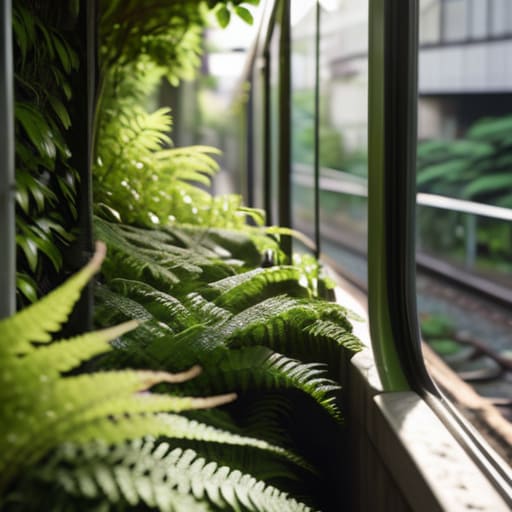
    I was standing on the platform at Shinjuku Station last Tuesday, watching the frantic, rhythmic surge of commuters, when I realized most people view the city as nothing more than a concrete machine. They chase the neon lights and the towering glass monoliths, completely oblivious to the fact that japan urban greenery isn’t just found in the sprawling, manicured parks that make the brochures. It’s actually much more subtle than that. It’s the stubborn patch of ferns clinging to a stone wall near a subway vent, or the way a single, ancient maple tree manages to claim its space between two massive office blocks. If you only look for the “big” sights, you’ll miss the actual soul of the landscape.

    I’m not here to give you a curated list of the most Instagrammable botanical gardens or the expensive tourist traps. Instead, I want to show you how to recognize the quiet, functional beauty that keeps these megalopolises from suffocating. I’ll be sharing my observations on how to find those hidden pockets of stillness—the small, overlooked verges and transit-side gardens—that allow a city to truly breathe.

    Table of Contents

    Tokyo Metropolitan Green Spaces and the Transit Side Verges

    Tokyo Metropolitan Green Spaces and the Transit Side Verges.

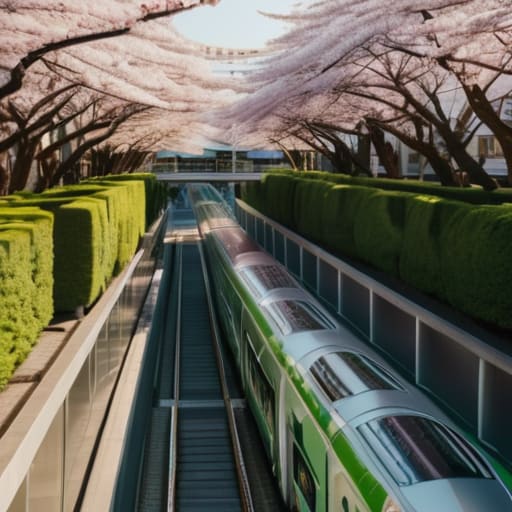
    When I sit on the Yamanote line, I don’t look at the crowds; I look at the slivers of green that punctuate the concrete. There is a deliberate logic to how Tokyo manages its greenery, a concept I’ve come to recognize as a sophisticated form of biophilic design in Japanese cities. It isn’t about massive, sprawling parks like Central Park; rather, it is about the strategic placement of small, functional pockets of life. You’ll see it in the way a station entrance is softened by a manicured hedge, or how a narrow alleyway is lined with potted ferns that seem to absorb the city’s roar.

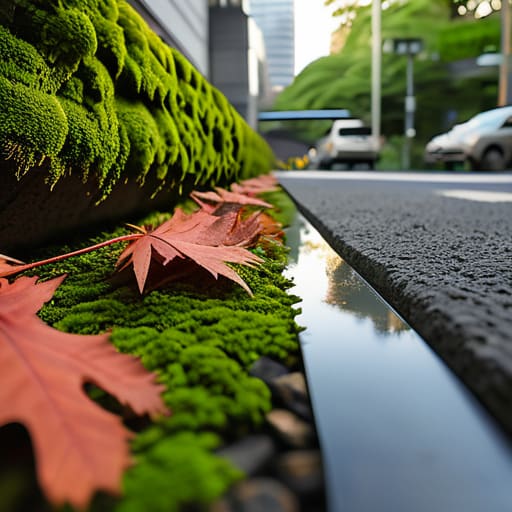
    These transit-side verges are more than just aesthetic choices; they are essential to the city’s respiratory system. I’ve noticed that the most effective Tokyo metropolitan green spaces are those that exist in the margins—the tiny, mossy embankments alongside elevated tracks or the small groves tucked between office towers. These micro-habitats offer a necessary reprieve, proving that even in a hyper-dense metropolis, the integration of nature is a vital component of urban functionality and mental clarity.

    Traditional Garden Integration in Modern Cities

    Traditional garden integration in modern cities.

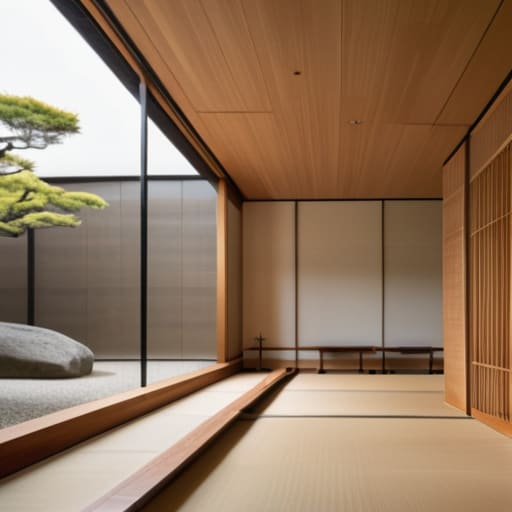
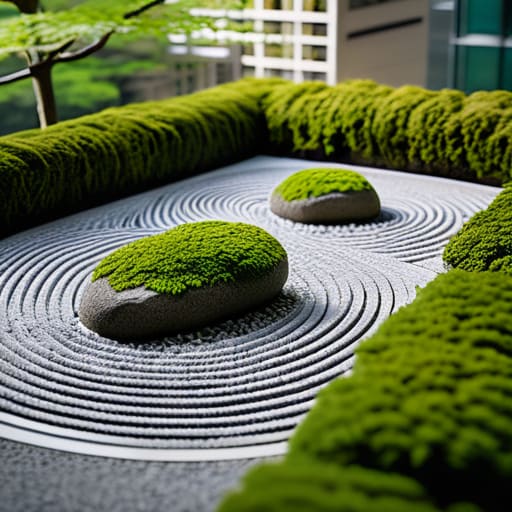
    It is one thing to see a park, but quite another to witness how a centuries-old aesthetic survives the relentless pressure of concrete. In my time walking the streets of Shinjuku and Ginza, I’ve noticed that traditional garden integration in modern cities isn’t merely a decorative choice; it’s a structural necessity for the city’s soul. You might be rushing toward a subway entrance, only to find a small, meticulously raked gravel garden tucked between two glass towers. These aren’t accidents. They are deliberate pockets of stillness that prevent the urban landscape from becoming entirely sterile.

    What fascinates me most is how these spaces utilize biophilic design in Japanese cities to bridge the gap between the hyper-modern and the ancient. It isn’t just about planting trees; it is about the geometry of the space—the way a stone lantern or a single maple tree is positioned to provide a visual anchor amidst the chaos of a commute. Even in the densest districts, these small, curated environments act as a psychological buffer, proving that a city can be both a high-speed logistical marvel and a place that still knows how to hold its breath.

    Observations from the Field: How to Navigate the Green Veins of the City

    • Don’t just look up at the skyscrapers; look down at the street level. The most meaningful greenery often exists in the narrow gaps between a concrete wall and a train line, or in the small, deliberate plantings that soften the edge of a busy intersection.
    • Use the transit maps as your guide to nature. Many of Tokyo’s larger parks are strategically positioned near major hubs, but the real magic happens when you step two or three stations away from the main lines, where the greenery begins to feel less like “infrastructure” and more like a neighborhood’s soul.
    • Carry a physical notebook, not just a phone. When you find a pocket garden or a small shrine grove, sit for ten minutes. Sketching the layout or simply noting the way the light hits the moss helps you understand the spatial logic of how the Japanese integrate nature into high-density living.
    • Pay attention to the seasonal shifts in the “micro-gardens.” In a city as dense as Osaka or Tokyo, the change of seasons isn’t signaled by vast forests, but by the specific way a single maple tree overhanging a subway entrance turns crimson. These small shifts are the city’s heartbeat.
    • Respect the silence of the green pockets. These small urban sanctuaries serve a functional purpose for the locals—they are places to decompress. Approach them with a quiet, observant mindset, treating them not as tourist attractions, but as the vital lungs of the metropolitan machine.

    The Logic of the Green Margin

    True urban vitality isn’t found in massive, isolated parks, but in the seamless way greenery is woven into the transit corridors we use every day.

    The most profound moments of stillness occur when a centuries-old garden design meets a modern subway exit, proving that tradition and efficiency aren’t mutually exclusive.

    To truly understand a Japanese city, one must look past the concrete and observe the small, functional pockets of nature that allow the metropolitan machine to breathe.

    The Logic of the Leaf

    “In a city built on the relentless efficiency of steel and concrete, these pockets of greenery aren’t just aesthetic flourishes; they are the vital pressure valves that prevent the entire metropolitan machine from overheating.”

    Rurik Salonen

    The Quiet Architecture of the City

    The Quiet Architecture of the City.

    Looking back at the layers we’ve peeled away, it becomes clear that Japan’s urban greenery isn’t just an aesthetic afterthought; it is a vital, functional component of the metropolitan machine. From the meticulously maintained transit-side verges that soften the harsh edges of concrete corridors to the ancient, walled gardens that offer a sudden, silent reprieve from the Shibuya scramble, these spaces serve a purpose. They are the connective tissue between the relentless pace of modern logistics and the human need for stillness. We have seen how the integration of tradition and modern infrastructure allows a city of millions to maintain its equilibrium without losing its soul.

    As I sit here in a small cafe near Shinjuku, sketching the way the light hits a single maple tree framed by a steel skyscraper, I am reminded that the true essence of a city is found in these small, deliberate concessions to nature. You don’t need to seek out a massive national park to find peace; often, the most profound moments occur in the unnoticed slivers of green tucked between a subway exit and a vending machine. My advice to any traveler is this: stop looking at the skyline for a moment. Look down, look between the buildings, and listen for the way the city breathes through its leaves.

    Frequently Asked Questions

    How do these small, tucked-away green pockets actually impact the efficiency and flow of the city's transit-heavy layout?

    It’s a matter of psychological friction. In my years in logistics, I learned that any bottleneck isn’t just physical; it’s mental. When a commuter transitions from a frantic, concrete-heavy transfer to a small, shaded pocket of greenery, it acts as a pressure valve. These spaces provide a momentary sensory reset, lowering the collective cortisol of the crowd. By smoothing out the mental fatigue of the transit flow, the city actually moves more fluidly.

    Are there specific seasons when these hidden gardens and subway-side verges offer the most distinct visual character for photography?

    If you’re looking through a lens, timing is everything. Late April offers that fleeting, frantic energy of cherry blossoms, but for me, it’s too crowded. I prefer the deep, saturated greens of June, just before the monsoon hits; the moss in those tiny shrine pockets becomes incredibly vivid. Alternatively, November provides a sharp, structural clarity. The autumn colors against the concrete transit lines create a contrast that feels both fleeting and profoundly intentional.

    Beyond the famous public parks, how can a traveler find these smaller, more functional green spaces without a map or a guide?

    Stop looking at your phone and start looking at the elevation. In cities like Tokyo, the real greenery often follows the logic of the terrain. Look for the narrow, stone-stepped alleys that climb away from the main thoroughfares; they almost always lead to small, shaded pockets of shade and shrine gardens. Follow the sound of water or the sudden drop in temperature. If a street feels quieter, follow it. The greenery is usually hiding in the gaps.

  • Where to Shop in Tokyo

    Where to Shop in Tokyo

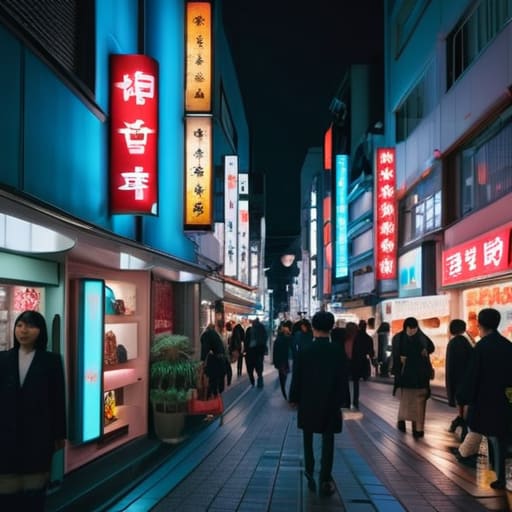
    I was sitting in a cramped corner of a Shinjuku station cafe last Tuesday, watching a group of wide-eyed travelers fumble with their maps, looking utterly defeated by the sheer scale of the city. They were chasing the neon-lit fever dreams of Ginza or the chaotic frenzy of Shibuya, convinced that the “best” of the tokyo shopping districts lived exclusively under the brightest lights. But as someone who spent decades untangling the complexities of global logistics, I see the city differently. To me, the most meaningful commerce doesn’t happen in the polished, overpriced showrooms that treat customers like statistics; it happens in the unplanned intersections where local utility meets quiet tradition.

    I have no interest in writing a brochure that sells you a fantasy. Instead, I want to show you how to navigate this megalopolis with a sense of purpose and a steady eye. My goal is to guide you through the functional beauty of the city, moving past the tourist traps to find the neighborhoods where the true rhythm of Tokyo resides. We aren’t just going to look at shops; we are going to understand the transit lines and the narrow backstreets that define them.

    Table of Contents

    The Shibuya Shopping Experience Where Crowds Meet Chaos

    The Shibuya Shopping Experience Where Crowds Meet Chaos

    Shibuya is a study in kinetic energy, a place where the logistics of human movement are tested to their absolute limit. Standing at the edge of the Scramble Crossing, I find myself less interested in the flashing billboards and more fascinated by the sheer, synchronized chaos of the crowd. It is a massive, breathing organism. For those looking for the Shibuya shopping experience, the sheer density can be overwhelming, but there is a certain structural elegance to how the commerce flows around these central transit arteries.

    The district functions as a vertical labyrinth. You don’t just walk through Shibuya; you ascend through it. One moment you are navigating a crowded sidewalk, and the next, you are tucked away in a multi-story building where the noise of the street suddenly drops away. I often find myself retreating to the upper floors of these department stores just to sketch the way the light hits the stairwells. It’s a reminder that even amidst the frenzy, there are pockets of stillness if you know which stairwell to take.

    Navigating the Akihabara Tech and Anime Hub via Rail.

    To reach Akihabara, one must first master the Yamanote Line. There is a certain mechanical satisfaction in watching the trains glide into the station, a precision that mirrors the frantic energy waiting just outside the gates. As I stepped onto the platform, I felt the immediate shift in atmosphere; if Shibuya is a tidal wave, then the Akihabara tech and anime hub is a complex, multi-layered circuit board. It is a place of dense electricity and concentrated niche interests, where the logic of the city seems to reorganize itself around the glow of LED screens and the stacked shelves of hobby shops.

    Navigating the district requires more than just a map; it requires a willingness to get lost in the verticality of it all. Unlike the wide, sweeping boulevards of luxury shopping in Ginza, Akihabara demands that you look upward and inward. I found myself tracing the narrow corridors of multi-story buildings, each floor a distinct ecosystem of vintage components and specialized media. It is a logistical puzzle of narrow stairwells and crowded aisles, yet there is a profound, quiet order to how these specialized markets serve their dedicated patrons.

    Logistics for the Discerning Shopper: A Few Rules of the Road

    • Master the art of the “Station Exit.” In districts like Shinjuku or Ginza, the wrong exit can add twenty minutes of unnecessary walking to your journey. Always check the map before you step off the train; the distance between exits is often greater than the distance between the stations themselves.
    • Respect the rhythm of the department store. If you are looking for a contemplative experience, avoid the midday rush. I find that the hour just after opening, when the staff are resetting and the aisles are wide and silent, allows you to actually observe the craftsmanship of the goods on display.
    • Carry a lightweight, foldable tote. Tokyo’s retail landscape is moving steadily toward sustainability, and many shops have moved away from providing free bags. A sturdy, compact bag in your pocket saves you from the logistical headache of carrying multiple plastic carriers through crowded subway transfers.
    • Use the “Depachika” for practical sustenance. If you are navigating a long day of exploring districts, head to the basement levels of major department stores. These food halls are marvels of logistical efficiency and offer high-quality, ready-to-eat meals that are far superior to the typical tourist fare.
    • Look upward and downward, not just straight ahead. The most interesting specialty shops—the ones selling vintage film, hand-pressed stationery, or niche ceramics—rarely occupy the prime street-level real estate. They are often tucked into the second or third floors of unassuming buildings, or tucked into the narrow slivers of space between larger storefronts.

    Lessons from the Urban Grid

    Don’t mistake density for depth; the most meaningful finds often lie two blocks away from the primary transit exits where the crowds thin out.

    Master the rail maps before you attempt to shop; understanding the flow of the Yamanote Line is more important than any guidebook’s list of boutiques.

    Look for the functional quiet—the best shopping experiences occur when you find a rhythm between the frantic energy of a major hub and the stillness of a side street.

    The Geometry of Commerce

    “Most people see a shopping district as a mere collection of storefronts, but if you watch the way the crowds flow through the narrow arteries of Ginza or Shimokitazawa, you realize it is actually a living, breathing organism—one that functions best when you stop looking at the neon and start observing the rhythm of the movement.”

    Rurik Salonen

    The Rhythm of the City

    Tokyo's bustling streets: The Rhythm of the City.

    As I sit here in a quiet corner of a Shinjuku station cafe, looking over my sketches, the sheer scale of Tokyo’s commercial landscape begins to make sense. We have traced the frantic, high-energy currents of Shibuya and the neon-lit, specialized corridors of Akihabara, but these are merely the major arteries of a much larger organism. To truly understand Tokyo’s shopping districts, one must recognize that they are not just places of transaction, but complex logistical ecosystems that rely on the seamless movement of millions. Whether you are navigating a high-end department store in Ginza or a cramped electronics stall, you are participating in a carefully choreographed dance of urban efficiency and consumer desire.

    My advice to those arriving in this sprawling metropolis is simple: do not let the sensory overload paralyze you. Instead, use the transit lines as your guide and allow yourself to drift away from the primary hubs. The most profound discoveries rarely happen under the glare of the largest billboards; they happen when you take a wrong turn and find a small, family-run shop tucked between two skyscrapers. Look for the quiet functional beauty in the way a street narrows or how a local market breathes. Tokyo is not a checklist of destinations; it is a living, breathing puzzle waiting to be solved, one station at a time.

    Frequently Asked Questions

    If I want to avoid the heavy tourist crowds found in Shibuya, which districts offer a more manageable pace for browsing?

    If you want to escape the Shibuya crush, head toward Shimokitazawa or Yanaka. Shimokitazawa offers a much more human scale; its labyrinthine streets and vintage shops feel organic rather than manufactured. For something entirely different, Yanaka provides a glimpse into “shitamachi” old Tokyo. It’s quieter, slower, and far more conducive to actually observing the neighborhood’s rhythm. Both allow you to browse without the constant, exhausting friction of a massive crowd.

    How do the different transit lines connect the major shopping hubs, and is it efficient to visit multiple districts in a single day?

    The Yamanote Line is your lifeline; that loop connects the major hubs like Shibuya and Akihabara with remarkable predictability. If you’re moving between the Ginza line and the Marunouchi, you’ll find the transfers seamless, provided you respect the station’s logic. Is it efficient to hit multiple districts? Yes, if you treat it like a supply chain. Plan your route around the rail arteries to avoid backtracking, and you can navigate the city’s commerce without losing your composure.

    Beyond the large department stores, where can I find specialized, smaller shops that reflect the more authentic, local side of Tokyo's commerce?

    If you want to escape the polished veneer of Ginza, head toward Yanaka or the backstreets of Shimokitazawa. In Yanaka, the commerce moves at a human pace; you’ll find old-world tea merchants and paper artisans who have occupied the same storefronts for decades. Shimokitazawa offers a different texture—a labyrinth of independent vintage shops and small-scale bookstores. These aren’t just retail spaces; they are the steady, rhythmic heartbeats of neighborhoods that refuse to be rushed.

  • The Presence of Ikebana in Urban Life

    The Presence of Ikebana in Urban Life

    I was standing in the middle of Shinjuku Station last Tuesday, my Leica heavy around my neck and my notebook tucked under my arm, when I saw it. Amidst the rhythmic, mechanical chaos of thousands of commuters, a small, glass vase sat on a concrete ledge, holding nothing but a single, defiant sprig of cherry blossom. Most people see the city as a series of steel veins and concrete arteries, a place where nature is an afterthought or a nuisance to be paved over. But I’ve learned that the true art of ikebana in cities isn’t found in expensive, high-end galleries; it is found in the intentional placement of life within the cracks of the urban sprawl.

    I am not here to sell you on the idea of expensive floral workshops or the pursuit of perfect, expensive arrangements. My goal is to show you how to recognize—and perhaps even create—those small, functional moments of stillness that allow a metropolitan area to breathe. I will share my observations on how we can integrate the principles of minimalist floral design into our cramped apartments and crowded commutes, focusing on the quiet, structural beauty that exists when you stop rushing and start actually looking.

    Table of Contents

    Japanese Flower Arrangement Techniques for the Urban Soul

    Japanese Flower Arrangement Techniques for the Urban Soul.

    When I sit down with my notebook in a cramped Shinjuku cafe, I often think about how these ancient methods translate to the geometry of a modern living room. Unlike Western arrangements that prioritize abundance, japanese flower arrangement techniques rely on the tension between what is present and what is absent. In a tiny apartment, you don’t need a massive bouquet to shift the energy of a room; you need a single, deliberate line. I’ve found that focusing on the ma—the empty space—is what truly allows a person to breathe amidst the urban density.

    For those of us living in high-rise boxes, mastering minimalist floral design for apartments isn’t about decoration; it’s about structural integrity. I prefer the Moribana style for its ability to work within shallow containers, making it ideal for a narrow windowsill or a desk cluttered with logistics reports. By selecting a single branch that follows a natural, weathered curve, you aren’t just placing an object; you are bringing nature into urban spaces in a way that respects the scale of your surroundings. It is a quiet, disciplined way to reclaim your environment.

    Bringing Nature Into Urban Spaces Through Intentional Stems

    Bringing Nature Into Urban Spaces Through Intentional Stems

    In my years managing logistics, I learned that efficiency doesn’t have to mean sterility. The same applies to a living space. When I’m working with minimalist floral design for apartments, I’ve found that the secret isn’t in the volume of greenery, but in the deliberate choice of a single, striking stem. You don’t need a sprawling garden to feel connected to the seasons; a solitary, weathered branch from a local park or a single camellia can act as an anchor, pulling the chaotic energy of the street away from your doorstep and into a controlled, peaceful center.

    I often find myself sketching these compositions in my notebook after visiting small galleries in Shimokitazawa. The goal isn’t to fill a vase, but to create a dialogue between the object and the void around it. This method of bringing nature into urban spaces requires a certain discipline—a willingness to let the negative space do the heavy lifting. By focusing on the line of a stem rather than the mass of a bouquet, you transform a cramped corner into a site of quiet contemplation, making the concrete jungle feel a little less imposing.

    Five Practical Strategies for Cultivating Stillness in a Concrete Landscape

    • Prioritize negative space over abundance. In a cramped apartment or a cluttered office, a massive bouquet feels like more noise; instead, choose a single, sculptural branch that allows the surrounding air to breathe.
    • Source your materials from the edges of the city. Don’t just rely on the polished florist shops in Ginza; look for the small, seasonal offerings at neighborhood markets where the stems still carry the scent of the morning’s dew.
    • Match your vessel to your architecture. If you are living in a modern high-rise with sharp lines and glass, use a ceramic piece with a heavy, grounding texture to provide a necessary tactile counterpoint to the sterile environment.
    • Observe the light as it moves through your window. A successful arrangement isn’t static; it changes as the sun dips behind the skyscrapers, and you should position your piece to capture those shifting, fleeting shadows.
    • Use the ritual as a logistical reset. Treat the act of trimming a stem and placing it in water not as a chore, but as a scheduled moment of decompression—a way to transition from the frantic pace of the subway back into your own headspace.

    The Logistics of Stillness: Final Reflections

    Ikebana is not about decoration; it is a tool for recalibrating your internal rhythm against the frantic pace of the city.

    You don’t need a sprawling garden to find nature; a single, well-placed stem in a small apartment can act as a structural anchor for your mental space.

    True urban observation requires looking past the steel and glass to find the intentional, organic details that keep a metropolis breathing.

    The Geometry of Silence

    “In a city that never stops moving, a single stem placed with intention acts like a structural anchor; it doesn’t just decorate a room, it recalibrates the very rhythm of the space around it.”

    Rurik Salonen

    The Quiet Geometry of Living

    The Quiet Geometry of Living in Ikebana.

    As I sit here in a small cafe near Shinjuku station, sketching the flow of the crowds, I am reminded that ikebana is more than just a decorative hobby; it is a logistical exercise in intentionality. We have discussed how the principles of space, the selection of single, meaningful stems, and the mastery of negative space allow us to reclaim our environment. By bringing these techniques into our apartments and offices, we aren’t just adding greenery; we are creating a deliberate pause in the relentless machinery of the metropolis. We learn to see the structure within the chaos, much like finding the rhythm in a crowded subway interchange.

    Ultimately, finding beauty in a concrete jungle requires us to change our lens. Whether it is a single camellia in a ceramic vase on your desk or a wild branch caught in the wind between skyscrapers, these moments of natural geometry serve as an anchor. Do not wait for a sprawling garden to find your peace. Instead, look for the singular, perfect line that cuts through the noise of your daily commute. In the end, the city doesn’t have to be overwhelming; it just needs you to notice the quiet breath hidden in the details.

    Frequently Asked Questions

    How can I maintain the delicate balance of an ikebana arrangement when living in a small, high-rise apartment with limited natural light?

    In a high-rise, light is your most precious commodity. I’ve found that placing arrangements near a window—even a north-facing one—is essential, but avoid the direct afternoon glare that wilts a stem in hours. If your apartment feels dim, use a small, dedicated LED lamp to mimic soft daylight. Most importantly, keep your water fresh; in small spaces, the lack of airflow can make stagnant water a silent killer for your blooms.

    Are there specific seasonal flowers that are easier to source in a dense urban center like Tokyo if I don't have access to a traditional garden?

    In a concrete labyrinth like Tokyo, you don’t need a garden; you just need to know which seasonal rhythms the local florists follow. During spring, look for the understated elegance of cherry blossoms or even simple plum branches. In autumn, the fiery hues of maple leaves are readily available. I find that even a single, seasonal stem from a neighborhood flower shop captures the city’s fleeting pulse far better than any imported arrangement.

    How do I find the time to practice the slow, intentional movements of ikebana when my daily schedule is dictated by the frantic pace of the city?

    You don’t find the time; you carve it out of the friction. In my years in logistics, I learned that efficiency isn’t about speed, but about rhythm. Don’t wait for a quiet afternoon that may never come. Instead, treat a single stem on your desk as a scheduled stop in your day. Even five minutes of focused arrangement between tasks acts as a necessary recalibration, turning a frantic transit period into a moment of stillness.