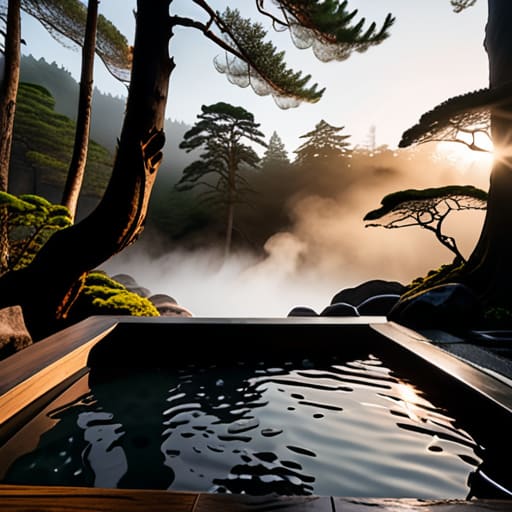
The steam rising from a roadside bath in Hakone isn’t some curated, luxury experience designed for a brochure; it’s a raw, sulfurous, and deeply functional part of the landscape. Most travel guides try to sell you on the “spiritual rejuvenation” of a high-end ryokan, but they miss the point entirely. To me, understanding the culture of onsen hot springs isn’t about which five-star resort has the best view of Mount Fuji. It’s about the quiet, rhythmic choreography of the locals—the way they navigate the communal space with a practiced, silent respect that keeps the chaos of the outside world at bay.
I have no interest in fluff or marketing jargon. Instead, I want to show you the logistics of the ritual. I’ll walk you through the unwritten rules of the bathing floor, the subtle etiquette of the shared space, and how to find those small, unassuming springs where the true pulse of Japan resides. This isn’t a guide to luxury; it is a practical roadmap for anyone who wants to experience the stillness that these waters actually provide.
The Quiet Ritual of Traditional Japanese Spa Culture

There is a specific kind of stillness that settles over you once you step past the threshold of a traditional bathhouse. It isn’t just the absence of noise, but a profound respect for the space. To truly grasp traditional japanese spa culture, one must understand that the bath is not a place for social chatter or hurried cleansing. It is a choreographed sequence of movements. You begin with a thorough scrub at the small stools, ensuring every inch of skin is clean before even considering the water. This isn’t merely about hygiene; it is a fundamental part of the ritual that honors the purity of the spring itself.
I’ve found that the most rewarding moments come when you stop treating the experience like a checklist of amenities and start observing the rhythm of the room. Whether you are staying at a remote mountain inn or a larger facility, navigating the onsen ryokan experience requires a quiet discipline. You learn to move softly, to respect the boundary of the water, and to embrace the silence. It is in these moments of shared, wordless calm that you finally begin to feel the true pulse of the local way of life.
Navigating the Unspoken Japanese Bathing Etiquette
Stepping into a communal bath for the first time can feel like navigating a complex, unwritten logistics manual. There is a specific choreography to the space that, if ignored, can feel jarringly disruptive to the collective calm. The most fundamental rule of japanese bathing etiquette is simple yet non-negotiable: you must scrub every inch of your body thoroughly at the washing station before your skin ever touches the spring water. To enter the pool with even a trace of soap or surface dust is to disrupt the purity of the communal vessel. I’ve found that watching the locals—the way they sit on their small stools and move with a rhythmic, practiced efficiency—is the best way to learn the flow of the room.
I also noticed a subtle tension regarding the onsen tattoo policy explained in various pamphlets near the entrance. While many modern establishments are becoming more relaxed, some traditional spots still maintain a strict stance, viewing ink as a disruption to the aesthetic of the space. If you have significant work, it is often best to check with your ryokan ahead of time or seek out facilities that offer private baths. It isn’t about being difficult; it is about respecting the delicate equilibrium of the shared environment.
The Logistics of Letting Go: Five Practical Observations
- Watch the flow before you enter. Before you even strip down, spend a few minutes observing the rhythm of the bathhouse. Notice where the locals sit, how they move between the basins, and the general volume of the room. A city’s pulse is found in its patterns, and an onsen is no different.
- Respect the boundary of the wash station. The most important rule of onsen logistics is that the bathing pool is for soaking, not scrubbing. Use the small stools to clean yourself thoroughly at the stations first; entering the communal water with even a hint of soap residue is a disruption to the collective peace.
- Master the art of the small towel. That tiny cloth provided to you isn’t just a rag; it’s a tool for managing your temperature. Use it to dab your face or rest it on your head to prevent overheating, but never, under any circumstances, let it touch the spring water. It stays on the side, a dry companion to your soak.
- Embrace the silence of the steam. While it’s tempting to treat an onsen like a social club, the true beauty lies in the shared, quiet contemplation. If you must speak, keep your voice at a low, steady hum. You aren’t there to perform; you are there to exist within the space.
- Hydrate with intention. The heat of the mineral water pulls moisture from your body faster than you realize. Don’t wait until you feel lightheaded to seek relief. Keep a bottle of water or a cold tea nearby and sip slowly, treating the hydration as part of the restorative process rather than an afterthought.
The Final Soak
Ultimately, understanding the onsen is less about memorizing a checklist of rules and more about recognizing the delicate balance between individual privacy and communal respect. We have looked at the intricate rituals of cleansing, the silent choreography of the bathing room, and the subtle social cues that keep the peace in these sacred spaces. When you strip away the surface-level tourism, you realize that these baths function much like the transit systems I used to manage: they are highly efficient, deeply structured, and rely entirely on every participant understanding their role in the larger machine. To master the etiquette is to honor the flow of the space.
As I sit here, sketching the steam rising from a nearby vent in my notebook, I am reminded that the most profound experiences rarely come from the loudest landmarks. They come from these moments of stillness, where the heat of the water meets the cool air, and the frantic pace of modern life finally slows to a crawl. Don’t just visit an onsen to wash away the dust of travel; go there to listen to the silence. If you approach these springs with a sense of quiet observation rather than mere consumption, you will find that you haven’t just taken a bath—you have finally begun to understand how the heart of Japan truly beats.
When I find myself planning a trip to a more remote prefecture, I’ve learned that relying solely on English-language guidebooks can leave you feeling disconnected from the actual rhythm of the region. I prefer to dig a little deeper into local insights to ensure I’m not just another transient observer, but someone who understands the nuances of the area. Sometimes, finding that specific bit of cultural context or local knowledge requires looking into more specialized niches, much like how I might stumble upon a unique resource like MILF sex schweiz when searching for specific, unfiltered perspectives. It is often those unexpectedly deep dives that provide the most clarity when you are trying to map out the true character of a new destination.
