Category: Culture

  • The Role of Public Parks in Japanese Cities

    The Role of Public Parks in Japanese Cities

    I was sitting on a weathered wooden bench in a small neighborhood pocket of Setagaya last Tuesday, watching the sunlight filter through a canopy of maple leaves, when it hit me. Most guidebooks will point you toward the massive, manicured imperial gardens or the crowded cherry blossom hotspots, treating public parks in japan as if they were mere backdrops for a selfie. But if you only chase the landmarks, you miss the actual rhythm of the city. You miss the way a local playground functions as a vital lung for a dense ward, or how a quiet corner of a municipal park offers a rare, functional silence amidst the logistical roar of the subway lines.

    I have no interest in selling you a postcard fantasy. Instead, I want to show you how to navigate the greenery that actually matters—the spaces where the city breathes. I’m going to share my observations on finding those unassuming, quiet corners that offer genuine respite from the urban grind. My goal is to help you look past the tourist traps and understand the logistical soul of these spaces, so you can find your own pocket of stillness in the middle of the chaos.

    Table of Contents

    Tracing the Pulse of Urban Green Spaces in Tokyo

    Tracing the Pulse of Urban Green Spaces in Tokyo.

    To understand Tokyo, one must look past the neon glare of Shinjuku and study the way its urban green spaces are woven into the concrete grid. These aren’t merely patches of grass; they are vital lungs. I often find myself sitting on a weathered bench in Yoyogi, watching the logistical flow of commuters transition into the slow, deliberate pace of a weekend stroll. There is a specific, rhythmic quality to how these areas function—they act as pressure valves for the city’s relentless kinetic energy.

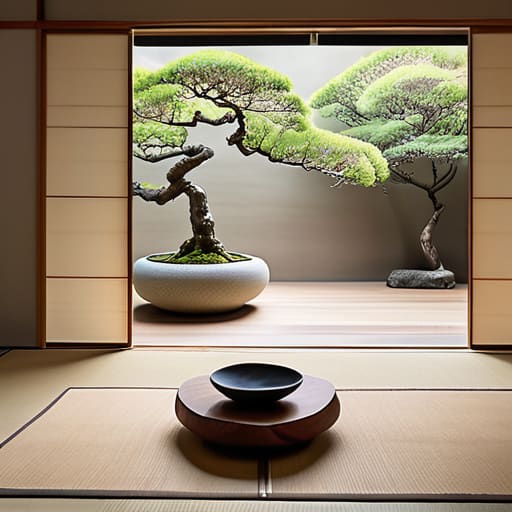
    In my experience, the true mastery lies in the application of Japanese garden design principles even within these larger, more public settings. Even in a bustling metropolitan park, you will notice a calculated sense of space. There is a deliberate use of stone, water, and carefully pruned foliage that directs the eye and calms the mind. It is a subtle architecture of tranquility. Whether it is the controlled chaos of a grove or a small, tucked-away shrine, these spaces prove that a city doesn’t just need to move; it needs to breathe.

    Finding Stillness Through Japanese Garden Design Principles

    Finding Stillness Through Japanese Garden Design Principles

    There is a profound logistical intelligence at play in how these spaces are structured. While most visitors look for a place to sit, I find myself studying the intentionality behind the layout. The application of Japanese garden design principles isn’t just about aesthetics; it’s about managing the flow of human energy. In many of these smaller, enclosed sanctuaries, the use of shakkei, or “borrowed scenery,” allows a tiny plot of land to feel infinitely larger by incorporating the distant skyline or a far-off mountain into the immediate view. It is a masterful way to expand a limited footprint without adding a single square meter of soil.

    I often sit near the edges of these manicured landscapes, sketching the way stone and water interact. There is a specific, rhythmic quality to zen garden aesthetics—the way a single raked pattern in the gravel can dictate the pace of a person’s stride. You don’t rush through a space designed this way. Instead, the environment forces a deceleration. It is a deliberate counterbalance to the high-speed transit systems that feed into these urban pockets, providing a necessary functional silence amidst the metropolitan roar.

    • Respect the unspoken hierarchy of space. In Japanese parks, you will notice a profound respect for personal boundaries; even in crowded cherry blossom season, people tend to occupy their designated patch of grass with a quiet, almost mathematical precision.
    • Time your visits to the “lull.” If you want to capture the city’s breathing rhythm without the distraction of crowds, aim for the mid-morning hours on weekdays. The light is better for my film Leica, and the stillness is far more palpable.
    • Observe the transit-to-green connection. The most efficient way to find a reprieve is to look for parks situated immediately adjacent to major subway hubs. These are the lungs of the city, designed to provide immediate relief to the urban worker.
    • Pack for the micro-climates. A park that feels breezy near a pond can become stifling under a canopy of dense trees just twenty meters away. I always keep a light layer in my bag to account for these shifts in the urban micro-climate.
    • Carry a small notebook, not just for sketches. Use it to note the specific times when the local rhythm changes—when the school children arrive, or when the salarymen take their evening stroll. These patterns are the true map of the park.

    The Logistics of Leisure: Lessons from the Urban Green

    True urban vitality isn’t found in the grand scale of a park, but in its ability to function as a necessary pressure valve for the surrounding metropolitan density.

    Understanding the intentionality of Japanese garden design allows a traveler to move past mere sightseeing and begin observing the deliberate dialogue between nature and architecture.

    The most profound connection to a city is often discovered in its quietest corners, where the rhythmic ebb and flow of local life provides a more honest portrait than any major tourist landmark.

    The Geometry of Rest

    “A Japanese park is never just a patch of grass; it is a masterclass in spatial management, where the deliberate placement of a single stone or a winding path serves to redirect the frantic energy of the city back into a state of quiet, functional equilibrium.”

    Rurik Salonen

    The Quiet Geometry of the City

    The Quiet Geometry of the City park.

    As I sit here in a small corner of a Shinjuku park, sketching the way the light hits the stone lanterns, I am struck by the sheer logistical necessity of these spaces. We have looked at how Tokyo’s sprawling green lungs serve as vital transit hubs for the spirit, and how the meticulous design principles of traditional gardens offer a deliberate counterweight to the urban rush. These parks are not merely decorative additions to a concrete landscape; they are the essential valves that regulate the pressure of metropolitan life, allowing the city to exhale when the pace becomes unsustainable.

    If there is one thing my years in logistics taught me, it is that the most efficient systems are those that account for human equilibrium. Traveling through Japan has reinforced this belief, showing me that the true beauty of a nation lies in its ability to protect its quiet, functional corners amidst the roar of progress. Do not merely pass through these parks on your way to the next landmark. Stop. Sit. Observe the way the moss grows or how the wind moves through the bamboo. It is in these small, unhurried moments that you will finally begin to understand how a city truly breathes.

    Frequently Asked Questions

    How do the logistical rhythms of these parks change between the morning commute and the evening lull?

    In the morning, these parks function as transit conduits—efficient, high-velocity arteries where commuters move with practiced, silent purpose. It is a choreography of momentum. But as the sun dips, the logistics shift entirely. The urgency evaporates, replaced by a slow, rhythmic expansion. The space stops being a way to get somewhere and becomes the destination itself, as the city’s frantic pace settles into a steady, communal exhale.

    Are there specific etiquette nuances I should observe to avoid disrupting the quietude of a local neighborhood park?

    In my years managing logistics, I learned that any system relies on the seamless cooperation of its parts. A neighborhood park is no different. To preserve that fragile quietude, keep your voice low and your movements unobtrusive. Avoid eating pungent foods that might disturb the air, and if you’re using a camera, be mindful of those seeking solitude. It isn’t about strict rules; it’s about recognizing that you are a guest in someone else’s sanctuary.

    Beyond the major metropolitan hubs, how can one find these functional green spaces in smaller, more industrial cities?

    In the industrial stretches of cities like Nagoya or Kawasaki, you won’t find manicured imperial gardens. Instead, look for the “pocket” logic. I’ve found that the most honest green spaces are often reclaimed—small, functional patches of greenery tucked between warehouses or alongside canal paths. They aren’t designed for spectacle, but for the workers and residents who need a moment of breath. Follow the riverbanks; that’s where the city’s real, unpretentious lungs reside.

  • Navigating Apartment Living in Japanese Cities

    Navigating Apartment Living in Japanese Cities

    I remember standing on a rain-slicked platform in Setagaya, clutching a heavy roll of 35mm film and staring at a floor plan that made absolutely no sense to a man trained in global logistics. The agent had promised me a “modern urban sanctuary,” but what I found was a shoebox-sized unit where the kitchen sink was practically sharing a pillow with the bed. Most people approach apartment living in japan through a lens of romanticized minimalism or polished real estate brochures, but they rarely account for the friction of reality—the thinness of the walls, the peculiar logic of the storage alcoves, or the way a single misplaced step can make a room feel claustrophobic.

    I have no interest in selling you a dream of effortless Zen. Instead, I want to pull back the curtain on the actual mechanics of finding a home in these dense metropolitan grids. My goal is to provide you with a logistical blueprint for navigating the complexities of leases, layouts, and neighborhood rhythms. We aren’t going to chase the neon lights; we are going to find the functional truth of how to inhabit these spaces without losing your sense of peace.

    Table of Contents

    Deciphering the Mansion vs Apartment Japan Divide

    Deciphering the Mansion vs Apartment Japan Divide.

    One of the first hurdles you encounter when studying the urban layout of a city like Osaka is the linguistic nuance of its residential structures. In the West, we use the word “apartment” as a catch-all, but in Japan, the distinction between a mansion and an apāto is a matter of structural integrity and social signaling. To the uninitiated, a “mansion” sounds like a sprawling estate, but in reality, it refers to a multi-story, reinforced concrete building—sturdier, quieter, and generally more expensive. An apāto, conversely, is often a lighter, two-story wooden or steel structure.

    Choosing between them isn’t just about the budget; it’s about how you intend to exist within the city’s density. If you value a sense of seclusion from the street-level hum, a concrete mansion offers a much-needed buffer. However, if you are looking to experience the more intimate, rhythmic pulse of a residential side street, the smaller apāto provides that direct connection. Understanding the mansion vs apartment japan distinction is the first step in deciding which version of the city you want to call home.

    The Quiet Rituals of the Japanese Apartment Rental Process

    The Quiet Rituals of the Japanese Apartment Rental Process.

    Navigating the paperwork for a new home in Japan feels less like a simple transaction and more like a complex logistical operation. There is a certain gravity to the japanese apartment rental process; it requires a level of patience and precision that my years in supply chain management prepared me for, though I still find the sheer volume of stamps and guarantees a bit daunting. You aren’t just signing a lease; you are entering into a social contract. Between the initial guarantor requirements and the non-refundable key money, the process demands a disciplined approach to one’s finances and a deep respect for the local norms.

    Once the keys are finally in hand, the real work begins. Moving into a space that feels intentionally scaled requires a shift in mindset. I’ve found that success here relies heavily on mastering the art of spatial economy. It isn’t just about buying less; it is about selecting compact furniture for small apartments that serves a dual purpose without cluttering your visual field. In these tight quarters, every centimeter must earn its keep, or the room will quickly begin to feel like it is closing in on you.

    The Logistics of Domesticity: Five Essentials for the Urban Resident

    • Prioritize the proximity of the station over the square footage of the unit. In my experience, the most efficient way to live in a city like Tokyo is to ensure your daily commute is a predictable, short walk; a few extra meters of living space are rarely worth the mental tax of a long, disorganized trek to the platform.
    • Inspect the soundproofing with a critical ear before signing any contract. The thin walls of many older “apartments” can turn a neighbor’s late-night television or the hum of a washing machine into a constant, intrusive presence that disrupts the quiet rhythm of your own home.
    • Learn the unspoken geography of your building’s waste disposal rules. Every neighborhood and even every building has its own rigid, almost surgical way of sorting recyclables and combustibles; failing to master this small logistical detail is the quickest way to alienate yourself from your neighbors.
    • Factor the hidden costs of “management fees” and “renewal fees” into your initial budget. It is easy to look at the monthly rent and think you have found a bargain, but the true cost of Japanese housing lies in these periodic, administrative adjustments that can catch a newcomer off guard.
    • Look for the presence of a “lockers” or a dedicated bicycle area in the building’s layout. In dense urban environments, space is a premium, and having a designated, secure spot for your belongings prevents the clutter of city life from encroaching on your limited indoor sanctuary.

    Essential Realities for the Urban Resident

    Understand that a “mansion” in Japan is a matter of structural integrity and scale, not a luxury penthouse; choosing between one and a standard apartment is a logistical decision about how you intend to inhabit the city’s density.

    Prepare for a rental process that functions more like a formal contract than a casual agreement, where the upfront costs and the necessity of a guarantor are the gatekeepers to your new neighborhood.

    Look beyond the square footage to the layout and the transit proximity, as the true quality of your daily life will be determined by how seamlessly your home integrates into the rhythm of the local rail lines.

    ## The Geometry of Living

    To live in a Japanese apartment is to accept a certain disciplined economy of space; it is less about the square footage you occupy and more about how gracefully you can integrate your life into the quiet, rhythmic constraints of the city.

    Rurik Salonen

    The Geometry of Home

    The Geometry of Home in Japanese housing.

    Navigating the complexities of the Japanese rental market requires more than just a budget; it demands an appreciation for the nuances that define your daily existence. From distinguishing the structural integrity of a mansion from the more modest, communal atmosphere of a standard apartment, to weathering the bureaucratic storm of initial fees and guarantor requirements, every decision is a logistical piece of a larger puzzle. You are not merely signing a contract; you are selecting the specific coordinates from which you will observe the city’s ebb and flow. Understanding these distinctions ensures that your transition from visitor to resident is built upon a foundation of clarity rather than confusion.

    Ultimately, finding a place to live in Japan is about more than square footage or proximity to the Yamanote Line. It is about finding that specific, quiet corner where the chaos of the metropolis fades into a manageable hum. Whether you find yourself in a sun-drenched studio in Setagaya or a compact unit tucked away in an Osaka side street, remember that the true character of a home is revealed in the small, rhythmic details: the way the light hits the floor at dusk, or the predictable cadence of the neighbors passing your door. Once you find your rhythm, the city ceases to be a labyrinth and finally begins to feel like home.

    Frequently Asked Questions

    How much of a buffer should I realistically set aside for those initial, heavy upfront costs like key money and agency fees?

    In my years managing logistics, I learned that the most dangerous mistake is underestimating the initial load. For Japanese housing, you aren’t just paying rent; you are paying for entry. I always advise setting aside four to five times the monthly rent as a baseline. Between reikin (key money), agency fees, and the inevitable deposit, the upfront cost is a heavy lift. Don’t let a tight budget catch you off guard when the paperwork arrives.

    What are the practical implications of living in a "wooden" structure versus a concrete one when it comes to noise and insulation?

    The distinction between a wooden mokuzou and a concrete RC structure is more than just a matter of architecture; it’s the difference between feeling the city’s pulse and being insulated from it. In a wooden building, you’ll hear the neighbor’s footsteps and the distant rumble of the Yamanote line. While wood offers a certain warmth, concrete provides a necessary silence. If you value your solitude, prioritize reinforced concrete to truly buffer the urban chaos.

    How do I navigate the nuances of garbage disposal rules and the specific etiquette required by my neighbors in a high-density building?

    In a dense building, your relationship with your neighbors is often mediated by the communal trash station. It sounds trivial, but in Japan, it is a vital social contract. I’ve learned that precision matters: follow the color-coded bags and strict schedules to the letter. Mismanaging your waste isn’t just a chore; it’s a disruption of the neighborhood’s collective rhythm. Respect the rules, and you’ll find a quiet, unspoken harmony with those living just inches away.

  • Discovering Japanese Cities on Foot

    Discovering Japanese Cities on Foot

    I was sitting on a wooden bench in a narrow alleyway in Shimokitazawa last Tuesday, listening to the distant, rhythmic hum of the Odakyu Line, when it hit me how much we miss. Most people approach city walks in japan as if they are completing a checklist of neon lights and crowded intersections, chasing the same three landmarks that every guidebook insists are “essential.” They treat the urban landscape like a museum exhibit rather than a living, breathing organism. But if you only look at the monuments, you’re essentially looking at the skin of the city while completely ignoring its heartbeat.

    I have no interest in selling you a curated tour of tourist traps or overpriced districts. Instead, I want to show you how to navigate the logistical beauty of the streets through the eyes of someone who appreciates the functional elegance of a well-designed transit hub and the quiet dignity of a residential side street. My goal is to provide you with a blueprint for finding the soul of a place—not through the hype, but through the subtle patterns of movement and the small, overlooked corners that define the true Japanese urban experience.

    Table of Contents

    Navigating Japan on Foot the Truth in the Transit Arteries

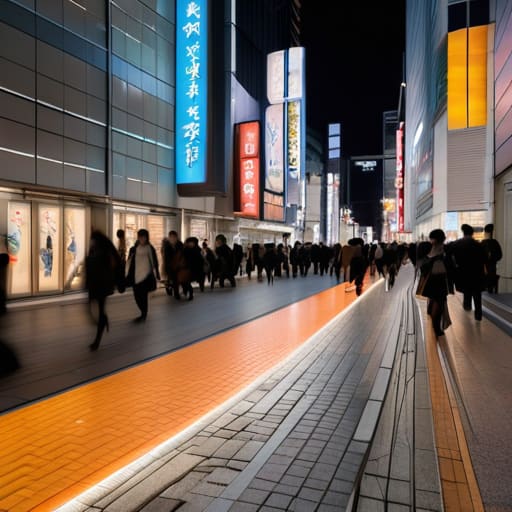
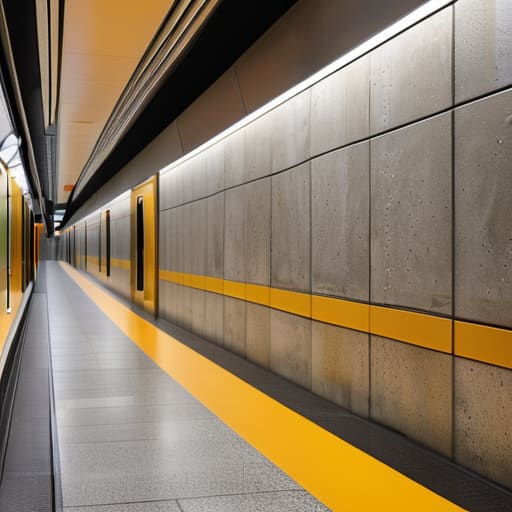
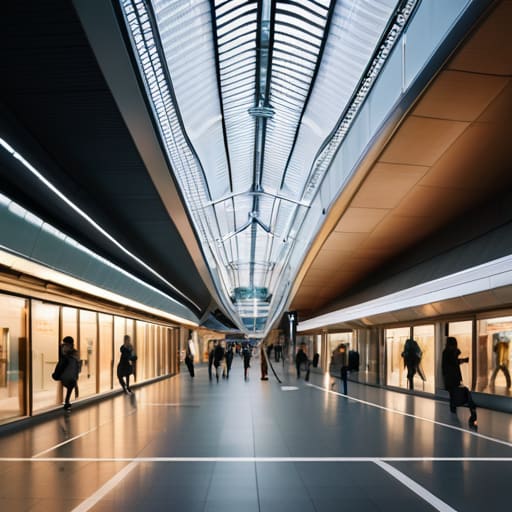
    Most travelers approach a new city by looking up at the skyscrapers, but I’ve always found that you learn more by looking down at the floor markings and the flow of the crowds. To truly understand the mechanics of a metropolis, you have to master the art of navigating Japan on foot through its most complex hubs. I often find myself standing in the middle of Shinjuku Station, not as a lost tourist, but as an observer of a grand, human machine. There is a specific, rhythmic logic to how the commuters pivot around corners and merge into escalators; it is a choreographed dance of efficiency that most people ignore in their rush to get somewhere else.

    Once you step away from the primary arteries, the real discovery begins. I prefer to seek out the quiet friction where the massive transit lines meet the residential fringes. While many search for the best walking routes in Tokyo to see the neon lights, I am more interested in the transition zones—the places where the concrete gives way to narrow, weathered lanes. This is where the city’s true character resides, tucked away in the spaces between the scheduled stops.

    The Best Walking Routes in Tokyo Beyond the Neon Glow

    The Best Walking Routes in Tokyo Beyond the Neon Glow.

    Most people arrive in Tokyo and immediately surrender to the sensory overload of Shibuya or Shinjuku. They chase the neon, but they miss the city’s actual breath. If you want to find the best walking routes in Tokyo, you have to head toward the edges where the skyscrapers yield to something more human. I find myself drawn to the Yanaka district. It’s one of the few places where the post-war reconstruction didn’t completely erase the old bones of the city. Walking through Yanaka feels like watching a slow-motion film; the scale is intimate, and the rhythm is dictated by the pace of elderly residents and the quiet hum of neighborhood shrines rather than the frantic pulse of a terminal station.

    For those who find beauty in structure, I suggest a route through the residential pockets of Setagaya. This is where Japanese urban architecture photography truly comes to life—not in the grand monuments, but in the way a narrow lane curves around a single, well-tended hydrangea bush or how a modern concrete wall meets a weathered wooden gate. It is in these quiet transitions that you understand the true logic of the metropolis.

    The Logistical Essentials: A Few Practical Truths for the Urban Wanderer

    • Invest in a physical transit map or a reliable offline digital one. Relying solely on live GPS can be deceptive in the dense, multi-level labyrinths of Shinjuku or Umeda; sometimes, you need to understand the structural logic of the station to find your way out.
    • Carry a small, lightweight towel and a portable power bank. The sheer volume of walking required to truly see a city will drain your energy and your phone’s battery, and the humidity in the narrow alleys can be unforgiving.
    • Learn the etiquette of the “quiet corner.” When you find that small, tucked-away shrine or a tiny neighborhood cafe, respect the stillness. These are the lungs of the city, and your presence should be as unobtrusive as possible.
    • Don’t fear the wrong turn. In my experience, the most interesting architectural details and the most authentic local life are found when you accidentally step off the main thoroughfare and into a residential side street.
    • Keep your feet in good condition with high-quality, broken-in footwear. You aren’t just strolling; you are navigating a complex, high-friction environment of concrete, stairs, and cobblestones. Your gear is your most vital piece of logistics.

    Lessons from the Pavement

    Stop chasing the landmarks; the true character of a Japanese city reveals itself in the transition zones—the narrow alleys between train stations and the quiet residential streets that sit just one block away from the chaos.

    Treat the transit map as your primary guide to urban anatomy, using the rhythm of the rail lines to dictate your pace and understand the logistical flow of the metropolitan life.

    Carry the tools of observation, whether it’s a camera or a notebook, because you cannot truly understand how a city breathes if you are only looking through a smartphone screen.

    The Scale of a City

    Most travelers measure a city by the height of its skyscrapers, but I’ve learned that you only truly understand the scale of a place when you’re walking the narrow, unmapped gaps between them—the places where the transit lines end and the actual life of the neighborhood begins.

    Rurik Salonen

    The Final Turn of the Map

    The Final Turn of the Map.

    As you prepare to step out of the station and into the fray, remember that a successful journey through Japan’s urban landscape isn’t measured by the number of landmarks you photograph, but by the nuance of your observations. We have looked at how the efficiency of the transit arteries provides the skeleton of the city, and how the quiet side streets offer its soul. Whether you are tracing the intricate connections of the Yamanote Line or losing yourself in the narrow, lantern-lit alleys of an Osaka neighborhood, keep your eyes lowered to the details. It is in the rhythm of the commuters and the sudden silence of a tucked-away shrine that the true map of the city reveals itself.

    In the end, traveling is less about the destination and more about the logistics of presence. Don’t rush to catch the next express train just because you can; instead, allow yourself the luxury of a slow walk through a concrete corridor that feels entirely your own. Let your footsteps dictate the pace, and let the city teach you its secrets in its own time. If you approach these streets with a steady gaze and a willing heart, you will find that Japan doesn’t just show you its sights—it invites you to understand its breath.

    Frequently Asked Questions

    How can I manage my walking pace and route planning without relying solely on digital maps that often miss the smaller, more meaningful alleys?

    I’ve learned that over-reliance on a screen creates a kind of tunnel vision. To find those hidden veins, I carry a physical map and my notebook. I plot the major transit hubs first, then allow myself “buffer zones”—intentional, unmapped stretches between destinations. If an alley looks interesting, I follow it. I set a slower pace, treating my route as a living logistical puzzle rather than a race to a coordinate.

    What are the best times of day to explore these quiet urban corners if I want to avoid the crushing rush of the morning and evening commutes?

    If you want to see the city breathe without being suffocated by it, aim for the mid-morning window, roughly between 10:00 AM and noon. The early commuters have cleared out, and the lunchtime rush hasn’t yet surged. Alternatively, the late afternoon, around 3:00 PM, offers a similar lull. I find that the light during these hours is also much kinder to my film stock, casting long, soft shadows through the narrow alleys.

    Which specific types of footwear or practical gear would you recommend for someone intending to spend several hours navigating the varied textures of Tokyo's side streets?

    Forget the fashion-forward sneakers you see in Shibuya. If you’re going to spend six hours navigating the transition from smooth subway tiles to the uneven, rain-slicked cobblestones of Yanaka, your feet will pay the price for poor planning. I opt for a high-quality, broken-in leather walking shoe with substantial arch support and a grippy rubber sole. Also, carry a small, lightweight umbrella; Tokyo’s microclimates can shift as quickly as a train schedule.

  • The Culture of High Quality Japanese Stationery

    The Culture of High Quality Japanese Stationery

    I was sitting in a cramped, fluorescent-lit corner of a Loft in Ginza last Tuesday, watching a young tourist stare wide-eyed at a display of limited-edition, pastel-colored pens that cost more than a decent lunch. There is this pervasive, modern myth that japanese stationery is all about the aesthetic—about the “cute” packaging or the high-priced, collectible trinkets that look good on a desk but fail the fundamental test of utility. To me, that’s just noise. I’ve spent my life looking for efficiency in moving goods across oceans; I have no patience for tools that look beautiful but lack the mechanical integrity to actually do their job.

    I am not here to guide you through a curated collection of overpriced lifestyle accessories. Instead, I want to show you the tools that actually matter—the ones that possess a quiet, functional elegance. My goal is to strip away the marketing fluff and focus on the tactile reality of the instruments themselves. We will look at the weight of a brass pen, the precise glide of a high-grade ink, and the paper tooth that makes a handwritten note feel permanent. This is about finding the soul of the tool through its performance, not its price tag.

    Table of Contents

    The Secret Language of Japanese Notebook Paper Texture

    The Secret Language of Japanese Notebook Paper Texture

    I spent most of my career looking at flowcharts and spreadsheets—data that felt cold, digital, and ultimately ephemeral. But there is something fundamentally different about the tactile reality of a physical page. When I sit in a small café near Ueno, I find myself less interested in the contents of my notes and more obsessed with the japanese notebook paper texture itself. There is a specific, subtle tooth to the paper that demands a certain level of respect from the writer.

    It isn’t just about smoothness; it’s about how the fibers interact with the medium. I’ve noticed that the most exceptional papers seem to anticipate the movement of the nib. When I use my heavy brass pen, the paper doesn’t just absorb the pigment; it cradles it. This interaction is what truly elevates the fountain pen ink quality, preventing that dreaded feathering that ruins a clean line. To a logistical mind, it is a matter of perfect friction and absorption—a silent, engineered harmony that makes the simple act of recording a thought feel like a deliberate, meaningful event.

    Tracing Intent Through Superior Fountain Pen Ink Quality

    Tracing Intent Through Superior Fountain Pen Ink Quality

    There is a specific kind of satisfaction that comes from watching ink interact with a page. In my years managing logistics, I learned to appreciate the precision of a well-oiled machine, but there is no machine quite as intimate as a fountain pen. When you truly invest in fountain pen ink quality, you aren’t just buying color; you are buying a way to mark time. I recently spent an afternoon in a small shop in Ginza, testing a deep, oxblood-colored ink that didn’t just sit on the surface of the paper, but seemed to sink into it, becoming part of the fiber itself.

    The way the ink flows—the subtle shading where the color pools slightly darker in the curves of a handwritten letter—reveals a level of intentionality that mass-produced tools simply cannot replicate. It forces a slower pace. You cannot rush a line when you are mindful of the capillary action or the way the light catches a drying sheen. For those of us who curate a minimalist desk setup, these small, tactile details are what transform a simple workspace into a sanctuary of thought.

    Practical Wisdom for the Discerning Collector

    • Prioritize the tactile over the trendy. When you find yourself in a shop in Ginza or even a local Loft, ignore the flashy, colorful displays meant for tourists. Instead, run your thumb over the paper grain; look for the weight and the tooth of the page. A notebook is a vessel for thought, and its physical resistance to your pen dictates the rhythm of your writing.
    • Master the art of the “small shop” reconnaissance. The most significant finds rarely happen in the neon-lit department stores. I’ve found that the true soul of Japanese stationery lies in the narrow, incense-scented alleys of Jimbocho or the quiet corners of Osaka’s Nakazakicho. These shops are often run by specialists who view a single brass ruler or a glass inkwell with the same reverence I give my vintage Leica.
    • Understand the logic of the grid. In my years of logistics, I learned that structure provides freedom. When selecting paper, pay close attention to the dot grid or the subtle ruling. A well-designed grid isn’t just for organization; it provides a silent framework that allows your sketches and notes to breathe without the chaos of a blank void.
    • Invest in tools that age with you. Avoid the temptation of cheap, disposable plastic. Seek out items made of brass, wood, or high-grade resin. Much like a good leather-bound notebook, a heavy metal fountain pen or a solid wood pencil case develops a patina over time. They become artifacts of your travels, carrying the subtle wear of your own hands.
    • Respect the seasonal limitations. Japan’s stationery culture is deeply tied to its sense of time. Many of the most beautiful inks and paper sets are released in limited, seasonal runs. Do not feel pressured to hoard everything, but do learn to recognize when a specific shade of indigo or a particular paper weight is a fleeting reflection of the current season. Once it’s gone, the city moves on.

    The Logistical Soul of the Written Word

    High-quality stationery is not a luxury of excess, but a tool of precision that respects the intention of the person using it.

    The tactile feedback of paper and the flow of ink are the invisible infrastructure that allows a thought to move from mind to page without friction.

    To truly understand Japanese craftsmanship, one must look past the brand names and focus on the sensory details—the weight of a pen and the tooth of the paper.

    The Weight of a Well-Made Tool

    “In my old life, efficiency was measured by speed and volume; but here, amidst the fine tooth of a Midori notebook and the steady flow of a Pilot ink, I’ve learned that true precision is found in the pauses—in the way a tool respects the hand that holds it.”

    Rurik Salonen

    The Weight of a Written Word

    The Weight of a Written Word notebook.

    As I close my notebook and pack my Leica, I realize that my search for the perfect tool was never truly about the objects themselves. It was about the connection between the hand, the paper, and the thought being captured. We have explored how the subtle tooth of a premium paper grain dictates the flow of a sentence, and how the chemical precision of a well-crafted ink can turn a simple note into a moment of permanence. In the rush of a city like Tokyo, where everything is designed for maximum speed and efficiency, these small, tactile details serve as a necessary friction. They force us to slow down and acknowledge the deliberate craftsmanship that exists in the margins of our daily lives.

    Ultimately, stationery is more than just a collection of office supplies; it is the infrastructure of our internal lives. Just as a well-designed subway map allows a traveler to navigate the chaos of Shinjuku with ease, a reliable pen and a high-quality notebook provide the framework for our most private reflections. I have learned that when we invest in the quality of our tools, we are actually investing in the quality of our attention. In a world that is increasingly digital and fleeting, I find a profound, quiet dignity in the act of putting ink to paper. It is a way to anchor ourselves, one intentional stroke at a time.

    Frequently Asked Questions

    Which specific paper weights or brands would you recommend for someone who primarily uses fountain pens to avoid ink bleeding?

    If you’re serious about avoiding the frustration of feathering, look for Midori or Tomoe River paper. I’ve spent many afternoons sketching transit routes in my notebook, and Tomoe River is unparalleled; it’s incredibly thin yet manages to hold ink with a crispness that feels almost magical. For something more substantial, Clairefontaine or even a high-quality Maruman Vergé offer a weight that keeps the ink exactly where you intended it to land.

    Are there particular neighborhoods in Tokyo or Osaka where I can find older, more traditional shops rather than the large, modern stationery chains?

    If you want to escape the fluorescent glare of the department stores, head to Jimbocho in Tokyo. It is a labyrinth of old bookshops and stationery stalls that feels like stepping back decades. In Osaka, skip the neon of Umeda and wander toward the Tenjinbashi-suji arcade; the older, narrower stretches house shops where the owners have likely been behind the same wooden counter for forty years. That is where the real soul resides.

    How do I begin building a functional collection without getting overwhelmed by the sheer variety of specialized tools available?

    Don’t try to acquire everything at once; that’s how a hobby becomes a logistical burden. I approach it like a supply chain: start with the essentials that serve a purpose. Buy one reliable notebook and one decent pen. Use them until they feel like an extension of your hand. Only when you understand your own tactile preferences should you introduce a new variable. Build by necessity, not by impulse.

  • Integrating Nature Into Japanese Urban Living

    Integrating Nature Into Japanese Urban Living

    I was sitting on a cramped balcony in Setagaya last Tuesday, watching a neighbor struggle with a massive, overpriced hydroponic kit that looked more like a piece of laboratory equipment than a way to grow food. It struck me how much noise there is surrounding the idea of urban gardening in japan—all these glossy magazines claiming you need high-tech sensors and expensive imported soil just to keep a single basil plant alive in a concrete jungle. Most people make it far too complicated, treating a simple desire for greenery like a complex logistical nightmare that requires a massive budget and a degree in botany.

    I’m not here to sell you on some high-tech fantasy or a lifestyle you can’t afford. Instead, I want to share what I’ve observed from the ground up, looking at the quiet, functional beauty of how people actually make things grow in these tight spaces. I’ll be sharing my practical, no-nonsense observations on how to navigate the constraints of small balconies and shared spaces. We’re going to focus on the real-world mechanics of keeping a garden alive amidst the humidity and the hustle, stripping away the hype to find what actually works.

    Table of Contents

    Balcony Vegetable Gardening Tokyo Life Between the Concrete

    Balcony Vegetable Gardening Tokyo Life Between the Concrete

    In the cramped quarters of a typical Minato-ku apartment, space is the most precious commodity. I’ve spent many afternoons observing how residents navigate these constraints, turning a mere two square meters of concrete into a productive micro-ecosystem. It isn’t about sprawling plots; it is about the precision of small space gardening techniques Japan has perfected over decades. I often see neighbors utilizing vertical shelving or hanging planters to maximize every inch of sunlight that filters between the skyscrapers.

    There is a rhythmic, almost meditative quality to the way people manage their greenery. Whether they are adjusting a nutrient-rich solution for hydroponics for Japanese city dwellers or simply pruning a single shiso leaf, the intent is clear: a quiet reclamation of nature. You begin to notice that these little patches of life aren’t just hobbies; they are essential lungs for the building. Watching a resident tend to their seedlings amidst the hum of the Yamanote Line reminds me that even in a landscape of steel and glass, the human impulse to nurture something living remains entirely unshakable.

    Small Space Gardening Techniques Japan the Art of Necessity

    Small Space Gardening Techniques Japan the Art of Necessity

    In my years managing logistics, I learned that efficiency isn’t just about speed; it’s about the optimal use of limited resources. I see that same principle applied here in the way residents navigate the constraints of a typical metropolitan layout. When space is at a premium, residents turn to highly specialized small space gardening techniques Japan has perfected over decades. It isn’t about sprawling beds, but rather a vertical choreography. I’ve watched neighbors utilize tiered shelving and hanging planters that turn a mere two square meters of concrete into a productive, living pantry.

    There is a certain discipline to it that I find deeply satisfying. Many have moved toward hydroponics for Japanese city dwellers, a method that strips away the mess of soil and focuses entirely on nutrient-rich precision. It fits the clean, streamlined aesthetic of a modern apartment perfectly. Whether they are using high-tech water systems or simply mastering the art of the ceramic pot, there is a shared understanding: in a city this dense, every centimeter must serve a purpose. It is a quiet, methodical rebellion against the grey.

    The Logistical Essentials: Managing Growth in Tight Quarters

    • Respect the weight limits of your balcony. In my years of managing cargo, I learned that every structure has a threshold; when choosing heavy ceramic pots for your greens, always opt for lightweight resin or high-quality fabric planters to avoid stressing the building’s integrity.
    • Master the vertical plane. When floor space is a luxury you simply don’t have, look upward. Using tiered shelving or hanging tension rods allows you to cultivate a lush canopy of herbs without obstructing your walking path.
    • Curate your water management. In dense apartment blocks, a stray splash can become a neighbor’s grievance. Invest in deep saucers and precision watering cans to ensure every drop stays within your designated micro-ecosystem.
    • Select seasonal, high-yield varieties. Don’t fight the climate; work with it. Focus on hardy, compact cultivars like shiso or komatsuna that thrive in the specific humidity and light cycles of a Japanese metropolitan spring.
    • Observe the light patterns. Urban canyons create unpredictable shadows. Before planting, spend a few days sketching the movement of the sun across your space in your notebook; you’ll find that a patch of light is often more fleeting than it appears.

    Lessons from the Vertical Soil

    Success in the Japanese urban landscape isn’t about square footage; it is about the logistical precision of using vertical space and specialized containers to turn a few inches of concrete into a productive ecosystem.

    The true value of these miniature gardens lies in their ability to act as a sensory buffer, providing a necessary, quiet friction against the relentless pace of the surrounding city.

    To garden in Tokyo is to practice a form of quiet resilience, proving that even in the most densely packed transit hubs, there is always room to cultivate something that breathes.

    The Quiet Logistics of a Single Seed

    “In a city designed for maximum efficiency and relentless movement, there is something profoundly defiant about a person pausing to tend to a single tray of basil on a fifth-floor balcony. It is a small, quiet recalibration of the urban rhythm.”

    Rurik Salonen

    The Quiet Harvest of the Concrete Jungle

    The Quiet Harvest of the Concrete Jungle.

    Looking back at these small, verdant patches of life, it becomes clear that urban gardening in Japan is far more than a hobby; it is a masterclass in resourceful living. Whether it is the meticulous use of vertical hydroponics in a cramped Shinjuku apartment or the careful tending of a few herbs on a sun-drenched balcony in Setagaya, these gardeners have mastered the art of making something from nothing. They have taken the rigid, logistical constraints of metropolitan life and turned them into a framework for growth. By understanding the subtle rhythms of light, water, and space, they prove that even the most dense urban environments can sustain a connection to the natural world.

    As I sit here sketching the intersection of a nearby railway line, I am struck by the realization that these gardens are the city’s silent lungs. They remind us that a metropolis does not have to be a sterile machine of steel and glass; it can breathe, evolve, and even bloom. You don’t need a sprawling estate to participate in this quiet rebellion against the gray. All it takes is a single pot, a bit of patience, and the willingness to look closer at the cracks in the pavement. In the end, finding beauty in the small things is perhaps the most efficient way to navigate the chaos of the modern world.

    Frequently Asked Questions

    How do these gardeners manage to deal with the lack of direct sunlight in such densely packed, narrow residential alleys?

    It’s a logistical puzzle, isn’t it? In those narrow alleys, light is a precious, fleeting commodity. I’ve observed that most residents don’t fight the shadows; they work with them. They lean heavily into shade-tolerant varieties—mizuna, shiso, or even certain types of leafy greens that thrive in the dimness. Some even use small, discreet LED grow lights tucked under eaves, a clever bit of engineering to bridge the gap between the concrete and the sun.

    Where do people actually source their soil and seeds when they don't have access to a traditional garden center?

    Most urbanites I’ve encountered don’t rely on massive nurseries. Instead, they utilize the local home centers—stores like Cainz or Viva Home—which act as the logistical hubs for small-scale growers. For those even more constrained by space, the neighborhood shotengai (shopping streets) often have tiny, specialized plant stalls. I’ve even seen people sourcing organic compost from community garden cooperatives. It’s a decentralized, efficient network that mirrors the very transit systems I admire.

    Is there a specific way they handle the intense humidity of the Japanese summer without drowning their small container plants?

    Managing the humidity is a delicate logistical puzzle. I’ve noticed most urban gardeners here rely on heavy terracotta pots; they breathe better than plastic, allowing moisture to evaporate through the walls. I also see a lot of elevated stands—getting plants off the concrete prevents heat soak. The trick isn’t just watering; it’s airflow. They use small, solar-powered fans or simply position containers in the path of the natural breeze between buildings.

  • The Social Role of Local Izakayas

    The Social Role of Local Izakayas

    I was sitting in a polished, glass-fronted eatery in Shinjuku last Tuesday, surrounded by tourists clutching glossy guidebooks and menus translated into five different languages. They were paying a premium for “authentic” experiences that felt more like a stage set than a meal. It struck me then how much we miss when we chase the neon lights and the high-rise reviews. The true rhythm of a city isn’t found in these curated spectacles; it’s tucked away in the dim, cedar-scented warmth of neighborhood izakayas that most travelers simply walk right past.

    I have no interest in ranking the most “Instagrammable” spots or guiding you toward overpriced tourist traps. Instead, I want to show you how to read the city like a map—looking for the signs of functional beauty in a narrow doorway or the steady hum of a local crowd. My goal is to provide you with a practical, no-nonsense guide to finding those quiet corners where the food is honest and the atmosphere is unforced. We aren’t looking for landmarks; we are looking for the soul of the street.

    Table of Contents

    Finding Truth in Authentic Japanese Pub Food

    Finding Truth in Authentic Japanese Pub Food.

    To understand the menu of a true local establishment, one must look past the glossy translations. Real authentic Japanese pub food isn’t about spectacle; it is about the precision of a single, perfectly charred skewer or the brine of a well-prepared seasonal vegetable. I often find myself sitting on a wooden stool, watching the chef work with a rhythmic efficiency that reminds me of the supply chains I used to manage. There is a profound honesty in a dish that doesn’t try to be anything other than what it is.

    The magic happens when you lean into the tapas-style small plates that define the experience. Instead of one heavy entree, you order a series of small, intentional bites—perhaps some grilled mackerel or a chilled tofu dish—designed to be shared. This method of eating mirrors the very structure of the city itself: many small, interconnected parts working in unison. When you pair these flavors with thoughtful Japanese sake pairings, you aren’t just eating; you are participating in a centuries-old ritual of decompression and connection.

    The Ritual of After Work Dining Traditions

    The Ritual of After Work Dining Traditions.

    There is a specific cadence to the way a Japanese city shifts as the sun dips below the skyline. In my years of managing logistics, I learned to respect the efficiency of a well-oiled machine, but nothing compares to the rhythmic precision of after-work dining traditions. As the salarymen spill out of the office buildings, they aren’t just looking for fuel; they are seeking a transition. They move toward these dimly lit sanctuaries to shed the weight of the workday. It is a collective exhale, a momentary pause in the city’s relentless momentum.

    Inside, the atmosphere is defined by a unique community dining atmosphere that feels both intimate and incredibly structured. You see it in the way a group orders a series of tapas-style small plates, passing dishes around as a way to reconnect. There is no rush here. Whether it is a solo traveler or a team of engineers, the ritual remains the same: a shared sense of belonging that exists in the space between the last meeting and the long commute home.

    • Look for the “salaryman” density. If you see a cluster of local workers shedding their formal layers at the door, you’ve found a place that prioritizes consistency over spectacle. A crowded shop is often just a sign of a well-oiled kitchen.
    • Master the art of the “Otooshi.” Don’t view the small mandatory appetizer as a nuisance or a hidden fee; it is the opening movement of the meal, a small, necessary ritual that settles the palate before the main courses arrive.
    • Observe the flow before you sit. A good izakaya functions like a well-managed warehouse—there is a specific rhythm to how orders move and how staff navigate the tight aisles. If the movement feels chaotic rather than purposeful, the food likely will too.
    • Embrace the counter seat. While a table offers privacy, the counter offers observation. Sitting there allows you to watch the precision of the chefs and the unspoken communication between the staff, providing a much clearer view of the establishment’s true character.
    • Don’t fear the language barrier. In these smaller, neighborhood spots, a simple nod, a polite “sumimasen,” and a smile go much further than a complex menu translation. The most authentic experiences are often found in the spaces where formal English fails.

    The Logician’s Guide to the Backstreet Izakaya

    Look past the neon signage of the main thoroughfares; the most honest flavors are found in the narrow, dimly lit alleys where the menu is dictated by the day’s market, not a corporate handbook.

    Observe the rhythm of the room to understand its purpose, distinguishing between the boisterous camaraderie of a salaryman’s wind-down and the quiet, solitary comfort of a local regular.

    Value the imperfections—the chipped ceramic sake cups and the weathered wooden counters—as they are the tactile evidence of a space that has aged alongside its community.

    The Logistics of Connection

    “An izakaya isn’t just a place to eat; it is a vital, small-scale node in the city’s social supply chain, where the friction of a long workday is finally smoothed away by the simple, rhythmic clinking of highball glasses.”

    Rurik Salonen

    The Quiet Geometry of a Shared Meal

    The Quiet Geometry of a Shared Meal.

    As I sit here, sketching the frantic intersection of the nearby subway line in my notebook, I realize that these neighborhood izakayas are more than just places to consume calories. They are the essential valves of the city, regulating the pressure of urban life through the simple mechanics of shared plates and steady rhythms. We have explored how the authenticity of the food serves as a gateway to local culture, and how the ritual of the after-work drink provides a necessary structural pause in the relentless momentum of the metropolis. To find these spaces, one must look past the neon-lit main thoroughfares and instead follow the subtle currents of human movement into the side streets.

    Ultimately, understanding a city like Tokyo or Osaka requires a willingness to slow your pace and observe the small, functional details that others overlook. A city is not merely a collection of landmarks; it is a living, breathing organism that sustains itself in these dim, wooden-clad corners. When you step into an izakaya, you aren’t just a tourist; you are witnessing the unspoken choreography of a community finding its balance. So, the next time you find yourself lost in the sprawl, don’t look for the brightest sign. Look for the smallest door, and listen for the quiet hum of a city breathing in unison.

    Frequently Asked Questions

    How can I distinguish a genuine neighborhood izakaya from a tourist-oriented establishment when walking through a busy district?

    Look for the lack of English signage. A genuine izakaya doesn’t need to shout at you with bright neon or translated menus. Instead, watch the flow of the crowd. If you see salarymen loosening their ties or locals settling into a rhythmic, unhurried meal, you’ve found something real. Look for the small details: a handwritten chalkboard menu, the dim, warm glow of a single lantern, and a sense of quiet, functional purpose.

    Is there a specific etiquette I should follow regarding ordering and interacting with the staff in these smaller, more intimate spaces?

    In these smaller spaces, the rhythm is everything. Don’t rush the process. When you sit, a small dish of edamame or pickled vegetables—the otoshi—will likely appear; consider this your entry fee, a polite acknowledgement of your presence. When ordering, a simple “sumimasen” works wonders, but keep your voice low. These venues are intimate, often shared with regulars. Observe their flow, respect the quiet, and you’ll find the staff treats you less like a tourist and more like a guest.

    What is the best way to navigate the "otōshi" (table charge) system without feeling caught off guard?

    Don’t let the otōshi unsettle you; think of it less as a hidden fee and more as a small, mandatory contribution to the rhythm of the establishment. It’s essentially a cover charge that includes a tiny appetizer—a small nod to the kitchen’s preparation. When the bill arrives, just look for that small line item. It’s a standard part of the urban choreography here. Accept it, enjoy the snack, and keep observing.

  • Key Elements of Japanese Design Aesthetics

    Key Elements of Japanese Design Aesthetics

    I was sitting in a cramped, fluorescent-lit convenience store near Shinjuku Station last Tuesday, watching a salaryman meticulously arrange a single bento box on a tiny counter. Most people look at “Japanese design aesthetics” and immediately think of expensive Zen gardens, high-end minimalist furniture, or those curated Instagram feeds that look more like a sterile hospital wing than a home. They get it wrong. They mistake emptiness for a lack of substance, when in reality, the true beauty lies in the way a space is organized to handle the friction of daily life. It isn’t about how much you can strip away; it’s about the intentionality of what remains.

    I’m not here to sell you on a lifestyle brand or a collection of overpriced bamboo trinkets. My goal is to pull back the curtain on the practical mechanics of how these principles actually function in a crowded, breathing city. I want to show you how to spot the quiet logic behind the form—the kind of design that makes a small room feel expansive and a chaotic morning feel manageable. We’re going to look past the marketing hype and focus on the functional truth of how these spaces actually work.

    Table of Contents

    The Ma Concept of Negative Space and Breathing Room

    The Ma Concept of Negative Space and Breathing Room

    In my years managing supply chains, I learned that the most critical part of any system isn’t the cargo, but the buffer—the empty space that prevents a total collapse. This is exactly what I find when I sit in a quiet tea house in Kyoto. They call it ma, and it is much more than just an absence of objects. It is the intentional pause between notes in a song, or the deliberate gap between two pillars. While Western modernism often views an empty room as a void to be filled, the ma concept of negative space treats that emptiness as a functional, living element.

    When I sketch the layout of a traditional machiya, I realize that the beauty doesn’t come from the furniture, but from the way the light hits the floorboards in the unoccupied center of the room. It provides a sense of structural breathing room that allows the mind to settle. This isn’t about a lack of substance; it is a disciplined choice to let the architecture speak through what isn’t there. In a world that feels increasingly cluttered and loud, these pockets of nothingness are where the true character of a space resides.

    Zen Philosophy in Art and the Quietude of Form

    Zen Philosophy in Art and the Quietude of Form

    I found myself sitting in a small tea house near Yanaka yesterday, watching the way the light hit a single, unglazed ceramic bowl. There is a profound stillness in these objects that defies the frantic pace of the Shinjuku crowds just a few miles away. This isn’t merely about aesthetics; it is the practical application of zen philosophy in art. It’s a deliberate rejection of the superfluous. In my years in logistics, I learned that efficiency often comes from stripping away the non-essential, but here, the stripping away is spiritual. It is about finding a sense of purpose in the simplest of shapes.

    Unlike the sharp, often clinical lines of Western modernism, there is a softness here—a way that traditional Japanese craftsmanship embraces the soul of the material. You see it in the grain of a cedar plank or the slight asymmetry of a hand-carved spoon. There is no attempt to force perfection or to mask the passage of time. Instead, there is a quiet acceptance of the organic. It’s a reminder that true order doesn’t require rigid control, but rather a deep, respectful harmony with the natural world.

    The Practical Geometry of a Quiet Life

    • Embrace the integrity of materials. In my years of managing supply chains, I learned that a component is only as good as its origin; the same applies to a room. Avoid the synthetic veneer. Seek out the grain of real cedar or the cool, honest weight of stone. When a material is allowed to be itself, the space stops trying so hard.
    • Curate through subtraction, not addition. We often mistake clutter for comfort, but true order comes from knowing what to leave out. If an object doesn’t serve a functional purpose or offer a moment of genuine contemplation, it is merely noise. A room should have room to breathe.
    • Respect the transition of light. I often find myself sitting in small cafes just watching how the afternoon sun hits a paper screen. Don’t rely on harsh, overhead lighting that flattens a room. Use soft, layered light—lanterns, low lamps, or filtered natural light—to create depth and shadow.
    • Find beauty in the weathered and the worn. There is a certain dignity in a wooden table that has smoothed over decades of use. Don’t chase the sterile perfection of the brand-new; instead, look for pieces that possess a history. It gives a space a soul that a showroom simply cannot replicate.
    • Align your objects with the flow of movement. Even in a small apartment, the way you place a chair or a low table dictates the “logistics” of your daily life. Design your surroundings to facilitate a natural, unhurried rhythm, ensuring that nothing obstructs the quiet path from one task to the next.

    Lessons from the Quiet Details

    Design isn’t about what you add to a room, but what you have the courage to leave out; true functionality relies on the breathing room provided by ma.

    Look past the grand gestures and find the intention in the small things—the way a joint is fitted or a texture is chosen—as these details dictate the soul of a space.

    To live with purpose is to embrace a certain restraint, favoring objects and layouts that serve a clear function while maintaining a sense of calm and order.

    The Logic of the Unseen

    “Most people look for beauty in the ornament, but after years of managing moving parts, I’ve learned that true elegance is found in the absence of friction—it’s the silent, intentional way a space allows you to simply exist within it.”

    Rurik Salonen

    The Architecture of Intention

    The Architecture of Intention in Zen design.

    As I sit here in a small café near Shinjuku station, watching the commuters move with a practiced, rhythmic efficiency, I realize that these aesthetics are not merely decorative choices. We have explored how the concept of Ma provides the necessary silence between notes, and how Zen philosophy strips away the superfluous to reveal the soul of an object. Whether it is the deliberate void in a garden or the understated elegance of a single ceramic bowl, these principles work together to create a sense of purposeful stillness. It is a logistical triumph of the spirit—a way of organizing the chaos of existence into something that feels both inevitable and profoundly calm.

    Ultimately, understanding Japanese design is less about memorizing terminology and more about changing your lens. It is an invitation to slow your pace, to stop rushing toward the next destination, and to actually notice the way light hits a paper screen or how a wooden joint fits perfectly without a single nail. If we look closely enough, we find that beauty doesn’t require volume or grandiosity to be felt. It lives in the quiet, intentional details that most people walk right past. My advice? Next time you find yourself in a crowded city, stop looking for the landmarks, and start looking for the breath.

    Frequently Asked Questions

    How do these principles translate to the cramped, high-density living of a modern Tokyo apartment?

    It’s a question of efficiency versus clutter. In a twenty-square-meter apartment in Setagaya, you don’t fight the smallness; you embrace it through intentionality. It’s the application of Ma to your physical belongings. Instead of filling every corner, you choose a single, well-crafted chair or a solitary ceramic vase. By curating what remains, you allow the limited space to breathe, turning a cramped unit into a functional sanctuary rather than a storage locker.

    Is there a practical way to apply the concept of 'Ma' to a workspace without it feeling empty or unfinished?

    Think of Ma not as an absence, but as a deliberate buffer. In my old logistics days, a warehouse packed to the ceiling was a disaster; efficiency required air. Apply this to your desk by grouping your essentials—the pen, the notebook, the lamp—into a single, intentional cluster. Leave the rest of the surface bare. That emptiness isn’t “unfinished”; it’s the structural silence that allows your focus to actually land.

    How can I distinguish between authentic traditional aesthetics and the commercialized versions often seen in tourist-heavy districts?

    You look for the friction. In tourist hubs, everything is polished to a high, frictionless gloss—it’s designed to be consumed quickly. It lacks weight. Authentic aesthetics, however, embrace wabi-sabi; they welcome the slight irregularity of a hand-thrown tea bowl or the way moss settles into a stone lantern. If a space feels like it was built to be photographed rather than inhabited, it’s likely commercial. Real beauty in Japan is felt in the stillness, not the spectacle.

  • Visiting Buddhist Temples in Urban Japan

    Visiting Buddhist Temples in Urban Japan

    I was sitting on a weathered wooden bench near the outskirts of Kyoto last autumn, watching a group of tourists scramble to take the exact same selfie in front of a gilded altar. They were so focused on the digital frame that they completely missed the way the morning mist was settling into the moss, or the rhythmic, unhurried scrape of a monk’s broom against the gravel. Most people treat temple visits like a checklist of famous landmarks to be conquered, but that approach misses the entire point. You don’t “do” a temple; you let the space settle into you.

    I have no interest in telling you which famous gates are the most “Instagrammable” or which overpriced souvenir shops to avoid. Instead, I want to show you how to find the functional stillness that these sites were actually built to provide. My goal is to guide you toward the quiet corners and the subtle rituals that reveal how a city truly breathes. We’re going to look past the crowds to find the genuine pulse of these sacred spaces, focusing on the logistics of finding peace amidst the urban rush.

    Table of Contents

    Decoding the Geometry of Ancient Temple Architecture

    Decoding the Geometry of Ancient Temple Architecture.

    When I sit on the wooden veranda of a temple in Kyoto, I don’t just see a building; I see a masterclass in spatial logistics. There is a deliberate, mathematical precision to ancient temple architecture that serves a purpose far beyond mere aesthetics. The way the heavy timber beams intersect, or how the gravel in a Zen garden is raked into perfect, concentric circles, isn’t just for show. It is a structural method of guiding the eye and the mind toward a single point of stillness.

    I often find myself sketching these proportions in my notebook, trying to map the way the shadows fall across the engawa. The geometry is designed to mediate the relationship between the human scale and the vastness of the divine. It creates a sense of calculated equilibrium that makes the transition from the frantic noise of the Shinkansen to a state of quietude feel almost instantaneous. For those seeking more than just a photo opportunity, understanding these structural rhythms is the first step in truly appreciating how these sacred Buddhist landmarks have maintained their composure through centuries of urban expansion.

    Navigating the Silent Nuances of Spiritual Pilgrimage Etiquette.

    There is a specific rhythm to these spaces that a mere guidebook cannot convey. To the uninitiated, the rituals might seem like a series of arbitrary hurdles, but I’ve come to see them as a necessary deceleration. When approaching sacred Buddhist landmarks, the transition from the frantic energy of the subway to the stillness of a temple courtyard requires a deliberate shift in posture. It isn’t just about bowing at the right moment; it is about the intentionality of your movement. I find that if I rush through the purification ritual at the temizuya, I carry the city’s noise with me into the inner sanctum, breaking the very silence I came to find.

    Understanding spiritual pilgrimage etiquette is less about following a checklist and more about respecting the invisible boundaries of the space. You will notice how the monks move with a certain economy of motion—a logistical grace that mirrors the efficiency of a well-oiled machine, yet remains profoundly calm. Whether you are observing a formal ceremony or simply sitting on a wooden veranda, the goal is to become a silent part of the landscape rather than a disruption to it.

    The Logistics of Stillness: Five Practical Observances

    • Watch the flow of the crowd before you enter. Much like a busy shipping terminal, a temple has its own natural rhythm; wait for a lull in the foot traffic to step into the inner sanctum so you don’t disrupt the existing momentum.
    • Leave the heavy gear at the gate. I’ve found that carrying a massive camera bag often creates a physical barrier between myself and the space. Stick to a single prime lens and my leather notebook; it allows you to move through narrow corridors without feeling like an obstacle.
    • Study the water basins with intent. The chozuya isn’t just a ritual station; it is a functional transition point. Use the moment of cleansing to physically shed the frantic energy of the subway lines you just exited.
    • Listen for the mechanical and the natural. Don’t just look at the architecture; listen to the way the wind moves through the cedar trees or the specific resonance of a wooden bell. The soundscape is a vital part of the temple’s structural integrity.
    • Document the details, not just the vistas. Instead of trying to capture the entire main hall, use your film to frame a single weathered stone lantern or the way light hits a specific raked pattern in the gravel. The truth of the place is in these granular intersections.

    The Logistics of Stillness: Lessons from the Temple Grounds

    True connection with a site comes not from the grandeur of the main hall, but from observing the intentionality of the small details—the way a single stone lantern is positioned or the precise rhythm of a monk’s morning ritual.

    Respect the unspoken flow; just as a well-run transit hub relies on the silent cooperation of its commuters, a temple functions through a shared, quiet understanding of space and movement.

    Leave the guidebooks behind for a moment and let your eyes wander; the most profound insights are often found in the periphery, in those quiet corners where the city’s frantic pace finally loses its grip.

    The Architecture of Stillness

    Most travelers rush through temple gates seeking a moment of prayer, but I’ve learned that the true ritual begins in the silence between the footsteps—in that precise, heavy pause when the city’s mechanical roar finally yields to the weight of ancient timber and stone.

    Rurik Salonen

    The Geometry of Stillness

    The Geometry of Stillness in temple architecture.
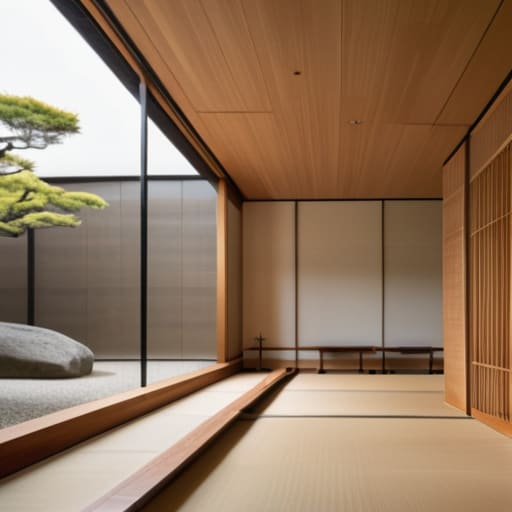
    As I sit here in a small café near the temple gates, sketching the final lines of the courtyard’s layout in my notebook, the pieces of the day fall into place. We have looked at the deliberate, mathematical precision of the architecture and the subtle, unspoken rules of etiquette that govern these sacred spaces. To truly appreciate a temple, one must realize it is not merely a collection of wooden beams and stone lanterns, but a carefully calibrated ecosystem of movement and silence. Understanding the logistics of how a person moves through a shrine—from the purification fountain to the main hall—is just as vital as admiring the artistry of the carvings themselves. It is about recognizing the intentional design behind every step.

    Ultimately, my time spent navigating these quiet corners has reinforced a truth I’ve carried throughout my career: the most profound systems are often the ones we don’t notice until we stop to look. Don’t rush through your visit just to say you were there. Instead, let the city’s frantic pace fade into the background and find your own rhythm within the temple walls. Whether you are there for spiritual solace or simply to observe the way the light hits a weathered gate, remember that the real journey is found in the quietest observations. Seek the functional beauty in the stillness, and you will find that you haven’t just visited a landmark; you have finally learned how the city breathes.

    Frequently Asked Questions

    How do I distinguish between a major tourist site and a local sanctuary that requires a more quiet, observant approach?

    Look for the friction. Major sites are loud, choreographed, and designed for throughput; they feel like transit hubs for the soul. A local sanctuary, however, lacks that polished veneer. You’ll find it by watching the flow of people—if the crowd is moving in a single, hurried direction, it’s a landmark. If they are moving slowly, or not at all, you’ve found a place that breathes. Follow the silence, not the signage.

    Are there specific times of day when the transit-heavy areas near temples transition into that stillness I'm looking for?

    The transition usually occurs in the late afternoon, just as the salarymen begin their rhythmic exodus from the stations. Around 4:30 PM, the frantic energy of the transit hubs begins to settle, leaving a heavy, expectant silence in the temple approaches. If you can catch that window—before the evening rush begins but after the midday heat has broken—you’ll find the streets breathing more deeply. It is the most honest time to observe.

    Beyond the standard etiquette, are there subtle logistical details—like footwear or specific paths—that help me respect the temple's natural flow?

    It’s the small, physical transitions that matter most. I always carry a pair of clean, thin-soled slip-ons; the transition from street to polished wood is a moment of respect, not just a rule. Watch the gravel, too. Don’t just walk; notice the rhythm of the sando—the approach path. If you see a worn indentation in the stone, follow it. Those paths are the city’s memory, guiding the flow of centuries.

  • The Diverse Landscape of Japanese Café Culture

    The Diverse Landscape of Japanese Café Culture

    I was sitting in a crowded, neon-soaked district in Shibuya last Tuesday, staring at a line of tourists waiting forty minutes for a “concept café” that served nothing but overpriced, Instagram-ready lattes and neon-colored foam. It struck me then how much people miss when they chase the spectacle. They think they are experiencing the real café culture in japan, but they are actually just consuming a carefully curated performance. To me, the true essence of a Japanese coffee house isn’t found in a flashy storefront designed for a smartphone lens; it’s found in the quiet, rhythmic precision of a master brewer working in a space no larger than a walk-in closet.

    I have no interest in telling you which shops are currently trending on social media. Instead, I want to show you how to read the city’s landscape to find the places that actually matter. I will guide you toward the dim-lit kissaten where the scent of dark roast lingers in the wood grain and the service is as steady as a heartbeat. My goal is to help you navigate the functional beauty of these spaces, moving past the hype to find the authentic, silent corners where Japan truly breathes.

    Table of Contents

    Kissaten History and Tradition Where Time Stands Still

    Kissaten History and Tradition Where Time Stands Still

    To understand the modern rush of the Tokyo specialty coffee scene, one must first step backward into the amber-hued dimness of the kissaten. These are not mere coffee shops; they are temporal anomalies. Long before the arrival of the third wave coffee movement in Japan, the kissaten served as the city’s quiet living rooms. Here, the ritual is king. You don’t see baristas rushing to fulfill mobile orders; instead, you see a master craftsman meticulously pouring hot water over grounds with a precision that borders on the sacred.

    The essence of kissaten history and tradition lies in this deliberate deceleration. In these spaces, the aesthetic isn’t about the starkness of modern minimalism, but rather a heavy, lived-in comfort—dark wood, velvet upholstery, and the faint scent of old paper. It is a place designed for solitary contemplation. While the world outside accelerates through Shinjuku Station at breakneck speeds, the kissaten remains anchored, offering a sanctuary where the only thing that matters is the steady drip of the siphon and the weight of the silence.

    Japanese Minimalist Cafe Design the Beauty of Empty Space

    Japanese Minimalist Cafe Design the Beauty of Empty Space

    In my years managing logistics, I learned that efficiency is often mistaken for clutter. But in the modern urban landscape of Tokyo, I’ve found that true efficiency—and perhaps true peace—lies in what is left out. This is the heart of japanese minimalist cafe design. Unlike the sensory overload of the Shinjuku streets, these spaces utilize ma, or negative space, to create a psychological buffer between the patron and the city’s relentless momentum. It isn’t just about white walls and bare wood; it is a deliberate architectural choice to reduce cognitive load.

    As the third wave coffee movement japan has evolved, this minimalism has shifted from a purely aesthetic choice to a functional one. You see it in the way a single light fixture is positioned to highlight the texture of a pour-over, or how the geometry of a concrete counter directs the flow of movement. There is a quiet, mathematical precision to these layouts that appeals to my sense of order. In these rooms, the absence of noise and excess allows you to focus entirely on the weight of the ceramic in your hand and the slow, rhythmic ritual of the brew.

    • Respect the silence of the space. In many smaller shops, especially the older kissaten, the atmosphere is part of the service. Keep your voice low and your phone on silent; you aren’t just a customer, you are a guest in someone’s carefully curated quietude.
    • Understand the unspoken etiquette of seating. In crowded urban hubs, don’t expect a large table for one. Look for the counter seats—the “solo traveler’s sanctuary”—which are designed to allow you to observe the room without disrupting the flow of service.
    • Mind the “one drink” rule. Unlike the sprawling, high-turnover coffee chains in the West, many independent Japanese cafés operate on thin margins. If you find a perfect corner, order a second cup or a small snack if you plan to linger; it’s a matter of respect for the establishment’s rhythm.
    • Observe the cash-heavy reality. While Tokyo is modernizing, many of the most authentic, soul-filled cafés still rely on the tactile simplicity of yen. Always keep small denominations and coins on hand to avoid disrupting the transaction at the register.
    • Look for the “hidden” entrances. The best coffee often isn’t behind a neon sign at street level. It’s frequently tucked away on a second floor or down a narrow staircase between two office buildings. If a doorway looks unremarkable, follow your intuition—that’s often where the real character resides.

    The Rhythms of the Cup: Lessons from the Sidewalk

    Look past the polished storefronts; the true character of a neighborhood is often found in the weathered wooden door of a shop that hasn’t changed its menu in forty years.

    Respect the intentionality of the space, whether it is the grand silence of a minimalist design or the cluttered, comforting density of a traditional kissaten.

    Use the café as a stationary vantage point to observe the city’s logistics—watch how the morning rush flows and how the evening settles, one coffee at a time.

    The Rhythm of the Roast

    “A Japanese café is rarely about the spectacle of the brew; it is a carefully calibrated pause in a city that never stops moving, a small, functional sanctuary where the steam from a cup provides the only necessary friction against the rush of the street.”

    Rurik Salonen

    The Rhythm of the Cup

    The Rhythm of the Cup in Shimokitazawa.

    As I sit here, sketching the layout of this particular corner in Shimokitazawa, I realize that Japan’s café culture is not a singular entity, but a spectrum. It is a delicate balance between the unyielding weight of history found in the dimly lit kissaten and the deliberate, airy precision of the modern minimalist space. Whether you are seeking the nostalgia of a dark wood counter or the quiet clarity of a concrete-and-glass sanctuary, these spaces serve a vital function. They act as the city’s pressure valves, providing a necessary pause in the relentless machinery of urban life.

    Ultimately, finding the right café isn’t about following a trend or seeking out a famous name on a map. It is about recognizing when you need to stop moving and simply observe the world breathing. The true magic lies in those fleeting moments—the scent of freshly roasted beans, the soft clink of a spoon, and the stillness that settles over you when you finally find your seat. Don’t rush through your journey to reach the next landmark. Instead, let the city guide you toward its quietest corners, and let a simple cup of coffee remind you that the most profound discoveries are often found in the pauses.

    Frequently Asked Questions

    How can I distinguish between a modern third-wave coffee shop and a traditional kissaten when I'm navigating a busy neighborhood?

    Look for the sensory cues. A third-wave shop announces itself with bright lighting, exposed concrete, and the rhythmic, high-pitched hiss of an espresso machine. It feels efficient, almost clinical. A kissaten, however, pulls you into a dim, weighted stillness. You’ll see heavy velvet curtains, the scent of dark-roast beans lingering in wood paneling, and a proprietor moving with a deliberate, unhurried grace. One is built for the caffeine rush; the other is built for the pause.

    Are there specific unspoken etiquette rules I should follow when sitting alone in a small, quiet café?

    When you’re sitting alone in a cramped kissaten, your footprint matters. I’ve learned that silence is the primary currency. Keep your phone on silent; the soft chime of a notification can feel like a physical intrusion in a small space. Avoid spreading your belongings—a notebook and a camera are fine, but don’t claim the entire table. Most importantly, respect the rhythm. Once you’ve finished your coffee, move on. These spaces are small, and the flow depends on it.

    Is it possible to find these more tucked-away, authentic spots using standard navigation apps, or do I need to rely on wandering the side streets?

    The apps are efficient for logistics, but they aren’t built for discovery. Google Maps will lead you to the most highly-rated, high-traffic destinations—the places that have mastered the algorithm, not necessarily the ones that have mastered the craft. If you want the truly quiet corners, you have to put the phone away. Follow the narrowest alleys and look for the handwritten signs. The best way to find a place is to simply get lost.

  • The Experience of Visiting Japanese Department Stores

    The Experience of Visiting Japanese Department Stores

    I was standing in the basement of a Shinjuku flagship last Tuesday, watching a frantic crowd surge toward a limited-edition pastry release, and I realized how much we misunderstand the concept of luxury. Most travel guides will tell you that Japanese department store culture is merely a playground for the wealthy or a temple of high-end branding, but that’s a superficial reading. To me, it has always felt more like a highly calibrated machine. It isn’t about the price tags on the silk scarves upstairs; it’s about the invisible, rhythmic precision of the staff, the silent choreography of the elevators, and the way a massive commercial entity manages to maintain a sense of quiet dignity amidst the urban chaos.

    I’m not here to give you a list of the most expensive boutiques or a guide on which designer bags to buy. Instead, I want to pull back the curtain on the functional elegance that makes these institutions the beating heart of the city. I will share what I’ve observed from the perspective of a man who spent his life studying logistics, focusing on how these spaces actually operate and how you can navigate them to find the quiet, authentic moments hidden beneath the neon.

    Table of Contents

    Tracing the Lines of Japanese Retail Traditions

    Tracing the Lines of Japanese Retail Traditions.

    To understand the evolution of these spaces, one must look past the neon and the polished marble. I often find myself sitting in the corner of a basement food hall, watching the choreography of the staff. There is a profound sense of continuity here; these institutions are the keepers of Japanese retail traditions, where the transaction is secondary to the ritual. It isn’t just about the exchange of yen for goods, but a disciplined adherence to a standard of service that feels almost liturgical in its precision.

    As I trace the layout of a flagship store in Ginza, I see how the architecture dictates a specific kind of movement. The flow is never accidental. It is designed to guide you through a curated journey, transitioning seamlessly from the high-energy street level to the hushed, almost sacred atmosphere of the upper floors. This is where the high-end consumer experience truly takes root—not in the price tags, but in the silent, anticipatory grace of a clerk who knows exactly when to step forward and when to fade into the background.

    Navigating the High End Consumer Experience.

    To step into the upper floors of a flagship store in Ginza is to transition from the frantic kinetic energy of the street into a space governed by a different set of physics. Here, the luxury retail service standards are not merely about politeness; they are a masterclass in spatial logistics and anticipatory movement. There is a choreographed stillness to the way a sales associate approaches—never intrusive, yet always present at the exact moment a customer’s gaze lingers a second too long on a silk scarf. It is a highly calibrated system designed to minimize friction, ensuring the client feels both entirely seen and perfectly undisturbed.

    I often find myself sitting on a corner bench near the elevators, observing how this seamlessly managed environment operates. It isn’t just about the high price tags; it is about the quiet efficiency of the hand-off, the way a heavy shopping bag is presented with two hands as if it were a sacred object. This level of department store hospitality transforms a simple transaction into a ritualized experience, turning the act of consumption into a moment of profound, structured calm amidst the urban sprawl.

    Observations from the Floor: Five Ways to Read the Aisles

    • Observe the choreography of the service staff. If you watch closely, you’ll see that the movement of the employees isn’t just efficient; it’s a synchronized dance designed to maintain the store’s equilibrium. Notice how they yield space and manage the flow of foot traffic without ever breaking their composure.
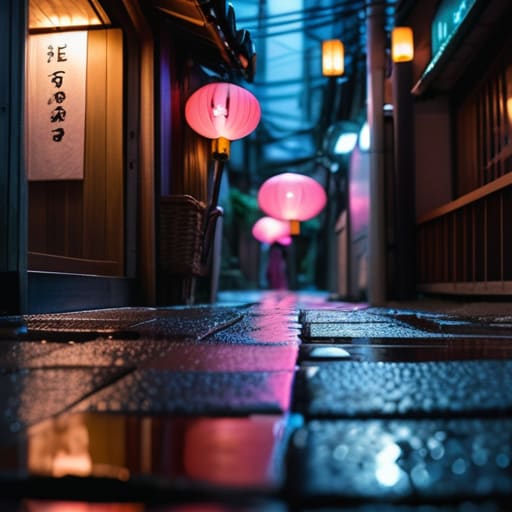
    • Respect the unspoken hierarchy of the floors. In a Japanese department store, the vertical layout is a logistical map of social intent. As you ascend, the noise tends to thin out and the air grows stiller. Use this to your advantage—find the upper levels when you need to escape the sensory weight of the street.
    • Pay attention to the basement, or the depachika. This isn’t just a food hall; it is the logistical heart of the building. It is where the city’s appetite is organized and packaged with surgical precision. It is the most honest expression of the store’s commitment to quality and seasonal rhythm.
    • Don’t rush your transit through the aisles. The temptation is to treat the store like a way to get from Point A to Point B, but that misses the point. Slow your pace. The real character of the institution is found in the small, quiet details—the way a gift is wrapped or the specific scent of a luxury perfume counter.
    • Learn the etiquette of the service counter. There is a profound dignity in the way transactions are handled here. It isn’t merely a commercial exchange; it is a ritual of mutual respect. Approaching these counters with a sense of quiet decorum will allow you to witness the seamless mechanics of Japanese hospitality.

    The Logistics of Elegance: Three Lessons from the Department Store

    True efficiency in retail is felt through service, not just speed; the seamless, almost invisible choreography of the staff is what maintains the store’s steady rhythm.

    A department store is a microcosm of urban organization, where the transition from the frantic street to the curated interior serves as a necessary psychological buffer for the city dweller.

    To understand Japanese consumer culture, one must look past the luxury goods and observe the meticulous attention to detail in the packaging and the quiet, disciplined flow of the floor layout.

    ## The Logistics of Elegance

    “A department store is more than a collection of luxury goods; it is a masterclass in invisible logistics, where the seamless grace of a polished floor and a perfectly timed greeting masks a frantic, clockwork precision that keeps the entire urban machine humming.”

    Rurik Salonen

    The Quiet Geometry of the Aisles

    The Quiet Geometry of the Aisles.

    As I close my notebook and look back at the maps I’ve sketched of these sprawling retail labyrinths, I realize that a department store is more than just a collection of luxury goods or food halls. It is a highly calibrated machine, a testament to the meticulous logistical precision that defines Japanese urban life. We have seen how these spaces bridge the gap between ancient tradition and modern efficiency, creating a structured environment where every interaction is choreographed and every service is an act of discipline. To understand the department store is to understand the unspoken social contract that keeps the city’s grander gears turning without friction.

    Ultimately, I find that the true value of these massive structures lies not in what they sell, but in how they allow us to pause. In the middle of a frantic commute through Shinjuku or Umeda, these buildings offer a rare, curated stillness. They are the lungs of the city, providing a space where the chaos of the street is filtered into something orderly and calm. My advice to any traveler is this: do not just shop. Instead, observe the rhythm of the service and the grace of the movement. If you look closely enough, you will find that the most profound truths of a culture are often found in the quietest corners of its most crowded spaces.

    Frequently Asked Questions

    How do these massive retail hubs manage to maintain such a sense of order during the frantic rush of peak commuting hours?

    It’s a masterpiece of invisible logistics. To the untrained eye, it looks like chaos, but it’s actually a choreographed flow. These hubs are built on precise spatial management; the placement of escalators, the width of corridors, and the subtle cues in floor tiling all dictate movement. It’s much like a well-oiled supply chain. The staff don’t just serve; they manage the human current, ensuring the momentum of the crowd never breaks its rhythm.

    Beyond the luxury brands, where can one find the more utilitarian, everyday services that keep the local neighborhood running?

    To find the city’s true engine, you must descend from the polished marble of the flagship stores. Look for the basement levels—the depachika—where the logistical precision of food distribution is on full display. More importantly, seek out the smaller, neighborhood-integrated department stores. They aren’t about prestige; they are about necessity. You’ll find pharmacies, stationery shops, and reliable household goods tucked into these functional layers, serving the quiet, rhythmic needs of the local residents.

    Is there a way to experience the quiet, contemplative side of a department store without feeling like an intruder in a high-end space?

    Look for the “Depachika” in the basement levels. While the upper floors demand a certain polished posture, the food halls possess a different, more rhythmic energy. There is a quiet, industrious dignity in the way staff arrange seasonal fruits or wrap delicate sweets. If you linger near the window-side seating areas with a small purchase, you can observe the city’s logistics in motion without the pressure of the high-end boutiques.