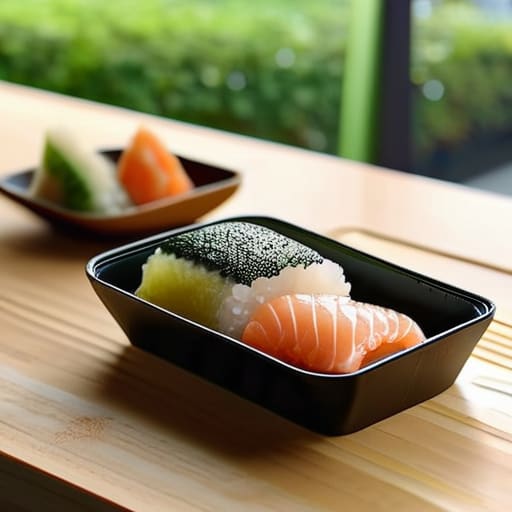
I was standing in a cramped Lawson near Shinjuku Station last Tuesday, watching a salaryman meticulously select a seasonal onigiri as if he were choosing a fine wine. Most travel guides will try to sell you on the “exotic” or “revolutionary” aspects of Japanese convenience stores, but that’s a distraction. To understand the true soul of konbini food culture, you have to stop looking for culinary spectacle and start looking at the logistical perfection of it all. It isn’t about gourmet dining; it is about the quiet, reliable satisfaction of a perfectly temperature-controlled egg salad sandwich when you are exhausted and halfway through a transit map.
I have no interest in giving you a list of “must-try” snacks designed for Instagram aesthetics. Instead, I want to walk you through the functional reality of what makes these stores the lifeblood of the Japanese urban landscape. I will show you how to navigate the shelves like a local, identifying the specific items that offer genuine value and sustenance amidst the neon chaos. We aren’t here to chase hype; we are here to understand how a simple plastic-wrapped meal can become the most dependable part of a city’s rhythm.
Table of Contents
A Study in Onigiri Variety and Flavors
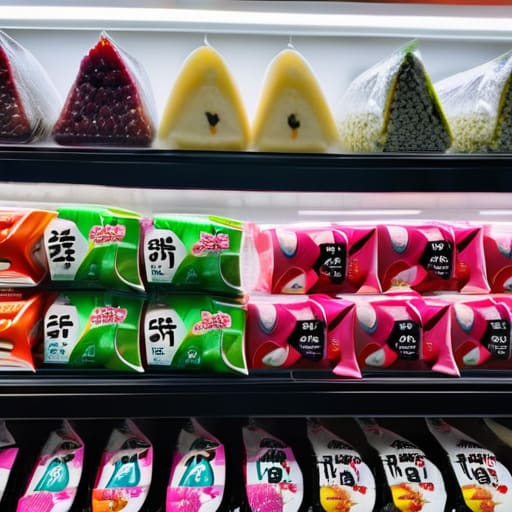
If you watch closely, the onigiri section of a convenience store functions much like a well-oiled distribution hub. There is a predictable logic to the layout, yet the sheer scale of onigiri variety and flavors is what strikes you first. I often find myself standing before the refrigerated shelves, notebook in hand, noting how the offerings shift with the calendar. You might find a classic salted salmon one week, only to see it replaced by seasonal konbini limited editions featuring mountain vegetables or pickled cherry blossoms as the weather turns.
It isn’t just about the rice; it’s about the engineering of the wrap. The plastic film is designed to peel back in a specific sequence, ensuring the seaweed stays crisp until the exact moment of consumption—a small, perfect triumph of logistics. Whether you are grabbing a quick snack from a 7-Eleven or a Lawson, the quality remains remarkably consistent. I’ve learned that the real joy lies in the subtle nuances: the way a spicy cod roe hits the palate, or how the texture of the grain changes between brands. It is a quiet, edible map of the Japanese seasons.
The Quiet Art of Ready to Eat Bento Boxes
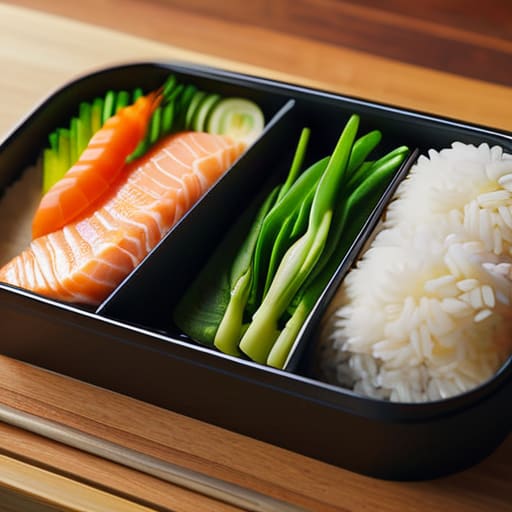
There is a specific, quiet dignity in the way a bento box is engineered. While many travelers rush through the aisles looking for something substantial, I find myself pausing to observe the geometry of these containers. A well-made bento is a masterclass in spatial efficiency—a concept I spent decades navigating in global shipping, yet here it is applied to a single meal. Whether it is a chilled makunouchi style or a warm, steaming set, the ready-to-eat bento boxes found in these stores offer a level of structural integrity that defies their humble price point.
The true charm, however, lies in the subtle shifts of the calendar. I’ve noticed that the selection isn’t static; it breathes with the seasons. You might find a box heavy with bamboo shoots in the spring or more robust, fried elements as the humidity of summer settles over Osaka. These seasonal konbini limited editions act as a small, edible clock, marking the passage of time in a way that a monument never could. It is a fleeting, functional beauty that rewards the observant eye.
Logistics of the Local Palate: Five Rules for Navigating the Konbini
- Timing is everything. If you are looking for the freshest seasonal bento or the most diverse selection of sandos, arrive before the lunch rush peaks at noon. By 2 PM, the most interesting options have often been claimed by the salarymen, leaving behind only the predictable staples.
- Don’t overlook the seasonal rotation. A konbini is a living organism that breathes with the calendar. I always keep an eye out for the subtle shifts—the sudden appearance of sakura-flavored treats in March or the heavy, roasted scents of autumn—it’s the easiest way to track the city’s rhythm.
- Master the art of the “combination meal.” You don’t need a sit-down restaurant to find balance. A well-curated meal in my notebook often consists of a savory bento paired with a small cup of miso soup and a single, high-quality piece of fruit; it is a miniature, efficient study in nutritional equilibrium.
- Learn the subtle language of the labels. While English translations are becoming more common, the real information lies in the kanji for freshness and origin. Taking a moment to actually read the packaging tells you more about the supply chain and the quality of the ingredients than any tourist guide ever could.
- Embrace the quiet utility of the seating areas. Many larger convenience stores offer small, functional corners for eating. Use them. Sitting there for ten minutes, watching the flow of commuters while you eat, offers a perspective on urban life that you simply cannot get while walking.
Observations from the Counter
The konbini is more than a convenience; it is the city’s most reliable logistical artery, providing a consistent, high-quality rhythm to urban life regardless of the hour.
True flavor in prepared meals lies in the seasonal precision of the ingredients, proving that even a mass-produced bento can respect the integrity of its components.
To eat at a convenience store is to participate in a quiet, shared ritual that bridges the gap between the frantic pace of the transit system and the need for a momentary, solitary pause.
The Efficiency of a Midnight Meal
There is a profound, understated logic in the konbini; it is a masterclass in logistics where the supply chain ends not in a warehouse, but in a perfectly balanced, plastic-wrapped meal that meets a human need at exactly the right moment.
Rurik Salonen
The Logistics of a Perfect Meal
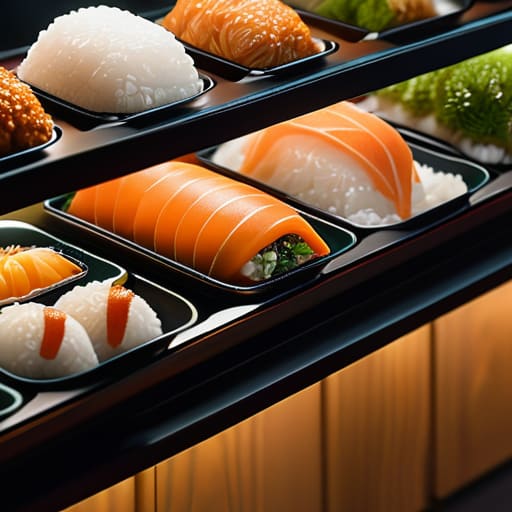
When I look back at my notes from this week, it isn’t just the caloric density of a bento or the sheer variety of onigiri that stands out. It is the unseen precision behind it all. From the way the rice maintains its structural integrity to the temperature-controlled efficiency of the heated shelves, the konbini is a masterclass in micro-logistics. These small shops serve as the vital organs of the Japanese urban landscape, providing a reliable, high-quality sustenance that keeps the city’s complex machinery running smoothly. Whether you are grabbing a quick snack between subway transfers or settling in for a solitary midnight meal, you are participating in a remarkably disciplined system of convenience.
Ultimately, I have learned that you don’t need a white tablecloth or a reservation to find the soul of a city. Sometimes, the most authentic connection to a place happens in the hum of a brightly lit corner shop, standing alone with a plastic tray and a sense of quiet contentment. Don’t rush past these aisles in search of grander culinary spectacles; instead, stop and observe. There is a profound, understated beauty in the way a society manages to make the mundane feel so intentional. In the end, the konbini isn’t just a convenience—it is a window into the very rhythm of Japanese life.
Frequently Asked Questions
How much can I actually rely on these meals for nutritional balance if I'm living out of a suitcase for a month?
If you’re living out of a suitcase, the konbini is your most reliable logistics partner, provided you don’t treat it like a buffet of fried snacks. I’ve learned to look for the balance: pair a bento with a side of edamame or a small salad, and grab a hard-boiled egg for protein. It isn’t a Michelin-starred diet, but if you navigate the labels with intention, it will sustain you far better than any airport sandwich.
Are there specific times of day when the selection in these stores changes, or is the quality consistent from dawn until dusk?
The logistics of replenishment are precise, but the selection follows a predictable rhythm. In the early hours, you’ll find the freshest bento boxes, neatly organized for the morning commuters. By mid-afternoon, the shelves often thin out as the day’s best items vanish. If you’re hunting for something specific, aim for the window between 11:00 AM and 1:00 PM. That is when the supply chain reaches its peak, and the most varied options are laid out.
Beyond the food itself, how do the unspoken social etiquettes of a convenience store differ from a traditional sit-down restaurant?
In a restaurant, there is a choreographed dance between server and guest—a social contract of service. But the konbini operates on a different, more silent frequency. It is a theater of efficiency. You don’t seek conversation; you seek seamlessness. There is a specific etiquette to the transaction: the precise way you place your items on the counter, the quiet nod to the clerk, and the swift, polite exit. It’s a solitary, disciplined ritual of urban survival.
