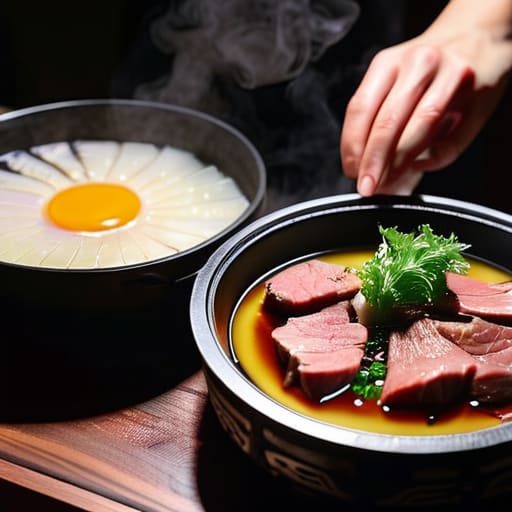
I was sitting in a cramped, steam-filled izakaya in Osaka last Tuesday, watching a young couple stare at a menu with the kind of paralyzed indecision I used to see in junior logistics managers facing a supply chain bottleneck. They were caught in the classic trap: the choice between shabu shabu vs sukiyaki. To the uninitiated, it looks like a simple matter of thin slices of beef and a hot pot, but to anyone paying attention, the two represent entirely different philosophies of dining. One is a light, rhythmic dance of ingredients in a clear broth, while the other is a rich, heavy, and deeply structured ritual of soy and sugar.
I’m not here to give you a sanitized list of ingredients or a tourist brochure’s version of Japanese cuisine. Instead, I want to strip away the confusion and look at the mechanics of the meal. I will guide you through the fundamental differences in preparation, pace, and flavor profiles so you can navigate your next dinner with absolute certainty. We are going to look past the surface and understand which of these two traditions actually suits the mood of your evening.
Table of Contents
Shabu Shabu
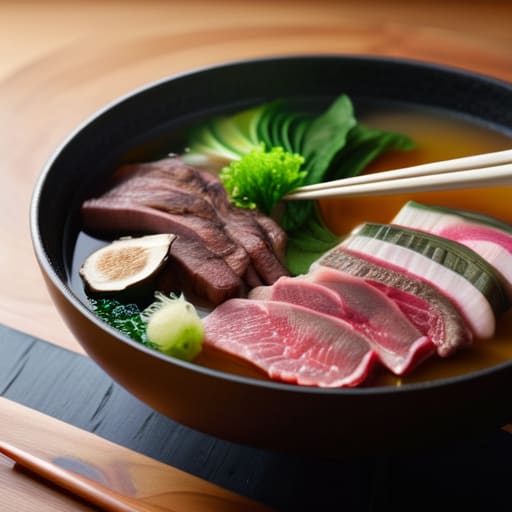
Shabu shabu is a communal hotpot method where thin slices of meat and vegetables are briefly swished through a simmering broth of kombu dashi. The core mechanism relies on minimalist preparation, allowing the natural, unadulterated flavors of the ingredients to take center stage. It is a dish defined by its lightness and the rhythmic, interactive nature of the cooking process.
To me, the beauty of shabu shabu lies in its uncomplicated precision. In my years managing logistics, I learned to appreciate systems that don’t overcomplicate a simple task; this meal is the culinary equivalent. Sitting in a small, wood-paneled shop in Osaka, watching the steam rise as you carefully dip a piece of wagyu into the water, you realize it isn’t just a meal. It is a meditative ritual that forces you to slow down and appreciate the purity of each individual component.
Sukiyaki
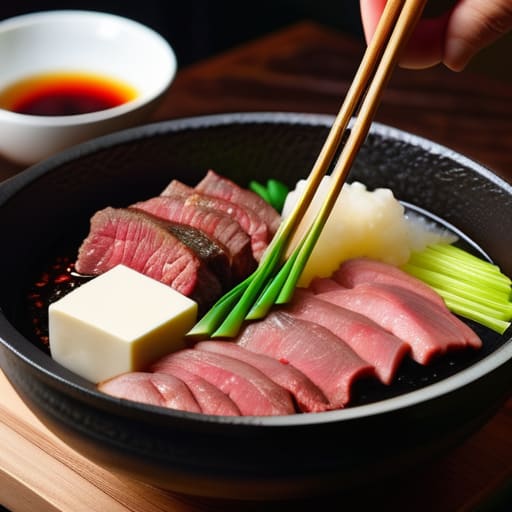
Sukiyaki is a rich, soy-based simmered dish where beef, tofu, and vegetables are cooked in a heavy iron pot with a sweet and savory sauce. Unlike its lighter counterpart, the primary appeal here is the deep, caramelized intensity of the flavors that develop as the ingredients soak in the concentrated liquid. It is a robust, soul-warming style of dining designed for indulgence.
I find that sukiyaki offers a sense of grounded permanence that contrasts sharply with the frantic pace of the Tokyo streets outside. There is a certain gravity to the way the sauce clings to the ingredients, creating a dense, flavorful landscape in the pot. While shabu shabu is about the fleeting moment of the dip, sukiyaki is about the lingering warmth of a shared, heavy meal—the kind of meal that anchors you to your seat and makes the bustling city feel miles away.
Comparison of Shabu Shabu and Sukiyaki
| Feature | Shabu Shabu | Sukiyaki |
|---|---|---|
| Broth Base | Light, clear dashi/kombu | Sweet, dark soy-based sauce |
| Cooking Style | Quick swishing in broth | Simmering in sauce |
| Primary Flavor | Mild and savory | Rich and sweet |
| Dipping Sauce | Ponzu or sesame sauce | Raw egg (traditional) |
| Best For | Light, healthy meals | Hearty, indulgent feasts |
| Vegetable Focus | High emphasis on freshness | Balanced with meat/sauce |
The Difference Between Shabu Shabu and Sukiyaki Broth
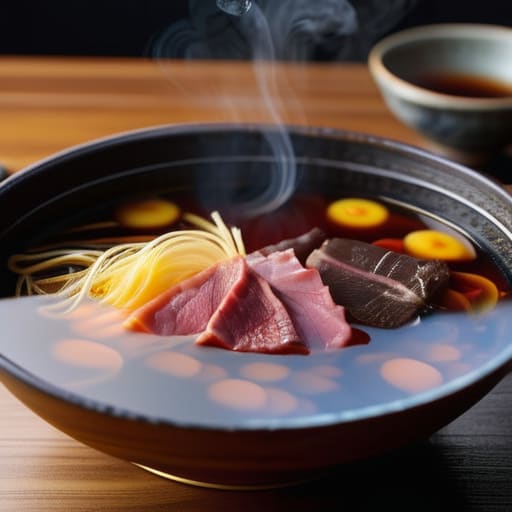
To understand the soul of these two dishes, you must look past the meat and focus entirely on the liquid in the pot. The broth isn’t just a cooking medium; it is the architectural foundation of the entire meal. If you misjudge the liquid, you misjudge the entire dining experience, shifting from a light, rhythmic dance to a heavy, concentrated feast.
In shabu shabu, the broth is a minimalist affair—usually a simple, clear kombu dashi. It is designed to be a clean canvas, allowing the natural, unadulterated flavor of the beef to take center stage. You aren’t eating the broth; you are using it to awaken the ingredients. It is a precise, logistical exercise in restraint.
Sukiyaki, conversely, is an unapologetic assault on the senses. The base is a dark, viscous mixture of soy sauce, sugar, and mirin that coats everything in a rich, syrupy embrace. There is no subtlety here; the broth is a heavyweight protagonist that demands your attention with every bite.
For those seeking purity and nuance, shabu shabu wins. But for a deep, soul-warming intensity, sukiyaki is the undisputed master.
Sweet vs Savory Japanese Beef Dishes a Study in Contrast
To understand the soul of these two dishes, one must look past the ingredients and into the fundamental tension between sweet and savory. It isn’t just a matter of seasoning; it is a choice of how you want the beef to interact with your palate. Choosing between them dictates whether your meal is a light, cleansing experience or a rich, heavy indulgence that lingers long after you’ve left the restaurant.
In shabu shabu, the savory profile is almost entirely external. The meat is a clean slate, briefly kissed by hot broth before being dipped into a pungent ponzu or a creamy sesame sauce. This method preserves the delicate integrity of the beef, allowing the natural fats to shine without interference. It is a logistical triumph of minimalism.
Sukiyaki, however, embraces a bold, syrupy complexity. The meat is simmered directly in a soy, sugar, and mirin base, creating a deep, caramelized coating that clings to every fiber. It is a high-intensity flavor profile that demands your full attention. While shabu shabu offers a rhythmic, light flow, sukiyaki provides a concentrated sensory weight.
If you seek a refined, balanced meal, shabu shabu wins. But for those craving a profound, sweet-savory embrace, sukiyaki is the undisputed master.
The Essential Distinctions
Shabu shabu is an exercise in restraint, where the broth serves merely as a clean canvas for the natural, unadorned flavor of the beef.
Sukiyaki is a study in richness and intention, utilizing a heavy, sweet-savory base that transforms the ingredients into a cohesive, deeply flavored ritual.
Choosing between them is less about the specific recipe and more about the atmosphere you seek—the light, rhythmic dip of shabu shabu or the comforting, slow-simmered weight of sukiyaki.
## The Rhythm of the Pot
Choosing between shabu shabu and sukiyaki isn’t merely a matter of preference; it is a choice between two different tempos of urban life—one is a light, rhythmic dance of dipping and waiting, while the other is a deep, concentrated immersion into the rich, heavy heart of the city’s flavors.
Rurik Salonen
Choosing Your Rhythm
Ultimately, the choice between shabu shabu and sukiyaki comes down to the specific cadence you want your meal to follow. If you find yourself craving a lighter, more controlled experience where the purity of the beef takes center stage, shabu shabu is your logical destination. It is a clean, methodical process of dipping and waiting. However, if you are looking for something more robust—a dish defined by the heavy, sweet-savory interplay of soy and sugar—sukiyaki offers a more indulgent, integrated flavor profile. One is a study in subtle precision, while the other is a celebration of rich, concentrated tradition.
As I sit in these small, steam-filled eateries, watching the city rush past the window, I realize that these culinary distinctions are much like the transit lines I used to map out. Some routes are built for speed and efficiency, while others are meant for a slower, more immersive journey. Whether you choose the delicate simmer of the shabu shabu pot or the deep, dark richness of sukiyaki, you aren’t just choosing a meal; you are choosing how you wish to engage with the moment. Don’t rush the decision. Just listen to what your appetite is telling you about the day.
Frequently Asked Questions
If I'm dining in a smaller, more traditional izakaya, which of these two is more likely to be the standard offering?
In a cramped, wood-paneled izakaya tucked away in an Osaka alley, you’ll more likely encounter shabu shabu. It’s a more versatile, communal affair—less about a rigid, heavy recipe and more about the shared rhythm of dipping meat into a light, clear broth. Sukiyaki, with its rich, concentrated sweetness, often requires more specialized preparation. For the casual evening after a long walk through the city, the lightness of shabu shabu feels more at home.
Does the quality of the beef change significantly depending on which style I choose to order?
It isn’t so much that the quality changes, but rather how the fat is utilized. In sukiyaki, you want a marbled, high-fat cut—something that can stand up to the heavy sweetness of the soy and sugar. In shabu shabu, the beef needs to be pristine and delicate; since the broth is light, any impurity in the meat is immediately exposed. You aren’t just choosing a dish; you’re choosing how much weight the beef must carry.
How do the dining rituals differ—is one more of a communal, social affair while the other is more focused and individual?
The rhythm of the table changes entirely between the two. Shabu shabu is a lighter, more rhythmic affair; you’re constantly moving, swirling the meat through the broth like a gentle dance. It feels communal, almost meditative. Sukiyaki, however, is more deliberate. It’s a heavier, more structured ritual where the ingredients are pre-arranged in the pan. It demands a certain focus—a shared commitment to the slow, rich development of the flavors.
