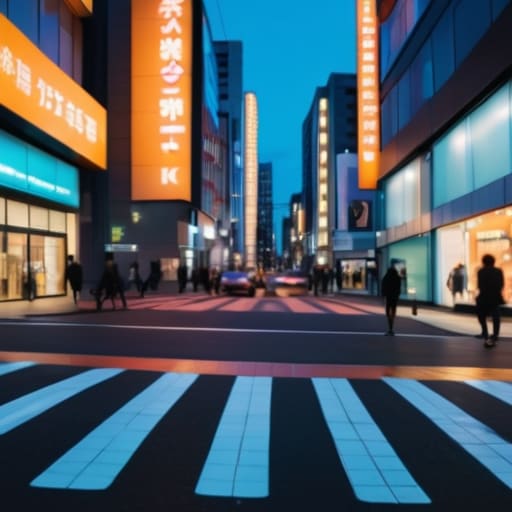
I remember standing on the platform at Kawasaki Station just after sunset, the air thick with the scent of ozone and grilled yakitori, watching the Keihin-Tohoku line slice through the heavy humidity. Most people see this place as nothing more than a gritty, industrial transit corridor—a mere stepping stone between the polished lights of Tokyo and the coastal sprawl of Yokohama. But they’re missing the point entirely. To truly grasp the pulse of kawasaki city life, you have to stop looking at the skyscrapers and start looking at the interstitial spaces: the narrow alleys where the commuters actually live, breathe, and find their solace.
I have no interest in giving you a sanitized list of shopping malls or tourist traps that feel like they were pulled from a brochure. My goal here is different. I want to show you the functional beauty of this city, from the logistical elegance of its rail networks to the quiet, nameless ramen stalls that sustain the midnight shift. I’ll provide you with a grounded, no-nonsense guide to navigating this urban landscape, focusing on the details that reveal how a city actually functions when the neon glare fades.
Table of Contents
The Commuter Lifestyle to Tokyo Rhythms of the Rail
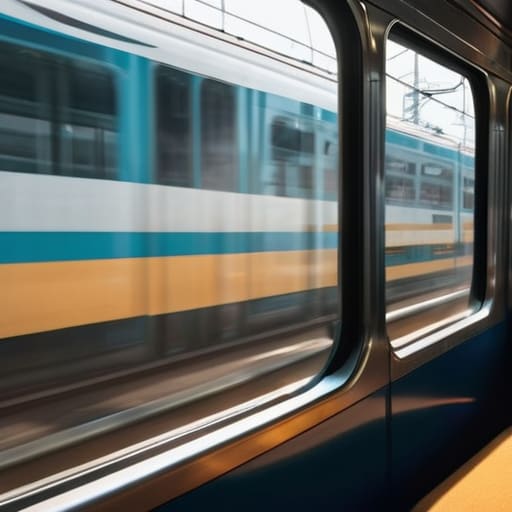
There is a specific, mechanical poetry to the morning rush on the Tokaido Line. I often sit near the doors, my Leica resting heavy in my bag, watching the transition from the dense, industrial silhouettes of the kawasaki industrial zones to the glass-and-steel skyline of Tokyo. It is a choreographed dance of efficiency. For those embracing the commuter lifestyle to Tokyo, the train is more than just a vehicle; it is a liminal space where the day’s intentions are quietly forged amidst the rhythmic clatter of the rails.
The logistics of this movement are staggering. You see it in the way the crowds flow through Kawasaki Station—a massive, breathing organism that dictates the tempo of the entire region. While many see only the congestion, I see the underlying logic of living in Kanagawa Prefecture. It is a delicate balance of high-density transit and the sudden, unexpected stillness of a side street just two blocks away from the terminal. To understand this city, you must learn to time your movements to its pulse, finding the gaps between the surges.
Residential Neighborhoods in Kawasaki Finding the Quiet Corners
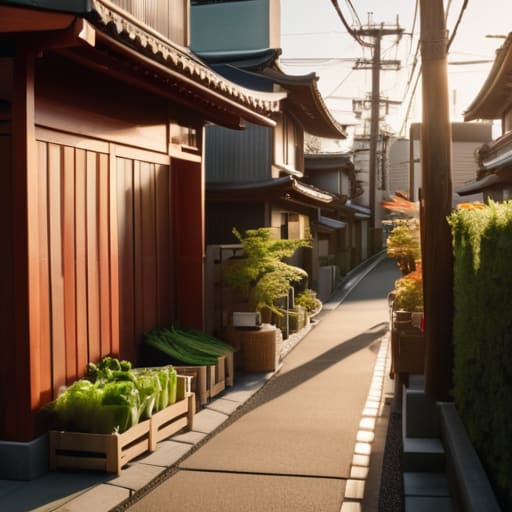
While the main arteries of the city pulse with the energy of the Keihin-Tohoku line, the true character of the area reveals itself when you step away from the station plazas. I’ve found that the most rewarding way to understand living in Kanagawa Prefecture is to wander into the narrow, winding streets of neighborhoods like Mido-ri or Saiwai. Here, the frantic pace of the city softens. You’ll find small, family-run grocery stores and tiny shrines tucked between modern apartment blocks, creating a sense of domestic stability that feels remarkably grounded despite the proximity to Tokyo.
There is a specific kind of charm in these residential neighborhoods in Kawasaki, where the architecture tells a story of constant evolution. You might see a sleek, new high-rise standing right next to a weathered wooden house that has survived decades of urban shifts. It’s this juxtaposition that defines the local landscape. To me, these pockets aren’t just places to sleep; they are the connective tissue that holds the metropolitan sprawl together, offering a quiet sanctuary for those who prefer observation over spectacle.
Navigating the Industrial Pulse: A Few Practical Observations
- Master the Keihin-Tohoku rhythm early. Don’t just look at the schedule; observe the flow. Knowing which carriage aligns best with your exit at Kawasaki Station will save you five minutes of frantic walking—and in a city this dense, five minutes is a lifetime of quiet.
- Seek out the “Shitamachi” spirit in the side streets. While the neon of the main thoroughfares is impressive, the true soul of Kawasaki lives in the narrow alleys where the smell of grilled yakitori drifts from tiny, family-run shops that have likely stood for decades.
- Use the waterfront as your mental reset. The industrial skyline along the Tama River is a marvel of functional geometry. When the urban density feels heavy, take a walk along the riverbanks; the sight of the massive shipping vessels moving silently against the twilight is grounding.
- Carry cash for the small-scale commerce. While the major hubs are seamless with digital payments, the most authentic experiences—the local coffee stands or the neighborhood stationery shops—often still rely on the tactile simplicity of yen.
- Learn to appreciate the “in-between” spaces. Don’t rush from point A to point B. The most interesting details of Kawasaki, from the way light hits a concrete overpass to the meticulous organization of a local grocery store, are found when you allow yourself to linger in the transitions.
The Essence of Kawasaki
To understand Kawasaki, you must look past the industrial skyline and focus on the seamless, rhythmic efficiency of its transit veins that connect it to the greater Tokyo sprawl.
True character is found in the residential pockets where the city’s frenetic energy softens into something manageable, quiet, and deeply functional.
The city’s soul isn’t located in its grand monuments, but in the small, overlooked details—the local ramen stalls and the steady pulse of the evening commute.
The Soul of the Industrial Corridor
Kawasaki isn’t a city of grand, curated spectacles; it is a city of movement and utility, a place where the grit of heavy industry meets the precise, quiet grace of a perfectly timed train schedule, and there is a profound, honest beauty in that friction.
Rurik Salonen
The Soul of the Industrial Edge
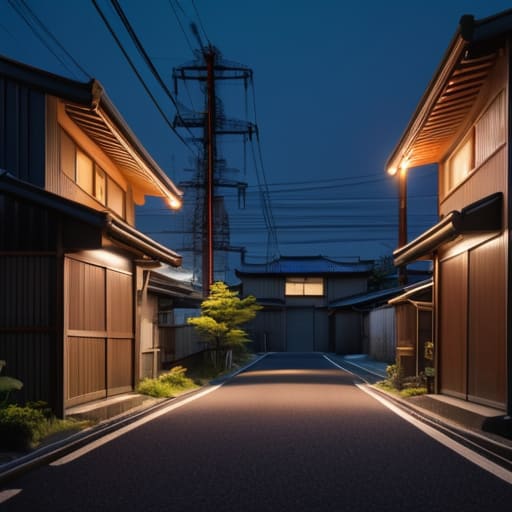
Looking back at the layers we’ve peeled away, it becomes clear that Kawasaki is far more than just a transit corridor between the giants of Tokyo and Yokohama. It is a city defined by its functional duality—the way the heavy, industrial hum of its factory districts coexists with the sudden, profound stillness of its residential side streets. Whether you are navigating the relentless efficiency of the Keihin-Tohoku line or stumbling upon a nameless neighborhood shrine, you are witnessing a city that has mastered the art of purposeful living. It doesn’t demand your attention with neon spectacle; instead, it earns it through a steady, reliable pulse.
As I sit here in a small cafe, sketching the intersection of a local bus route in my notebook, I am reminded that the most meaningful travel rarely happens at the landmarks. It happens in the margins. To truly understand Kawasaki, you must be willing to step off the main thoroughfare and allow yourself to get lost in its unpretentious rhythms. Don’t just pass through this city on your way to somewhere else. Stop, observe, and listen to the machinery of daily life. There is a quiet, structural beauty here for anyone patient enough to look for it.
Frequently Asked Questions
How does the cost of living and the sense of community in Kawasaki compare to the more frantic pace of central Tokyo?
The math is simple, but the feeling is complex. In Kawasaki, your yen stretches further—rent is more manageable, and the local shotengai markets offer a groundedness you won’t find in Shinjuku. While Tokyo feels like a high-speed centrifuge, Kawasaki offers a steady pulse. There is a genuine sense of neighborhood cohesion here; people still occupy their spaces rather than just passing through them. It’s the difference between living in a machine and living in a community.
For someone who values quiet observation, which specific areas of Kawasaki offer the best escape from the industrial noise?
If you’re looking to escape the heavy industrial hum, head toward the hills of Miyamae-ku. The area around Todoroki Valley—though technically on the border—offers a similar leafy reprieve, but within Kawasaki, the residential pockets near Shimomaruko provide a much softer cadence. There is a particular stillness in the backstreets near local shrines; it’s where the city’s frantic logistics finally settle into something human, quiet, and remarkably observant.
Is the transit connectivity truly seamless for navigating the smaller, local lines that connect the residential pockets to the main hubs?
It’s a common concern, but in my experience, the connectivity is remarkably disciplined. While the major arteries like the Keihin-Tohoku feel like the city’s heartbeat, the smaller local lines function like the capillaries. They aren’t always “seamless” in the sense of being instantaneous, but they are incredibly predictable. You’ll find that the transfers between the local bus routes and the smaller rail stations are timed with a logistical precision that keeps the residential pockets from feeling isolated.
