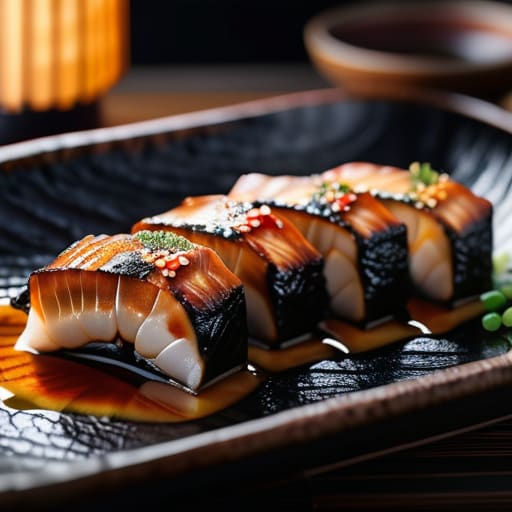
I was sitting in a cramped, neon-lit eatery near Shinjuku Station last Tuesday, watching a group of tourists pay a month’s worth of grocery money for a plate of unagi eel dishes that tasted more like overpriced salt than anything soulful. There is a pervasive myth in the travel guides that the “best” eel requires a reservation at a Michelin-starred temple of gastronomy, but that’s usually just a way to charge you for the prestige. In my experience, the most profound flavors aren’t found behind velvet ropes; they are found in the steam-fogged windows of shops that have been operating since the Showa era, tucked away where the subway lines intersect.
I have no interest in chasing culinary trends or dining on hype. Instead, I want to show you how to navigate the city to find the authentic, functional beauty of a truly well-prepared meal. I will guide you toward the small, quiet corners where the charcoal is hot, the sauce is aged, and the unagi eel dishes actually reflect the rhythm of the neighborhood. We aren’t looking for spectacle here; we are looking for the truth in the details.
Table of Contents
The Alchemy of Unagi Kabayaki Preparation
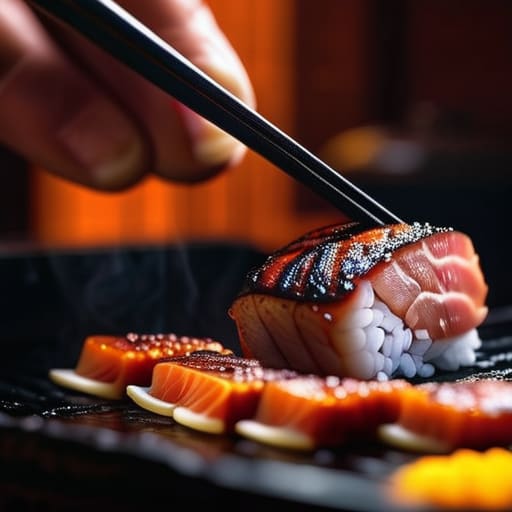
The alchemy of unagi kabayaki preparation is less about cooking and more about a disciplined, rhythmic sequence of heat and timing. I watched a chef in a small shop near Umeda work with the precision of a master watchmaker; there is no room for error when you are managing the delicate fats of the fish. The process begins with steaming the eel to ensure a tenderness that yields to the slightest pressure of a chopstick. This is followed by the crucial stage of grilling over binchotan charcoal, where the intense, even heat renders the skin until it reaches a crisp, lacquered finish.
The soul of the dish, however, lies in the application of the sweet soy glaze for eel. This tare, often aged for decades and replenished daily, is brushed onto the flesh as it chars, creating a complex caramelization that balances salt, sugar, and umami. It is a sensory experience that transcends a mere meal. When you finally sit down to an eel rice bowl unadon, you aren’t just eating; you are consuming a logistical masterpiece of flavor that has been refined through generations of culinary tradition.
A Sweet Soy Glaze for Eel and Quiet Evenings
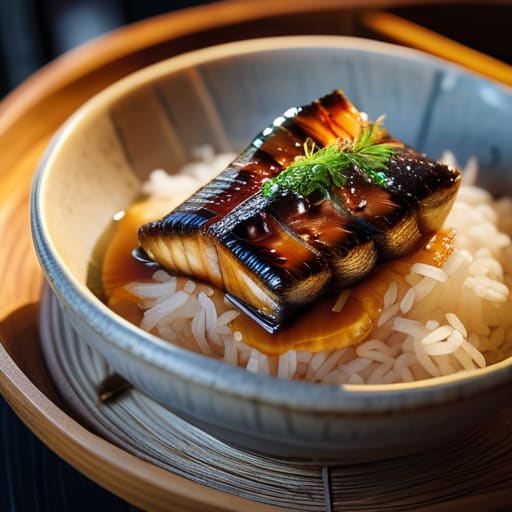
There is a specific kind of stillness that settles over a wooden counter as the sun dips below the skyline. I’ve found that the most profound way to experience a meal is to match the pace of the kitchen. When you order a classic eel rice bowl unadon, you aren’t just eating; you are participating in a ritual of patience. The steam rises in slow, rhythmic curls, carrying the scent of charred skin and caramelized sugar, signaling that the frantic energy of the Shinjuku streets has finally been left behind.
The heart of this experience lies in the sweet soy glaze for eel, a reduction that requires a steady hand and an intuitive sense of timing. It isn’t merely a sauce; it is a bridge between the rich, fatty texture of the fish and the clean, neutral warmth of the steamed rice beneath. I often find myself sketching the way the light hits the glaze in my notebook, noting how the dark, viscous liquid catches the glow of a single paper lantern. It is a small, perfect harmony—the kind of quiet, functional beauty that makes the long subway rides and crowded crossings entirely worth the effort.
Navigating the Unagi Landscape: A Few Practical Observations
- Look for the “shokunin” over the “tourist menu.” The most exceptional eel isn’t found in the neon-lit storefronts of major thoroughfares, but in those cramped, wood-paneled shops where the chef has been perfecting a single recipe for decades. If the menu is sparse, you’re likely in the right place.
- Understand the seasonality of the texture. While unagi is available year-round, there is a subtle, rhythmic difference in the fat content depending on the season. I find that approaching a meal with an awareness of the current time of year helps you appreciate the nuances of the flesh.
- Pay attention to the rice underneath. In a truly well-executed unagi dish, the rice isn’t just a base; it is a sponge for the residual tare (sauce) and the rendered oils from the eel. If the rice is dry or uninspired, the entire logistical balance of the meal has failed.
- Don’t fear the steam. When you enter a shop, the heavy, sweet scent of charcoal and soy should be immediate. That humidity is a sign of a kitchen in active, rhythmic motion. A dry, scentless shop often means the eel has been sitting too long, losing that essential, fleeting vitality.
- Observe the ritual of the meal. Unagi is rarely a dish meant for hurried consumption. To truly understand it, you must slow your pace to match the shop’s tempo. Use the quiet moments between bites to notice how the flavor evolves as the temperature of the eel slightly shifts.
Lessons from the Eel-Steamer's Hearth
Seek out the narrow, steam-fogged shops tucked away from the main thoroughfares; the true mastery of kabayaki is rarely found in the brightly lit tourist hubs, but in the quiet corners where the rhythm of the city slows down.
Pay attention to the balance of the tare; a superior glaze isn’t just about sweetness, but a complex, caramelized depth that tells the story of a shop’s history through decades of repeated use.
Understand that unagi is more than a meal—it is a study in precision and patience, mirroring the functional beauty found in the most well-organized urban systems.
The Rhythm of the Charcoal
“There is a certain mechanical grace in the way a master handles the binchotan charcoal; it isn’t just cooking, it is a controlled logistics of heat and timing that turns a simple piece of eel into something that feels as essential to the city as the subway lines themselves.”
Rurik Salonen
The Last Bite of the Evening
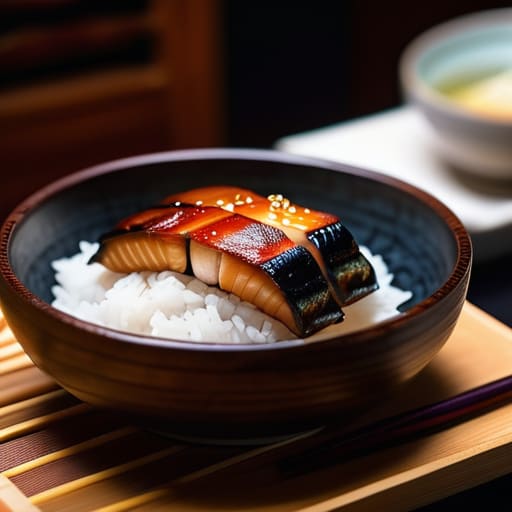
As I close my notebook and look back at the notes from today, it is clear that unagi is far more than just a culinary staple; it is a masterclass in precision. From the careful, rhythmic application of heat during the kabayaki process to the delicate balance of that signature sweet soy glaze, every element serves a purpose. We have seen how the alchemy of preparation transforms a simple ingredient into something profound, and how the right setting—a quiet corner away from the neon glare—allows the flavors to truly speak. It is a dish that demands you slow down, rewarding your patience with a depth of flavor that a rushed meal simply cannot provide.
Ultimately, seeking out the perfect eel dish is much like navigating the labyrinthine subway lines of Tokyo. You might miss the most significant stops if you are only looking at the map, but if you look closer at the quiet, functional beauty of the side streets, you find something much more rewarding. Don’t just hunt for the most famous restaurants listed in a glossy guidebook. Instead, follow the scent of charcoal and the soft glow of a paper lantern. In those small, unassuming shops, you will find the true pulse of the city, served one steaming bowl at a time.
Frequently Asked Questions
How can I tell the difference between high-quality grilled eel and the cheaper, mass-produced versions found in convenience stores?
The difference lies in the texture and the soul of the char. Mass-produced eel, often found in those brightly lit convenience stores, tends to be uniform—a bit mushy, often overly sweet, and lacking any structural integrity. High-quality unagi, however, possesses a distinct resistance; the skin should have a slight, crisp snap from the charcoal, while the flesh remains buttery and flaky. If it tastes like a singular, sugary note, it’s convenience. If it tastes of smoke and sea, it’s real.
Is there a specific season or time of day when the flavor of the unagi is at its peak?
If you’re looking for that perfect balance of fat and texture, aim for the summer months. In Japan, the tradition of doyo no ushi no hi—the midsummer day of the eel—is more than just a ritual; it’s a logistical peak where the eel is at its most robust. As for the time, I find the flavor hits its stride during a quiet late lunch. The midday rush has subsided, the kitchen is in its rhythm, and the eel tastes most honest.
Are there particular regional styles of sauce or preparation that I should look for when traveling between Tokyo and Osaka?
When you transition from the Kanto region to Kansai, pay close attention to how the eel is cooked. In Tokyo, you’ll mostly encounter Kanto-style, where the eel is steamed before grilling, resulting in a tender, melt-in-your-mouth texture. Once you reach Osaka, look for Kansai-style. They skip the steaming, grilling the eel directly over charcoal for a crisp, firm skin. It’s a subtle shift in logistics, but it fundamentally changes the rhythm of the meal.
