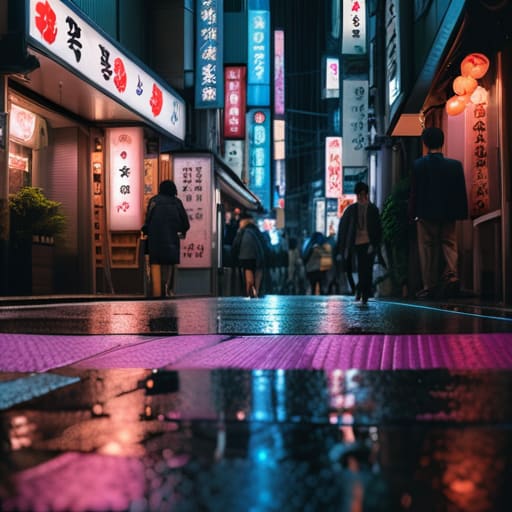
I was standing on the edge of the Shibuya Scramble last Tuesday, watching the neon lights bleed into the rain-slicked pavement, and I realized something: most people approach tokyo nightlife like they’re trying to solve a broken supply chain without a map. They chase the loudest bass drops and the most crowded clubs, thinking that volume equals vitality. But after thirty years of managing complex logistics, I’ve learned that the most efficient and rewarding systems are rarely the loudest. The real energy of this city isn’t found in a VIP queue or a overpriced cocktail lounge; it’s hidden in the rhythmic clinking of highball glasses in a basement bar that barely has room for four people.
I’m not here to sell you on the hype or point you toward the tourist traps that drain both your wallet and your patience. Instead, I want to show you how to navigate the city’s evening arteries with intention. I will guide you toward the quiet, functional beauty of the local izakayas and the dim, amber-lit corners where the city actually breathes. This is about finding the authentic pulse of Tokyo, one well-mapped alleyway at a time.
Table of Contents
The Intimacy of Shinjuku Golden Gai Bars
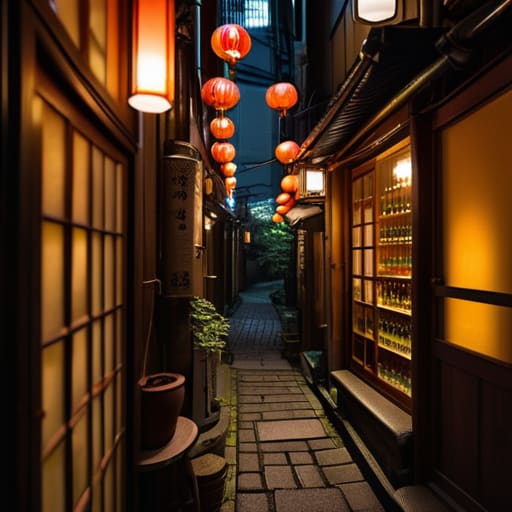
If you find yourself drifting toward the neon-soaked chaos of the Shibuya clubbing scene, stop. It is too loud, too much, and far too anonymous for my taste. To find the true soul of the city, you must step into the narrow, labyrinthine alleys of Shinjuku Golden Gai. Here, the scale of the metropolis shrinks to something manageable, something almost human. The Shinjuku Golden Gai bars are less like commercial establishments and more like the private living rooms of eccentric collectors. Most are so small that you are practically sharing a drink with the proprietor, a man who likely knows the history of every single bottle on his shelf.
There is a specific quiet rhythm to these spaces. You don’t go here to be seen; you go to disappear into a conversation or a single, well-poured highball. It is a stark contrast to the polished, high-octane energy of a Roppongi nightlife guide, offering instead a sense of historical density. In these tiny wooden boxes, the air feels thick with stories, and the world outside—with all its frantic logistics—simply ceases to exist.
Pulse and Chaos in the Shibuya Clubbing Scene
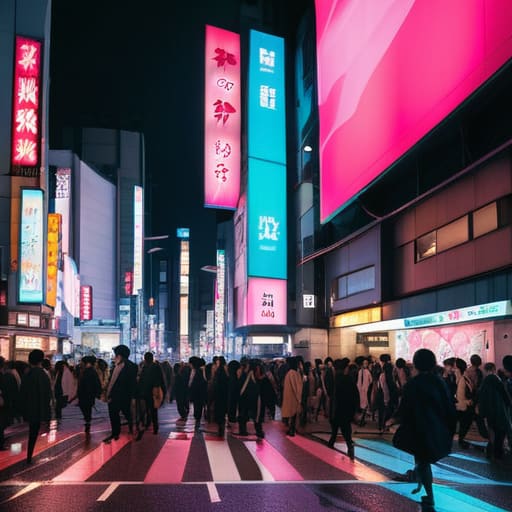
If Shinjuku is a collection of whispered secrets, then Shibuya is a controlled explosion. Stepping out of the station, you are immediately met with a sensory overload that defies the logistical order I spent my career perfecting. The Shibuya clubbing scene operates on a different frequency entirely—a high-decibel, neon-soaked rhythm that pulses through the very pavement. Here, the crowd doesn’t just move; it surges, a human tide flowing toward basement venues and multi-story complexes where the bass is felt in your marrow before it is ever heard.
It is easy to feel alienated by the sheer velocity of the district, but there is a certain mechanical elegance to the chaos if you watch closely enough. Amidst the strobe lights and the frantic energy of the crowds, I find myself observing the way the light catches the condensation on a glass or how the movement of the masses follows invisible, unspoken currents. It is the antithesis of the stillness I found in the Shinjuku Golden Gai bars, yet it remains a vital, necessary organ in the city’s breathing anatomy.
Navigating the After-Hours Labyrinth: A Few Practical Observations
- Respect the cover charge. Many of the smaller, more characterful establishments in areas like Golden Gai or Shimokitazawa operate on a small table fee. It isn’t a scam; it’s the price of entry for the intimacy and the curated atmosphere they provide. Budget for it accordingly.
- Master the art of the “Kanpai.” In the tight quarters of a basement bar, social friction is minimized by shared ritual. A polite nod and a synchronized toast can turn a room of strangers into a temporary community. It’s the simplest way to honor the space you’re occupying.
- Follow the flow of the transit lines, not the crowds. If you find yourself stuck in the bottleneck of a major station at midnight, pivot. The most interesting nocturnal life often exists in the secondary hubs—places like Nakano or Koenji—where the pace is slightly more rhythmic and less frantic.
- Keep your volume in check. Tokyo’s nightlife thrives on a delicate balance of energy and restraint. Even in a lively izakaya, there is an unspoken social contract to maintain a level of decorum that allows the person next to you to enjoy their own quiet moment.
- Carry small denominations of yen. While the city is becoming more digitized, the soul of Tokyo’s nightlife still breathes through cash. The most authentic, tucked-away spots—the ones that don’t need to advertise to survive—often won’t have a card reader in sight.
The Logistical Soul of Tokyo’s Nightlife
Avoid the siren song of the main thoroughfares; the most authentic experiences are found by following the narrow, unplanned arteries that lead away from the neon glare.
Understand that Tokyo’s nightlife is a study in scale, shifting seamlessly from the communal, high-decibel energy of a Shibuya dance floor to the silent, one-on-one intimacy of a Shinjuku micro-bar.
Respect the rhythm of the city by observing its subtle transitions, recognizing that the true character of a neighborhood reveals itself in the quiet hours when the crowds thin and the local regulars take over.
The Rhythm of the Night
“Most travelers mistake the neon glare for the city’s soul, but the true character of Tokyo at night isn’t found in the roar of a Shibuya crowd; it’s found in the silent, rhythmic transition from the frantic energy of the main thoroughfares to the sudden, heavy stillness of a side street lit by a single, amber lantern.”
Rurik Salonen
The Final Descent into the Night
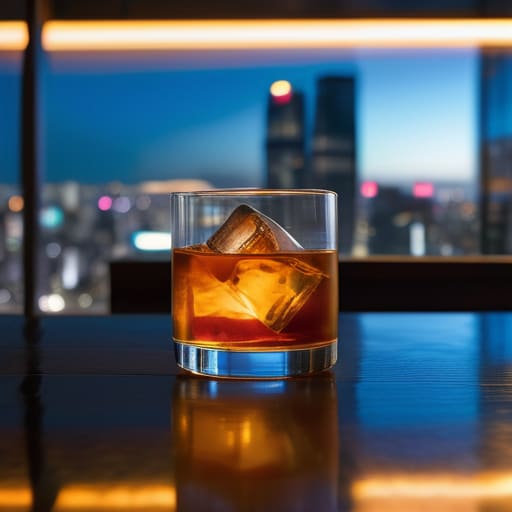
As I sit here in a quiet corner of a Roppongi lounge, watching the city lights blur through a lens of fatigue and satisfaction, I am struck by the sheer breadth of Tokyo’s nocturnal spectrum. We have traversed the extremes—from the claustrophobic, storied intimacy of Golden Gai’s wooden counters to the deafening, kinetic energy of Shibuya’s dance floors. To understand Tokyo’s nightlife is to accept that it is not a single entity, but a complex logistical web of contradictions. It is a city that can offer you the profound silence of a solitary whiskey in a basement bar just as easily as it can thrust you into a sea of neon and bass.
Ultimately, the night in this metropolis is less about the destination and more about the deliberate navigation of its many layers. Do not feel pressured to chase every strobe light or crowded street. Instead, allow yourself the grace to wander into the shadows, to follow the dim amber glow of a side alley, and to find the rhythm that suits your own pace. Tokyo does not demand your attention; it waits for you to notice it. When you stop trying to conquer the chaos and instead begin to observe its flow, the city finally begins to reveal its true, nocturnal soul.
Frequently Asked Questions
How do I navigate the unspoken etiquette of these tiny, six-seat bars without feeling like an intruder?
It’s a common anxiety, but remember: these bars aren’t built for crowds; they are built for connection. When you slide onto a stool, let your presence be quiet. Order a drink immediately—it signals you are a guest, not a loiterer. Avoid the urge to dominate the space with loud conversation or phone use. Instead, observe. Listen to the rhythm of the room. In a six-seat space, your stillness is your best way to belong.
Is there a way to experience Tokyo's late-night energy without getting lost in the overwhelming crowds of the major hubs?
To find that energy without the friction of the crowds, look to the smaller transit nodes. Instead of Shinjuku or Shibuya, head toward Koenji or Shimokitazawa. These neighborhoods retain a local, rhythmic pulse. You’ll find tiny, dimly lit listening bars and small live houses where the music is clear and the crowd is intentional. It is a more efficient way to experience the city’s soul—less noise, more substance, and far more breathing room.
Beyond the neon-lit districts, where can one find a quiet place to sit and observe the city's rhythm after the clubs begin to empty?
When the adrenaline of Shibuya finally fades, I find myself drawn to the 24-hour kissaten near Ueno. There is a specific, rhythmic stillness in these old-school coffee shops. As the last revelers stumble toward the Yamanote line, you can sit in a velvet booth, watch the steam rise from a dark roast, and observe the city resetting itself. It is in these dim, quiet corners that Tokyo’s true, steady breath becomes audible.
