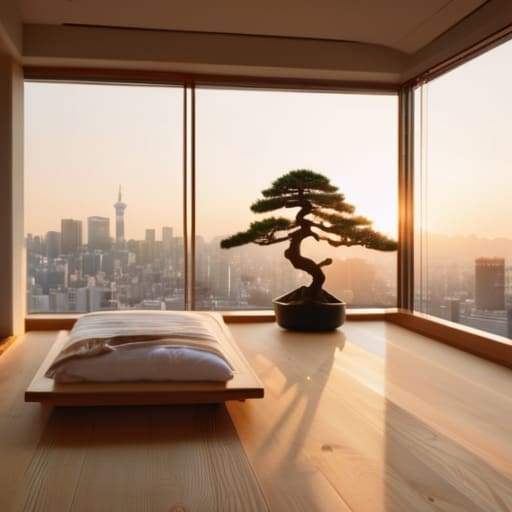
I sat in a cramped, sun-drenched apartment in Setagaya last Tuesday, watching a young professional struggle to fit a designer chair through a doorway that was clearly never meant for such things. It struck me how much of the modern discourse around minimalist urban living is nothing more than a high-priced aesthetic—a curated collection of expensive, empty white rooms that feel more like galleries than homes. We’ve been sold this lie that minimalism is about buying the perfect single item, when in reality, true efficiency is about the logistical mastery of your own space.
I have no interest in teaching you how to buy a more expensive version of “less.” Instead, I want to share what thirty years of managing complex systems has taught me about functional simplicity. In the following pages, I will offer a pragmatic guide to navigating the constraints of city life, focusing on how to optimize your environment without losing your soul to a catalog. We will look past the trends and focus on the quiet mechanics of space, ensuring your home serves as a sanctuary rather than a logistical bottleneck.
Table of Contents
Small Space Decluttering Techniques for the Quiet Mind
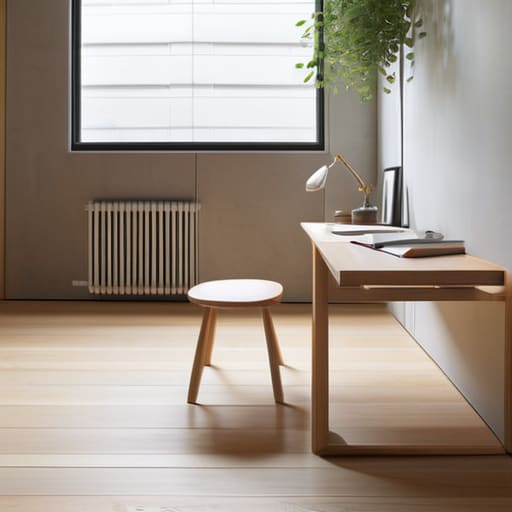
In my years managing global logistics, I learned that efficiency isn’t about having more; it is about the precise movement of what is essential. When you are living in a compact Tokyo apartment, every square centimeter must earn its keep. I’ve found that effective small space decluttering techniques start with a ruthless audit of your physical inventory. If an object doesn’t serve a clear, daily purpose or provide a profound sense of calm, it is merely friction in your living environment. I often sit with my notebook, mapping out my floor plan like a transit grid, ensuring that nothing obstructs the natural flow of movement through the room.
To maintain this clarity, I lean heavily into the concept of functional urban furniture. A sturdy, low-profile bench that doubles as storage is far superior to a collection of decorative trinkets that only serve to trap dust and visual noise. By prioritizing pieces that bridge the gap between utility and form, you create a space that breathes. It isn’t about deprivation; it is about curating a life where the physical environment supports, rather than competes with, your mental peace.
Maximizing Square Footage Through a Capsule Lifestyle in Cities
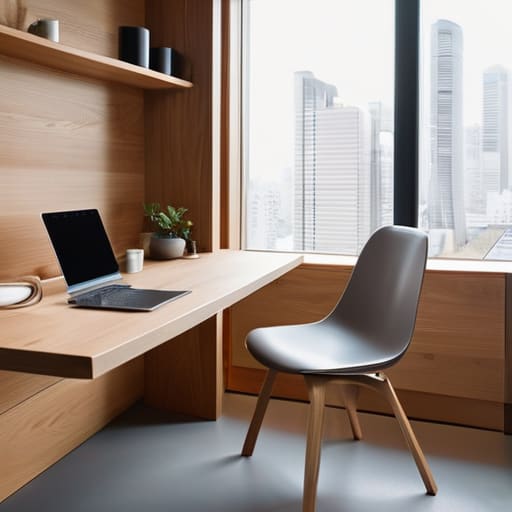
When I look at the cramped studio apartments in Shimokitazawa or the efficient micro-units in Osaka, I don’t see scarcity; I see an opportunity for precision. Adopting a capsule lifestyle in cities isn’t about deprivation, but about curation. It requires a logistical mindset—treating every square inch of your floor plan like a high-stakes warehouse where nothing is allowed to sit idle. If an object doesn’t serve a daily purpose or hold profound sentimental value, it is simply dead weight, consuming the very air you need to breathe.
To make this work, you must prioritize functional urban furniture that performs double duty. A dining table that folds into a console, or a bed with integrated storage, transforms a room from a mere sleeping quarters into a multi-dimensional living space. I’ve found that by focusing on a few high-quality, versatile pieces, you stop fighting against your walls and start working with them. It is a process of maximizing square footage through intentionality, ensuring that your home remains a sanctuary of order rather than a cluttered depot of forgotten things.
The Logistics of Less: Five Practical Rules for the Urban Dweller
- Curate your wardrobe like a cargo manifest. In a small apartment, every garment must earn its place through versatility and durability; if a piece doesn’t serve at least three distinct purposes, it is merely dead weight in your living space.
- Adopt a “one-in, one-out” protocol to maintain equilibrium. For every new object brought across your threshold, an existing one must be retired, ensuring your personal inventory never exceeds the physical capacity of your environment.
- Invest in multi-functional infrastructure rather than decorative clutter. A sturdy, well-designed desk that doubles as a dining surface is far more valuable to a city dweller than a collection of aesthetic but single-use furniture pieces.
- Master the art of digital migration. Moving your archives, photographs, and heavy reference books into the cloud isn’t just about convenience; it is about reclaiming the physical square footage that would otherwise be swallowed by paper and plastic.
- Seek utility in the “externalized” living room. When your apartment feels tight, view the local library, the quiet corner of a neighborhood park, or a well-lit cafe as an extension of your own floor plan, rather than trying to cram the world into four walls.
The Logistics of Living Small
View your belongings not as possessions, but as inventory; if an item doesn’t serve a functional purpose or offer genuine, quiet utility, it is merely friction in your daily flow.
Curate your environment to mimic the efficiency of a well-run transit hub—everything should have a dedicated, logical place to ensure that your home remains a sanctuary rather than a warehouse.
Prioritize quality over volume by investing in multi-functional, durable pieces that respect the limitations of your square footage while standing the test of time.
The Geometry of Enough
Living well in a city like Tokyo isn’t about how much you can fit into a room, but about how much space you leave for your own thoughts to move.
Rurik Salonen
The Architecture of a Quiet Life
Ultimately, minimalist urban living is not about deprivation; it is about a deliberate reconfiguration of your environment to serve your mental clarity. We have looked at how decluttering your physical surroundings can quiet a restless mind and how adopting a capsule lifestyle allows you to reclaim the precious square footage that city living so often steals from us. By treating your home like a well-oiled logistics hub—where every item has a specific purpose and a designated place—you reduce the friction of daily existence. When you strip away the excess, you aren’t just saving space; you are optimizing your capacity to exist within the high-velocity rhythm of the metropolis.
As I sit in a small cafe overlooking the Shinjuku crossing, watching the tide of humanity surge through the streets, I am reminded that the most profound freedom isn’t found in owning more, but in needing less. A city provides an infinite playground of experiences, and if your life is cluttered with the unnecessary, you will be too distracted to notice the subtle beauty of the grid. Let your living space be a sanctuary of intention rather than a warehouse of things. When you master the art of living small, you finally find the room to breathe amidst the unrelenting pulse of the concrete jungle.
Frequently Asked Questions
How do you balance the need for functional storage with the desire to keep a living space feeling open and uncluttered?
It’s a logistical puzzle, really. I’ve learned that the secret lies in verticality and concealment. Instead of spreading items across surfaces, I utilize high shelving or custom cabinetry that blends into the walls—keeping the visual field clear. I treat my belongings like cargo in a well-organized warehouse: everything must have a specific, tucked-away coordinate. If a piece of furniture doesn’t serve a dual purpose, it’s simply dead weight in an already tight system.
Is it possible to maintain a sense of personal history and meaningful possessions while adhering to a strict capsule lifestyle?
It is a delicate balance, much like managing a lean inventory without losing the essence of the brand. I don’t believe in discarding your soul to save space. Instead, I curate. I keep the Leica that captured my first Tokyo sunrise and the leather notebook that has traveled a thousand miles. If an object doesn’t serve a function or anchor a memory, it’s just noise. Keep the stories; shed the clutter.
How can I find quiet, communal spaces in a dense city to offset the feeling of living in a very small private footprint?
When your four walls start closing in, you have to treat the city as your extended living room. I’ve found that the best refuge isn’t a crowded cafe, but the quiet corners of municipal libraries or the shaded benches of a neighborhood shrine. Look for the “third spaces”—the small, functional pockets where the city’s rhythm slows down. These aren’t just transit stops; they are the lungs of the metropolis, offering space to breathe.
