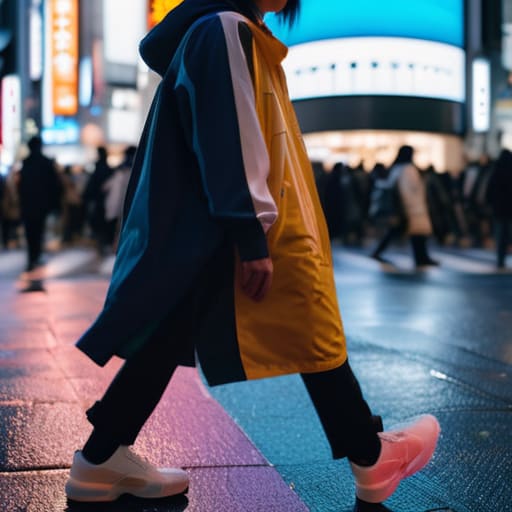
I was sitting in a cramped, dimly lit cafe near Shinjuku Station last Tuesday, watching the crowd surge toward the Chuo Line, when it hit me how much we misinterpret what we see. Most travel magazines treat japanese urban fashion like it’s some curated museum exhibit or a collection of overpriced, avant-garde labels designed for a runway. They miss the point entirely. To the untrained eye, it looks like chaos, but if you sit still long enough with a Leica in your hand, you realize it’s actually a highly disciplined language of utility and silhouette. It isn’t about the brand name on the tag; it’s about how a heavy cotton canvas jacket holds its shape against the humidity of a Tokyo summer.
I have no interest in feeding you the usual hype or telling you which luxury boutiques to empty your savings in. Instead, I want to show you how to read the streets like a map. I’m going to break down the functional logic behind these styles, moving past the neon distractions to find the real substance in the textures and layers. We aren’t looking for trends that will expire by next season; we are looking for the quiet, enduring details that make the city’s aesthetic breathe.
Table of Contents
Harajuku Street Style Aesthetics and the Quiet Chaos
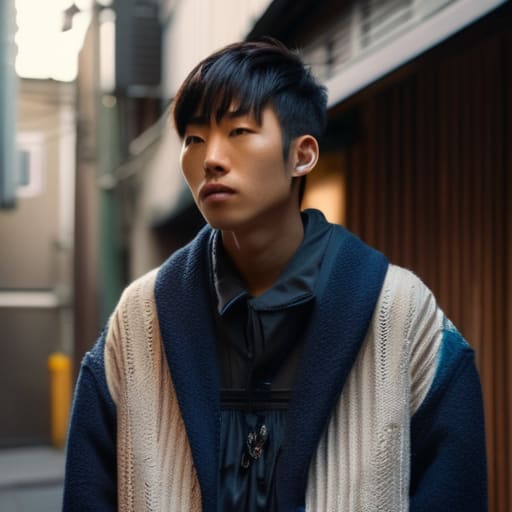
Stepping out of Takeshita Street and into the backstreets of Ura-Harajuku, the sensory overload begins to settle into something more structured. While the main thoroughfare feels like a frantic burst of color, the true essence of Harajuku street style aesthetics lives in the side alleys. Here, the chaos is curated. I sat for a while near a small coffee stand, watching how the youth navigate the narrow passages. It isn’t just about being loud; it is a highly disciplined form of self-expression where every layer, no matter how eccentric, feels intentional.
There is a fascinating tension here between the hyper-visible and the deeply personal. You see it in the way certain Tokyo fashion subcultures emerge from the shadows of vintage shops, blending high-end pieces with thrifted finds. It’s a logistical puzzle of textures—heavy denim clashing with delicate lace, or oversized silhouettes that defy traditional proportions. To the untrained eye, it looks like a mess, but to me, it looks like a complex, living system of identity that breathes entirely on its own terms.
The Silent Language of Shibuya Fashion Trends
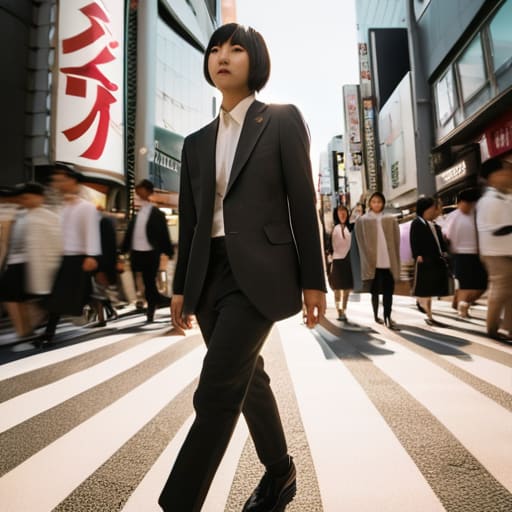
If Harajuku is the city’s loud, colorful heartbeat, then Shibuya is its steady, rhythmic pulse. I often find myself sitting near the Hachiko exit, not to watch the scramble of the crossing, but to observe the way the crowd moves through it. There is a specific, almost mathematical precision to the way people dress here. Unlike the more theatrical displays found elsewhere, Shibuya fashion trends lean toward a polished, functional edge. You see it in the way a young professional might pair a structured, oversized blazer with high-end Japanese streetwear brands, creating a silhouette that is both imposing and incredibly fluid.
It is a study in controlled movement. While the world sees a chaotic intersection, I see a sea of carefully curated textures—heavy denims, technical fabrics, and the subtle drape of minimalist urban clothing that suggests a deep respect for both form and utility. There is no wasted effort in these outfits. Even the most experimental looks feel grounded in a sense of purpose, as if every layer was chosen to navigate the transition from a dim basement cafe to the bright, neon-soaked streets without missing a beat.
The Logistics of Style: Five Observations on Navigating the Japanese Wardrobe
- Prioritize the silhouette over the brand. In Tokyo, I’ve noticed that the most compelling outfits aren’t defined by a logo, but by how the fabric interacts with the space around the body—often favoring intentional, architectural volumes that command a quiet presence.
- Master the art of layering for the transit shuffle. Moving from a humid street into a climate-controlled subway car requires a certain technical foresight; look for lightweight, high-quality natural fibers that allow you to adapt to the city’s microclimates without losing your shape.
- Invest in the “uniform” of the urban professional. Much like the efficiency of a well-run logistics hub, Japanese street style often relies on a highly curated set of reliable basics—dark navy trousers, crisp white shirts, and structured outerwear—that can be mixed and matched with mathematical precision.
- Respect the footwear as a functional necessity. The city is a walking machine, and the fashion reflects this; you will see a remarkable marriage between high-concept design and extreme practical durability, from technical trekking boots to meticulously maintained leather loafers.
- Seek the beauty in the subtle texture. Instead of looking for loud patterns, observe how different weaves and weights of fabric catch the light in a narrow alleyway; the real sophistication lies in the tactile details that only become apparent when you are standing still in the crowd.
The Lessons Written in the Fabric
True Japanese urban style isn’t found in the loud, neon-soaked storefronts, but in the intentionality of how a person layers their clothing to navigate the shifting temperatures of a city transit system.
Fashion in Tokyo and Osaka serves as a silent social code, where the choice between oversized silhouettes and sharp, minimalist lines tells a story of how an individual chooses to occupy space within the crowd.
To understand the aesthetic of the street, one must look past the fleeting trends of the major hubs and observe the quiet, functional elegance of those moving through the city’s periphery, where utility and personal expression meet.
The Fabric of the Commute
“I have spent my life studying the movement of goods across borders, but there is a more subtle logistics at play on the streets of Tokyo—a silent, coordinated dance of silhouette and texture, where every person’s attire is a deliberate choice in how they intend to occupy their space within the crowd.”
Rurik Salonen
The Thread That Binds the City
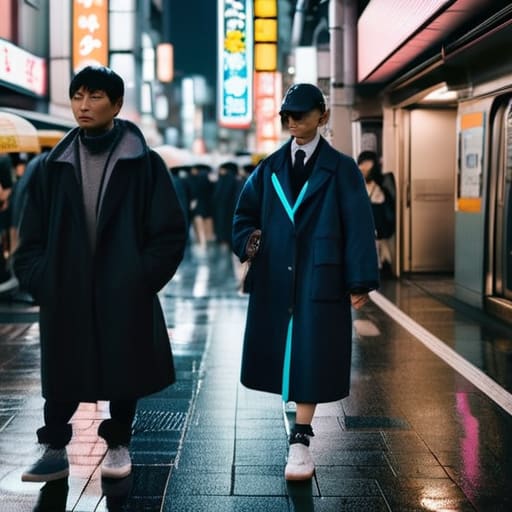
Looking back at the frantic energy of Harajuku and the more reserved, curated silhouettes of Shibuya, it becomes clear that Japanese urban fashion is not a monolith. It is a complex logistical network of self-expression, much like the subway lines I map out in my notebook. We have seen how the chaos of youth culture can coexist with a deeply disciplined sense of aesthetic precision. Whether it is the loud, experimental layers of a teenager or the meticulous minimalism of a salaryman in Ginza, there is a common thread: an obsession with how a garment interacts with the urban environment. It is about more than just clothes; it is about how a person negotiates their space within the dense, breathing machinery of the metropolis.
As I sit in a small kissaten near Shinjuku, watching the commuters drift past the window, I am reminded that the true beauty of these styles lies in their transience. Trends will shift, and the neon lights will eventually dim, but the impulse to find identity through one’s outward presentation remains constant. Do not merely look at the labels or the brands when you next walk the streets of Tokyo. Instead, look for the quiet intentionality in the way a stranger carries themselves. If you learn to read the fabric and the fold, you will begin to understand the silent rhythm of the city itself.
Frequently Asked Questions
How does the seasonal shift in Japan's climate influence the practical layering seen in metropolitan street style?
In my years managing logistics, I learned that efficiency is born from preparation. In Tokyo, fashion follows a similar logic. As the humidity of summer breaks into the sharp, biting chill of November, the silhouette of the city shifts. It isn’t just about warmth; it’s a masterclass in modularity. You see people transitioning through technical knits and structured overcoats—layers that allow them to navigate the sudden temperature swings between a frozen street and a stiflingly heated subway car.
Beyond the major hubs like Shibuya or Harajuku, where can one find more understated, functional urban attire in Tokyo?
If you want to escape the performative spectacle of the major hubs, head toward Shimokitazawa or Daikanyama. In these neighborhoods, the fashion shifts from costume to composition. You’ll see a preference for high-quality textiles and silhouettes that respect the wearer’s movement—much like a well-designed transit map. It’s more about the integrity of a garment than the brand on its label. There, the style feels lived-in, practical, and quietly intentional.
To what extent does the meticulous attention to garment construction and fabric quality define the local aesthetic compared to fast-fashion trends?
In my experience, the distinction is stark. While fast fashion exists, the true Japanese aesthetic is rooted in a profound respect for the material itself. You see it in the way a heavy denim drapes or how a seam holds its integrity after years of wear. To me, it’s a logistical marvel of quality control; there is a deliberate preference for longevity and structural precision over the fleeting, disposable cycles we see elsewhere.
