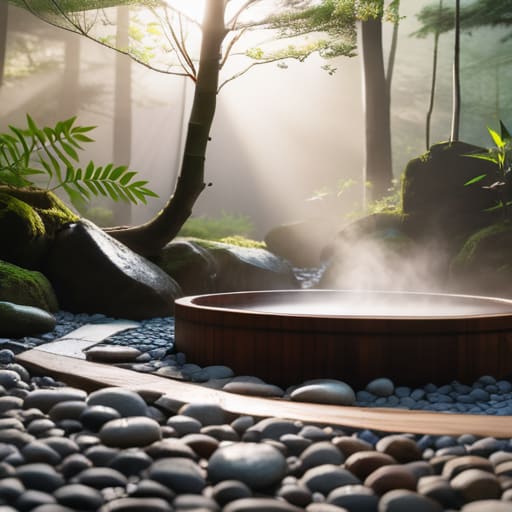
The steam in a traditional bathhouse is thick enough to hide a multitude of sins, but it cannot hide a lack of awareness. I remember my first visit to a small, cedar-scented bath in Hakone; I was so preoccupied with my camera gear and my mental map of the local rail lines that I nearly committed a cardinal sin by stepping into the water without a proper scrub. It wasn’t a grand mistake, but in the delicate ecosystem of a communal bath, even a small lapse in onsen etiquette feels like a disruption to the rhythmic stillness that everyone else has worked so hard to maintain.
I have no interest in giving you a list of rigid, suffocating rules designed to make you feel like a trespasser. Instead, I want to share the logic behind the ritual. My goal is to strip away the anxiety of the unknown and replace it with a functional understanding of how these spaces actually work. I will provide you with a grounded, no-nonsense guide to navigating the bathhouse with grace, ensuring you can focus on the heat and the quiet rather than worrying about whether you’ve offended the room.
Table of Contents
Mastering the Sacred Pre Bath Washing Procedure
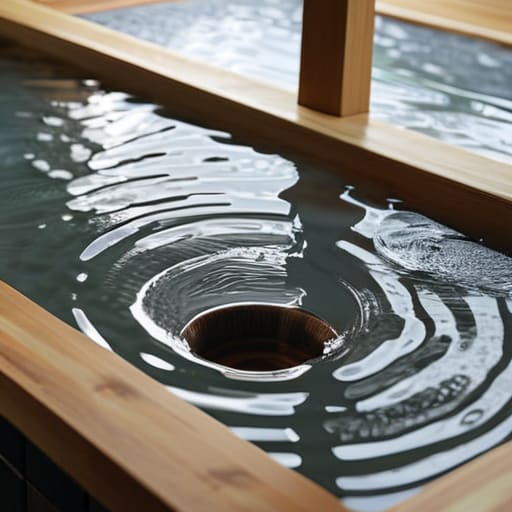
Before you even consider the warmth of the mineral water, you must attend to the stool and the basin. In my years of logistics, I learned that any efficient system relies on a clean starting point, and the pre-bath washing procedure is the foundational ritual of the bathhouse. You will find a row of low stools and small plastic buckets; this is your workspace. It is not merely about personal hygiene, but about a collective responsibility to ensure the communal pool remains pristine. Scrub every inch of your skin thoroughly before stepping toward the spring.
There is a specific rhythm to these japanese bathing customs that can feel daunting if you are watching the clock, but it is actually quite meditative. I find that sitting low, focused on the task of rinsing away the day, allows one to settle into the environment. If you rush this stage, you disrupt the flow of the space. Remember, the goal is to arrive at the water’s edge completely clean, leaving nothing behind but the quiet intention of your presence.
Understanding the Unspoken Onsen Social Norms
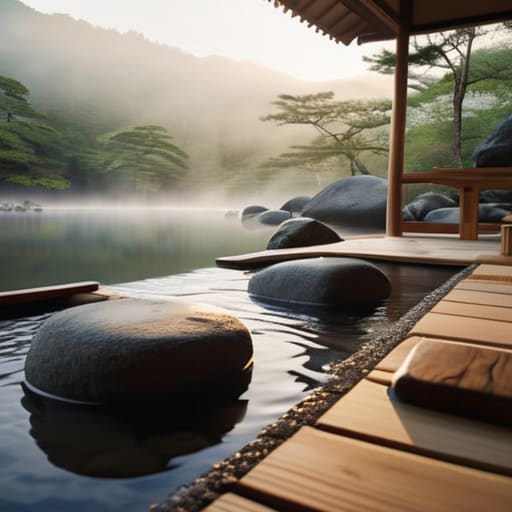
Once you have finished your initial scrubbing, you enter a space governed by a subtle, collective rhythm. There is no loud instruction manual for these onsen social norms; instead, you must learn to read the room. It is a dance of spatial awareness. You’ll notice people rarely sit directly next to one another if a stool is available elsewhere, maintaining a respectful distance that preserves the shared solitude. It isn’t about being cold; it is about providing each person with a private pocket of peace within a communal setting.
I have often sat on a small wooden stool, watching the steam rise, and realized that the most important rule is one of unobtrusive presence. This extends to the small things, like the specific onsen towel rules regarding where to place your cloth—never letting it touch the bathwater, but rather resting it atop your head. For those traveling with visible ink, it is worth noting that while attitudes are shifting, the conversation around tattoos in japanese hot springs remains a delicate one. It is always best to check the specific facility’s stance beforehand to ensure your presence remains harmonious with the quietude of the bath.
The Small Nuances of the Bathing Ritual
- Keep your towel away from the water; it is a tool for drying, not a companion for the bath. I usually fold mine small and rest it atop my head, a practical way to keep it clean while staying cool in the steam.
- Respect the silence of the shared space. An onsen isn’t a place for loud conversation or boisterous laughter; it is a communal meditation where the only acceptable sounds are the gentle splash of water and the low hum of the building.
- Manage your moisture with care. When moving from the hot spring to the changing area, use your small towel to wipe yourself down as much as possible. Leaving a trail of water on the floor disrupts the flow and the cleanliness of the shared space.
- Observe the temperature with patience. Do not rush into the deepest, hottest pools immediately. Like a well-oiled machine, your body needs time to calibrate to the heat; start with the shallower or cooler sections to avoid overwhelming your system.
- Mind the hair and the waterline. If you have longer hair, ensure it is tied back or tucked away. The goal is to leave the water exactly as you found it—pristine, undisturbed, and free of any trace of your presence.
The Quiet Geometry of the Onsen
Respect the ritual of the wash; it is the essential boundary between the chaos of the outside world and the purity of the water.
Listen more than you speak; the onsen is a shared space of silence where the true atmosphere is felt, not discussed.
Observe the flow of the room; a successful visit relies on a subtle awareness of others’ space, moving with a steady, unobtrusive grace.
## The Rhythm of the Water
“Etiquette in an onsen is rarely about a list of rigid prohibitions; rather, it is a shared, unspoken choreography designed to preserve the stillness that everyone has come there to find.”
Rurik Salonen
The Quiet After the Steam
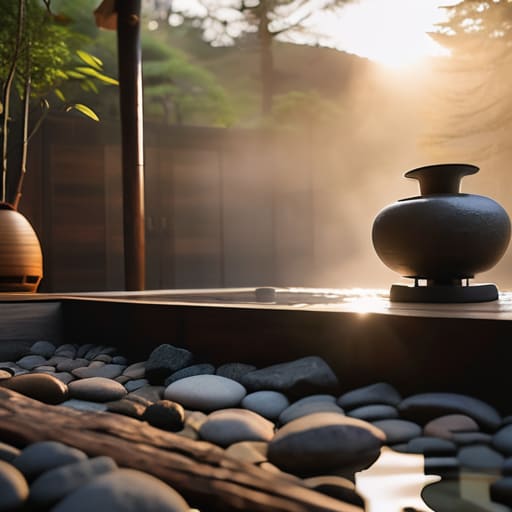
Ultimately, navigating an onsen is less about memorizing a rigid list of prohibitions and more about mastering the art of spatial awareness. Whether it is the meticulous ritual of scrubbing yourself clean before entering the communal pool or the silent, respectful distance maintained between bathers, these actions serve a singular purpose: preserving the sanctity of the space. When you respect the pre-wash protocols and honor the unspoken social boundaries, you aren’t just following rules; you are ensuring that the equilibrium of the bath remains undisturbed for everyone involved. It is a delicate, logistical dance of cleanliness and consideration.
As I sit in my local café after a long soak, sketching the transit lines of the Shinjuku station in my notebook, I am reminded that these rituals are what allow a city to breathe. We often think of urban life as a series of collisions, but the onsen offers a rare, structured pause. It is a lesson in how we can exist in close proximity to strangers without encroaching on their peace. If you approach the hot springs with a spirit of quiet observation rather than a checklist of demands, you will find that the true warmth of the experience has nothing to do with the temperature of the water, and everything to do with the shared stillness of the moment.
Frequently Asked Questions
What should I do if I have a small bandage or a minor skin condition that might conflict with the communal bathing rules?
It’s a common point of friction for the uninitiated. In my experience, the rule is simple: transparency is your best tool. If you have a small bandage, it’s often best to cover it with a waterproof, skin-colored patch, but even then, some traditional establishments may ask you to skip the communal pool. If it’s a minor skin condition, I find it’s best to check with the front desk first. Honesty preserves the shared stillness.
Is it considered rude to bring a book or a camera into the changing area, or is that strictly reserved for the baths themselves?
Leave the camera in your locker. The changing area is a space of transition, a place where people are shedding their public personas along with their clothes. Bringing a camera or a book into that vulnerability feels intrusive, a disruption of the communal privacy. As for books, while less taboo, they tend to clutter the shared space. Best to leave them in your bag; the onsen is for presence, not for distraction.
How do I navigate the etiquette of a crowded bath when I feel like I'm intruding on someone else's quiet moment?
The key is to embrace the concept of “kuki wo yomu”—reading the air. In a crowded bath, silence isn’t an absence of connection; it’s a shared respect for privacy. I find that if I move with intention, keeping my movements slow and my gaze soft, I become part of the room’s natural rhythm rather than a disruption. Find a corner, settle into the warmth, and simply exist alongside them. You aren’t intruding; you are participating in the stillness.
