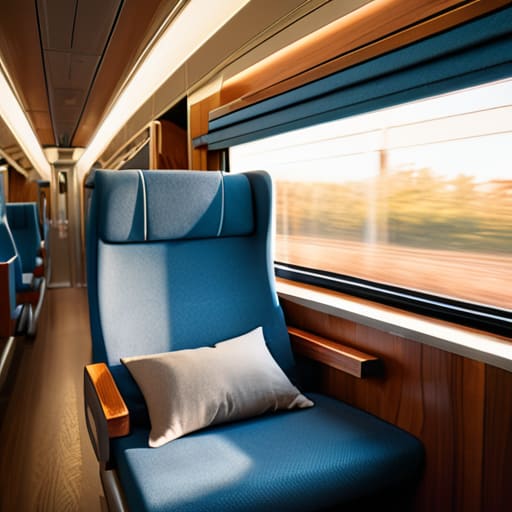
I was sitting in a cramped Shinjuku station car last Tuesday, watching a young man struggle to balance a massive, noisy backpack while simultaneously shouting into his phone. It wasn’t just the volume that bothered me; it was the complete lack of awareness regarding the spatial economy of the carriage. People often mistake public transport etiquette for a rigid set of polite rules found in a guidebook, but that’s a misconception. In reality, it is a silent, logistical dance—a way of managing the limited resources of space and sound so that the entire system can function without friction.
I have no interest in teaching you how to bow or which hand to use to hand over your fare. Instead, I want to share what I’ve learned from thirty years of managing complex flows and thousands of hours spent observing the city’s pulse from a subway seat. I will provide you with a practical framework for navigating urban transit with grace, focusing on the subtle cues that allow you to move through a crowd without becoming part of its chaos. This isn’t about being perfect; it’s about understanding the rhythm of the machine.
Table of Contents
Mastering Transit Passenger Behavior in Crowded Spaces
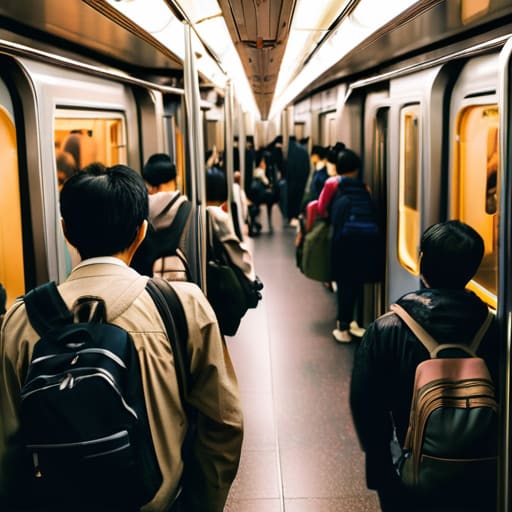
When the doors of a Shinjuku-bound train slide shut and the carriage fills to capacity, the atmosphere shifts. You aren’t just a passenger anymore; you are a single cell in a larger, moving organism. Navigating this requires more than just physical agility; it demands an awareness of transit passenger behavior that goes beyond mere politeness. I’ve often found that the most successful commuters are those who minimize their physical footprint. It’s a subtle dance of tucking in elbows, securing heavy backpacks to the floor, and maintaining a certain stillness. When space is at a premium, every inch of reclaimed territory matters to the person standing next to you.
There is also a profound, silent contract regarding the auditory landscape. In the dense humidity of a rush-hour car, the sudden blare of a video or a loud phone conversation feels like a physical intrusion. Respectful commuting habits dictate that we treat the cabin as a shared sanctuary of quiet. Whether it is managing noise levels on public transit or simply being mindful of the space your body occupies, the goal is the same: to allow the city to move without friction.
Preserving Quietude and Managing Noise Levels on Public Transit
In my years managing logistics, I learned that a system only functions when every component respects the boundaries of the next. The same applies to the auditory landscape of a subway car. There is a specific kind of tension that arises when a single, blaring video or a loud, one-sided phone conversation disrupts the collective calm. These aren’t just minor annoyances; they are disruptions to the shared equilibrium of the carriage. Practicing respectful commuting habits means recognizing that your soundtrack is not the city’s responsibility to host.
I often find myself watching the commuters in Tokyo, marveling at how they manage to maintain a sense of solitude despite being inches away from strangers. They understand the commuter unspoken rules regarding sound: a soft hum of a melody or the muffled click of a book page is acceptable, but the digital intrusion of a speakerphone is a breach of the social contract. If you must take a call, step onto the platform. It is a small concession, but it preserves the essential quietude that allows a weary traveler to simply exist in the space between destinations.
The Small Gestures of a Functional City
- Mind the threshold. When boarding or exiting, wait for the flow to settle before stepping into the carriage; forcing your way into a moving stream disrupts the very efficiency the system was designed to maintain.
- Respect the hierarchy of space. A seat is not merely a convenience, but a shared resource; offering it to those with physical needs or the elderly is the silent glue that keeps a high-density society from fraying.
- Manage your physical footprint. In the tight confines of a commuter train, keep your belongings close to your body and your backpack on your lap; occupying unnecessary cubic space is a subtle form of urban friction.
- Observe the unspoken queue. Whether at a ticket gate or a platform edge, follow the painted lines and the natural order; a disciplined line is the difference between a seamless transition and a chaotic bottleneck.
- Practice digital discretion. While the world moves toward constant connectivity, remember that your screen’s brightness and your device’s alerts are personal matters; keep your digital life contained so as not to intrude upon the collective headspace of the car.
The Quiet Logic of the Commute
Respect the unspoken boundaries of shared space; in a city as dense as Tokyo, your personal footprint—both physical and auditory—should be as minimal as possible.
View transit etiquette not as a set of rigid rules, but as a functional social contract that allows the city’s arteries to flow without friction.
Observe the rhythm of the crowd rather than fighting against it; true ease of travel comes from moving in sync with the collective movement of the station.
## The Silent Contract of the Commute
“A train carriage is not merely a vessel for moving bodies from point A to point B; it is a shared, temporary ecosystem. True etiquette isn’t about following a list of rules, but about recognizing that your personal space ends exactly where another person’s dignity begins.”
Rurik Salonen
The Geometry of Respect
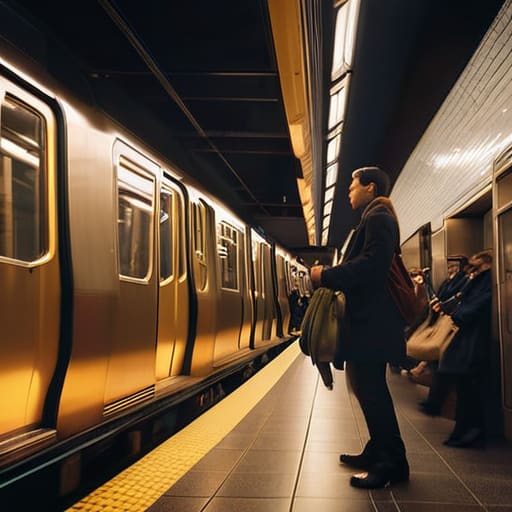
Ultimately, navigating a city’s transit network is less about the logistics of getting from point A to point B and more about the unspoken social contract we sign every time we step onto a platform. We have discussed the necessity of managing our physical footprint in crowded cars and the vital importance of maintaining a respectful silence. Whether it is adjusting your bag to clear a walkway or lowering the volume of your device, these small, deliberate actions prevent the friction that turns a commute into a struggle. When we master these behaviors, we aren’t just following rules; we are ensuring that the metropolitan machinery functions with the grace and efficiency it requires to sustain millions of lives every single day.
As I sit with my notebook, watching the blurred lights of the Chuo Line streak past my window, I am reminded that there is a profound, quiet beauty in this collective discipline. A city is a living organism, and its transit systems are the arteries that keep it breathing. When we practice mindfulness in these shared spaces, we contribute to the rhythm of the streets rather than disrupting it. I invite you to look beyond your phone next time you travel. Observe the flow, respect the stillness, and find your own sense of order within the beautiful, organized chaos of the urban landscape.
Frequently Asked Questions
How do I navigate the subtle social cues of priority seating without causing unintended offense?
The priority seats are a delicate piece of urban choreography. I’ve learned that the best approach is one of quiet readiness rather than overt performance. If you see someone in need—an elderly person, a pregnant woman, or someone with a visible injury—stand up immediately but calmly. Avoid making a spectacle of your gesture; a simple, slight nod is enough. If the seat is empty, sit, but keep your bag at your feet. Be prepared to move the moment the rhythm of the carriage shifts.
What is the unspoken protocol for managing large luggage on a packed commuter train during peak hours?
The unspoken rule is simple: if you’re carrying a large bag during rush hour, you are the disruption. The most respectful move is to avoid the train entirely if possible. If you must board, place your luggage between your legs or on the floor at your feet to minimize your footprint. Never hold a suitcase in your lap or block the aisles; in a city that moves by precision, your goal is to be invisible.
Are there specific regional differences in transit etiquette when traveling between the more formal atmosphere of Tokyo and the slightly more relaxed rhythm of Osaka?
The shift from Tokyo to Osaka is like moving from a strictly choreographed ballet to a spirited jazz ensemble. In Tokyo, there is a profound, almost sacred commitment to silence and personal boundaries; the air feels heavy with shared discipline. Osaka, however, breathes with a different cadence. It is warmer, more boisterous, and slightly more forgiving of human noise. You’ll find the social friction is lower there, but the underlying respect for the collective remains.
