Blog

  • Finding Coworking Spaces in Tokyo

    Finding Coworking Spaces in Tokyo

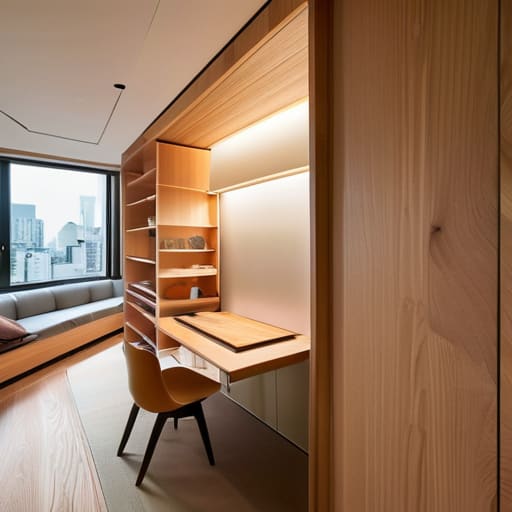
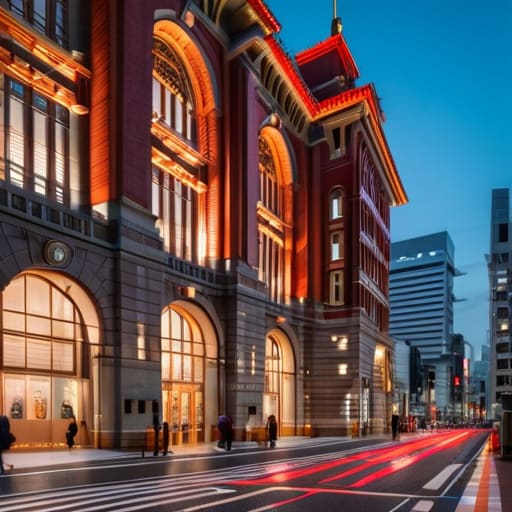
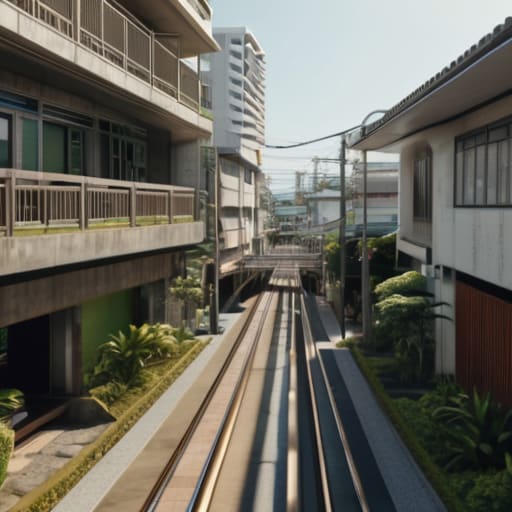
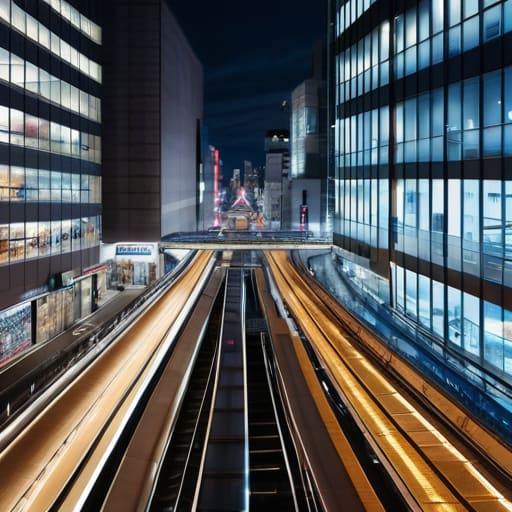
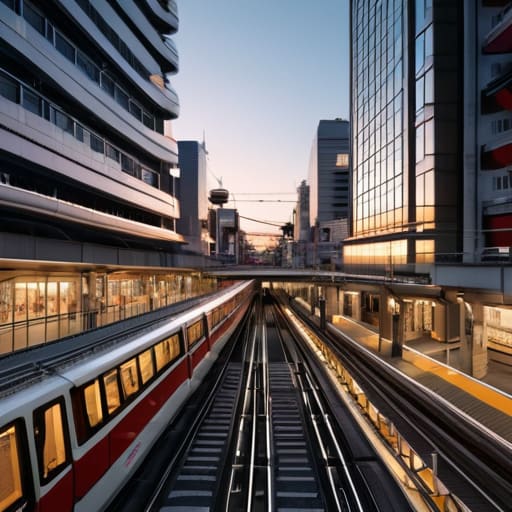
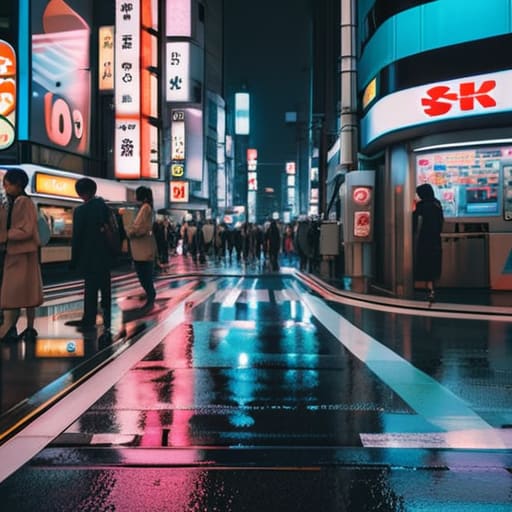
    I’ve spent most of my life managing the movement of goods across oceans, but nothing quite tests your internal equilibrium like trying to find a moment of stillness in the middle of a Tokyo rush hour. For the modern professional, the city can feel like a beautiful, relentless machine that offers very little room to actually think. You find yourself wandering through the neon-lit corridors of Shibuya or the concrete canyons of Shinjuku, searching for a place where the noise fades into a productive hum. The challenge isn’t just finding a desk; it’s discovering the right kind of tokyo coworking spaces that offer more than just high-speed Wi-Fi and a sterile atmosphere.

    In the following pages, I’ve bypassed the flashy, corporate lounges that most travel guides prioritize. Instead, I’ve selected five specific locations that I believe capture the true essence of urban focus. Whether you need a sun-drenched corner for deep reflection or a highly efficient hub near a major transit artery, these selections will help you navigate the city’s professional landscape with intention. I promise to show you where the city’s rhythm meets your need for quiet, functional productivity.

    Table of Contents

    The Quiet Efficiency of Share Lounge

    The Quiet Efficiency of Share Lounge.

    Most people mistake productivity for constant movement, but I’ve found that true focus requires a certain level of structured stillness. The Share Lounge locations, particularly those tucked near major hubs like Shibuya, operate with a logistical precision that I find deeply comforting. It isn’t a frantic startup hub; rather, it feels like a well-oiled machine designed for the solitary professional who needs to disappear into their work for a few hours.

    Finding Solitude in Tsutaya Books' Workspaces

    Finding Solitude in Tsutaya Books' Workspaces.

    There is a specific kind of magic found in the intersection of literature and labor. When I wander into the more expansive Tsutaya locations, I am not looking for a desk so much as I am seeking an atmosphere of intellect. These spaces don’t scream “office”; they whisper “inspiration.” It is a far cry from the sterile, white-walled coworking cubicles that dominate the business districts of Marunouchi.

    The Minimalist Charm of WeWork's Hidden Corners

    The Minimalist Charm of WeWork's Hidden Corners.

    While the name WeWork often conjures images of high-energy networking and neon-lit lounges, I prefer to look for their more understated outposts. There are certain locations, often nestled in older, repurposed buildings, that retain a sense of character that the glass skyscrapers lack. These spots offer a functional, no-nonsense environment that appeals to my preference for practical design.

    The Local Pulse of Station Work

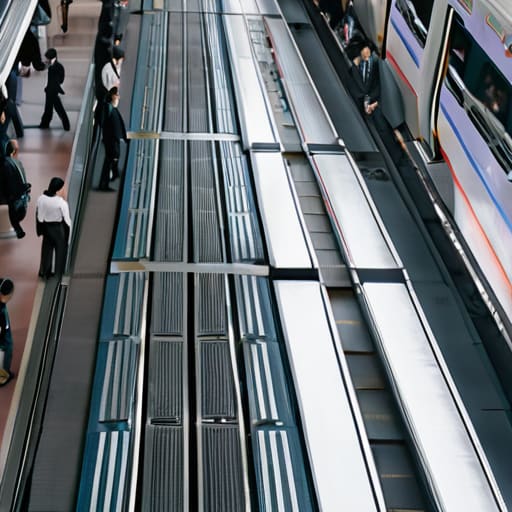
    As someone who spent decades studying the movement of goods and people, I have a profound respect for the transit-adjacent workspaces that pop up near major stations. These are the unsung heroes of Tokyo’s urban infrastructure. They cater to the commuter who has found a gap in their schedule or the traveler who needs a temporary base of operations between long-distance legs.

    The Zen of Small-Scale Neighborhood Hubs

    If you want to truly understand how a neighborhood breathes, you must step away from the primary arteries of the Yamanote Line. I have often stumbled upon tiny, independent coworking spots in the residential pockets of Setagaya or even parts of Shimokitazawa. These places are intimate and unpretentious, often run by a single person who knows exactly how much coffee a regular needs.

    The Logistics of Finding Your Focus

    Avoid the polished, high-traffic hubs in major districts if you need deep work; instead, look for spaces situated just one or two stops away from the main Yamanote loop to find a more consistent, quiet rhythm.

    Success in Tokyo’s remote landscape depends on understanding the local transit flow; choose a workspace that aligns with your natural movement patterns rather than fighting against the city’s peak-hour congestion.

    The most productive environments are often found in the “in-between” spaces—small, functional corners that prioritize utility and calm over the performative aesthetics of modern corporate offices.

    The Logistics of Focus

    “In a city that never truly stops breathing, a good coworking space isn’t just about high-speed internet or ergonomic chairs; it is a necessary valve. It is that rare, functional pocket of stillness where the frantic rhythm of the Yamanote line fades into the background, allowing you to finally hear your own thoughts.”

    Rurik Salonen

    The Rhythm of the Workspace

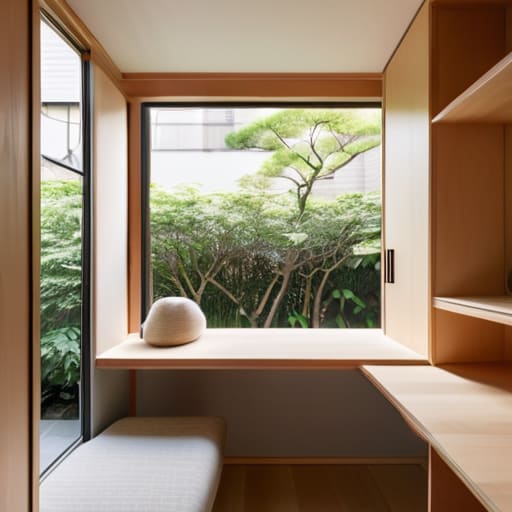
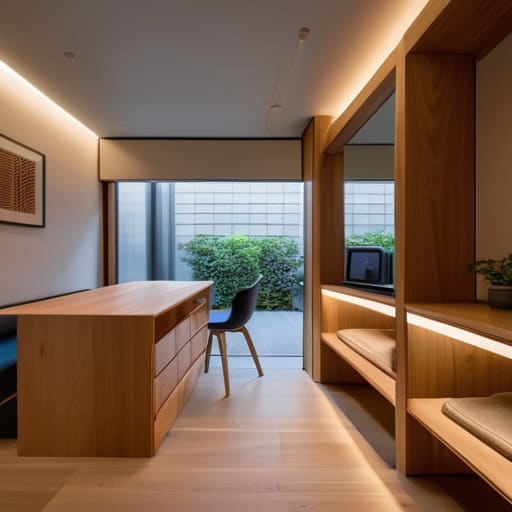
    Choosing where to plant yourself for the day in this sprawling metropolis isn’t merely a matter of checking for high-speed Wi-Fi or a reliable espresso machine. It is about understanding the logistical flow of your own productivity. Whether you find your focus in the high-energy hubs of Shibuya or the hushed, sun-drenched corners of a neighborhood station, each space offers a different way to engage with the city. From the structured professional environments to the more intimate, tucked-away desks, the right choice depends entirely on how you intend to navigate the day’s demands.

    As I sit here, sketching the intricate web of the Chuo Line in my notebook, I am reminded that Tokyo is not a monolith of neon and noise. It is a collection of small, functional rhythms. Finding your workspace is much like finding your footing in a new subway station; once you understand the layout, the chaos begins to feel like a well-oiled machine. Don’t rush to find the most famous address. Instead, look for the place that allows you to breathe alongside the city, turning a simple workday into a meaningful part of your urban journey.

    Frequently Asked Questions

    Is it better to stick to the major hubs like Shibuya, or should I look for something more tucked away near the residential lines?

    If you want the adrenaline of the machine, stick to Shibuya. It’s efficient, certainly, but it’s also a relentless tide of humanity. For me, the real clarity comes from the residential lines—places like Setagaya or even closer to the quieter stretches of the Chuo line. There is a specific, rhythmic calm in a neighborhood workspace. You trade the neon spectacle for a sense of how the city actually lives.

    How much of a difference does it actually make to pay for a dedicated desk versus just grabbing a seat in a common area?

    It comes down to the cost of your focus. If you’re just checking emails between subway transfers, a common area seat is perfectly functional. But if you’re deep in a project, the common area is a distraction—the clatter of coffee cups and the ebb of foot traffic will fray your nerves. For me, a dedicated desk is an investment in stability. It’s the difference between drifting through the city and having a home base.

    Are these spaces truly quiet enough for deep focus, or is the ambient city noise always going to bleed through?

    It depends on how you define “quiet.” If you’re expecting a library, you might be disappointed. In a city that never truly sleeps, there is always a low-frequency hum—the distant pulse of the Yamanote line or the muffled shuffle of commuters. However, the spaces I’ve vetted offer a specific kind of acoustic insulation. They don’t silence the city; they filter it, turning chaotic noise into a steady, rhythmic backdrop that actually aids concentration.

  • Exploring the Cafe Scene in Japan

    Exploring the Cafe Scene in Japan

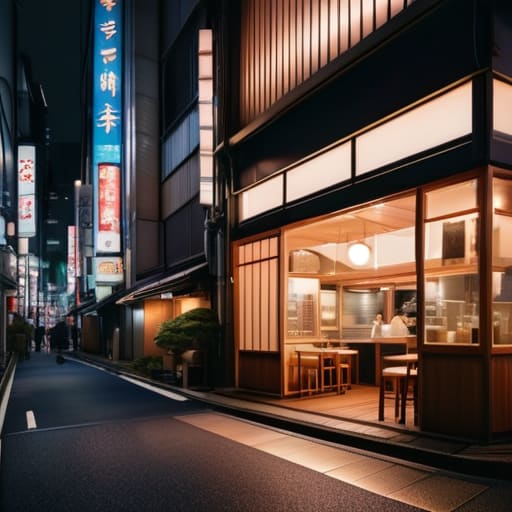
    I was sitting in a crowded, neon-soaked district in Shinjuku last Tuesday, staring at a line of tourists waiting forty minutes for a “concept cafe” that served nothing but overpriced, aesthetic foam and Instagram-ready pastries. It struck me then how much the true essence of japan cafe culture has been obscured by the noise of social media trends. People are chasing a curated image, but they are missing the actual pulse of the city. They seek the spectacle, while the real magic—the quiet, functional grace of a neighborhood institution—is happening just two blocks away in a dim, wood-paneled corner that doesn’t even have a sign.

    I have no interest in telling you which cafes are the most “photogenic.” Instead, I want to show you how to read the city like a map. In the following pages, I will share my observations on how to find the authentic spaces where the rhythm of daily life actually unfolds. We won’t be chasing hype; we will be looking for the steady, reliable corners where the coffee is strong, the service is precise, and the atmosphere allows a person to finally hear their own thoughts.

    Table of Contents

    The Living Legacy of Kissaten History and Tradition

    The Living Legacy of Kissaten History and Tradition.

    To understand the modern landscape, one must first respect the foundations laid by the kissaten. These aren’t merely coffee shops; they are survivors of a different era. Long before the influx of third-wave roasters, the kissaten served as a sanctuary for the solitary thinker and the quiet professional. There is a specific, heavy stillness in these establishments—a sense that time has been deliberately slowed down. You can see the kissaten history and tradition etched into the dark wood paneling and the meticulous, almost ritualistic way a master barista handles a siphon brewer. It is a discipline born of necessity, a way to carve out a moment of order amidst the relentless momentum of the city.

    While the younger generation gravitates toward the bright, airy aesthetic of modern minimalism, the old guard remains. There is a subtle, lingering japanese tea ceremony influence in how these spaces operate; it is about the intentionality of the pour and the respect for the vessel. Even as the city shifts, these bastions of quietude remind us that true hospitality isn’t found in speed, but in the steady, unhurried grace of a well-executed ritual.

    Minimalist Cafe Design Trends and the Art of Space.

    In my years managing logistics, I learned that efficiency doesn’t have to mean coldness; it can actually create a profound sense of order. I see this same principle manifesting in the current minimalist cafe design trends sweeping through Tokyo’s backstreets. Unlike the cluttered, maximalist spaces of the West, these modern establishments utilize negative space as a structural element. They strip away the superfluous, leaving only the essential: a single slab of light oak, a concrete wall, and the precise geometry of a window frame. It is a calculated subtraction that allows the patron to finally breathe.

    There is a subtle, almost rhythmic connection here to the japanese tea ceremony influence, where every movement and every object serves a singular purpose. You won’t find much in the way of loud branding or distracting decor. Instead, the design directs your focus toward the tactile—the weight of a ceramic mug or the way the morning light hits a polished floor. In these spaces, the architecture acts as a silent conductor, orchestrating a sense of calm that feels entirely intentional.

    The Logistical Etiquette of the Slow Sip

    • Respect the silence of the space. In many Japanese cafes, especially the older kissaten, the atmosphere is a shared resource. I’ve learned that keeping your voice at a low hum isn’t just politeness; it’s a way of preserving the room’s equilibrium for everyone else.
    • Observe the “one drink” rule. Unlike the sprawling, communal workspaces common in the West, space in Tokyo is at a premium. If you are occupying a seat, ensure you have ordered. It is a simple transaction of respect for the proprietor’s overhead.
    • Master the art of the single-tasker. You will notice many locals sitting alone, engaged only with their coffee or a book. Avoid the urge to turn a quiet cafe into a loud hub for digital nomadism; let the establishment breathe as it was intended.
    • Look for the “hidden” entrances. The best coffee often isn’t advertised on a bright street-level sign. I find that the most authentic experiences require a bit of logistical scouting—looking for a small wooden door at the end of a narrow alley or a sign tucked behind a vending machine.
    • Embrace the seasonal rhythm. The Japanese menu is a reflection of the immediate environment. Don’t fight the change; if you see matcha-infused sweets in spring or roasted chestnut lattes in autumn, order them. To ignore the season is to miss the very heartbeat of the culture.

    The Logistics of Leisure: What to Look For

    Seek out the “third space” in the transition between the rush of the station and the quiet of the residential streets; it is in these liminal zones that the most authentic cafe culture resides.

    Pay attention to the tactile details—the weight of a ceramic cup, the grain of a wooden counter, or the specific hum of a vintage espresso machine—as these are the sensory markers of a space that values permanence over trend.

    Understand that a cafe in Japan is rarely just about the caffeine; it is a functional study in how a city manages its need for solitude amidst dense, high-velocity urban movement.

    The Geometry of Stillness

    “In a city that moves with the relentless precision of a high-speed rail network, the Japanese cafe serves as a vital pressure valve—a small, intentional pocket of stillness where the only thing moving is the slow, rhythmic descent of steam from a pour-over.”

    Rurik Salonen

    The Final Sip

    Enjoying The Final Sip in Shimokitazawa.

    As I sit here, sketching the layout of this particular corner in Shimokitazawa, I realize that Japan’s cafe culture is not a monolith, but a spectrum. We have looked at how the deep, ritualistic roots of the kissaten provide a necessary anchor to the past, and how the modern, minimalist movement uses intentional design to carve out pockets of silence in an increasingly loud world. Whether it is the heavy, dark wood of a Showa-era establishment or the sharp, clean lines of a contemporary roastery, these spaces serve a singular, logistical purpose: they are the essential valves of the city, allowing the pressure of urban life to vent and reset.

    Ultimately, understanding these spaces requires more than just a palate for fine beans; it requires a willingness to slow your pace to match the rhythm of the room. Don’t rush through your visit as if you are merely refueling for the next transit connection. Instead, look for the quiet, functional beauty in the way a barista pours water or how the light hits a single wooden table. If you approach these small corners with a sense of observation rather than a checklist, you will find that you aren’t just drinking coffee—you are finally learning how the city breathes.

    Frequently Asked Questions

    How do I distinguish between a traditional kissaten and the modern third-wave coffee shops when navigating different neighborhoods?

    Look for the sensory cues. A kissaten often hides behind heavy, dark wood doors or velvet curtains, smelling of roasted beans and old paper; you’ll find master brewers working in silence amidst amber lighting. Third-wave shops, however, lean into the light—exposed concrete, bright greenery, and the rhythmic, percussive hiss of high-end espresso machines. One is a sanctuary for contemplation; the other is a celebration of the bean’s chemistry.

    Is there a particular etiquette I should follow regarding laptop use or long stays in these smaller, more intimate spaces?

    In these smaller spaces, the unspoken rule is one of spatial economy. A laptop is a heavy footprint in a delicate ecosystem. If you’re in a traditional kissaten, leave the technology in your bag; they are sanctuaries for contemplation, not coworking hubs. In modern minimalist shops, keep your stay brief and your presence quiet. If you see a line forming at the door, it’s time to close the notebook and move on.

    Beyond the major hubs of Tokyo and Osaka, how does the cafe experience change when moving into the more residential or rural prefectures?

    As you move away from the frantic logistical hubs, the rhythm of the cafe changes entirely. In residential neighborhoods or the quiet prefectures of Kyushu, the caffeine stop isn’t a pitstop for commuters; it’s a communal anchor. The efficiency of a Tokyo espresso bar gives way to a slower, more intentional pace. Here, the coffee is often secondary to the conversation, and the space serves as a living room for a community that actually knows each other’s names.

  • Celebrating Seasonal Festivals in the City

    Celebrating Seasonal Festivals in the City

    I remember sitting on a low wooden bench in a narrow Kyoto alleyway, the air thick with the scent of charcoal and damp cedar, listening to the distant, rhythmic thrum of a taiko drum. Most guidebooks will point you toward the massive, neon-lit spectacles that draw thousands of tourists, but they often miss the point entirely. To truly understand the pulse of japan seasonal festivals, you have to look past the choreographed parades and the souvenir stalls. The real magic isn’t found in the crowds; it’s found in the way a local neighborhood shifts its entire energy to honor a changing season, a subtle transition that most travelers completely overlook.

    I’m not here to sell you on a polished, tourist-ready itinerary that feels like it was pulled from a brochure. Instead, I want to show you how to navigate these traditions with a bit of logistical precision and a lot of soul. I will share my observations on how to find the quiet, functional beauty within these celebrations, focusing on the smaller, more authentic gatherings that define the local rhythm. My goal is to help you skip the hype and find the genuine connection that happens when you stop watching the spectacle and start observing the city.

    Table of Contents

    The Rhythms of Tradition Understanding the Cultural Significance of Japanes

    The Rhythms of Tradition Understanding the Cultural Significance of Japanes festivals.

    To understand the cultural significance of Japanese festivals, one must look past the spectacle and observe the logistical precision behind them. These are not mere tourist attractions; they are the heartbeat of a community, a rhythmic recalibration of time itself. Whether it is a small neighborhood gathering or a massive procession, these events serve as a vital link between the modern, high-speed world and the ancient spirits that are believed to inhabit the land.

    In my years managing supply chains, I learned that any complex system relies on its core values to remain stable. Similarly, traditional Japanese shrine festivals act as the stabilizing force for local identity. They provide a structured way for a community to acknowledge the changing seasons—praying for bountiful harvests in the spring or seeking protection from the summer heat. When you stand in the middle of a crowded street, watching the heavy mikoshi portable shrines being hoisted by synchronized teams, you aren’t just seeing a parade; you are witnessing a centuries-old mechanism of social cohesion that keeps the spirit of the city intact.

    Finding the Best Times to Visit Japan for Matsuri

    Finding the Best Times to Visit Japan for Matsuri.

    If you are planning your route, you must stop thinking in terms of a fixed itinerary and start thinking in terms of a calendar. There is no single “perfect” window; rather, the best times to visit Japan for matsuri depend entirely on which layer of the culture you wish to peel back. If you seek the heat and the roar of the crowds, the summer months offer a relentless energy. This is when the summer fireworks festivals in Japan transform the night sky into a canvas of light, and the air is thick with the scent of yakisoba from the various street stalls.

    However, if you prefer a more contemplative experience, the transitions of spring and autumn offer a different kind of grace. I often find that the seasonal celebrations in Kyoto during these shoulder seasons possess a certain dignity that the frantic summer heat can sometimes obscure. There is a specific, quiet tension in the air as the seasons shift—a sense of preparation that mirrors the meticulous logistics of the festivals themselves. Plan your transit around these peaks, but leave enough margin in your schedule to wander into the smaller, unmapped celebrations that happen in the gaps between the major events.

    • Don’t aim for the center of the spectacle. In my experience, the most profound sense of a festival is found on the periphery, where you can observe the procession from a quiet side street without being buffeted by the main surge of the crowd.
    • Study the local transit maps before you depart. Large-scale festivals can turn a simple subway ride into a logistical nightmare; I always prefer to identify a secondary station a few blocks away from the main venue to avoid the bottleneck of the primary exits.
    • Follow the scent of the food stalls, but look for the queues that aren’t composed entirely of tourists. The smaller, more unassuming stalls often serve the local community, and that is where you’ll find the authentic flavors that haven’t been diluted for the masses.
    • Bring a portable battery and a physical map. While we rely heavily on digital tools today, the sheer density of people during a major festival can cause signal congestion, and you don’t want to be left wandering a labyrinthine neighborhood without a way to find your bearings.
    • Respect the rhythm of the ritual. A matsuri is not a performance for your benefit; it is a living, breathing piece of local history. Watch the movements of the participants with quiet observation rather than constant photography, and you will find the experience far more rewarding.

    Look beyond the main event; the true essence of a festival is often found in the quiet, peripheral streets where the local community gathers long before the crowds arrive.

    Timing is everything, but don’t let a rigid schedule dictate your journey—the most profound cultural insights often come from the unplanned moments between the major processions.

    Respect the local rhythm by observing the small, functional details of how a neighborhood transforms, rather than just treating the celebration as a spectacle to be photographed.

    ## The Logistics of Spirit

    “A festival is more than just a spectacle of color and sound; it is the moment a city’s complex, mechanical heart pauses to beat in unison with its oldest traditions.”

    Rurik Salonen

    The Quiet After the Celebration

    The Quiet After the Celebration in Japan.

    As I look back over my notes, it becomes clear that planning a trip around Japan’s seasonal festivals is less about managing a calendar and more about aligning yourself with a natural cadence. Whether you are navigating the logistical complexities of a massive summer matsuri or finding yourself caught in the delicate, petal-strewn stillness of cherry blossom season, the timing is everything. You must account for the crowds, certainly, but more importantly, you must account for the shift in the city’s very atmosphere. To truly experience these moments, one must move beyond the mere scheduling of events and begin to understand the seasonal pulse that dictates when a street turns into a parade and when a shrine returns to its silent, watchful state.

    Ultimately, I have learned that the most profound connections aren’t made while standing at the front of a cheering crowd, but in the moments immediately following the spectacle. It is in the quiet, empty alleyways once the lanterns have been dimmed, or the way the air feels different just before the first autumn frost sets in. Don’t just chase the noise; seek the lingering echoes of the tradition. If you approach these festivals with a steady eye and a patient heart, you will find that the true beauty of Japan isn’t just in the grand display, but in the orderly, rhythmic way the country honors its past while moving relentlessly toward the future.

    Frequently Asked Questions

    How can I distinguish between a large-scale tourist festival and a local neighborhood matsuri that offers a more authentic, quiet experience?

    Look at the crowds, not the signs. Large-scale festivals are logistical spectacles; they are choreographed for the gaze of the outsider, often centered around major landmarks. To find the real soul of a matsuri, step away from the main thoroughfares. Seek the festivals where the portable shrines move through narrow residential alleys and the sound of the taiko drums vibrates against old wooden walls rather than concrete skyscrapers. That is where the community breathes.

    Is it practical to navigate the crowded festival routes with heavy camera gear, or should I stick to more peripheral viewing spots?

    If you’re carrying a heavy kit, my advice is simple: stay on the periphery. I’ve spent decades managing logistics, and I know that momentum is everything in a crowd. Trying to wedge yourself into the heart of a procession with a tripod and heavy lenses is a recipe for frustration and missed shots. Find a quiet corner or a slightly elevated vantage point nearby. You’ll capture more intentional, composed frames without the chaos.

    Beyond the main parade, what are the logistical details I should know about local food stalls and the etiquette of eating while walking through a crowd?

    The logistics of a matsuri can be overwhelming if you don’t prepare. Most stalls, or yatai, operate on cash; keep small denominations ready to avoid slowing the line. Regarding etiquette, the unspoken rule is simple: don’t eat while walking through a crowd. It’s disruptive and messy. Instead, find a small patch of pavement or stand near the stall to finish your yakisoba. It’s about respecting the flow of the people around you.

  • Living in High Rise Buildings in Tokyo

    Living in High Rise Buildings in Tokyo

    There is a pervasive, glossy myth in travel magazines that tokyo high rise living is all about sweeping vistas, floor-to-ceiling glass, and a sense of detached luxury. They sell you the dream of being a god looking down upon the neon sprawl, but they rarely mention the mechanical hum of a massive ventilation system or the strange, psychological weight of living sixty stories above the street. I remember my first night in a Minato-ku tower; the view was spectacular, certainly, but I felt less like a conqueror of the skyline and more like a tiny, suspended gear in a much larger, more complex machine.

    I have no interest in peddling the sanitized version of urban life found in real estate brochures. Instead, I want to talk about the logistical reality of life in the clouds—the way the wind dictates your morning routine, the efficiency of vertical transit, and how to find a sense of grounding when you’re disconnected from the pavement. My goal is to provide a practical, unvarnished look at what it actually means to inhabit these vertical neighborhoods, focusing on the functional details that determine whether a high-rise is a sanctuary or merely a very expensive cage.

    Table of Contents

    Compact Urban Living Solutions in the Clouds

    Compact Urban Living Solutions in the Clouds

    When you step into a unit perched forty stories above the pavement, the first thing you notice isn’t the square footage—it’s the efficiency. In these spaces, every millimeter is accounted for. Unlike the sprawling suburban homes I managed logistics for in my younger years, these apartments rely on compact urban living solutions that feel more like a well-oiled machine than a residence. You see it in the built-in cabinetry that hugs the walls and the multi-functional furniture designed to disappear when not in use. It is a masterclass in maximizing utility without sacrificing dignity.

    Living within the framework of vertical urbanism in Japan requires a different kind of mental spatial awareness. You learn to appreciate the elegance of a kitchen that serves as both a prep station and a dining nook, or a bathroom that feels like a private sanctuary despite its footprint. It isn’t about deprivation; it is about the precision of design. When you live this high up, the clutter of the street below vanishes, leaving you with nothing but the essential, much like the clean lines of a well-composed film photograph.

    Navigating High Rise Residential Amenities With Intent

    In my experience, the true value of high-rise residential amenities isn’t found in the marble lobbies or the sheer scale of the fitness centers, but in how they facilitate a sense of community within the vacuum of vertical urbanism. In a city as dense as this, these shared spaces act as necessary lungs for the building. I’ve found that the most meaningful observations happen in the communal lounges or the rooftop gardens, where the frantic pace of the street below is replaced by a shared, quiet appreciation for the metropolitan skyline views.

    When evaluating these spaces, I tend to look past the marketing gloss of luxury skyscraper apartments Tokyo often advertises. Instead, I look for functionality. A well-designed concierge desk or a quiet, tucked-away reading nook tells you more about the building’s soul than a flashy gym ever could. It is about finding that rare equilibrium where the convenience of modern infrastructure meets a genuine sense of sanctuary. For those of us who value order, these amenities are not mere luxuries; they are the essential tools for maintaining composure amidst the relentless movement of the city.

    The Logistics of Verticality: Five Practical Realities

    • Master the rhythm of the elevator banks. In a tower of three hundred units, the morning rush isn’t just a concept; it’s a predictable, mechanical bottleneck. I’ve learned to time my departure by observing the subtle shifts in lobby activity, ensuring I’m not caught in the stagnant queue when I need to be moving.
    • Prioritize light over sheer square footage. When you are living several hundred feet above the street, the way the sun traverses your living room dictates your entire mood. I always check the orientation of a unit; a north-facing view offers a steady, soft light perfect for my film development, but it can feel clinical if you aren’t prepared for it.
    • Invest in high-quality acoustic dampening. People assume high-rise living is silent because you are removed from the street, but you are actually living inside a giant tuning fork. You will hear the hum of the building’s HVAC systems and the distant, rhythmic vibration of the subway lines below. A few well-placed textiles can turn a hollow space into a sanctuary.
    • Map your “vertical commute” before signing a lease. It isn’t just about the walk from the front door to your unit; it’s about the logistical chain of getting groceries from the convenience store up to your kitchen. If the building’s layout is convoluted or the service elevators are poorly managed, your daily life will feel unnecessarily friction-heavy.
    • Embrace the micro-climate of the high floor. Wind speeds and temperature fluctuations are significantly more pronounced at height. I’ve learned to keep a specific set of heavy, thermal curtains on hand—not just for privacy, but to manage the thermal drift that comes with being closer to the elements and the building’s glass skin.

    The Logistics of Vertical Life

    Success in a high-rise depends on mastering the transit of your own daily routine; efficiency isn’t just about the elevator speed, but how well you curate your limited square footage to prevent domestic friction.

    True luxury in the clouds is found in the quiet intersections—the communal lounges or rooftop gardens—where you can observe the city’s rhythm without being swallowed by its noise.

    Living at height requires a shift in perspective, moving away from the street-level chaos toward a more calculated, observant way of interacting with the urban landscape below.

    The View from the Threshold

    There is a peculiar, quiet tension in living fifty stories above the pavement; you are physically untethered from the street-level grit, yet you spend your evenings watching the rhythmic, mechanical heartbeat of the city pulse far below your window.

    Rurik Salonen

    The View from the Tenth Floor

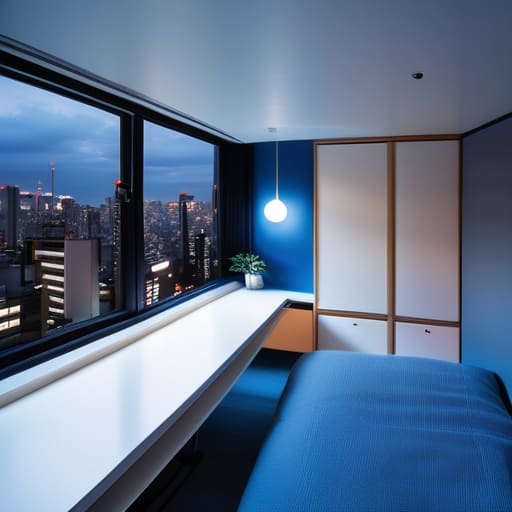
    The View from the Tenth Floor skyline.

    Ultimately, high-rise living in Tokyo is a lesson in efficient geometry. We have explored how these vertical ecosystems solve the riddle of extreme density through clever, compact design and how the shared amenities—from those quiet fitness centers to the communal lounges—act as the social glue for a population often isolated by height. It is not merely about having a smaller footprint or a better view; it is about the logistical elegance of a life lived upward. When you master the flow of these spaces, you stop fighting the density and start working with it, finding a way to thrive within the structured constraints of the skyline.

    As I sit here with my notebook, watching the lights of Shinjuku flicker like a distant circuit board, I am reminded that the height of your dwelling doesn’t dictate the depth of your experience. A high-rise can be a sterile box, or it can be a vantage point for understanding the city’s rhythmic pulse. If you look closely enough, even from a hundred meters up, you can see the quiet beauty in the way the city breathes. Don’t just live in the clouds to escape the world; live there to better observe the intricate, moving machinery of the life below.

    Frequently Asked Questions

    How do the varying levels of noise insulation in high-rise developments affect the sense of privacy and quiet?

    It’s a logistical variable most overlook until they’re staring at a ceiling at 2:00 AM. In a Tokyo high-rise, privacy isn’t just about sightlines; it’s about acoustic integrity. Some developments use superior multi-layered glazing that turns a bustling intersection into a silent film. Others, however, let the vibration of the heavy transit lines or a neighbor’s footsteps seep through the floorboards. For me, true quiet is the foundation of urban sanctuary.

    Beyond the view, how does living at such a high altitude impact one's connection to the street-level rhythm of the neighborhood?

    There is a certain detachment that comes with altitude. When you’re forty stories up, the frantic energy of Shinjuku or Shibuya transforms into a silent, rhythmic ballet of lights. You lose the immediate sensory feedback—the smell of street food, the sudden gust of wind between buildings—which can feel isolating. To stay grounded, I make it a point to descend. I find that a deliberate walk through the local shotengai is essential to recalibrate my sense of scale.

    What are the practical logistical challenges of managing daily errands and grocery deliveries when living in a vertical community?

    The logistics of vertical living are often underestimated until you’re standing in a lobby with four heavy bags. In a high-rise, your “last mile” is actually the last hundred meters of elevator transit. You learn to time grocery deliveries around peak commuter hours to avoid being trapped in a metal box with a hundred salarymen. It requires a certain rhythmic discipline—calculating the weight of your errands against the predictable cadence of the building’s service lifts.

  • The Tradition of Japanese Mochi

    The Tradition of Japanese Mochi

    I remember standing in a small, steam-filled workshop on the outskirts of Kyoto, watching an elderly man work a heavy wooden mallet with a precision that defied his age. There was no high-tech machinery or sanitized, automated assembly line; there was only the rhythmic, bone-deep thud of wood hitting grain and the scent of toasted rice hanging heavy in the humid air. Most people treat the mochi making process as a mere culinary step or a tourist spectacle to be photographed and forgotten, but they miss the mechanical soul of it. It isn’t about following a sterile recipe; it is about understanding the physical transition of matter from hard grain to a living, elastic texture.

    I have no interest in the over-sanitized, “perfect” versions you see in glossy lifestyle magazines that strip away the grit and the effort. Instead, I want to show you the actual logistics of the craft. I’m going to strip away the fluff and walk you through the essential mechanics of how this transformation happens, from the initial steam to the final, delicate shaping. You won’t find any hollow hype here—just a grounded, step-by-step look at how to master the true rhythm of the work.

    Table of Contents

    Glutinous Rice Flour Preparation Seeking the Foundation

    Glutinous Rice Flour Preparation Seeking the Foundation

    Before the heavy rhythm of the mallet begins, there is a quiet, essential stage of preparation that most travelers overlook. In my years of logistics, I learned that a system is only as reliable as its raw components. The same holds true here. The foundation of any successful batch lies in the glutinous rice flour preparation, a stage that demands a certain patience. You cannot rush the grain. Whether you are using whole grains for a more traditional approach or high-quality flour for a smoother finish, the moisture content must be managed with surgical precision.

    I often find myself sketching the way steam rises from the steaming baskets in my notebook, noting how the humidity in the air seems to change the very character of the room. This is where the mochi texture and consistency are truly decided. If the rice is under-steamed, the resulting dough will be stubborn and fractured; if over-soaked, it loses its structural integrity. It is a delicate equilibrium, a silent negotiation between water and starch that sets the stage for the physical labor to come.

    The Rhythms of Traditional Mochi Pounding Technique

    The Rhythms of Traditional Mochi Pounding Technique.

    There is a specific kind of discipline required when the traditional mochi pounding technique begins. It isn’t merely about strength; it is about the synchronization of two people acting as a single, efficient unit. One person wields the heavy wooden kine, driving it into the stone mortar with a steady, downward force, while the other works with lightning speed to flip and dampen the dough. If the timing is off by even a fraction of a second, the rhythm breaks. It reminded me of the precision I used to demand in a well-oiled logistics hub—everything must move in concert to prevent a bottleneck.

    As the heavy strikes continue, you can see the transformation happening in real-time. The grainy, separate clumps of rice begin to surrender, merging into a singular, cohesive mass. This is where the mochi texture and consistency are truly forged. You aren’t just shaping food; you are witnessing a physical transition from starch to silk. It is a heavy, percussive dance that demands your full attention, turning a simple task into a profound study of human coordination.

    The Fine Details: Small Adjustments for a Perfect Result

    • Watch the moisture levels with a critical eye; the line between a supple dough and a sticky, unmanageable mess is thinner than a subway map, and it requires constant, subtle adjustments of water or starch.
    • Respect the temperature of your tools; if the wooden mallets or the stone basins hold too much residual heat, they can prematurely alter the texture of the rice, stripping away that essential, elastic soul.
    • Do not rush the cooling phase; just as a complex supply chain needs time to settle, the mochi needs a controlled descent in temperature to stabilize its structure before you attempt to shape it.
    • Keep your dusting starch—usually katakuriko—at a minimum; too much powder acts like grit in a well-oiled machine, dulling the clean, translucent finish that defines high-quality mochi.
    • Listen to the sound of the impact; a seasoned maker doesn’t just watch the rice, they listen to the change in the thud of the mallet, which signals exactly when the grains have finally surrendered their individual identities to become one.

    Lessons from the Mortar and Pestle

    True quality is a product of patience; you cannot rush the transformation of grain into dough without losing the soul of the texture.

    Precision in the foundation—the preparation of the rice—is just as critical as the strength of the person wielding the mallet.

    There is a profound, functional beauty in repetitive labor that demands both physical rhythm and a calm, steady mind.

    The Weight of the Moment

    You can see it in the way the steam rises and the mallet falls—a precise, heavy cadence that reminds you that perfection isn’t something you manufacture, but something you labor toward through rhythm and patience.

    Rurik Salonen

    The Soul in the Grain

    The Soul in the Grain mochi making.

    Looking back at the sequence—from the meticulous selection of the glutinous rice to the heavy, synchronized cadence of the pounding—one realizes that mochi making is less about a recipe and more about a logistical harmony. It requires a precise balance of heat, moisture, and physical force. If the flour is poorly prepared or the rhythm of the mallet falters, the entire structure collapses into something uninspired. To master the process is to respect the delicate interplay between raw ingredients and disciplined technique, ensuring that the final product possesses that singular, elastic grace that defines the craft.

    As I sit here in this small corner of the city, watching the steam rise from a fresh batch, I am reminded that the best things in life rarely happen through haste. We live in an era of instant gratification, of processed convenience and automated speed, yet the mochi demands our patience. There is a profound, quiet dignity in doing things the slow way. It teaches us that when we stop rushing through the transit of our lives, we might finally notice the unseen beauty in the labor itself. Sometimes, the most meaningful truths are found not in the destination, but in the steady, rhythmic pulse of the work.

    Frequently Asked Questions

    How does the temperature of the environment affect the texture and shelf life of the finished mochi?

    The climate is a silent partner in this process. In the humid heat of a Tokyo summer, the mochi absorbs moisture from the air, turning tacky and losing its structural integrity far too quickly. Conversely, a dry, cool environment can draw the moisture out, leaving the surface brittle. To preserve that perfect, elastic pull, I find it best to store them in a cool, stable space—protecting the delicate balance between softness and longevity.

    Is there a specific way to tell if the rice has been steamed sufficiently before the pounding begins?

    You don’t look for a timer; you look for the translucency. When I watch the steam rise, I’m searching for that specific moment when the opaque, chalky white of the raw grain gives way to a soft, pearlescent sheen. If you press a grain between your fingers, it shouldn’t resist. It should yield completely, feeling tender and slightly tacky, without a hard, starchy core remaining. That subtle shift in texture is the signal to begin.

    Beyond the traditional wooden mallets, are there ways to replicate that specific elasticity in a modern home kitchen?

    In a modern kitchen, you lack the heavy kine and the rhythmic impact of the mallet, but you can still chase that texture. A heavy-duty stand mixer with a paddle attachment can work, provided you move in short, decisive bursts to avoid overheating. However, for true elasticity, I find a hand-held whisk or even a wooden spoon works better. It requires more effort, but that manual resistance is how you truly feel the dough’s transformation.

  • Visiting Hiroshima City

    Visiting Hiroshima City

    I stood there for a long time by the Motoyasu River, the heavy humidity of the afternoon pressing against my skin, watching a group of tourists rush past the A-Bomb Dome with their eyes glued to their phone screens. Most guidebooks treat the hiroshima peace memorial as just another checkbox on a frantic itinerary, a somber monument to be photographed and then quickly forgotten in favor of the next bright neon district. But there is a profound, uncomfortable stillness here that no glossy brochure can capture—a weight that settles in your chest when you realize the city isn’t just a site of tragedy, but a masterclass in structural and human resilience.

    I’m not here to give you a sanitized history lesson or a list of the most “Instagrammable” viewpoints. Instead, I want to show you how to navigate this space with the respect and clarity it demands. I will guide you through the logistical flow of the park, the quiet corners where the true history breathes, and how to find the genuine pulse of Hiroshima amidst the crowds. My goal is to help you understand the city’s soul, not just its scars.

    Table of Contents

    The Genbaku Dome Significance in a Changing Skyline

    The Genbaku Dome Significance in a Changing Skyline.

    Standing across the Motoyasu River, I found my eyes drawn repeatedly to the skeletal remains of the Genbaku Dome. It is a jarring sight, a structural anomaly that refuses to blend into the sleek, glass-and-steel geometry of the modern city surrounding it. While the rest of Hiroshima has surged upward in a display of resilience, this ruin remains anchored in place, serving as a stark, physical reminder of the atomic bomb history in Japan. It is not merely a relic; it is a structural witness.

    As I sat on a nearby bench, sketching the way the sunlight caught the twisted ironwork, I realized the true genbaku dome significance lies in its refusal to be polished away. It acts as a visual anchor for the entire district, a constant, silent interruption in the urban flow. To see it framed against the rising skyline is to understand the tension between progress and memory. It demands that you acknowledge the cost of the peace we now inhabit, ensuring that the city’s evolution never becomes an act of forgetting.

    Navigating the Hiroshima Museum Exhibits Through Human Detail.

    Stepping into the museum, I find the transition from the open air of the park to the controlled, hushed atmosphere of the interior quite jarring. It is a shift in pressure. As I moved through the hiroshima museum exhibits, I found myself less interested in the grand historical timelines and more drawn to the small, devastatingly personal artifacts. A tricycle, a scorched shadow on a stone step, or a discarded school bag—these are the details that bypass the intellect and strike directly at the gut. They represent the logistical impossibility of a life interrupted in a single microsecond.

    The curation manages to balance the sheer scale of the atomic bomb history in Japan with these intimate, quiet tragedies. I spent a long time observing how the light falls in the more somber galleries, noting how the silence here feels heavy, almost structural. It isn’t just a collection of objects; it is a study of human fragility within a mechanical catastrophe. For anyone using this as a peace memorial park visiting guide, I suggest you don’t rush. Let the weight of the silence settle. To understand the city’s resilience, you must first sit with its stillness.

    Logistics of Reflection: Practical Advice for the Somber Journey

    • Opt for the morning light. I’ve found that arriving at the Peace Memorial Park just as the city is waking up—around 7:00 AM—allows you to experience the space before the tour groups arrive. The stillness of the morning is essential if you want to actually hear the city breathe.
    • Map your route via the streetcars. The Hiroshima Electric Railway (Hiroden) isn’t just a way to get around; it’s a rhythmic part of the city’s recovery. Taking the tram toward the park gives you a grounded, local perspective on how the modern streets weave around the memorial sites.
    • Bring a physical notebook. While everyone else is busy capturing everything through a digital lens, there is a profound difference in sitting on a park bench and sketching the layout or jotting down a single, heavy thought. It forces a slower, more deliberate pace of observation.
    • Allow for “empty time” in your itinerary. Do not try to rush from the Dome to the Museum to the Cenotaph in a single, efficient loop. The weight of the history requires moments of sitting in silence. If you treat this like a logistical checklist, you will miss the emotional gravity.
    • Look for the small, quiet intersections. Some of my most significant moments haven’t been at the main monuments, but in the small side streets near the park where you see the daily life of the residents continuing alongside the memory of the past. That intersection of life and history is where the truth lies.

    Lessons from the Quiet Corners of Hiroshima

    To truly understand Hiroshima, look beyond the grand monuments and observe the deliberate, quiet way the city integrates its history into the modern transit corridors and daily rhythms of its people.

    The most profound insights aren’t found in the broad historical summaries, but in the small, heavy details—the way the light hits a ruin or the silence held within a museum corridor.

    Respect the city’s breath by moving through it with intention; traveling here is not a checklist of sites, but a study of how a community preserves its memory while continuing to function and grow.

    The Weight of the Unspoken

    “As I sat on a bench near the river, watching the steady rhythm of the city’s modern trams pass by the skeletal remains of the Dome, I realized that Hiroshima isn’t a place you visit to see history; it’s a place you visit to feel the profound, heavy silence that exists in the spaces between what was lost and what has been rebuilt.”

    Rurik Salonen

    The Resonance of Silence

    The Resonance of Silence in modern Hiroshima.

    As I sit on a wooden bench near the Motoyasu River, watching the steady flow of the local tram, I find myself reflecting on the layers of this city. We have looked at the skeletal remains of the Genbaku Dome and navigated the heavy, necessary silence of the museum’s corridors, but the true takeaway isn’t found in a single exhibit. It is found in the delicate equilibrium between the scars of the past and the efficient, breathing life of the modern city. Hiroshima is not a place frozen in tragedy; it is a masterclass in how a society can rebuild its logistics, its spirit, and its daily rhythms from the ground up.

    My notebook is nearly full of sketches today, but no drawing can quite capture the weight of the air here. If you find yourself in Hiroshima, don’t just rush through the memorial to check it off your itinerary. Instead, allow yourself to feel the quiet strength of the people who walk these streets every morning. There is a profound, functional beauty in the way this city carries its history without letting it crush its future. To understand Hiroshima is to understand that peace is not merely the absence of conflict, but the presence of a deliberate, enduring resilience.

    Frequently Asked Questions

    How can I best time my visit to the Peace Memorial Park to avoid the heavy midday crowds and find those quieter moments for reflection?

    If you want to catch the park when it truly breathes, aim for the early morning. I’ve found that arriving just as the sun begins to clear the skyline—around 6:30 or 7:00 AM—changes everything. The light is soft, perfect for my Leica, and the heavy midday surge of tour groups hasn’t yet disrupted the stillness. Alternatively, the twilight hours offer a somber, reflective grace that the midday heat simply cannot replicate.

    Is there a practical way to navigate the transit connections between the main memorial sites and the more outlying historical locations?

    To reach the outlying sites like the Shukkeien Garden or the outskirts of the Peace Memorial Park, the streetcars are your most reliable tool. I prefer the Hiroshima Denetsusha lines; they move with a steady, predictable rhythm that allows you to observe the city’s layout without the frantic pace of a major subway. For more distant locations, a combination of local bus routes and a bit of walking is best. Just keep your transit card ready.

    Beyond the main museum and the Dome, are there specific, smaller corners of the park where the atmosphere feels more personal and less like a tourist destination?

    If you step away from the main thoroughfares, head toward the Children’s Peace Monument. It’s smaller, more intimate, and lacks the heavy crowds. I often find myself sitting on a nearby bench, watching the way the wind moves through the trees. There’s a specific stillness there—a quiet, rhythmic breathing of the city that feels less like a lesson in history and more like a shared, silent moment of remembrance.

  • Exploring the Nightlife in Japanese Urban Centers

    Exploring the Nightlife in Japanese Urban Centers

    Most travel guides will try to sell you on the neon-soaked spectacle of Roppongi or the frantic, overpriced chaos of Shibuya, promising that this is the definitive way to experience nightlife in Japan. They treat the city like a theme park, but after thirty years of managing complex logistics, I’ve learned that the most efficient way to find the truth is rarely through the loudest door. I’ve sat in those crowded, tourist-heavy clubs, feeling more like a cog in a machine than a traveler, watching the soul of the city get lost in the glare of a thousand LED screens.

    I’m not here to give you a checklist of the trendiest spots that will be forgotten by next season. Instead, I want to show you how to navigate the underlying rhythm of the evening, from the rhythmic clink of highball glasses in a basement izakaya to the quiet, functional beauty of a late-night ramen stall. My goal is to provide a grounded roadmap for finding the authentic pulse of the city—the places where the lights are dim, the service is precise, and the city finally feels like it’s breathing.

    Table of Contents

    Decoding the Rhythms of Tokyo Nightlife Districts

    Decoding the Rhythms of Tokyo Nightlife Districts.

    To understand the movement of the city after dark, one must stop looking at the skyline and start looking at the street level. The various Tokyo nightlife districts do not function as mere clusters of bars; they are distinct ecosystems with their own internal logic. In Roppongi, the energy is high-frequency and outward-facing, driven by a transient, international crowd. But if you want to see how the city actually breathes, you have to head toward the narrow, labyrinthine corridors of Shinjuku.

    The Shinjuku Golden Gai experience is perhaps the most profound lesson in urban density. Here, the scale shifts from the monumental to the microscopic. You find yourself squeezed into six-seat bars that feel more like private living rooms than commercial establishments. It is in these cramped, dimly lit spaces that you truly begin to grasp the nuances of Japanese pub culture explained through silence and shared space. There is a specific rhythm here—a slow, deliberate transition from the workday to the late-night hours—that requires patience to observe. You don’t conquer these districts; you simply find a corner where you can sit and watch the gears of the city turn.

    The Shinjuku Golden Gai Experience and Its Hidden Corners

    The Shinjuku Golden Gai Experience and Its Hidden Corners.

    To navigate the Shinjuku Golden Gai is to abandon the scale of the skyscraper and embrace the intimacy of the alleyway. This labyrinth of narrow passages, barely wide enough for two people to pass shoulder-to-shoulder, houses hundreds of tiny, independent bars—some seating no more than six patrons. It is a stark, beautiful contrast to the sprawling neon of the surrounding district. During my last visit, I found myself drawn to a basement bar that felt less like a commercial establishment and more like a private living room. There is a specific, quiet gravity here; you don’t come to Golden Gai to be seen, but to disappear into the hum of conversation.

    The Shinjuku Golden Gai experience is defined by its density and its unwritten rules. You quickly learn that Japanese drinking etiquette dictates a certain level of respect for the shared space; in a room that small, your presence is felt by everyone. It isn’t about the volume of the music, but the quality of the connection. As I sat sketching the cramped layout of a particularly weathered wooden counter, I realized that these micro-bars are the city’s true pressure valves, allowing the frantic energy of the metropolis to dissipate into something slow, deliberate, and profoundly human.

    • Respect the “Otoshi” system. In many small izakayas and bars, you will be served a small, mandatory appetizer upon sitting down. Don’t view it as an unexpected fee; consider it a small, customary tax for the seat and the service. It is part of the local rhythm.
    • Master the art of the quiet exit. Japanese nightlife often operates on a principle of unspoken social harmony. When a venue begins to wind down, or when the energy shifts, there is no need for a loud farewell. A polite nod to the bartender and a quiet departure is the most seamless way to transition back into the city’s nocturnal flow.
    • Keep a physical map or a reliable transit app at hand. The most profound experiences often happen in the gaps between major hubs, but the Japanese rail system—while a marvel of efficiency—can feel daunting after midnight. Knowing your way back to your accommodation is as important as knowing where you are going.
    • Mind the “Cover Charge” etiquette. Many of the more intimate, specialized bars—particularly in districts like Golden Gai—charge a small entry fee or cover charge. This isn’t a lack of transparency; it’s the price of maintaining these tiny, curated sanctuaries within the urban sprawl.
    • Observe the local volume. There is a specific cadence to how people interact in Japanese bars. Even in a crowded room, there is often a baseline of decorum. I find that by mirroring the volume and energy of the regulars, I am able to slip into the atmosphere much more naturally than if I were to impose my own presence.

    Lessons from the Midnight Streets

    True urban character is found in the transitions—the quiet walk between the neon-soaked main thoroughfares and the narrow, lantern-lit alleys that serve as the city’s actual lungs.

    Mastery of the local transit rhythm is essential; the most authentic nocturnal experiences often begin or end on a silent, late-night train car rather than at a tourist landmark.

    Look past the spectacle of the lights to find the functional intimacy of small-scale venues, where the scale of the space dictates a more meaningful connection to the local culture.

    The Geometry of the Night

    To understand Japan after dark, you must stop looking at the neon signs and start looking at the gaps between them; the true character of the city isn’t found in the roar of the crowds, but in the quiet, rhythmic transition from the frantic energy of the station to the hushed, amber-lit intimacy of a corner bar.

    Rurik Salonen

    The Quiet After the Neon

    The Quiet After the Neon in Japan.

    As I sit here reviewing my sketches, I realize that navigating Japan’s nightlife is less about following a map and more about understanding the ebb and flow of human movement. We have traced the frantic energy of the major districts and found the soul of the city within the narrow, claustrophobic intimacy of Golden Gai. Whether you are navigating the organized chaos of a Shibuya crossing or finding refuge in a silent, wood-paneled bar in an Osaka alleyway, the lesson remains the same: the true character of these cities is found in the transitions between the loud and the silent. It is in those small, deliberate shifts in atmosphere that the city reveals its true logistical and emotional complexity.

    Ultimately, do not be afraid to let the main thoroughfares guide you toward the periphery. The most profound experiences rarely happen under the brightest spotlights; they happen when you take a wrong turn down a dimly lit staircase or board a train just as the last revelers are heading home. I have always believed that a city breathes most deeply in its quietest moments, and Japan’s nightlife is no exception. Seek out the unscripted moments and the places that don’t demand your attention, for that is where you will find the authentic heartbeat of the country.

    Frequently Asked Questions

    How do the etiquette and social unspoken rules differ between a high-end Ginza bar and a local neighborhood izakaya?

    In Ginza, the atmosphere is one of choreographed precision. You observe a quiet, respectful distance; it’s a place for low voices and subtle gestures, where the ritual of the pour is as important as the whisky itself. Conversely, the neighborhood izakaya is a study in organized chaos. Here, the unspoken rule is participation. You lean into the noise, accept the boisterous energy, and find connection through the shared, unpolished rhythm of a communal meal.

    Is it practical to navigate the nightlife in smaller cities like Osaka or Fukuoka using only the public transit schedules, or should I plan for late-night taxis?

    In my experience, relying solely on transit schedules in cities like Osaka or Fukuoka is a gamble that rarely pays off after midnight. While the networks are marvelously efficient, they aren’t infinite. Once the last train hums away, the logistical gap widens quickly. I’ve learned to carry a bit of cash for taxis; they are reliable lifelines when you’ve found a quiet corner worth staying in just a little longer.

    For someone who prefers quiet observation over loud clubs, which specific districts offer the best atmosphere for a contemplative evening?

    If you find the neon roar of Shinjuku overwhelming, turn your attention to Yanaka or the quieter fringes of Shimokitazawa. Yanaka, with its “shitamachi” soul, offers a gentle twilight where the pace slows to a walk. Alternatively, find a small, dimly lit jazz kissa in Koenji. There, the only rhythm is the crackle of a vinyl record and the steady pour of coffee—a perfect sanctuary for watching the city settle into itself.

  • An Introduction to Wagashi Japanese Sweets

    An Introduction to Wagashi Japanese Sweets

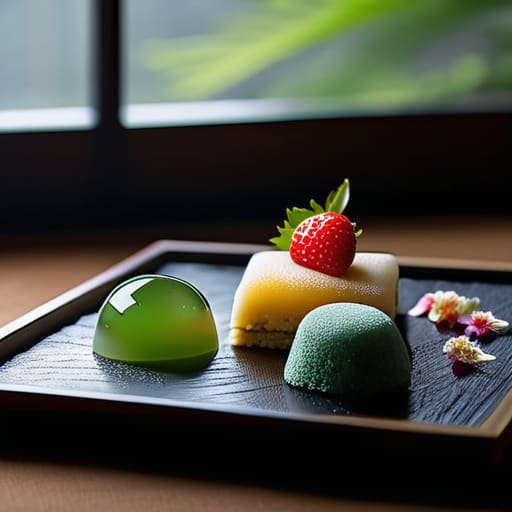
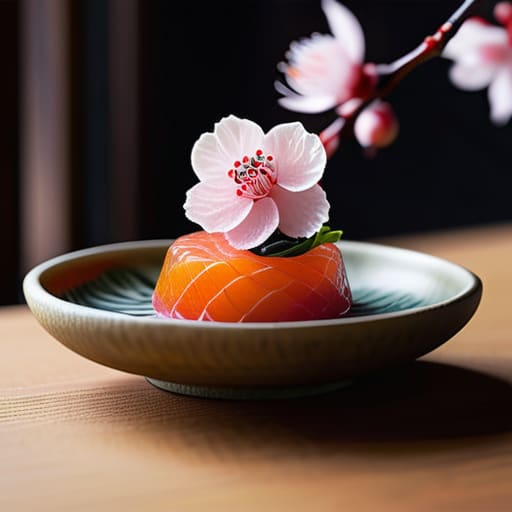
    I was sitting in a cramped, wood-paneled tea house near the Umeda station last Tuesday, watching the rain blur the neon lights outside, when I realized how much the modern world has misunderstood japanese sweets wagashi. Most travelers—and frankly, even some locals—treat these confections like mere edible ornaments, chasing after the most expensive, gold-leafed displays in Ginza department stores just for the sake of a photograph. They treat it like a luxury commodity rather than what it actually is: a deliberate pause in the middle of a frantic day. To me, a wagashi isn’t a trophy to be displayed; it is a functional piece of edible art that should ground you.

    I have no interest in the flashy, overpriced hype that clutters most travel guides. Instead, I want to show you how to find the true essence of these seasonal morsels in the quiet, unpretentious corners of the city. In the following pages, I’ll share my observations on how to identify quality through texture and seasonality, and more importantly, how to find the small, nameless shops where the craft is still a quiet, respected ritual. We aren’t looking for souvenirs; we are looking for the soul of the season.

    Table of Contents

    Tracing the Zen Buddhist Influence on Sweets

    Tracing the Zen Buddhist Influence on Sweets.

    To understand why these confections carry such a profound weight, one must look past the sugar and toward the temple. As I sat in a small tea house overlooking a stone garden in Kyoto, I realized that the Zen Buddhist influence on sweets is not merely a historical footnote; it is the very architecture of the experience. In the monasteries, sweets were never meant to be indulgent or loud. They were designed to facilitate mindfulness, serving as a brief, sensory pause in a life of discipline. This restraint is why you won’t find the heavy, cloying syrups common in Western desserts here. Instead, there is a deliberate focus on simplicity and the ephemeral nature of the moment.

    This philosophy manifests most clearly in the meticulous use of nerikiri art techniques, where craftsmen transform simple bean paste into delicate sculptures of plum blossoms or maple leaves. Each piece is a lesson in impermanence. Even the subtle variations in anko bean paste varieties—ranging from the coarse, rustic texture of tsubuan to the silky smoothness of koshian—serve to ground the palate without overwhelming it. It is a controlled, quiet elegance that mirrors the way a well-managed system operates: every element has a purpose, and nothing is wasted.

    Deciphering the Subtle Nuances of Anko Bean Paste Varieties

    Deciphering the Subtle Nuances of Anko Bean Paste Varieties.

    To the untrained eye, it is simply a dark, sweet paste. But if you sit long enough in a quiet tea house, you realize that understanding the different anko bean paste varieties is much like understanding the different grades of efficiency in a shipping lane—it is all about the grain and the finish. There is koshian, which is refined and silk-smooth, stripped of its skins to achieve a texture that vanishes almost instantly on the tongue. Then there is tsubuan, the more rustic, textured version where the whole beans remain intact, offering a tactile, earthy resistance that feels honest and grounded.

    I often find myself comparing these textures to the way a city moves; some parts are streamlined and polished, while others retain a rugged, human grit. When paired with different mochi texture and types, the experience shifts entirely. A dense, chewy grain provides a heavy anchor for a light, aerated paste, whereas a soft, pillowy rice cake allows the subtle floral notes of the bean to take center stage. It isn’t just about sugar; it is about the delicate balance of structural integrity and flavor.

    • Pay close attention to the seasonality; a truly skilled confectioner isn’t just making a sweet, they are capturing a fleeting moment in time, whether it’s the pale pink of a cherry blossom or the deep ochre of autumn leaves.
    • Don’t rush the experience. Wagashi is designed to be consumed slowly, often paired with the bitter, grounding notes of matcha, creating a deliberate balance that requires your full presence.
    • Observe the vessel as much as the sweet itself. In my travels through the smaller tea houses in Osaka, I’ve noticed that the ceramic plate or wooden tray is an extension of the confection, providing the necessary visual context for its texture.
    • Look for the “hidden” details in the craftsmanship. Much like a well-designed transit map, the beauty of a high-quality wagashi lies in its precision—the way a single fold of Nerikiri dough defines a shape without being overbearing.
    • Seek out the local artisans in the neighborhoods just outside the main tourist hubs. The most honest expressions of these sweets are often found in small, family-run shops where the recipe hasn’t changed in decades, tucked away near quiet subway exits.

    Lessons from the Sweetness

    To truly understand wagashi, one must look past the sugar and see the seasonal intent; a sweet is not just a snack, but a temporal marker of the year’s shifting rhythm.

    The complexity of the craft lies in the tension between texture and restraint, where the subtle grit of anko or the softness of mochi tells a story of precision and patience.

    Finding the heart of Japanese confectionery requires stepping off the main thoroughfares and into the quiet, unassuming shops where tradition is preserved through daily, unhurried ritual.

    The Architecture of a Single Bite

    “In my years managing supply chains, I learned that the most complex systems are often those that appear the most seamless; wagashi is much the same—a precise, delicate engineering of season and texture that demands you slow your pace just to truly perceive it.”

    Rurik Salonen

    The Last Morsel

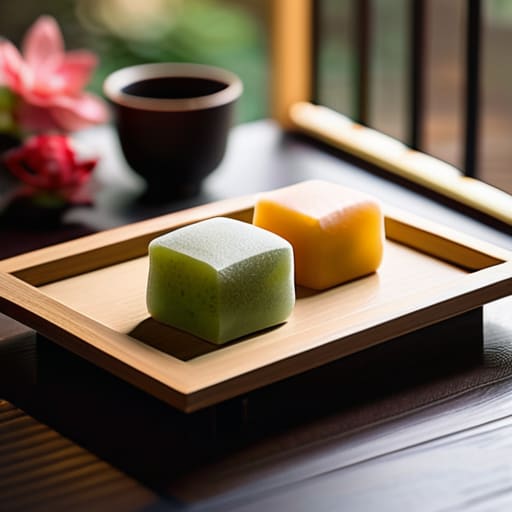
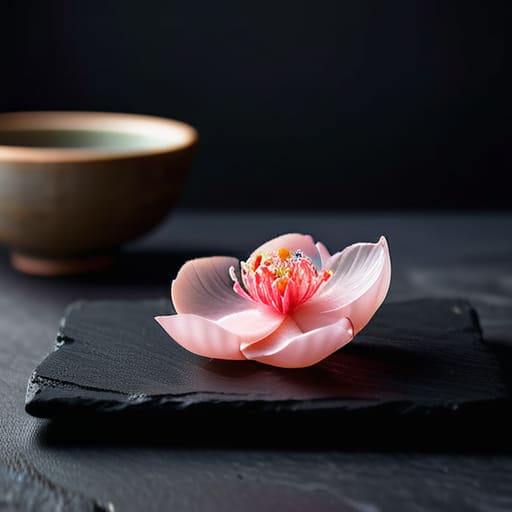
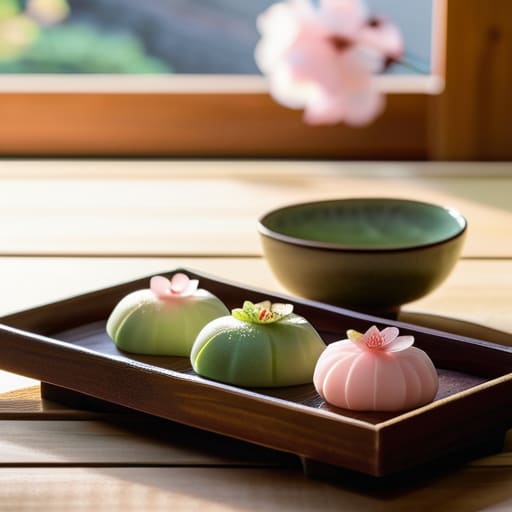
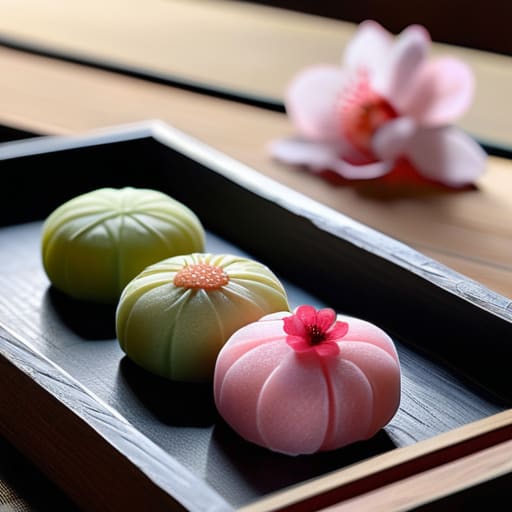
    Wagashi sweets representing The Last Morsel.

    As I sit here in a small tea house near the Shinjuku station, watching the commuters rush toward their next connection, I realize that wagashi is far more than a simple confection. It is a complex system of seasonal storytelling, rooted in the disciplined traditions of Zen Buddhism and refined through the precise, technical mastery of bean paste preparation. From the structural elegance of the shapes to the subtle shifts in sweetness between koshian and tsubuan, every element serves a specific, functional purpose. To understand these sweets is to understand the meticulous logistics of Japanese aesthetics, where nothing is accidental and every ingredient is placed with intention.

    Ultimately, my time spent documenting these small rituals has taught me that the true soul of a city isn’t found in its neon lights or towering skyscrapers, but in these quiet, fleeting moments of grace. A single piece of wagashi, paired with a bowl of bitter matcha, offers a necessary pause in an otherwise frantic world. I encourage you to look past the crowded tourist paths and seek out these small, deliberate pauses for yourself. When you stop rushing to the next monument, you might just find that the most profound truths are waiting in the simplest of flavors.

    Frequently Asked Questions

    How can I tell the difference between the various textures of mochi when I'm standing in a crowded shop?

    When the shop is loud and the line is moving, don’t rely on the menu. Look at the surface tension. If the mochi has a dull, matte finish, it’s likely koshi-an style—soft and refined. If it catches the light with a slight, translucent sheen, you’re looking at something more substantial, perhaps tsubuan or a traditional pounded rice texture. Watch how it yields to the tongs; a slow, heavy sag indicates a dense, chewy heart.

    Is there a specific etiquette I should follow when being served wagashi during a formal tea ceremony?

    In a formal setting, etiquette is less about rigid rules and more about respecting the rhythm of the ceremony. When the wagashi is presented, place it on your small ceramic plate. Use the provided pick to divide it into small, manageable pieces. The goal is to finish the sweet before the tea arrives; the sweetness is designed to prime your palate for the tea’s bitterness. It’s a quiet, deliberate dance of timing.

    Where can I find seasonal sweets that aren't just aimed at tourists, but reflect the actual micro-seasons of the Japanese calendar?

    To find the real thing, you have to step away from the neon-lit storefronts of Ginza. I’ve found that the most authentic seasonal offerings are tucked away in the shitamachi neighborhoods or near the smaller, residential stations on the Chuo Line. Look for shops with a simple noren curtain and no English signage. They don’t market to crowds; they cater to the local rhythm, changing their displays to match the exact, fleeting micro-seasons.

  • The Concept of Omotenashi in Japanese Cities

    The Concept of Omotenashi in Japanese Cities

    I was sitting in a cramped, dimly lit ramen shop in an Osaka alleyway last Tuesday, watching a steam-fogged window, when it hit me. Most travel guides will try to sell you on the idea that japanese hospitality is found in the gold-leafed tea ceremonies or the rigid, scripted bows of a five-star hotel lobby. They make it sound like a performance you have to pay a premium to witness. But after thirty years of managing complex logistics, I’ve learned that the most efficient and profound systems are rarely the loudest. True grace isn’t a choreographed spectacle; it’s the silent, seamless precision of a world that works exactly as it should, often without you even noticing.

    I’m not here to give you a list of luxury resorts or teach you the formal etiquette of a tea master. Instead, I want to show you how to recognize the real heartbeat of this country in the small, functional details. We are going to look past the tourist veneer to find the unseen mechanics of care—from the way a station attendant anticipates a traveler’s confusion to the quiet dignity of a neighborhood grocer. This is about understanding the soul of a place through its most understated gestures.

    Table of Contents

    Principles of Omotenashi the Art of Anticipating Guest Needs

    Principles of Omotenashi the Art of Anticipating Guest Needs.

    In my years managing supply chains, I learned that efficiency is often loud, demanding constant correction. But in Japan, the most effective systems are silent. This is the core of the principles of omotenashi: it is not a reactive service, but a proactive one. You see it when a shopkeeper adjusts the angle of a display just as you approach, or when a server replaces a napkin before you even realize yours has slipped. It is a form of mindfulness in japanese service that treats the guest’s unspoken discomfort as a logistical error that must be corrected before it even occurs.

    This isn’t about following a rigid manual of Japanese etiquette and manners; it is about a deep, intuitive awareness. I remember staying at a small inn outside of Kyoto where the staff seemed to read the room like a well-calibrated instrument. They weren’t just performing tasks; they were anticipating guest needs with a precision that felt almost telepathic. They didn’t wait for a request—because to ask is to acknowledge a failure in the flow. Instead, they moved within the gaps of your experience, ensuring the rhythm of your stay remained entirely undisturbed.

    Mindfulness in Japanese Service Reading the Unspoken Room

    Mindfulness in Japanese Service Reading the Unspoken Room.

    In my years managing logistics, I learned that the most efficient systems are often those where the friction is invisible. You see this same principle applied in the way a server at a small izakaya moves through a crowded room. They aren’t just walking; they are scanning. This is the essence of mindfulness in japanese service—a constant, quiet calibration to the environment. They notice the slight tilt of a head or the way a glass sits nearly empty, long before you feel the urge to signal for attention.

    It is a subtle dance of reading the unspoken room. In a high-end ryokan, for instance, the staff doesn’t wait for a request; they operate on a frequency of anticipating guest needs through pure observation. It isn’t about grand gestures or loud declarations of service. Instead, it’s found in the way a tea set is positioned just slightly closer to your dominant hand, or how the lighting shifts almost imperceptibly as the afternoon fades. They aren’t just serving you; they are maintaining the equilibrium of your experience.

    The Subtle Geometry of Service: Five Ways to Observe the Unseen

    • Watch the hands, not just the face. In a truly refined service environment, you’ll notice that movements are economical and precise—never rushed, never frantic. It is a practiced choreography designed to minimize disruption to your own peace.
    • Look for the absence of friction. True hospitality in Japan often manifests as a problem solved before you even realized it existed, such as a perfectly placed umbrella stand near a sudden downpour or a refill of tea that arrives just as the cup reaches its final sip.
    • Pay attention to the silence. There is a profound difference between a service that is empty and one that is respectful. The most skilled practitioners know exactly when to step back, allowing you the space to exist within the city without feeling the weight of being watched.
    • Notice the ritual in the mundane. Whether it is the specific angle at which a business card is presented or the way a shopkeeper wraps a small purchase, these aren’t mere habits; they are small, intentional anchors of respect that elevate a transaction into a moment of connection.
    • Seek the “secondary” service. The most honest hospitality isn’t found in the scripted greetings of a luxury lobby, but in the way a stranger might pause their walk to point you toward a specific subway exit, ensuring you don’t lose your way in the labyrinth.

    The Lessons Left in the Quiet Corners

    True hospitality isn’t a performance staged for tourists; it is a series of small, invisible adjustments made to ensure a person’s journey remains seamless and undisturbed.

    To truly understand service in Japan, you must learn to look past the grand gestures and instead observe the precision of the mundane—the way a shopkeeper arranges a display or the silent coordination of a train platform.

    The most profound moments of connection often occur in the absence of noise, proving that the highest form of care is often found in what is left unsaid and what is done without being asked.

    ## The Invisible Architecture of Care

    “I’ve spent my life looking at logistics—the way goods move through a system without friction—but Japanese hospitality is a different kind of efficiency. It isn’t about speed; it is about the silent, seamless removal of every possible obstacle before you even realize you’ve encountered one.”

    Rurik Salonen

    The Lasting Echo of a Gesture

    The Lasting Echo of a Gesture.

    As I sit in a small coffee shop near Shinjuku Station, watching the rhythmic flow of commuters, I realize that omotenashi isn’t a set of rules to be memorized, but a way of observing the world with intent. We have explored how true service lies in the anticipation of needs before they are even voiced, and how the most profound moments of connection often happen in the silence between words. It is not about the grandiosity of a welcome, but the seamless precision of a small, thoughtful action that allows a person to feel truly seen without being the center of attention.

    Ultimately, understanding Japanese hospitality requires us to slow our pace and look closer at the mechanics of human kindness. It is a reminder that even in the most crowded, high-velocity metropolises, there is a profound dignity in being considerate of those around us. I have found that when you stop rushing toward the next monument and start noticing the quiet grace of the person holding the door or the attendant adjusting your path, the city begins to feel less like a machine and more like a living, breathing community. That is where the true heart of Japan resides.

    Frequently Asked Questions

    How can a traveler distinguish between genuine omotenashi and the highly polished, scripted service found in major tourist hubs?

    The distinction lies in the friction. In major hubs, service is a high-performance machine—flawless, but scripted. You feel the polished edge of a protocol. Genuine omotenashi, however, feels less like a performance and more like a quiet observation. It’s the shopkeeper who notices your heavy camera bag and subtly clears a path, or the waiter who replaces your water before you even realize it’s low. It isn’t about perfection; it’s about intuition.

    Is there a way to show appreciation for this level of service without disrupting the quiet, efficient flow of a Japanese establishment?

    A polite, slight bow from the waist is often more meaningful than a verbal outburst of thanks. In a crowded izakaya or a quiet tea house, loud gratitude can actually break the very harmony you are celebrating. If you feel moved, a simple, soft “Gochisousama deshita” after a meal, or a gentle nod of acknowledgment to a server, communicates your respect perfectly. It honors their effort without interrupting the rhythm of the room.

    Does the culture of extreme attentiveness ever translate into a sense of distance or formality that makes a visitor feel like an outsider?

    It is a valid concern. There is a fine line between attentive service and a rigid, polished distance. In my years navigating corporate hierarchies, I’ve seen this same tension; it can feel as though a glass wall has been erected between you and the host. You aren’t being ignored, but you are being “managed.” To bridge that gap, look for the moments where the script slips—the small, unchoreographed smiles that signal genuine human connection.

  • How Urban Recycling Works in Japan

    How Urban Recycling Works in Japan

    I was standing on a narrow sidewalk in Setagaya last Tuesday, staring at a collection of translucent bags with the same intensity I used to reserve for complex supply chain bottlenecks. Most travel guides will tell you that urban recycling japan is a seamless, almost spiritual experience of civic duty, but they fail to mention the sheer, quiet anxiety of standing before a cluster of bins, wondering if your PET bottle is sufficiently rinsed or if you’ve just committed a minor social sin. It isn’t about grand environmental gestures; it is about the unspoken choreography of the neighborhood, a system where a single misplaced milk carton can feel like a disruption in the local rhythm.

    I’m not here to give you a sanitized lecture on sustainability or a list of lofty ideals. Instead, I want to pull back the curtain on the actual, granular reality of how these systems function on the ground. I will share the practical, no-nonsense logistics of navigating waste separation in a high-density city, from decoding the color-coded schedules to understanding the subtle social cues that keep a neighborhood running smoothly. This is about finding the functional truth beneath the surface.

    Table of Contents

    Mastering the Rhythm of Neighborhood Collection Schedules

    Mastering the Rhythm of Neighborhood Collection Schedules.

    Living in a dense metropolitan area like Tokyo requires more than just a map; it requires an understanding of the invisible clockwork that keeps the streets clean. I’ve learned that you cannot simply toss a bag out when it’s full. Instead, you must learn the neighborhood collection schedules as if they were subway timetables. Every district operates on its own precise cadence, and missing a window by even an hour can result in your waste sitting on the curb for an entire week.

    I often find myself sitting in a small park near my temporary residence, watching the locals prepare their morning bins. It is a disciplined ritual. You quickly realize that mastering garbage disposal rules in Tokyo is less about following laws and more about respecting the communal flow. There is a clear, almost meditative distinction between burnable vs non-burnable waste, and the way residents sort their items reflects a deep-seated social contract. To live here is to participate in this quiet, synchronized dance of order and cleanliness.

    The Nuance of Burnable vs Non Burnable Waste

    The Nuance of Burnable vs Non Burnable Waste

    I spent years optimizing supply chains where “efficiency” was a metric on a spreadsheet, but in a Tokyo residential ward, efficiency is a civic duty felt in the hands. The distinction between burnable vs non-burnable waste isn’t just a matter of convenience; it is a rigid, almost meditative discipline. I remember sitting in a small cafe in Setagaya, watching a neighbor carefully separate a broken ceramic mug from a pile of food scraps. There is no room for error here. If you misclassify a piece of glass as burnable, you aren’t just making a mistake; you are disrupting the entire local flow.

    The complexity deepens when you encounter the specific plastic recycling regulations Japan enforces. It isn’t enough to simply toss a PET bottle into a bin. You must remove the label, rinse the container, and ensure the cap is accounted for separately. It requires a level of mindfulness that most Western cities lack. To the uninitiated, it feels like a chore, but as I’ve learned through my lens, there is a certain quiet dignity in this meticulousness. It is how the city maintains its equilibrium.

    The Logistical Nuances: Small Habits for a Seamless Stay

    • Invest in a few sturdy, collapsible bins for your living space; trying to manage the strict separation of PET bottles, cans, and paper in a single small trash bag is a recipe for logistical failure.
    • Always rinse your food containers thoroughly before disposal; a single smear of sauce can turn a recyclable plastic tray into “burnable” waste in the eyes of a meticulous neighborhood collector.
    • Keep a digital copy or a printed sheet of your specific ward’s collection calendar taped to your fridge; in Japan, missing the designated morning for “PET bottles” means that waste sits for another week, and the rhythm of the street demands punctuality.
    • Learn the specific etiquette for PET bottles—remove the plastic cap and the label separately; it is a small, repetitive motion, but it is the fundamental unit of respect within the local waste ecosystem.
    • When in doubt, observe the neighbors; if you see a specific type of translucent bag being used on a certain morning, take note of the texture and color, as these visual cues are the unspoken language of the local collection system.

    Lessons from the Curb: Three Essentials for the Urban Observer

    Respect the local cadence by treating collection schedules not as mere rules, but as the heartbeat of the neighborhood; being out of sync is more than a mistake, it’s a disruption of the local order.

    Precision is your best tool, so take the time to master the distinction between burnable and non-burnable waste to avoid the subtle social friction that comes from improper sorting.

    Look beyond the utility of the system to see the collective discipline it represents; understanding these small, repetitive rituals is how you truly begin to grasp the functional soul of a Japanese city.

    ## The Logistics of Care

    “In my years managing global freight, I learned that efficiency is often loud and chaotic, but true order is quiet. In Japan, you see this in the way a single, perfectly sorted plastic bottle represents a silent, collective contract between a citizen and their city—a small, disciplined act of maintenance that keeps the entire urban machine breathing.”

    Rurik Salonen

    The Logic of the Little Things

    The Logic of the Little Things: Japan.

    Navigating Japan’s waste protocols can feel like a complex logistics puzzle at first, especially when you are staring at a dozen different categories of plastic and paper in a tiny apartment. However, once you grasp the fundamental mechanics—respecting the strict collection schedules, mastering the distinction between burnable and non-burnable goods, and understanding the specific cleaning requirements for containers—the friction disappears. It is no longer a chore, but a predictable system that keeps the city functioning. When you align yourself with these local rhythms, you stop being a disruptive outsider and start becoming a seamless part of the urban fabric.

    As I sit in a small park in Setagaya, watching the morning light hit the neatly organized collection points, I am reminded that a city’s health isn’t just found in its grand architecture or high-speed rails. It is found in these invisible, disciplined habits. There is a profound, quiet dignity in the way millions of people participate in this collective effort to keep their shared spaces pristine. To truly understand a place, you must learn to respect its smallest rules. In the end, true urban harmony isn’t about the big gestures; it is about the meticulous care we show for the things we leave behind.

    Frequently Asked Questions

    What should I do with larger items like a broken chair or a bicycle that don't fit into the standard bag system?

    You can’t simply leave a broken chair by the curb; in Japan, that’s a logistical error that breaks the neighborhood’s unspoken contract. These are “sodai gomi”—oversized items. You’ll need to contact your local ward office or municipal center to schedule a specific collection. There is usually a small fee, paid via a sticker purchased at a convenience store. It’s a slow, deliberate process, but it preserves the order I’ve come to admire.

    How do I handle the specific rules for PET bottles and cans if I'm staying in a short-term rental or an Airbnb?

    When staying in an Airbnb, you won’t have the luxury of a neighborhood’s ingrained routine, so clarity is your best tool. Most hosts will leave a printed guide, but don’t rely solely on it. I’ve found it best to look for the specific bins in the unit; if they are unlabeled, take a photo of the local collection sign from the building’s entrance. For PET bottles, always peel the label and rinse them—it’s a small courtesy that keeps the system moving smoothly.

    Are there any common mistakes a visitor might make that could cause friction with the local neighbors?

    The most frequent friction arises from timing and visibility. In my years managing logistics, I learned that a breakdown in the schedule is a breakdown in the system. If you leave your bags out on the wrong day, or even a few hours too late, you aren’t just being messy; you’re disrupting a finely tuned local flow. It draws pests and creates a visual clutter that neighbors find deeply disrespectful to the shared space.