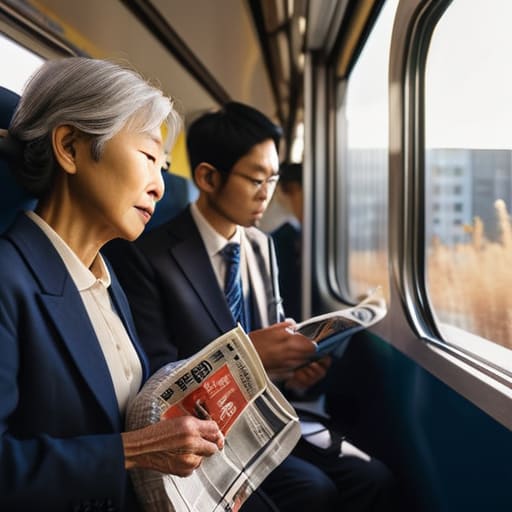
The scent of ozone and damp umbrellas always hits me first as I descend into the subterranean labyrinth of Shinjuku Station. There is a specific, heavy stillness that exists even in the middle of a rush, a collective holding of breath as the crowd prepares to surge. Most travel guides will try to sell you on the high-tech marvel of the Shinkansen or the sheer novelty of the vending machines, but they miss the point entirely. To truly understand the heartbeat of this country, you have to endure the friction of japanese commuting—the rhythmic, almost meditative precision of a million bodies moving in a synchronized dance through narrow steel corridors.
I’m not here to give you a sanitized brochure of the world’s most efficient transit system. Instead, I want to share what I’ve gathered from years of observing these arteries from the window of a crowded local line and the quiet corner of a station café. I will provide you with a logistical roadmap for navigating the chaos, focusing on the subtle patterns and practical realities that make the daily grind functional rather than overwhelming. We aren’t just looking at schedules; we are looking for the quiet efficiency that keeps this massive machine breathing.
Table of Contents
Tokyo Subway System Efficiency and Its Quiet Rhythms
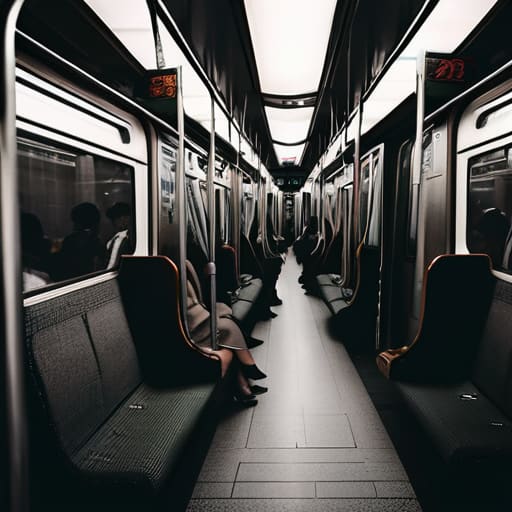
There is a specific kind of mathematics at play within the Tokyo subway system efficiency that defies simple explanation. It isn’t just about the frequency of the trains; it is about the choreography of the crowds. I often sit on a bench at Shinjuku station, my notebook open, watching how thousands of bodies navigate the intersections without a single collision. It is a masterclass in unspoken social contracts. Even during the most intense periods of peak hour congestion management, there is a profound, almost meditative silence that settles over the carriages. People don’t shout or jostle; they simply exist in a shared, disciplined space.
I’ve found that the true ease of this movement lies in the seamless integration of technology. Using a Suica or Pasmo card transforms the act of transit from a logistical hurdle into something nearly invisible. You simply tap, move, and flow with the city. For me, the beauty isn’t in the speed, but in the predictability of the motion. When the systems work this perfectly, the city stops feeling like a machine and starts feeling like a living, breathing organism.
Mastering the Flow With Suica and Pasmo Card Usage
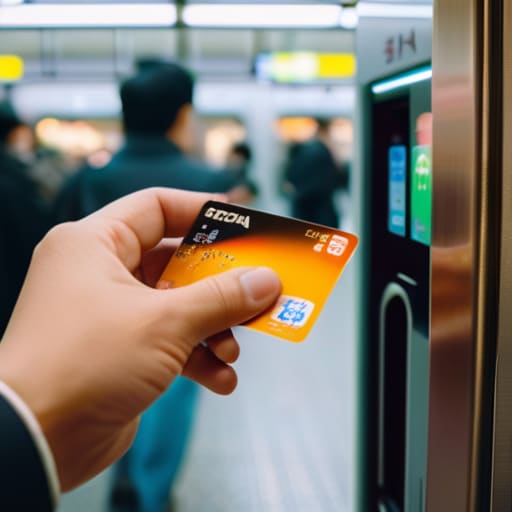
In my years managing supply chains, I learned that a system is only as strong as its smallest friction point. In Tokyo, that friction point is the gate. To navigate this city without losing your composure, you must embrace Suica and Pasmo card usage as more than just a convenience; it is your passport to seamless movement. I remember my first few days, fumbling with paper tickets while the crowd surged behind me like a rising tide. It was a lesson in humility. Once I had my card tapped against the reader, the city finally began to open up.
These cards are the silent conductors of the japanese public transport culture. They do more than just unlock turnstiles; they bridge the gap between different operators, allowing you to transition from a private line to a municipal one with a single, rhythmic tap. I often find myself sitting on a bench near Shinjuku station, watching the way people move with a practiced, almost meditative precision. There is a profound elegance in how a simple piece of plastic allows millions to flow through the urban arteries without the constant, jarring interruption of fare transactions.
The Logistics of the Line: Five Observations for the Observant Traveler
- Study the transfer maps before you step onto the platform. In stations like Shinjuku or Umeda, the sheer scale of the underground labyrinth can be disorienting; I’ve learned that understanding the physical connection between lines is more vital than simply knowing the route numbers.
- Observe the unspoken etiquette of the carriage. There is a heavy, respectful silence maintained during peak hours—a collective agreement to minimize one’s footprint. Keep your phone on silent and your movements contained; it is the grease that keeps the machine running smoothly.
- Time your movements around the “last train” rush. While the efficiency of the system is legendary, the frantic energy of the late-night commuters is a different beast entirely. If you prefer to observe the city’s rhythm without being swept up in its urgency, aim to be off the main lines by 9:00 PM.
- Look for the “Yellow Braille Blocks” on the platform edges. These tactile paving stones are a masterclass in functional urban design, guiding the flow of movement for all citizens. They are a subtle reminder that a truly efficient transit system considers every passenger’s journey.
- Carry a small, physical map or a printed backup of your route. Digital signals are reliable, but there is a certain security in having a tangible guide when you find yourself deep in a station where the architecture feels more like a concrete fortress than a transit hub.
Observations from the Platform
Efficiency is more than just speed; it is a silent social contract where everyone respects the shared space and the quiet dignity of the commute.
A digital card like Suica is your most vital tool, but the true skill lies in learning to read the subtle cues of station flow and platform etiquette.
Don’t rush to the exit; the most profound sense of a city’s character is often found in the stillness of a local line during the off-peak hours.
## The Quiet Pulse of the Platform
“A city’s true character isn’t found in its grand skylines, but in the synchronized silence of a thousand commuters moving through a station—a masterclass in collective discipline that reveals more about a culture than any museum ever could.”
Rurik Salonen
The Pulse of the City
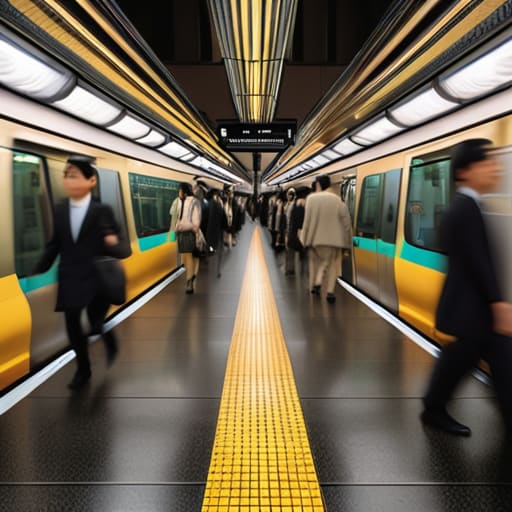
Navigating the Japanese transit landscape is less about memorizing a map and more about learning to respect the flow. We have looked at the sheer, clockwork precision of the Tokyo subway and the seamless convenience of the Suica and Pasmo systems that keep the city’s blood pumping. While the complexity of the interchanges can feel daunting to the uninitiated, there is a profound logic beneath the surface. Once you stop fighting the crowds and start moving with them, the friction disappears. You realize that these systems aren’t just tools for movement; they are the foundational architecture that allows millions of lives to intersect without ever truly colliding.
As I sit here in a small station cafe, sketching the junction of the Yamanote line in my notebook, I am reminded that travel is rarely about the destination. If you spend your entire journey staring at your phone or rushing toward a landmark, you miss the subtle poetry of the commute. The real magic lies in the quiet, shared moments between strangers and the rhythmic hum of the tracks beneath your feet. To travel through Japan is to witness a masterclass in collective discipline. Don’t just aim to arrive; allow yourself to be carried by the rhythm of the rails and see where the city truly takes you.
Frequently Asked Questions
How do I navigate the complex transfers between different private railway lines and the JR network without getting lost?
The trick isn’t memorizing the map; it’s learning to read the floor. In stations like Shinjuku or Umeda, the colored lines on the ground are your lifeline. When you hit a transfer point, stop. Don’t rush. Look up at the overhead signage—it’s more reliable than any app. I always keep my notebook open to my hand-drawn sketches of these junctions. Once you recognize the visual cues of a JR gate versus a private line, the chaos begins to make sense.
Is it possible to find a quiet place to sit or a moment of stillness during the peak rush hour windows?
It’s a paradox, isn’t it? Finding stillness in the middle of a mechanical surge. I’ve found that the secret lies in the “liminal” spaces—those small, overlooked pockets. Look for the department store basement seating, or a quiet corner of a shrine tucked between two skyscrapers. Sometimes, even a single, empty bench in a station concourse, away from the main artery, offers enough distance to breathe. You have to look for the gaps in the flow.
What are the unspoken etiquette rules I should observe to avoid disrupting the flow of the commuters around me?
In my years managing logistics, I learned that any system fails when one element disrupts the flow. In Tokyo, that disruption is often noise or misplaced presence. Keep your phone on silent; a ringing device is a jarring fracture in the collective calm. When boarding, wait for the passengers to exit completely before stepping forward. Most importantly, keep your belongings tight to your body. Space is a premium, and respect for that invisible boundary is what keeps the machine running smoothly.
