Blog

  • Popular Types of Japanese Donburi

    Popular Types of Japanese Donburi

    The steam from a heavy ceramic bowl often does more to clear the mind than any meditation retreat ever could. I remember sitting in a cramped, six-seat shop near Shinjuku Station during a torrential downpour last November, watching the chef move with a mechanical, rhythmic precision that reminded me of the logistics hubs I used to manage. There was no garnish for the sake of social media, no unnecessary flourishes—just the honest, concentrated weight of donburi rice bowls placed firmly on the counter. Most people spend their time chasing Michelin stars or overpriced fusion trends, but they miss the functional beauty of a meal that is designed to do one thing: sustain you.

    I have no interest in the curated, “Instagrammable” dining guides that clutter your feed. Instead, I want to show you how to find the real thing. My goal is to help you navigate the backstreets and subway exits to locate those quiet, unassuming stalls where the quality of the ingredients speaks louder than the decor. We are going to look past the neon lights to find the authentic heart of Japanese comfort food, focusing on the texture of the grain and the temperature of the broth.

    Table of Contents

    Tracing Umami Flavors Through Hidden Alleyway Kitchens

    Tracing Umami Flavors Through Hidden Alleyway Kitchens

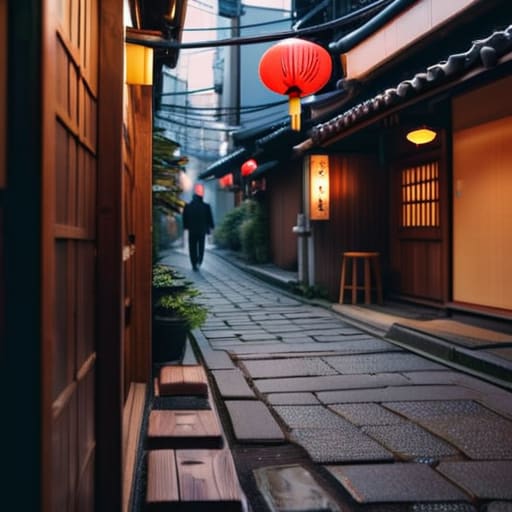
    To find the heart of a city, you have to follow the steam. I often find myself drifting away from the neon-lit main drags of Shinjuku or Namba, seeking out those narrow, lightless corridors where the signage is weathered and the seating is cramped. It is in these tucked-away kitchens that the true essence of Japanese comfort food culture reveals itself. There is no pretense here; there is only the rhythmic sound of a chef working a seasoned wok and the deep, savory scent of dashi permeating the air.

    Navigating these menus requires a bit of logistical intuition. You might find yourself caught in the classic debate of gyudon vs katsudon—the former offering a quick, salty efficiency for the salaryman on the move, while the latter provides a heavy, breaded warmth that feels like a sanctuary. Each bowl is a study in balance, layering umami flavors in donburi through slow-simmered onions or perfectly fried proteins. I find that the best meals aren’t found in the glossy brochures, but in these quiet, shadowed spaces where the city’s pulse feels most honest.

    The Soulful Contrast of Gyudon vs Katsudon

    The Soulful Contrast of Gyudon vs Katsudon.

    If you sit at a worn wooden counter during a frantic lunch hour, you’ll quickly realize that the choice between gyudon and katsudon is more than just a matter of preference; it is a study in urban tempo. The gyudon is the city’s heartbeat—efficient, streamlined, and reliable. Thinly sliced beef and onions simmered in a savory dashi broth provide a direct hit of umami flavors in donburi that fuels the salaryman on the move. It is the quintessential quick rice bowl meal, designed for those who respect the precision of a ticking clock.

    Katsudon, however, demands a different kind of presence. There is a certain weight to it, a deliberate slowing down. The crispy, golden texture of the breaded pork cutlet, softened slightly by a ribbon of egg, represents the more indulgent side of Japanese comfort food culture. While the beef bowl is about momentum, the katsudon is about sustenance and reward. One keeps you moving through the subway arteries; the other invites you to sit, breathe, and find a moment of stillness amidst the metropolitan rush.

    The Logistics of a Perfect Bowl: Five Practical Rules for the Discerning Eater

    • Timing is everything. If you want to avoid the frantic rush of the salaryman crowd, aim for the “dead zones” between 2:00 PM and 5:00 PM. You’ll find a much more contemplative atmosphere, allowing you to actually observe the steam rising from the bowl rather than just inhaling it in a hurry.
    • Watch the counter, not the menu. In the smaller, more authentic shops, the most skilled hands are often the ones working the narrowest counters. If you see a chef moving with practiced, economical motions—no wasted energy, no unnecessary noise—that is where the best donburi is being composed.
    • Respect the architecture of the bowl. A true donburi is a feat of structural engineering. The rice at the bottom should be seasoned enough to stand on its own, acting as the foundation for the toppings. If the rice is merely a bland bed for the protein, the shop hasn’t mastered the balance.
    • Seek out the “Single-Track” specialists. Much like a well-oiled supply chain, the best kitchens often focus on a single, highly refined product. A shop that only serves Tendon or only serves Unadon has likely spent decades perfecting the specific logistics of that one dish.
    • Don’t fear the narrowest entrances. In Tokyo and Osaka, the most significant culinary rewards are often hidden behind doors so small you have to duck. If the alleyway looks like a logistical nightmare, the kitchen inside is likely a masterpiece of efficiency and flavor.

    The Logistics of a Perfect Meal

    Look past the neon-lit storefronts; the most authentic donburi is found in the quiet, functional kitchens tucked into the transit arteries of the city.

    Understand the distinction between the quick, salty efficiency of a gyudon and the heavier, more comforting weight of a katsudon to match your rhythm for the day.

    True flavor isn’t just in the ingredients, but in the seamless, unhurried ritual of the bowl—a small, steady moment of order amidst the urban chaos.

    The Geometry of a Single Bowl

    A donburi is more than just a meal; it is a masterclass in logistical efficiency. You have the foundation of rice, the structural integrity of the protein, and the unifying glaze of the sauce—all contained within a single ceramic vessel, designed to fuel a person while they remain perfectly in motion with the city.

    Rurik Salonen

    The Last Grain of Rice

    A bowl representing The Last Grain of Rice.

    As I sit here in this small shop, watching the steam rise against the windowpane, I am reminded that a donburi bowl is more than just a quick meal for a commuter. We have traced the lineage of these dishes from the heavy, comforting layers of katsudon to the efficient, savory simplicity of gyudon, and we have seen how the best versions are often tucked away in those unassuming, narrow alleyways that most travelers overlook. Whether it is the precise balance of dashi or the texture of the rice, these bowls represent a masterclass in logistical culinary efficiency—delivering maximum soul within a single, compact vessel.

    Ultimately, seeking out the perfect donburi is a lesson in how to truly observe a city. It requires you to step off the main thoroughfare, ignore the neon glow of the tourist traps, and follow the scent of soy and simmering broth into the quiet corners of the neighborhood. If you approach your travels with this kind of deliberate curiosity, you will find that the most profound experiences aren’t found in the grand monuments, but in the small, steaming bowls that sustain the city’s pulse. Keep your eyes low and your appetite open; the real Japan is waiting in the details.

    Frequently Asked Questions

    Is there a specific etiquette I should follow when eating at these small, counter-only donburi shops?

    When you’re squeezed onto a narrow stool in a shop no larger than a shipping container, etiquette is about respecting the flow. It’s a high-efficiency environment. Don’t linger over your phone; focus on the bowl. When you’re finished, place your chopsticks neatly across the rest or in the provided holder—never stick them upright in the rice. Most importantly, a quiet “Gochisousama-deshita” as you depart acknowledges the craft behind your meal.

    How can I tell the difference between a quick, mass-produced bowl and one made with traditional, slow-simmered ingredients?

    You look for the indicators of intent. A mass-produced bowl is a product of efficiency; the rice is often overly polished, and the sauce has a singular, aggressive sweetness that masks everything else. A proper, slow-simmered bowl reveals itself in the layers. Look for a deep, translucent broth where the dashi holds its own against the soy, and rice that retains a slight, structural integrity. If the flavor hits you all at once and vanishes, it’s assembly-line work. If it lingers, you’ve found the craft.

    Are there certain types of donburi that are better suited for a solo traveler looking for a quiet moment rather than a busy lunch rush?

    If you’re seeking solitude, steer clear of the heavy, fried options like Katsudon during peak hours; they tend to attract the boisterous lunch crowds. Instead, look for Oyakodon or a simple Ten-don in the smaller, counter-only shops. There is a meditative quality to watching a chef carefully ladle dashi over soft eggs. It’s a slower, more rhythmic meal that suits a quiet corner and a steady mind.

  • Exploring the Setagaya Neighborhood

    Exploring the Setagaya Neighborhood

    I was sitting at a small café near Sangenjaya last Tuesday, watching a young couple pore over real estate brochures with expressions of pure exhaustion. They were looking for that perfect, idealized version of setagaya residential life—the kind you see in glossy, airbrushed magazines that promise a seamless blend of luxury and tradition. But anyone who has actually spent time navigating these winding, narrow streets knows that the reality is far more complex than a brochure suggests. You don’t find the soul of this ward by looking at square footage or proximity to a department store; you find it in the way the light hits a residential alleyway at dusk or how the local Den-en-toshi line dictates the rhythm of a morning commute.

    I’m not here to sell you on a lifestyle fantasy or a list of overpriced amenities. My goal is to provide a logistical autopsy of what it actually means to live here. I will walk you through the functional realities of the neighborhood, from the efficiency of the transit nodes to the quiet, overlooked corners that make a house feel like a home. If you want the unvarnished truth about the mechanics of living in Setagaya, you’ve come to the right place.

    Table of Contents

    Tracing the Veins How Transit Shapes Setagaya Lifestyle and Amenities

    Tracing the Veins How Transit Shapes Setagaya Lifestyle and Amenities

    Tracing the Veins: How Transit Shapes Setagaya Lifestyle and Amenities

    I have always believed that if you want to understand a city’s circulatory system, you shouldn’t look at its skyscrapers, but at its rail lines. In Setagaya, the rhythm of life is dictated by the gentle hum of the Setagaya Line and the steady pulse of the Den-en-toshi Line. These aren’t just routes for commuters; they are the threads that stitch together various quiet residential areas in Tokyo. Unlike the frantic, high-speed energy of Shinjuku, the transit here feels intentional. It dictates a slower pace of life, where the distance between a home and a local station determines the character of the neighborhood.

    When observing the way people move through these stations, you begin to see why many consider this the pinnacle of living in Tokyo suburbs. The transit hubs act as natural anchors for community life; a station entrance often serves as the gateway to a cluster of small grocery stores, clinics, and bakeries. This logistical layout creates a seamless flow for families, making it one of the most sought-after Setagaya family friendly neighborhoods. The infrastructure doesn’t just move people; it fosters a sense of localized, manageable scale.

    The Quiet Truth of Setagaya Real Estate Trends

    When I look at the shifting landscape of property values in this ward, I don’t just see numbers on a spreadsheet; I see a slow, deliberate migration of people seeking stability. Lately, Setagaya real estate trends have pointed toward a distinct preference for older, more established blocks over the flashy, high-rise developments found in Minato or Shibuya. There is a palpable pull toward the periphery, where the density thins out just enough to let the sunlight hit the pavement differently.

    I’ve noticed that the demand isn’t driven by speculation, but by a desire for permanence. Many are looking for the kind of quiet residential areas Tokyo is famous for, prioritizing proximity to local parks and small, reliable grocery stores over proximity to a luxury mall. This shift makes the ward a magnet for those navigating the complexities of living in Tokyo suburbs while still needing that essential connection to the urban core. It’s a pragmatic choice, one that values the long-term rhythm of a neighborhood over the fleeting excitement of a central district.

    • Prioritize the “Walkability Radius” over proximity to the station. In Setagaya, the most charming pockets are often a ten-minute walk away from the main hubs; staying too close to the station can sometimes mean trading quietude for the constant, jarring friction of commuter foot traffic.
    • Study the topography before you sign a lease. This isn’t a flat, uniform expanse; the gentle slopes and sudden inclines of neighborhoods like Kamiumigaoka can change your daily experience of the city, especially when you’re carrying groceries or a heavy camera bag.
    • Map your local “third places.” A successful life here depends on finding your specific corner—the small coffee shop, the neighborhood laundromat, or the particular park bench—that serves as your anchor amidst the larger metropolitan flow.
    • Factor in the “Soundscape” of the transit lines. While the Den-en-toshi or Odakyu lines offer incredible connectivity, the rhythmic hum of the tracks is a constant. When viewing a property, sit in silence for a moment to understand how the local transit breathes against the walls of the building.
    • Look for the intersection of old and new. The most resilient residential pockets are those that maintain a balance between modern convenience and the remnants of the old shitamachi spirit; seek out streets where a sleek new apartment building sits comfortably next to a long-standing family grocery.

    The Setagaya Synthesis: Three Core Observations

    A neighborhood’s true value isn’t found in its square footage, but in its logistical rhythm—how seamlessly the local transit lines connect the quiet of a side street to the pulse of the city.

    Real estate here is a study in balance; the market favors those who understand that proximity to a station is a convenience, but proximity to a quiet, tree-lined alley is a luxury.

    To live in Setagaya is to accept a specific trade-off: you exchange the frantic, vertical energy of central Tokyo for a horizontal, breathing landscape that prioritizes stability over spectacle.

    The Geometry of Living

    “People often mistake Setagaya for a mere collection of residential zones, but if you look closer—past the convenience stores and the station exits—you see it is actually a masterclass in urban equilibrium, where the frantic energy of Tokyo is filtered through a series of quiet, rhythmic capillaries.”

    Rurik Salonen

    The Quiet Logic of Setagaya

    The Quiet Logic of Setagaya transit maps.

    Looking back at the data and the transit maps, it becomes clear that Setagaya isn’t just a collection of residential zones; it is a masterclass in functional equilibrium. We have seen how the rhythmic pulse of the Den-en-toshi and Setagaya lines provides the skeletal structure for the neighborhood, allowing for a lifestyle that balances high-speed connectivity with an almost stubborn refusal to succumb to urban sprawl. While the real estate market continues to reflect a steady, measured demand, the true value of this ward lies in its ability to maintain a human scale despite being tucked within the massive machinery of Tokyo. It is a place where the logistics of daily life—the commute, the grocery run, the walk to the local shrine—all seem to find a natural, unforced cadence.

    As I sit here sketching the intersection of a narrow lane and a station entrance, I am reminded that we often overlook the most important parts of a city by looking too far ahead. We search for the grand skyline, yet the soul of a place is found in its quiet, predictable rhythms. Setagaya teaches us that a successful urban environment doesn’t need to shout to be significant; it simply needs to work, to breathe, and to provide a sense of place for those willing to slow down and observe. If you are looking for a place to truly settle, don’t just look at the square footage—look for the breath of the streets.

    Frequently Asked Questions

    How does the noise level of the local train lines affect the actual tranquility of the residential pockets nearby?

    It is a delicate logistical trade-off. While the Setagaya lines provide the essential connectivity that makes the area viable, the proximity to the tracks creates a distinct acoustic boundary. If you are on a main artery, the rhythmic vibration of the trains is a constant, intrusive presence. However, if you step just two or three blocks into the residential pockets, that noise transforms into a distant, mechanical hum—a white noise that actually reinforces the stillness of the side streets.

    For someone used to larger hubs, how difficult is it to navigate the smaller, winding streets of Setagaya without a car?

    If you’re coming from a city of wide boulevards and grid systems, the transition can feel jarring. Setagaya doesn’t follow a blueprint; it follows the terrain. You won’t find much use for a car here—in fact, it’s often a liability in those narrow lanes. Instead, lean into the walk. It requires a different kind of spatial awareness, but once you stop fighting the winding paths and start reading the rhythm of the local lines, the navigation becomes second nature.

    Beyond the transit lines, where can one find the specific "quiet corners" that define the neighborhood's character?

    You’ll find them where the concrete gives way to greenery. Wander toward the Komazawa Olympic Park area; it’s the neighborhood’s lungs. There’s a specific stillness there, especially in the early morning. I often find myself drifting toward the smaller, unnamed shrines tucked between residential blocks. They aren’t landmarks, but they are anchors. That’s where the real Setagaya lives—not in the station hubs, but in the shadows of those ancient trees and narrow, sun-dappled paths.

  • Finding Unique Boutiques in Tokyo

    Finding Unique Boutiques in Tokyo

    I was sitting in a cramped, over-priced cafe in Ginza last Tuesday, watching a group of tourists struggle through a glossy guidebook, looking for the “must-see” labels. They were chasing the same neon-lit storefronts that every influencer on the planet has already documented a thousand times. To be honest, that isn’t what tokyo boutique shopping should feel like. If you are looking for a high-speed chase through luxury department stores just to find something that looks like it belongs in a generic airport terminal, you are looking in the wrong places. The true essence of the city isn’t found in the mass-produced prestige of the big brands; it’s hidden in the quiet, deliberate choices made by craftsmen in the side streets.

    I have no interest in selling you a dream of effortless glamour. Instead, I want to show you how to navigate the city’s intricate layers to find pieces that actually have a story. My goal is to guide you toward the functional beauty of Tokyo—the small, specialized shops where the proprietor knows exactly why a certain stitch matters. I’ll skip the hype and focus on the logistics of finding quality, from the tucked-away ateliers of Nakameguro to the steady, quiet elegance of certain Omotesando corners.

    Table of Contents

    Tracing the Lines of Designer Boutiques in Tokyo Districts

    Tracing the Lines of Designer Boutiques in Tokyo Districts.

    To understand the flow of fashion in this city, one must first understand its arteries. I find that the most rewarding way to navigate the landscape of designer boutiques in Tokyo districts is to follow the logic of the transit lines. If you take the Ginza line, you are stepping into a world of polished, high-concept elegance where the storefronts feel like architectural statements. But for me, the true rhythm of the city reveals itself when you transition to the Hanzomon line and head toward Aoyama. Here, the scale shifts; the massive department stores give way to smaller, more intentional spaces that demand a slower pace of observation.

    In these pockets, you encounter the real artisanal clothing Tokyo has to offer—pieces that aren’t just manufactured, but composed. I often find myself ducking into a side street in Omotesando, away from the main thoroughfare, to find a single, quiet storefront. These are the hidden gems in Tokyo fashion that most commuters miss in their rush to the station. It is in these narrow corridors, where the light hits a linen garment just right, that you truly sense how the city’s aesthetic pulse beats.

    Finding Hidden Gems in Tokyo Fashion Alleys

    Finding Hidden Gems in Tokyo Fashion Alleys

    To find the true essence of style here, one must learn to ignore the bright signage of the main thoroughfares. I often find myself drifting away from the heavy foot traffic of Omotesando, turning instead into the narrow veins of Ura-Harajuku. It is in these tight, labyrinthine passages that you encounter the most compelling hidden gems in Tokyo fashion. There is a certain rhythm to these side streets; they lack the frantic energy of the commercial hubs, offering instead a steady, intentional pace that suits a slow afternoon of observation.

    I recently spent an hour tucked away in a small, unmarked space near Cat Street, watching a shopkeeper meticulously fold a single linen shirt. This is the hallmark of artisanal clothing Tokyo has perfected—a marriage of high-level craftsmanship and quiet humility. These curated spaces don’t shout for your attention; they wait to be discovered. For me, the joy isn’t in the brand name on the door, but in the way the light hits a hand-stitched seam in a shop that feels more like a private library than a retail outlet.

    • Respect the rhythm of the shop. Many of the best boutiques in districts like Aoyama or Nakameguro are small, intimate spaces. Avoid entering in large groups; a single traveler or a pair moves through these narrow aisles with much more grace and allows the shopkeeper to focus on the curation.
    • Carry physical currency, even if you assume the world is digital. While the major flagship stores in Ginza will have no trouble with a credit card, the true treasures—the independent designers tucked away in basement levels or side streets—often operate on a cash-only basis.
    • Study the transit maps before you commit to a district. Tokyo’s shopping is decentralized. Don’t try to “do” Harajuku and Ginza in one afternoon; you’ll spend more time fighting the Yamanote Line crowds than actually looking at craftsmanship. Pick one neighborhood, master its walking routes, and settle in.
    • Look for the “Tax-Free” signage early. If you plan on making a significant purchase, keep your passport on you. Most reputable boutiques offer immediate tax exemptions for tourists, which can save you a meaningful amount, but you cannot claim it retroactively once you’ve left the store.
    • Observe the packaging. In my years of logistics, I learned that how a thing is wrapped tells you everything about its value. In Tokyo, the presentation is part of the product. If a shop takes great care in the paper and the fold, you can trust they took equal care in the stitching.

    The Logistics of Style: Lessons from the Tokyo Streets

    Skip the flagship department stores if you want character; true style is found in the deliberate, small-scale curation of neighborhood boutiques where the shopkeeper knows the provenance of every stitch.

    Use the subway map as your guide to fashion, but don’t be afraid to disembark at the “wrong” station; often, the most meaningful discoveries happen in the quiet transitions between major hubs.

    Observe the rhythm of the street before you shop; the best boutiques aren’t just retail spaces, they are functional parts of a district’s ecosystem that respect the local pace of life.

    The Logistics of Style

    The Logistics of Style in Tokyo shopping.

    Most people approach shopping in Tokyo as a frantic hunt for labels, but if you watch the flow of the streets, you realize the real treasures aren’t found in the grand department stores; they are tucked into the quiet, deliberate spaces where a single shopkeeper treats a garment with the same precision a navigator treats a map.

    Rurik Salonen

    The Logistics of Style

    As I close my notebook and look back over the maps of my recent excursions, it becomes clear that boutique shopping in Tokyo is less about a transaction and more about a calculated journey. We have moved from the high-concept designer hubs of major districts to the intimate, narrow corridors where the true craftsmanship resides. Whether you are navigating the organized chaos of a flagship storefront or stumbling upon a single-maker atelier in a quiet side street, the common thread is a relentless commitment to detail. To find the best, you cannot simply follow the brightest lights; you must follow the flow of the city itself, moving through its veins to find where the quality truly lives.

    Ultimately, the most profound discoveries aren’t found on a curated list or a trending social media feed. They are found when you allow yourself to get slightly lost, when you step off the main thoroughfare and let your curiosity guide your pace. Tokyo rewards the observant traveler—the one who understands that true elegance often hides in plain sight, tucked away behind a nondescript wooden door. Don’t just shop for things; shop for the stories and the precision that define this metropolis. In the end, the city doesn’t just provide products; it provides a lesson in intentionality that stays with you long after you’ve returned home.

    Frequently Asked Questions

    How do I navigate the etiquette and language barriers when entering small, high-end boutiques in neighborhoods like Aoyama?

    In Aoyama, silence is a form of respect. When you step into a boutique, a soft greeting is expected, but you needn’t worry about perfect Japanese. A polite, slight nod and a quiet “Sumimasen” (excuse me) go a long way. Don’t feel pressured to speak; these spaces are designed for observation. If you need assistance, simply catch their eye. They value discretion over chatter. Just move slowly, and let the craftsmanship speak for itself.

    Is it worth searching for specific designer pieces in these smaller shops, or is the inventory too limited compared to major department stores?

    It’s a matter of logistics, really. If you’re hunting for the latest seasonal runway pieces, stick to the department stores in Ginza; they have the volume and the breadth. But if you’re looking for something with character—a specific vintage weave or a niche label that hasn’t been diluted by mass distribution—the smaller shops are superior. They carry curated, intentional inventory. You won’t find everything, but what they do have, they’ve chosen with purpose.

    What are the best ways to transport delicate purchases through the city's transit systems without risking damage?

    When you’ve spent a day scouting delicate finds, the last thing you want is a crushed box from a crowded Chuo Line car. I always opt for the smaller, local lines or the midday lull to avoid the rush. If a purchase is particularly fragile, I use the Takkyubin delivery services; having a shop courier send it directly to your hotel is far more efficient than wrestling with a heavy, awkward parcel on a subway escalator.

  • The Urban Life of Hiroshima

    The Urban Life of Hiroshima

    I remember sitting in a small, dimly lit izakaya near Hatchobori last Tuesday, listening to the rhythmic clatter of the streetcars passing just outside the door. While most travel brochures try to sell you on the grand, polished version of the city, I found myself more captivated by the way the light hit the condensation on a glass of local sake and the quiet efficiency of the neighborhood’s evening rush. People often mistake the concept of living in Hiroshima for a mere relocation to a historical landmark, but they miss the actual mechanics of the day-to-day. It isn’t about the monuments; it is about the way the city breathes through its transit veins and its unassuming residential pockets.

    I have no interest in giving you a sanitized list of tourist attractions or telling you which districts are “trending” on social media. Instead, I intend to pull back the curtain on the logistical reality of this city. I will provide you with a grounded, practical perspective on the nuances of the local infrastructure, the true cost of steady urban life, and those quiet, functional corners that actually make a house feel like a home. This is about understanding the underlying rhythm of the city before you commit your life to it.

    Table of Contents

    Navigating the Arteries the Grace of Hiroshima Public Transportation

    To understand the mechanics of this city, one must first master the streetcar. Unlike the frantic, subterranean rush of Tokyo, the Hiroshima streetcar system—the Hiroden—moves with a certain deliberate dignity. I often find myself sitting near the window, sketching the way the lines intersect near Hatchobori. There is a rhythmic predictability to the trams that makes the logistics of daily life feel remarkably manageable. For those considering expat life in Hiroshima, this connectivity is more than just a convenience; it is the very framework that allows the city to feel both expansive and intimate.

    The network does more than just move bodies; it dictates the tempo of the neighborhoods. Whether you are navigating the coastal breeze while living near Seto Inland Sea or winding through the more residential corridors, the transit system acts as a steady pulse. It avoids the aggressive friction found in larger metropolises, opting instead for a flow that respects the city’s layout. You don’t need a car to feel a sense of autonomy here; you simply need to learn the schedule of the lines that weave through the heart of the streets.

    A Neighborhood Guide to the Citys Hidden Breathing Spaces

    A Neighborhood Guide to the Citys Hidden Breathing Spaces.

    If you find yourself drifting away from the neon hum of the central districts, head toward Naka-ku. It is here, amidst the blend of old residential lanes and modern apartments, that you truly begin to grasp the nuances of expat life in Hiroshima. I often find myself sitting in the small, independent coffee shops tucked between concrete blocks, watching the locals go about their morning rituals. There is a specific, unhurried dignity to these streets that the larger guidebooks often overlook.

    For those seeking a connection to the water, the areas closer to the coast offer a different rhythm entirely. Living near Seto Inland Sea provides a sense of openness that counters the density of the urban core. I’ve spent many afternoons wandering through the quieter coastal fringes, where the air carries a distinct saltiness and the pace of life slows to a crawl. It isn’t just about the view; it is about the way the light hits the water at dusk, a detail that no photograph can quite capture. Finding these pockets of stillness is essential if you want to understand the city’s true soul.

    The Logician’s Guide to Settling into the Hiroshima Rhythm

    • Master the rhythm of the streetcars early. Unlike the frantic, multi-layered labyrinth of Tokyo’s subway, Hiroshima’s mobility is defined by the steady, predictable hum of the tram lines. Learn your routes not by distance, but by the specific stops that anchor your daily life; a well-timed tram ride is the heartbeat of a functional day here.
    • Seek out the “Showa-era” pockets for your grocery needs. While the massive supermarkets are efficient for bulk logistics, the small, family-run corner shops tucked away in the residential side streets offer a different kind of insight. They are where you truly learn the local tempo and the names of the people who keep the neighborhood breathing.
    • Invest in a high-quality, weather-resistant walking shoe. You will find that the most meaningful parts of this city aren’t found at major intersections, but down the narrow, paved alleys that connect the larger districts. To live here is to walk, and your feet will be your primary interface with the city’s texture.
    • Learn the geography of the rivers, not just the streets. Hiroshima is a city defined by its water, and the riverbanks serve as the city’s lungs. Knowing which paths offer a quiet reprieve from the urban density is essential for maintaining your own equilibrium amidst the metropolitan flow.
    • Adopt a “slow observation” mindset regarding waste and logistics. The precision with which this city manages its daily cycles—from trash collection to the meticulous organization of small retail spaces—is a lesson in quiet efficiency. Don’t fight the system; observe it, adapt to its rules, and you will find a sense of order that is deeply grounding.

    The Quiet Logic of Hiroshima

    The Quiet Logic of Hiroshima's urban harmony.

    To truly inhabit this city, look past the grand historical sites and focus on the flow of the streetcars; understanding their rhythm is the quickest way to find your own pace.

    Seek out the residential pockets between the main hubs, for it is in these small, unhurried alleys that the city’s true character—and its most functional beauty—resides.

    Living here requires a shift in perspective, moving away from the frantic pace of Tokyo toward a more measured appreciation of the details that exist in the spaces between the landmarks.

    The Geometry of Resilience

    Living in Hiroshima isn’t about dwelling on the past, but about observing how a city meticulously reassembles itself; you see it in the seamless flow of the streetcars and the way the quiet residential lanes offer a steady, rhythmic counterbalance to the heavy weight of history.

    Rurik Salonen

    The Quiet Logic of Hiroshima

    To live in Hiroshima is to exist within a delicate balance of movement and stillness. I have found that the city reveals its true character not through the grand scale of its historical sites, but through the seamless efficiency of its streetcars and the way a neighborhood can feel entirely self-contained despite the urban sprawl. Whether you are navigating the arterial transit lines that keep the city’s heart beating or retreating into the hushed, narrow lanes of a residential district, there is a consistent sense of order. It is a place where the logistics of daily life—the timing of a bus, the layout of a grocery store, the flow of a sidewalk—work together to create a functional, livable harmony that many larger metropolises have long since lost.

    Ultimately, I have learned that a city is more than just a collection of coordinates or a series of transit stops; it is a living organism that requires patience to truly understand. If you approach Hiroshima with an eye for the small details—the way the light hits a quiet alleyway at dusk or the rhythmic hum of the tram passing by—you will find something far more valuable than a mere residence. You will find a sense of purposeful peace. Don’t just inhabit the space; learn to listen to its pulse, and let the city show you exactly how it breathes.

    Frequently Asked Questions

    How does the cost of living and the pace of daily life in Hiroshima compare to the relentless intensity of Tokyo or Osaka?

    In Tokyo or Osaka, you are often a mere cog in a machine that never sleeps, constantly fighting the friction of density and cost. Hiroshima offers a different equation entirely. Here, the logistics of daily life feel more human-scaled. Your yen stretches further, particularly in the local markets, but the real saving is in your mental bandwidth. The pace is deliberate; it’s a city that allows you to breathe between the movements.

    For someone who values quietude, how accessible are the more secluded, natural areas surrounding the city via the existing transit network?

    The beauty of Hiroshima’s layout is that the transit network doesn’t just feed the urban core; it reaches outward. For those seeking silence, the lines to Miyajima or the coastal stretches of Kure are remarkably efficient. You can transition from a crowded station to the stillness of a forest path or a seaside trail in under an hour. It’s a seamless shift from the city’s mechanical pulse to the steady, quiet rhythm of the natural world.

    Is the city’s infrastructure truly prepared for the practicalities of long-term living, such as grocery accessibility and local services, outside of the main commercial hubs?

    It’s a common misconception that you need to live in the shadow of the Hondori arcade to thrive here. In my experience, the city’s true functionality lies in its secondary layers. While the hubs offer convenience, the residential pockets are anchored by reliable, small-scale supermarkets and local pharmacies that operate with quiet efficiency. If you position yourself near a streetcar line, the logistical friction of daily life virtually disappears. It’s a remarkably sustainable ecosystem.

  • Discovering the City of Kawasaki

    Discovering the City of Kawasaki

    I remember standing on the platform at Kawasaki Station just after sunset, the air thick with the scent of ozone and grilled yakitori, watching the Keihin-Tohoku line slice through the heavy humidity. Most people see this place as nothing more than a gritty, industrial transit corridor—a mere stepping stone between the polished lights of Tokyo and the coastal sprawl of Yokohama. But they’re missing the point entirely. To truly grasp the pulse of kawasaki city life, you have to stop looking at the skyscrapers and start looking at the interstitial spaces: the narrow alleys where the commuters actually live, breathe, and find their solace.

    I have no interest in giving you a sanitized list of shopping malls or tourist traps that feel like they were pulled from a brochure. My goal here is different. I want to show you the functional beauty of this city, from the logistical elegance of its rail networks to the quiet, nameless ramen stalls that sustain the midnight shift. I’ll provide you with a grounded, no-nonsense guide to navigating this urban landscape, focusing on the details that reveal how a city actually functions when the neon glare fades.

    Table of Contents

    The Commuter Lifestyle to Tokyo Rhythms of the Rail

    The Commuter Lifestyle to Tokyo Rhythms of the Rail

    There is a specific, mechanical poetry to the morning rush on the Tokaido Line. I often sit near the doors, my Leica resting heavy in my bag, watching the transition from the dense, industrial silhouettes of the kawasaki industrial zones to the glass-and-steel skyline of Tokyo. It is a choreographed dance of efficiency. For those embracing the commuter lifestyle to Tokyo, the train is more than just a vehicle; it is a liminal space where the day’s intentions are quietly forged amidst the rhythmic clatter of the rails.

    The logistics of this movement are staggering. You see it in the way the crowds flow through Kawasaki Station—a massive, breathing organism that dictates the tempo of the entire region. While many see only the congestion, I see the underlying logic of living in Kanagawa Prefecture. It is a delicate balance of high-density transit and the sudden, unexpected stillness of a side street just two blocks away from the terminal. To understand this city, you must learn to time your movements to its pulse, finding the gaps between the surges.

    Residential Neighborhoods in Kawasaki Finding the Quiet Corners

    Residential Neighborhoods in Kawasaki Finding the Quiet Corners

    While the main arteries of the city pulse with the energy of the Keihin-Tohoku line, the true character of the area reveals itself when you step away from the station plazas. I’ve found that the most rewarding way to understand living in Kanagawa Prefecture is to wander into the narrow, winding streets of neighborhoods like Mido-ri or Saiwai. Here, the frantic pace of the city softens. You’ll find small, family-run grocery stores and tiny shrines tucked between modern apartment blocks, creating a sense of domestic stability that feels remarkably grounded despite the proximity to Tokyo.

    There is a specific kind of charm in these residential neighborhoods in Kawasaki, where the architecture tells a story of constant evolution. You might see a sleek, new high-rise standing right next to a weathered wooden house that has survived decades of urban shifts. It’s this juxtaposition that defines the local landscape. To me, these pockets aren’t just places to sleep; they are the connective tissue that holds the metropolitan sprawl together, offering a quiet sanctuary for those who prefer observation over spectacle.

    • Master the Keihin-Tohoku rhythm early. Don’t just look at the schedule; observe the flow. Knowing which carriage aligns best with your exit at Kawasaki Station will save you five minutes of frantic walking—and in a city this dense, five minutes is a lifetime of quiet.
    • Seek out the “Shitamachi” spirit in the side streets. While the neon of the main thoroughfares is impressive, the true soul of Kawasaki lives in the narrow alleys where the smell of grilled yakitori drifts from tiny, family-run shops that have likely stood for decades.
    • Use the waterfront as your mental reset. The industrial skyline along the Tama River is a marvel of functional geometry. When the urban density feels heavy, take a walk along the riverbanks; the sight of the massive shipping vessels moving silently against the twilight is grounding.
    • Carry cash for the small-scale commerce. While the major hubs are seamless with digital payments, the most authentic experiences—the local coffee stands or the neighborhood stationery shops—often still rely on the tactile simplicity of yen.
    • Learn to appreciate the “in-between” spaces. Don’t rush from point A to point B. The most interesting details of Kawasaki, from the way light hits a concrete overpass to the meticulous organization of a local grocery store, are found when you allow yourself to linger in the transitions.

    The Essence of Kawasaki

    To understand Kawasaki, you must look past the industrial skyline and focus on the seamless, rhythmic efficiency of its transit veins that connect it to the greater Tokyo sprawl.

    True character is found in the residential pockets where the city’s frenetic energy softens into something manageable, quiet, and deeply functional.

    The city’s soul isn’t located in its grand monuments, but in the small, overlooked details—the local ramen stalls and the steady pulse of the evening commute.

    The Soul of the Industrial Corridor

    Kawasaki isn’t a city of grand, curated spectacles; it is a city of movement and utility, a place where the grit of heavy industry meets the precise, quiet grace of a perfectly timed train schedule, and there is a profound, honest beauty in that friction.

    Rurik Salonen

    The Soul of the Industrial Edge

    The Soul of the Industrial Edge.

    Looking back at the layers we’ve peeled away, it becomes clear that Kawasaki is far more than just a transit corridor between the giants of Tokyo and Yokohama. It is a city defined by its functional duality—the way the heavy, industrial hum of its factory districts coexists with the sudden, profound stillness of its residential side streets. Whether you are navigating the relentless efficiency of the Keihin-Tohoku line or stumbling upon a nameless neighborhood shrine, you are witnessing a city that has mastered the art of purposeful living. It doesn’t demand your attention with neon spectacle; instead, it earns it through a steady, reliable pulse.

    As I sit here in a small cafe, sketching the intersection of a local bus route in my notebook, I am reminded that the most meaningful travel rarely happens at the landmarks. It happens in the margins. To truly understand Kawasaki, you must be willing to step off the main thoroughfare and allow yourself to get lost in its unpretentious rhythms. Don’t just pass through this city on your way to somewhere else. Stop, observe, and listen to the machinery of daily life. There is a quiet, structural beauty here for anyone patient enough to look for it.

    Frequently Asked Questions

    How does the cost of living and the sense of community in Kawasaki compare to the more frantic pace of central Tokyo?

    The math is simple, but the feeling is complex. In Kawasaki, your yen stretches further—rent is more manageable, and the local shotengai markets offer a groundedness you won’t find in Shinjuku. While Tokyo feels like a high-speed centrifuge, Kawasaki offers a steady pulse. There is a genuine sense of neighborhood cohesion here; people still occupy their spaces rather than just passing through them. It’s the difference between living in a machine and living in a community.

    For someone who values quiet observation, which specific areas of Kawasaki offer the best escape from the industrial noise?

    If you’re looking to escape the heavy industrial hum, head toward the hills of Miyamae-ku. The area around Todoroki Valley—though technically on the border—offers a similar leafy reprieve, but within Kawasaki, the residential pockets near Shimomaruko provide a much softer cadence. There is a particular stillness in the backstreets near local shrines; it’s where the city’s frantic logistics finally settle into something human, quiet, and remarkably observant.

    Is the transit connectivity truly seamless for navigating the smaller, local lines that connect the residential pockets to the main hubs?

    It’s a common concern, but in my experience, the connectivity is remarkably disciplined. While the major arteries like the Keihin-Tohoku feel like the city’s heartbeat, the smaller local lines function like the capillaries. They aren’t always “seamless” in the sense of being instantaneous, but they are incredibly predictable. You’ll find that the transfers between the local bus routes and the smaller rail stations are timed with a logistical precision that keeps the residential pockets from feeling isolated.

  • Understanding Yakitori Grill Styles

    Understanding Yakitori Grill Styles

    I was sitting in a cramped, smoke-filled alleyway in Shinjuku last Tuesday, watching a chef manipulate a bed of glowing embers with the precision of a watchmaker. Most travel guides will try to sell you on the “luxury” of high-end dining, but they completely miss the point. They focus on the menu, while I’ve learned that the true character of a meal is dictated by the yakitori grill styles used behind the counter. Whether it’s the intense, localized heat of a traditional binchotan setup or the more forgiving flow of a gas-assisted unit, the hardware is the silent architect of the flavor.

    I’m not here to give you a polished marketing pitch or a list of expensive restaurants to check off your bucket list. Instead, I want to pull back the curtain on the logistics of heat. I will walk you through the functional differences between these various setups, stripping away the hype to show you how each method affects the texture, the smoke, and the soul of the skewer. If you want to understand how a kitchen truly breathes, this is where we begin.

    Table of Contents

    Traditional Japanese Kushiyaki Methods and the Binchotan Charcoal Benefits

    Traditional Japanese Kushiyaki Methods and the Binchotan Charcoal Benefits.

    When I sit at a narrow counter in a Shinjuku alleyway, I am less interested in the menu and more focused on the heat. To understand traditional Japanese kushiyaki methods, one must look past the skewers and toward the fuel. Most masters rely on binchotan charcoal, a white oak variety that burns with a steady, intense heat. Unlike the flickering, smoky flames of standard lump charcoal, binchotan offers a clean, infrared radiation that sears the meat instantly. This prevents the juices from escaping, locking them within the protein before the exterior even begins to crisp.

    The true binchotan charcoal benefits lie in this precision; it produces almost no smoke or odor, allowing the delicate scent of the yakitori seasoning and tare to remain the protagonist of the meal. In a high-end setting, this might be part of a seamless omakase style grilling experience, where the chef manages the temperature with the same meticulous care I once applied to a global shipping manifest. It is a controlled, rhythmic dance of fire and timing that turns a simple piece of poultry into something profound.

    Omakase Style Grilling the Chefs Quiet Dialogue With Fire

    Omakase Style Grilling the Chefs Quiet Dialogue With Fire

    Sitting at a narrow counter in a cramped Shinjuku alley, you realize that omakase style grilling is less about a menu and more about a rhythm. There is no frantic shouting of orders here; instead, there is a silent, rhythmic communication between the chef and the glowing embers. He doesn’t just cook; he listens to the meat. He watches for the exact moment the fat begins to render, knowing instinctively when the heat from the coals is sufficient to sear the exterior without drying the center. It is a delicate, unspoken choreography played out in the space between the grill and the plate.

    In these intimate settings, the mastery of traditional Japanese kushiyaki methods becomes palpable. The chef manages the airflow and the placement of each skewer with a precision that reminds me of the complex logistics I once managed—every movement has a purpose. You see him brush the yakitori seasoning and tare onto the skewers with a practiced, light hand, ensuring the glaze caramelizes perfectly under the intense, clean heat. It is a masterclass in patience, where the goal isn’t speed, but a perfect, fleeting moment of culinary equilibrium.

    The Logistics of the Flame: Five Observations for the Discerning Diner

    • Watch the airflow. A well-designed grill isn’t just about the heat; it’s about the ventilation. If you see a chef adjusting the ceramic plates beneath the charcoal, they are managing the oxygen flow to control the temperature—a precision that dictates whether a skewer is merely cooked or truly transformed.
    • Seek the smoke, but respect the clarity. In a high-end setting using binchotan, the smoke should be a delicate, fragrant veil, not a heavy shroud. If the smoke is thick and acrid, the fuel is likely low-grade or the airflow is poorly managed, which masks the natural flavor of the meat.
    • Observe the spatial layout. The best yakitori stalls are organized with the efficiency of a well-run warehouse. There should be a clear, logical progression from the raw prep area to the heat zone, allowing the chef to move with a steady, rhythmic economy that ensures no skewer sits too long in the heat.
    • Look for the “indirect heat” zones. Not every part of a professional grill is meant for direct flame. A seasoned chef uses the edges of the coals to gently finish a skewer, ensuring the interior is tender while the exterior maintains its crisp, charred integrity.
    • Don’t ignore the vessel. The material of the grill—be it heavy ceramic or traditional clay—acts as a thermal battery. A heavy, high-quality grill maintains a consistent, steady heat that prevents the temperature fluctuations that lead to unevenly cooked poultry.

    The Logistics of Flavor: Key Lessons from the Grill

    The choice of fuel is never arbitrary; the steady, intense heat of binchotan is a logistical necessity for achieving a perfect sear without compromising the moisture of the meat.

    Mastery lies in the nuances of the chef’s movement—an unspoken rhythm where the timing of the flip and the management of the coals dictate the entire experience.

    To truly appreciate yakitori, one must look past the skewer itself and observe the environment, recognizing that the quality of the meal is inseparable from the heat and the craft of the person tending the fire.

    The Architecture of Heat

    “A grill is more than just a tool; it is the logistical heart of the shop. Whether it’s the wide, communal expanse of a street-side stall or the precise, intimate radius of a chef’s personal station, the way the heat is distributed dictates the entire rhythm of the meal.”

    Rurik Salonen

    The Final Ember

    Yakitori grilling with The Final Ember.

    Whether you find yourself seated at a high-end counter witnessing the precision of an omakase master or tucked into a narrow alleyway beside a rugged, charcoal-fired stall, the essence of yakitori remains the same. We have seen how the choice of fuel—from the intense, clean heat of binchotan to the more communal, smoky atmosphere of standard grills—dictates the entire rhythm of the meal. It is a delicate logistical dance between temperature, airflow, and timing. To understand the grill is to understand the fundamental architecture of the meal itself; it is the engine that transforms simple ingredients into something profound.

    As I sit here, sketching the layout of this particular izakaya in my notebook, I am reminded that the best things in life rarely require grand gestures. They require patience and a respect for the process. A city like Tokyo is a vast, complex machine, but its true pulse is found in these small, flickering moments of heat and smoke. Don’t just rush through your meal to reach the next destination. Instead, lean into the warmth, watch the embers glow, and allow yourself to appreciate the quiet, functional beauty of a craft perfected over centuries.

    Frequently Asked Questions

    How does the choice between electric and charcoal grills impact the specific flavor profile of the skin versus the meat?

    It comes down to the management of fat and heat. An electric grill offers a controlled, steady temperature—reliable, but it lacks the violent, aromatic interaction of fire. You get a clean cook, but the skin often remains merely cooked. With charcoal, especially binchotan, the high, radiant heat renders the fat instantly. That fat drips onto the coals, creates a momentary flare of smoke, and then rises back up to lacquer the skin with a distinct, primal crispness that electricity simply cannot replicate.

    For someone traveling through smaller neighborhoods, how can I tell if a shop is using high-quality binchotan just by looking at the setup?

    Look for the subtle signs in the setup. In smaller shops, you won’t see a massive, flashy grill, but rather a compact, well-maintained unit. Pay attention to the ash. High-quality binchotan burns incredibly clean; if you see a fine, white, almost powdery ash settling around the coals rather than thick, black soot, you’re in good hands. It’s a quiet indicator of a steady, intense heat that respects the ingredient.

    Is there a significant difference in the way skewers are rotated or managed when moving from a high-volume street stall to a more formal setting?

    The difference is in the rhythm. At a street stall, it’s a frantic, practiced dance—constant motion to keep up with the crowd, managing heat with raw intuition. In a formal setting, the rotation becomes a deliberate, almost meditative act. There is no rush. The chef manages each skewer with a precision that respects the timing of the charcoal, ensuring the heat penetrates perfectly without ever breaking the quiet composure of the kitchen.

  • Exploring Urban Subcultures in Japanese Cities

    Exploring Urban Subcultures in Japanese Cities

    I remember sitting in a cramped, dimly lit cafe in Shimokitazawa last autumn, the smell of old paper and roasted coffee thick in the air, watching a group of teenagers discuss niche vinyl pressing with a fervor that most people reserve for politics. It hit me then that the glossy brochures and neon-soaked travel guides are fundamentally lying to you. Most tourists spend their entire trip chasing a caricature of subculture in japan, thinking they’ll find the “real” thing by standing in the middle of a Harajuku intersection or staring at a themed cafe in Akihabara. But that isn’t culture; that’s just performance for the cameras.

    I’m not here to give you a checklist of tourist traps or a guide to the most “Instagrammable” spots in Tokyo. My goal is to show you how to actually read the city’s rhythm—to find those quiet, specialized pockets where these communities actually breathe and exist without an audience. I will guide you through the logistics of discovery, focusing on the specific neighborhoods, the transit lines that lead to them, and the subtle social cues that signal you’ve moved beyond the surface. We are going to look for the truth in the details.

    Table of Contents

    Harajuku Street Fashion Evolution and the Art of Walking

    Harajuku Street Fashion Evolution and the Art of Walking.

    Most people approach Harajuku as a frantic spectacle, a blur of neon colors and loud textures designed for the camera lens. But if you sit on a bench near the backstreets of Ura-Harajuku and just observe, you see that it is less about the clothes and more about the movement. I’ve watched the Harajuku street fashion evolution unfold through my viewfinder for years, noting how it shifted from the rebellious, layered aesthetics of the nineties to something more curated and intentional today. There is a specific rhythm to how these individuals navigate the crowds—a deliberate, almost choreographed way of moving that claims space without ever breaking the unspoken social contract of the sidewalk.

    It isn’t just about vanity; it is a form of silent communication. You see it in the way a group moves in unison, or how a single person uses a silhouette to signal their allegiance to a specific niche. Whether they are drawing from the Visual Kei aesthetic history or something entirely new, there is a structural integrity to their presence. To them, the street is not just a thoroughfare; it is a stage where the performance is constant, yet remarkably disciplined.

    Shibuya Youth Trends Seen Through a Subway Window

    I find that the best way to observe the frantic energy of Shibuya is not from the scramble crossing itself, but from the steady, rhythmic glide of the Ginza Line. There is a certain detachment that comes with being behind a pane of glass, watching the world rush by while you remain suspended in transit. From my seat, I watch the shifting tides of Shibuya youth trends manifest in real-time: a sudden burst of neon hair, the specific silhouette of oversized streetwear, and the silent, shared language of a generation that communicates through aesthetic.

    As the train pulls into the station, the doors slide open to reveal a microcosm of the city’s changing identity. You see the remnants of older movements colliding with something newer and more digital. It isn’t just about clothing; it’s about how Otaku culture and anime influence have bled out of the specialized districts and into the mainstream pulse of the street. These kids aren’t just wearing costumes; they are carrying a piece of a larger, more complex narrative that most commuters are too rushed to notice. I find myself sketching the way their movements break the flow of the crowd, capturing that fleeting, unscripted energy in my notebook.

    Observations from the Periphery: How to Witness Japan’s Subcultures Without Disturbance

    • Look for the friction between the old and the new. The most compelling subcultures in Japan don’t exist in isolation; they thrive in the tension where a centuries-old shrine meets a basement punk club. Watch how the youth navigate these sacred and profane spaces simultaneously.
    • Avoid the main thoroughfares. If you are standing in the center of Takeshita Street, you aren’t observing a subculture; you are observing a performance for tourists. To see how these movements actually breathe, move one or two blocks away from the neon, toward the residential fringes where the real practitioners live.
    • Use the transit system as your guide. Subcultures in Japan are often geographically tethered to specific train lines or stations. A change in the station’s architecture or the density of the crowd often signals a shift in the social fabric. If the rhythm of the commuters changes, pay attention to why.
    • Practice the art of the quiet observer. In my years of logistics, I learned that the most vital information is often found in the stillness, not the noise. When encountering a niche community—whether it’s the vintage collectors in Shimokitazawa or the tech-enthusiasts in Akihabara—keep your distance. A heavy lens or a loud voice will only cause the moment to vanish.
    • Seek out the “Third Places.” The true pulse of a subculture isn’t found in a shop window, but in the small, functional spaces that serve as their anchors: the late-night kissaten, the cramped record shops, or the dimly lit basement bars. These are the quiet corners where the identity of the group is actually forged.

    The Quiet Architecture of Japanese Subculture

    Real subculture isn’t a performance for tourists; it is a functional part of the urban fabric, often found in the transition spaces between major hubs.

    To understand a trend, you must observe its logistics—how people move through the city, where they congregate after dark, and how they use public transit to find their niche.

    The true pulse of Japan lies in the tension between the polished, neon-lit mainstream and the small, unscripted corners where individuals reclaim their identity.

    The Architecture of Identity

    Most travelers look for Japan’s subcultures in the loud, neon-soaked centers of gravity, but they miss the point; true subculture isn’t a spectacle designed for a camera lens, it is a quiet, rhythmic defiance found in the way a person chooses to dress for a Tuesday morning commute or the specific, unspoken etiquette of a basement record shop in Shimokitazawa.

    Rurik Salonen

    The Quiet Rhythm of the Crowd

    The Quiet Rhythm of the Crowd moving.

    Looking back at the shift from the curated chaos of Harajuku to the fleeting, window-side glimpses of Shibuya, it becomes clear that Japanese subculture isn’t a static exhibit in a museum. It is a living, breathing organism that moves through the city with the same precision as the Yamanote Line. We have seen how fashion serves as a silent language and how the transit system acts as the circulatory system for these evolving identities. To understand these trends, one must look past the surface-level spectacle and instead observe the way these groups occupy space, moving through the urban landscape with a sense of purposeful, collective belonging.

    As I close my notebook and prepare for my next transit connection, I am reminded that the true essence of a city is rarely found in its loudest moments. The subcultures we have discussed are merely the visible ripples on a much deeper ocean of human connection and self-expression. If you find yourself in Tokyo or Osaka, I urge you to resist the urge to simply photograph the neon. Instead, slow your pace and listen to the hum of the streets. You will find that the most profound truths of a culture aren’t shouted from billboards, but are whispered in the quiet, rhythmic details of the everyday commute.

    Frequently Asked Questions

    How do these niche subcultures maintain their identity when the massive commercialism of Tokyo seems to swallow everything in its path?

    It’s a matter of spatial logistics. Commercialism operates on the surface, in the wide boulevards and the bright, predictable storefronts. But subcultures in Tokyo survive by retreating into the friction points—the narrow gaps between buildings, the basement clubs, and the third-floor cafes that require a specific set of directions to find. They exist in the margins where the big brands find it too inefficient to operate. They don’t fight the tide; they simply inhabit the cracks.

    Is there a way to observe these smaller, more authentic communities without feeling like an intrusive outsider or a tourist?

    The trick is to stop being a spectator and start being a part of the scenery. Don’t approach these spaces with a camera lens pointed like a weapon; instead, find a small, unassuming coffee shop or a local izakaya on the periphery of the action. Sit, observe, and let the rhythm of the neighborhood settle into you. When you stop searching for “the scene” and start simply existing within the space, the walls begin to come down.

    Beyond the visual aesthetics of fashion, how do these subcultures actually influence the daily rhythm and functional layout of the city?

    It isn’t just about the clothes; it’s about how these groups reshape the city’s geography. These subcultures create “micro-destinations” that force the urban grid to adapt. A sudden influx of street fashion enthusiasts in Harajuku shifts the foot traffic patterns, turning quiet residential side streets into vital pedestrian arteries. They transform specialized retail spaces into communal hubs, dictating where cafes open and how transit exits are utilized, effectively rewiring the city’s functional flow.

  • Walking Tours Through Japanese Cities

    Walking Tours Through Japanese Cities

    I was standing on the platform at Shinjuku Station last Tuesday, watching a sea of commuters move with the precision of a well-oiled machine, and it hit me: most people approach japan urban walking as if they are merely trying to survive a gauntlet. They treat the city like an obstacle course to be conquered, rushing from one neon-soaked landmark to the next, breathless and utterly disconnected. They see the crowds, but they miss the connective tissue—the way a sudden turn down a side street in Setagaya can instantly mute the roar of the metropolis into a gentle hum of bicycle bells and sliding wooden doors.

    I have no interest in giving you a list of the most “Instagrammable” intersections or the most crowded shopping districts. Instead, I want to show you how to read the city like a map. My goal is to provide you with a practical, logistical framework for navigating these dense environments, focusing on the transit rhythms and the quiet, functional corners that define the true character of the streets. We aren’t just going for a stroll; we are learning how to truly see the way these cities breathe.

    Table of Contents

    Tokyo Pedestrian Navigation and the Flow of the Crowd

    Tokyo Pedestrian Navigation and the Flow of the Crowd.

    To master tokyo pedestrian navigation, one must first accept that you are not merely a traveler, but a single component in a massive, living machine. In my years of logistics, I learned that efficiency isn’t about speed; it’s about the absence of friction. The same applies to the sidewalks of Shinjuku or Ginza. There is a silent, unspoken choreography at play—a collective agreement to maintain a steady pace and respect the personal space of the stranger beside you. When you stop abruptly to check a map, you become a pebble in a stream, causing a momentary ripple of confusion. I’ve found that the most rewarding way to experience these Japanese city streetscapes is to adopt the local tempo, moving with purpose rather than fighting against the current.

    Once you stop resisting the flow, the chaos begins to resolve into a predictable pattern. You start to notice the subtle cues: the way the crowd thins near a small shrine, or how the heavy footfall of commuters shifts as they approach the station gates. It is in these moments of structured movement that the city truly reveals its logic.

    Finding Stillness in Japanese City Streetscapes

    Finding Stillness in Japanese City Streetscapes.

    There is a specific kind of silence that exists only in the middle of a metropolis. It isn’t the absence of sound, but rather a shift in frequency. As I move away from the primary arteries of the city, the roar of the Yamanote line fades into a rhythmic hum, and the japanese city streetscapes begin to reveal their true character. I often find myself stepping into narrow residential lanes where the air feels cooler and the concrete seems to hold the history of the neighborhood. Here, the frantic energy of the business districts is replaced by the soft scrape of a broom on a doorstep or the muffled chime of a distant temple bell.

    To truly master the art of urban exploration in Japan, one must learn to look for these pockets of stasis. I find that if I stop focusing on the destination and instead observe the way light hits a weathered wooden gate or how a small shrine is tucked between two vending machines, the city stops feeling like a machine and starts feeling like a living organism. These are the moments where the chaos of the crowd dissolves, leaving only the quiet, functional beauty of a world perfectly in balance.

    Practical Logistics for the Observant Wanderer

    • Master the exit numbers before you even touch the platform. In massive hubs like Shinjuku or Umeda, the difference between a seamless stroll and a forty-minute detour is knowing exactly which numbered exit aligns with your intended direction.
    • Carry a physical map or a dedicated notebook for sketching. While digital tools are efficient, they create a barrier between you and your surroundings; there is a specific kind of spatial awareness you only gain when you are forced to orient yourself manually.
    • Respect the unspoken choreography of the sidewalk. Japanese urban walking is a lesson in non-verbal communication; observe the flow of the crowd and move with the current rather than against it to avoid breaking the city’s natural rhythm.
    • Invest in footwear that prioritizes structural support over aesthetics. You aren’t just walking; you are navigating complex multi-level terrains, stairs, and long stretches of concrete that demand more from your feet than a casual stroll.
    • Use the “micro-break” strategy. Instead of pushing through a long trek, find a small, local vending machine or a tiny corner cafe to pause. These brief moments of stillness allow you to recalibrate your senses before diving back into the metropolitan flow.

    Lessons from the Pavement

    Prioritize the transit map over the tourist brochure; understanding the artery of a city tells you more about its lifeblood than any landmark ever could.

    Learn to read the silence between the noise; the true character of a Japanese metropolis is often found in the small, unmapped gaps between the high-rise districts.

    Observe the logistics of the everyday; watching how a crowd moves through a station or how a narrow alley functions is the quickest way to respect the rhythm of the local environment.

    The Geometry of the Sidewalk

    Most people see a crowded sidewalk as an obstacle to be bypassed, but if you watch closely, there is a silent, mathematical grace to it—a way the crowd breathes and shifts around a single stationary figure, as if the city itself is adjusting its stride to accommodate your presence.

    Rurik Salonen

    The Final Detour

    Exploring Tokyo via The Final Detour.

    To walk through a Japanese metropolis is to engage in a continuous study of logistics and grace. We have looked at how the massive, synchronized flow of Tokyo’s crowds functions with a precision that would make any supply chain manager envious, and how the deliberate stillness of a side street offers a necessary counterweight to that momentum. It isn’t enough to simply move from point A to point B; you must learn to read the unspoken choreography of the sidewalk and respect the quiet boundaries that keep these dense urban environments from collapsing into chaos. When you stop viewing the city as a series of obstacles and start seeing it as a living, breathing organism, the entire experience shifts.

    As I close my notebook and prepare for my next transit connection, I am reminded that the most profound discoveries rarely happen at the summit of a landmark or under the glare of a tourist attraction. They happen in the pauses—the moment a train pulls away from a platform, or the way light hits a narrow alleyway at dusk. Don’t be afraid to get lost in the grid, to deviate from the digital maps, and to let your feet lead you toward the unmapped corners. After all, the true essence of a place is never found in its grandest monuments, but in the quiet, functional details that most people are too busy to notice.

    Frequently Asked Questions

    How do I effectively manage my pace and navigation when moving between the massive, multi-level transit hubs and the smaller, more intimate side streets?

    The key is to treat the transition like a shift in gears. When you’re inside a hub like Shinjuku, adopt a logistical mindset: move with purpose, follow the flow, and don’t fight the tide. But once you step into those narrow side streets, you must consciously downshift. Put the phone away, slow your stride, and let your eyes drift upward. Navigation isn’t just about the destination; it’s about adjusting your tempo to match the environment.

    What are the best ways to capture the quiet, functional details of the city through film photography without disrupting the natural flow of the crowds?

    I’ve found that the secret lies in patience and a bit of logistical foresight. Don’t chase the movement; wait for it to pass you by. Set your tripod-less stance early, find a pocket of stillness near a transit entrance or a shadowed doorway, and let the city come to your frame. Use a wider lens to minimize the need for intrusive adjustments. If you act like a part of the architecture, the crowd will simply flow around you, oblivious.

    Beyond the major metropolitan areas, how does the logistical rhythm of urban walking change when transitioning into smaller, more traditional Japanese towns?

    In the sprawl of Tokyo, you learn to navigate by the collective momentum of the crowd. But as you move into smaller towns, that frantic, synchronized pulse softens into something more granular. The logistical scale shifts from massive transit hubs to the predictable cadence of a single bus line or a well-worn walking path. Here, the rhythm isn’t dictated by efficiency alone, but by the geography of the landscape and the quiet, steady pace of local life.

  • Navigating Japanese Cities as a Solo Traveler

    Navigating Japanese Cities as a Solo Traveler

    I remember sitting on a wooden bench in a small station outside of Osaka, the smell of damp concrete and roasted tea lingering in the air, watching a single salaryman meticulously organize his briefcase. There was no grand temple in sight, no neon-soaked spectacle, yet in that quiet, rhythmic moment, I understood the country better than any guidebook could explain. Most people approach traveling solo japan as if it were a checklist of crowded monuments and overpriced tourist traps, but they miss the functional beauty that exists in the margins. They chase the noise, while the real soul of the country is found in the silence between the train arrivals.

    I’m not here to sell you on a curated fantasy or a list of “must-see” landmarks that will only leave you exhausted and lonely. Instead, I want to share the logistics of a meaningful journey—the kind of practical, grounded advice that helps you navigate the complexities of a foreign transit system while finding your own quiet corners. I will show you how to move through this country with intention, focusing on the small, steady details that make a solo trip feel less like an expedition and more like a way of breathing.

    Table of Contents

    Navigating Japan Public Transport Alone the Quiet Art of Transit

    There is a certain meditative quality to navigating Japan public transport alone that many travelers overlook in their rush to reach a destination. While most see the subway as a mere utility, I see it as the city’s circulatory system. When you are moving through Shinjuku or Umeda by yourself, you aren’t just a passenger; you are an observer of a perfectly synchronized machine. I often find myself leaning against the doors, my Leica ready, watching the subtle shifts in posture as the train transitions from the frantic energy of a business district to the hushed, suburban stretches of the outer lines.

    The key to mastering this is not just knowing which line to take, but understanding the unwritten rules of the carriage. Respecting the silence is perhaps the most vital piece of Japan cultural etiquette for solo travelers. It is in this shared quiet that you truly begin to feel the rhythm of the local life. If you approach the rails with patience rather than urgency, the complexity of the transit network ceases to be a hurdle and becomes a way to witness the city’s true, functional beauty.

    Japan Solo Travel Budget Finding Value in the Unseen Details

    Japan Solo Travel Budget Finding Value in the Unseen Details

    When I spent my career managing global supply chains, I learned that efficiency isn’t about cutting costs; it’s about optimizing resources. Applying this to a Japan solo travel budget requires a similar shift in perspective. Most travelers focus on the high-priced convenience of hotel breakfasts or central Shinjuku dining, but the true value lies in the periphery. I’ve found that the most profound savings—and the best experiences—come from embracing the local rhythm. A quick meal at a standing sushi bar or a bowl of ramen from a vending-machine shop isn’t just a way to save yen; it is an entry point into the city’s functional soul.

    The logistics of where you sleep can also dictate the flow of your journey. While luxury hotels are tempting, I often find that solo traveler accommodation in Japan is best found in smaller, specialized business hotels or well-managed guesthouses near major transit hubs. These spots offer a streamlined, no-nonsense approach to living that mirrors the city’s own efficiency. By prioritizing proximity to the rails over grand lobbies, you reclaim both time and capital, allowing you to spend more on the things that actually matter: a high-quality roll of film or a quiet afternoon in a hidden neighborhood cafe.

    The Logistics of Solitude: Five Practical Anchors for the Solo Traveler

    • Carry a physical map or a printed guide of your primary transit hub. While digital tools are efficient, they can fail or drain your battery, and there is a certain groundedness in unfolding a paper map to orient yourself when the digital world feels too frantic.
    • Master the art of the “single-person meal.” In Japan, dining alone is not a social failure; it is a practiced norm. Look for counter seating in small ramen shops or izakayas; it allows you to observe the kitchen’s rhythm without the pressure of conversation.
    • Invest in a high-quality, lightweight daypack. When you are traveling alone, your bag is your mobile base. It should be organized enough that you can find your film canisters or a notebook without rummaging, keeping your movements fluid and unobtrusive.
    • Use the “Coin Locker” system as your logistical safety net. Don’t lug your heavy luggage through crowded stations while trying to navigate a new neighborhood. Utilize the lockers at major terminals to free your hands and your mind, allowing you to focus entirely on your surroundings.
    • Schedule “blank space” into your itinerary. The temptation to optimize every hour is strong, but the true character of a city reveals itself in the unplanned gaps. Allow yourself an hour to simply sit on a park bench or in a quiet station waiting room, watching the world move past.

    The Solo Traveler’s Blueprint

    View the transit map as your city’s circulatory system; mastering the rhythm of the trains allows you to move with purpose rather than reacting to the chaos.

    Real value is found in the margins—prioritize functional, quiet accommodations and local eateries that offer authenticity over the inflated costs of tourist landmarks.

    Embrace the solitude as an observational tool; traveling alone grants you the stillness required to notice the small, logistical details that define the true character of Japan.

    The Solitude of the Commute

    “When you travel alone through Japan, you aren’t just a passenger; you become a silent observer of a massive, synchronized machine. There is a profound, steady peace to be found in realizing that even in a crowd of millions, you can find your own rhythm within the transit lines.”

    Rurik Salonen

    The View from the Platform

    The View from the Platform in Japan.

    Looking back on the logistical framework of a solo journey through Japan, it becomes clear that success lies in the balance between preparation and presence. We have discussed how mastering the intricacies of the transit networks provides a sense of agency, and how a disciplined budget allows you to find value in the small, authentic experiences rather than the expensive tourist traps. By managing your resources and your routes with a bit of intentionality, you remove the friction that often causes travel anxiety. When you stop worrying about the mechanics of how to get from A to B, you finally free your mind to observe the rhythmic efficiency that makes this country so unique.

    Ultimately, traveling solo in Japan is not about conquering a destination or checking off a list of famous shrines. It is about the quiet dignity found in a well-timed train arrival or the stillness of a side street in Osaka just as the sun begins to set. I have found that the most profound moments occur when you stop fighting the flow of the city and start moving with it. Let the maps guide your feet, but let your curiosity guide your soul. If you approach this country with a steady hand and an observant eye, you will find that Japan reveals its true self only to those willing to sit quietly and watch.

    Frequently Asked Questions

    How do I manage the logistics of navigating smaller, regional train lines when I don't speak much Japanese?

    Don’t let the kanji intimidate you; think of it as a logistical puzzle rather than a language barrier. I always carry a physical map and a translation app, but the real trick is watching the colored lines and station numbers. Regional lines are remarkably consistent. If you can identify the line color and the final destination on the digital displays, you’re halfway there. Focus on the patterns, not the words. The rhythm is universal.

    Are there specific neighborhoods or types of accommodation that offer a more quiet, observant experience for a solo traveler?

    If you want to escape the neon-soaked friction of Shinjuku, look toward the residential pockets of Yanaka in Tokyo or the quieter fringes of Nakazakicho in Osaka. These areas favor the pedestrian and the observer. For lodging, I tend to bypass the large hotel chains. Instead, seek out small, family-run ryokans or boutique guesthouses tucked into side streets. They offer a predictable, steady rhythm that allows you to truly settle into the city’s breathing pattern.

    How can I balance a practical budget without sacrificing the ability to capture those small, meaningful moments on my analog camera?

    It’s a delicate calibration, much like managing a complex supply chain. To keep your film budget from swallowing your food budget, I suggest prioritizing “slow transit.” Instead of expensive taxis, use the local lines; the light hitting the commuters at dusk is free and far more cinematic. I also find that walking through residential wards costs nothing but yields the best shots. Save your yen for quality film, and let the city’s natural rhythm be your guide.

  • Understanding Urban Fashion Trends in Japan

    Understanding Urban Fashion Trends in Japan

    I was sitting in a cramped, dimly lit cafe near Shinjuku Station last Tuesday, watching the crowd surge toward the Chuo Line, when it hit me how much we misinterpret what we see. Most travel magazines treat japanese urban fashion like it’s some curated museum exhibit or a collection of overpriced, avant-garde labels designed for a runway. They miss the point entirely. To the untrained eye, it looks like chaos, but if you sit still long enough with a Leica in your hand, you realize it’s actually a highly disciplined language of utility and silhouette. It isn’t about the brand name on the tag; it’s about how a heavy cotton canvas jacket holds its shape against the humidity of a Tokyo summer.

    I have no interest in feeding you the usual hype or telling you which luxury boutiques to empty your savings in. Instead, I want to show you how to read the streets like a map. I’m going to break down the functional logic behind these styles, moving past the neon distractions to find the real substance in the textures and layers. We aren’t looking for trends that will expire by next season; we are looking for the quiet, enduring details that make the city’s aesthetic breathe.

    Table of Contents

    Harajuku Street Style Aesthetics and the Quiet Chaos

    Harajuku Street Style Aesthetics and the Quiet Chaos

    Stepping out of Takeshita Street and into the backstreets of Ura-Harajuku, the sensory overload begins to settle into something more structured. While the main thoroughfare feels like a frantic burst of color, the true essence of Harajuku street style aesthetics lives in the side alleys. Here, the chaos is curated. I sat for a while near a small coffee stand, watching how the youth navigate the narrow passages. It isn’t just about being loud; it is a highly disciplined form of self-expression where every layer, no matter how eccentric, feels intentional.

    There is a fascinating tension here between the hyper-visible and the deeply personal. You see it in the way certain Tokyo fashion subcultures emerge from the shadows of vintage shops, blending high-end pieces with thrifted finds. It’s a logistical puzzle of textures—heavy denim clashing with delicate lace, or oversized silhouettes that defy traditional proportions. To the untrained eye, it looks like a mess, but to me, it looks like a complex, living system of identity that breathes entirely on its own terms.

    The Silent Language of Shibuya Fashion Trends.

    If Harajuku is the city’s loud, colorful heartbeat, then Shibuya is its steady, rhythmic pulse. I often find myself sitting near the Hachiko exit, not to watch the scramble of the crossing, but to observe the way the crowd moves through it. There is a specific, almost mathematical precision to the way people dress here. Unlike the more theatrical displays found elsewhere, Shibuya fashion trends lean toward a polished, functional edge. You see it in the way a young professional might pair a structured, oversized blazer with high-end Japanese streetwear brands, creating a silhouette that is both imposing and incredibly fluid.

    It is a study in controlled movement. While the world sees a chaotic intersection, I see a sea of carefully curated textures—heavy denims, technical fabrics, and the subtle drape of minimalist urban clothing that suggests a deep respect for both form and utility. There is no wasted effort in these outfits. Even the most experimental looks feel grounded in a sense of purpose, as if every layer was chosen to navigate the transition from a dim basement cafe to the bright, neon-soaked streets without missing a beat.

    The Logistics of Style: Five Observations on Navigating the Japanese Wardrobe

    • Prioritize the silhouette over the brand. In Tokyo, I’ve noticed that the most compelling outfits aren’t defined by a logo, but by how the fabric interacts with the space around the body—often favoring intentional, architectural volumes that command a quiet presence.
    • Master the art of layering for the transit shuffle. Moving from a humid street into a climate-controlled subway car requires a certain technical foresight; look for lightweight, high-quality natural fibers that allow you to adapt to the city’s microclimates without losing your shape.
    • Invest in the “uniform” of the urban professional. Much like the efficiency of a well-run logistics hub, Japanese street style often relies on a highly curated set of reliable basics—dark navy trousers, crisp white shirts, and structured outerwear—that can be mixed and matched with mathematical precision.
    • Respect the footwear as a functional necessity. The city is a walking machine, and the fashion reflects this; you will see a remarkable marriage between high-concept design and extreme practical durability, from technical trekking boots to meticulously maintained leather loafers.
    • Seek the beauty in the subtle texture. Instead of looking for loud patterns, observe how different weaves and weights of fabric catch the light in a narrow alleyway; the real sophistication lies in the tactile details that only become apparent when you are standing still in the crowd.

    The Lessons Written in the Fabric

    True Japanese urban style isn’t found in the loud, neon-soaked storefronts, but in the intentionality of how a person layers their clothing to navigate the shifting temperatures of a city transit system.

    Fashion in Tokyo and Osaka serves as a silent social code, where the choice between oversized silhouettes and sharp, minimalist lines tells a story of how an individual chooses to occupy space within the crowd.

    To understand the aesthetic of the street, one must look past the fleeting trends of the major hubs and observe the quiet, functional elegance of those moving through the city’s periphery, where utility and personal expression meet.

    The Fabric of the Commute

    “I have spent my life studying the movement of goods across borders, but there is a more subtle logistics at play on the streets of Tokyo—a silent, coordinated dance of silhouette and texture, where every person’s attire is a deliberate choice in how they intend to occupy their space within the crowd.”

    Rurik Salonen

    The Thread That Binds the City

    The Thread That Binds the City fashion.

    Looking back at the frantic energy of Harajuku and the more reserved, curated silhouettes of Shibuya, it becomes clear that Japanese urban fashion is not a monolith. It is a complex logistical network of self-expression, much like the subway lines I map out in my notebook. We have seen how the chaos of youth culture can coexist with a deeply disciplined sense of aesthetic precision. Whether it is the loud, experimental layers of a teenager or the meticulous minimalism of a salaryman in Ginza, there is a common thread: an obsession with how a garment interacts with the urban environment. It is about more than just clothes; it is about how a person negotiates their space within the dense, breathing machinery of the metropolis.

    As I sit in a small kissaten near Shinjuku, watching the commuters drift past the window, I am reminded that the true beauty of these styles lies in their transience. Trends will shift, and the neon lights will eventually dim, but the impulse to find identity through one’s outward presentation remains constant. Do not merely look at the labels or the brands when you next walk the streets of Tokyo. Instead, look for the quiet intentionality in the way a stranger carries themselves. If you learn to read the fabric and the fold, you will begin to understand the silent rhythm of the city itself.

    Frequently Asked Questions

    How does the seasonal shift in Japan's climate influence the practical layering seen in metropolitan street style?

    In my years managing logistics, I learned that efficiency is born from preparation. In Tokyo, fashion follows a similar logic. As the humidity of summer breaks into the sharp, biting chill of November, the silhouette of the city shifts. It isn’t just about warmth; it’s a masterclass in modularity. You see people transitioning through technical knits and structured overcoats—layers that allow them to navigate the sudden temperature swings between a frozen street and a stiflingly heated subway car.

    Beyond the major hubs like Shibuya or Harajuku, where can one find more understated, functional urban attire in Tokyo?

    If you want to escape the performative spectacle of the major hubs, head toward Shimokitazawa or Daikanyama. In these neighborhoods, the fashion shifts from costume to composition. You’ll see a preference for high-quality textiles and silhouettes that respect the wearer’s movement—much like a well-designed transit map. It’s more about the integrity of a garment than the brand on its label. There, the style feels lived-in, practical, and quietly intentional.

    To what extent does the meticulous attention to garment construction and fabric quality define the local aesthetic compared to fast-fashion trends?

    In my experience, the distinction is stark. While fast fashion exists, the true Japanese aesthetic is rooted in a profound respect for the material itself. You see it in the way a heavy denim drapes or how a seam holds its integrity after years of wear. To me, it’s a logistical marvel of quality control; there is a deliberate preference for longevity and structural precision over the fleeting, disposable cycles we see elsewhere.