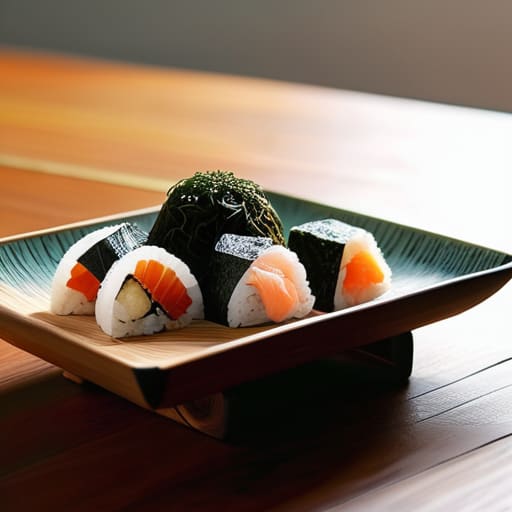
There is a specific kind of frantic energy that settles over a Tokyo subway station during the evening rush—a sea of dark suits and hurried footsteps that can feel entirely overwhelming. In those moments, when the rhythm of the city feels too fast to grasp, I find myself searching for something grounding, something that doesn’t require a reservation or a formal setting. I’ve learned that the most reliable way to navigate this chaos is to look toward the small, functional staples of Japanese life. Finding the right onigiri snack options isn’t just about quenching hunger; it is about finding a moment of stilled composure amidst the mechanical roar of the transit system.
In the following notes, I have curated five specific selections that I believe represent the true soul of the rice ball. Rather than focusing on the flashy, over-engineered convenience foods, I want to guide you toward the varieties that offer genuine substance and a sense of place. You will discover the subtle textures and traditional flavors that serve as the perfect, quiet fuel for a long day of urban exploration. Whether you are sitting on a park bench in Ueno or waiting for a transfer at Shinjuku, these choices will help you understand how a city truly sustains itself.
Table of Contents
The Reliable Station Kiosk Classic
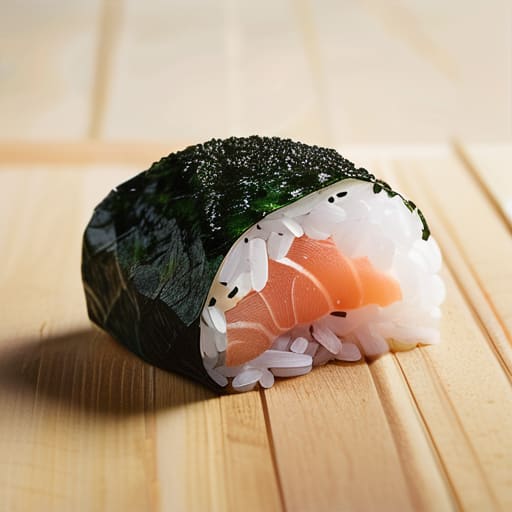
There is a specific kind of efficiency found in the brightly lit kiosks of a major terminal like Shinjuku. I often find myself gravitating toward the standard salted salmon onigiri, a choice that feels less like a culinary whim and more like a logistical necessity. The rice is tightly packed, the seaweed maintains a crisp edge against the moisture, and the flavor profile is remarkably consistent. It is the kind of food that respects your time and your palate without demanding unnecessary attention.
The Artisanal Corner Find
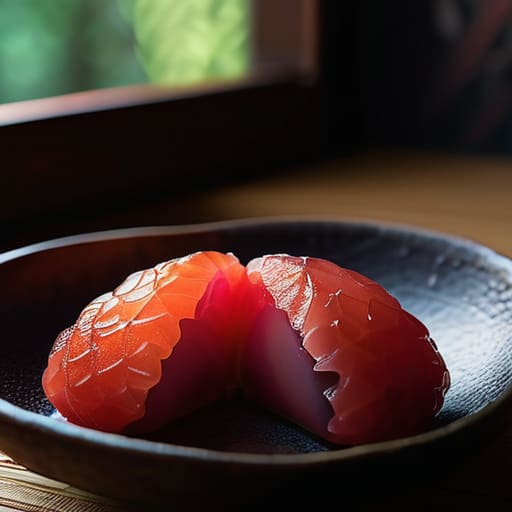
Occasionally, I wander away from the main thoroughfares and stumble upon a small, independent grocer tucked into a side street near Umeda. These shops offer onigiri that feel more like a personal gift than a mass-produced commodity. I recently discovered a version filled with pickled plum—umeboshi—that possessed a sharp, bracing acidity. The rice had a slight, delicate graininess that suggested it had been prepared with a level of care you simply won’t find in a high-volume transit hub.
The Convenience Store Evening Staple
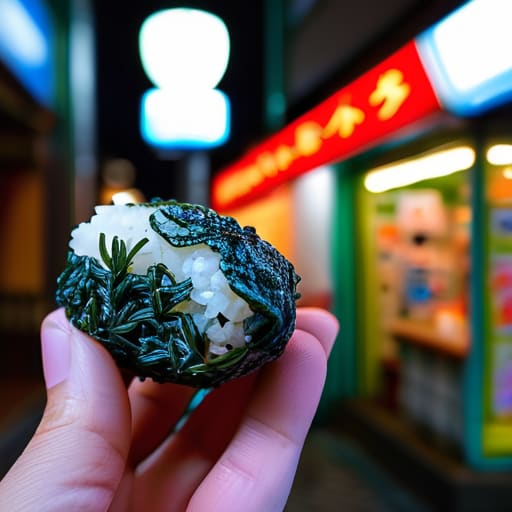
As the sun dips below the skyline and the neon lights begin to hum, the local konbini becomes the most vital node in the urban network. The tuna mayo onigiri is a staple for a reason; it is approachable, comforting, and surprisingly well-engineered. The way the creamy filling is distributed ensures that every mouthful is balanced. It is the ultimate fuel for a long evening of walking and sketching in my notebook.
The Seasonal Specialty
To truly understand the pulse of Japan, one must pay attention to the shifting seasons, and the seasonal onigiri are the most direct way to do so. During the spring, I look for varieties incorporating mountain vegetables or cherry blossom-scented elements. These are not items you buy for sustenance alone; you buy them to mark a moment in time. They are fleeting, much like the light hitting the buildings during the golden hour.
The Gourmet Department Store Delicacy
For those moments when I want to reward a long day of transit-mapping, I head toward the basement food halls of the larger department stores. The onigiri here are elevated to an art form, often wrapped in premium, dark nori that snaps with a satisfying precision. A seasoned beef or a rich grilled eel filling offers a depth of flavor that transforms a simple snack into a properly composed meal.
The Logistics of a Perfect Bite
Don’t overlook the station kiosks; the most reliable, unpretentious fuel is often found in the transit hubs where the city’s rhythm is most palpable.
Look for the simplicity of salt and seaweed; in a landscape of complex flavors, the most honest onigiri relies on high-quality, minimal ingredients.
Treat your snack time as a moment of observation rather than just a necessity, using the quiet pause to watch the urban flow move around you.
The Logistics of a Simple Meal
In a city that never seems to pause for breath, there is a profound, understated reliability in a well-wrapped onigiri; it is the most efficient piece of edible engineering I have encountered, providing exactly what you need without demanding a moment of your attention.
Rurik Salonen
The Rhythm of the Bite
As I sit here in a corner of Shinjuku Station, watching the ebb and flow of commuters, I am reminded that these five onigiri options—from the reliable convenience store staples to the artisanal finds in station kiosks—are more than just mere calories. They represent a certain logistical perfection. Whether you are opting for the salt-heavy simplicity of Umeboshi to steady your nerves or the rich, indulgent layers of a premium salmon filling, each choice serves a specific purpose in the grand machinery of a day spent navigating the urban sprawl. Finding the right one is about matching your hunger to the tempo of the city around you.
Ultimately, I have learned that the best way to experience a metropolis like Tokyo or Osaka isn’t through a curated tour, but through these small, quiet moments of sustenance. There is a profound, understated grace in unwrapping a piece of rice paper while waiting for the Ginza line. It forces you to pause, to breathe, and to observe the world from a stationary point amidst the motion. Don’t just eat to fuel your journey; eat to understand the pulse of the streets. Sometimes, the most honest connection to a place is found in the simple, salted truth of a single, well-made rice ball.
Frequently Asked Questions
Where can I find the freshest onigiri if I want to avoid the standard convenience store selection?
If you want to bypass the plastic-wrapped uniformity of the konbini, look toward the station department stores—the depachika. I’ve found that the basement food halls of places like Daimaru or Takashimaya offer onigiri made with heirloom rice and seasonal fillings that actually respect the ingredient. Alternatively, seek out the small, independent bakeries or rice specialty shops tucked into residential side streets. They lack the neon glow, but they possess a quiet, culinary integrity.
Is there a specific way to tell if the seaweed is still crisp when buying pre-packaged rice balls?
It’s a matter of tactile observation. If you’re buying the standard plastic-wrapped variety from a Lawson or FamilyMart, look for the internal divider. Most modern packaging uses a thin film to separate the seaweed from the rice, which keeps it crisp until the moment you pull the tab. If the seaweed looks limp or translucent through the plastic, it’s already succumbed to the moisture. I always look for that distinct, structural rigidity in the wrap.
Which fillings are generally the safest bets for someone navigating long transit transfers without refrigeration?
When you’re navigating a long transfer through Shinjuku or waiting out a delay in Osaka, you want to avoid anything heavy on cream or delicate seafood. Stick to the classics: salted salmon (shake), pickled plum (umeboshi), or seasoned kombu. These are salt-cured for a reason; they hold up remarkably well at ambient temperatures. They are reliable, steady companions that won’t fail you when the transit rhythm gets unpredictable.
