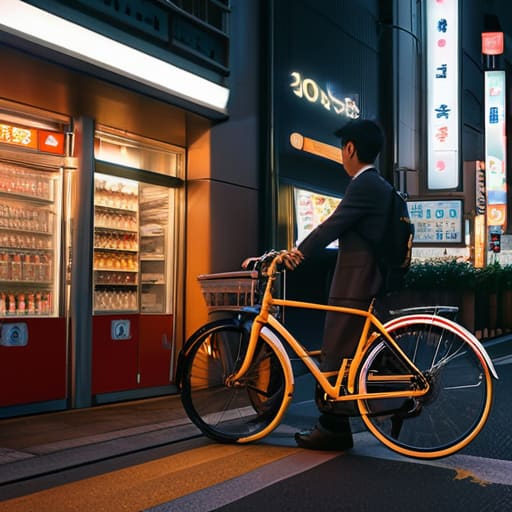
The rhythmic clack-clack of a heavy steel basket hitting a curb and the soft whir of a chain are sounds most tourists completely miss. They’re too busy staring at the neon glow of Shinjuku or the shrines of Kyoto, but I’ve always found that you don’t truly understand a city’s logistics until you’re navigating its narrowest veins on two wheels. I remember sitting in a small cafe in Osaka last autumn, watching a salaryman effortlessly weave a weathered commuter bike through a crowd that seemed impossible to penetrate. It struck me then that bicycle culture japan isn’t about high-end carbon frames or weekend racing pelotons; it is the unseen circulatory system that keeps these dense urban pockets functioning with surgical precision.
I’m not here to sell you on some romanticized, postcard version of cycling through Zen gardens. Instead, I want to pull back the curtain on how these machines actually integrate into the daily grind. I’ll share what I’ve learned from years of observing these transit patterns—from the unspoken rules of the sidewalk to the practicalities of parking in a city that hates clutter. My goal is to give you a grounded, functional guide to moving through Japan like someone who actually lives here, rather than a spectator just passing through.
Table of Contents
- The Mamachari Aesthetic Utility in Every Quiet Corner
- Mastering the Unspoken Rules of Japanese Cycling Etiquette
- The Logistical Nuances: Navigating the Two-Wheeled Flow
- Lessons from the Saddle: What the Bicycle Teaches Us About the City
- The Logic of the Lane
- The Quiet Rhythm of the Road
- Frequently Asked Questions
The Mamachari Aesthetic Utility in Every Quiet Corner
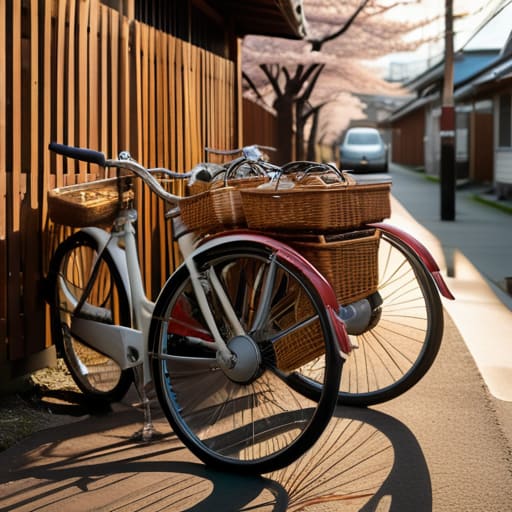
If you stand near a station entrance in a quiet residential ward, you won’t see high-performance carbon frames or sleek racing gear. Instead, you’ll see an endless sea of mamachari style bicycles. These aren’t just modes of transport; they are the workhorses of the neighborhood. With their heavy baskets, sturdy fenders, and low step-through frames, they are designed for the reality of daily life—carrying groceries from the local market or a child in a specialized seat. There is a certain, unpretentious dignity in their design. They prioritize function over form, proving that true efficiency doesn’t need to be flashy.
I often find myself sketching these machines in my notebook, noting how they fit so seamlessly into the urban fabric. Even in a dense metropolis, the integration of these bikes feels organic rather than forced. You’ll notice a quiet sense of order in how they are parked, a testament to the unspoken japanese cycling etiquette that governs the streets. People move with a predictable, rhythmic grace, respecting the narrow lanes and the pedestrian flow. It is a small, mechanical ballet that keeps the city’s local arteries moving without ever disrupting its calm.
Mastering the Unspoken Rules of Japanese Cycling Etiquette
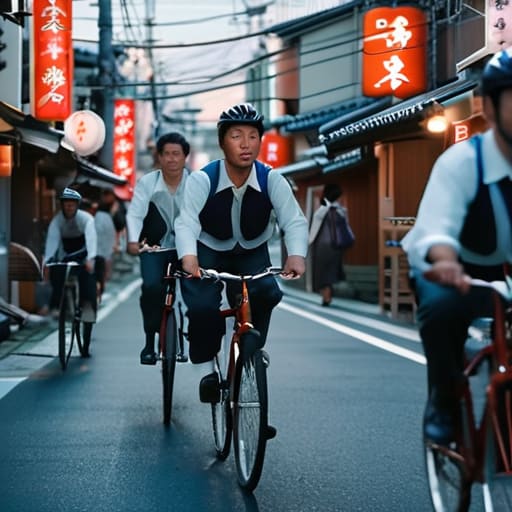
Navigating the narrow arteries of a city like Osaka requires more than just balance; it requires a certain social intuition. I’ve spent decades observing how systems function, and I’ve realized that japanese cycling etiquette is less about rigid laws and more about a shared, unspoken commitment to communal flow. You’ll notice quickly that there is a distinct lack of aggression. When you’re riding through a crowded side street, the goal isn’t to claim the lane, but to weave through the gaps with a predictable, steady rhythm that respects the pedestrians sharing the space.
There is also a quiet discipline regarding where a bike “belongs.” You won’t see many people leaning their rides against storefronts or blocking narrow walkways. Instead, there is a heavy reliance on designated parking zones. Even when using electric assist bikes Japan has become so fond of, the rule remains the same: find the official rack. I’ve also learned that while the streets feel incredibly safe, a bit of mindfulness goes a long way. Engaging with the local bicycle registration system Japan is a practical necessity—it’s a small, bureaucratic detail that provides a profound sense of order and security in an otherwise chaotic urban landscape.
The Logistical Nuances: Navigating the Two-Wheeled Flow
- Respect the designated parking zones; in cities like Osaka, an abandoned bike is a logistical headache the city won’t tolerate, and you’ll find your ride towed to a municipal lot faster than you can snap a photo.
- Master the art of the “silent approach” when walking your bike through station concourses; the transition from rider to pedestrian is a choreographed moment of respect for the shared urban space.
- Always check your rear light and bell before heading into the evening; the narrow, dimly lit alleys of a residential neighborhood require a predictable presence, not a sudden surprise.
- Invest in a heavy-duty, reliable lock; while Japan feels incredibly safe, the sheer density of commuters means a bike is often just a momentary convenience in a vast, moving system.
- Learn the local topography before you commit to a route; a short distance on a map can become a grueling climb when you’re navigating the hilly outskirts of a metropolitan district.
Lessons from the Saddle: What the Bicycle Teaches Us About the City
Look past the convenience and see the Mamachari for what it truly is: the backbone of local logistics that keeps the neighborhood’s quiet rhythms intact.
Respect the unspoken flow; in Japan, cycling is not an act of individual rebellion, but a disciplined contribution to the collective movement of the street.
Use the two-wheeled perspective to slow your pace, allowing you to notice the small, functional details of urban life that disappear when you’re moving too fast on a train.
The Logic of the Lane
“In the West, we often see a bicycle as a tool for recreation or a statement of identity, but in Japan, it is something far more profound: it is a seamless extension of the urban circulatory system, a quiet, moving piece of the city’s very architecture.”
Rurik Salonen
The Quiet Rhythm of the Road
When you step back and look at the broader picture, Japanese bicycle culture isn’t just about getting from point A to point B; it is a masterclass in integrated urban logistics. From the ubiquitous, basket-laden mamachari that serves as the backbone of neighborhood life to the silent, disciplined etiquette that keeps chaotic intersections flowing, there is a profound sense of order here. We have seen how these two-wheeled machines bridge the gap between the massive transit hubs and the intimate, narrow alleys where the true character of a city resides. It is a system built on mutual respect and functional simplicity, proving that even the smallest modes of transport can define the soul of a metropolis.
As I sit here in a small café, sketching the intersection outside my window, I am reminded that the best way to see a city is not from the window of a high-speed train, but from the saddle of a bike. To cycle through Japan is to accept a slower, more deliberate pace of life—one that demands you notice the shifting light on a temple wall or the way a neighborhood wakes up at dawn. Don’t just move through these streets; learn to breathe with them. If you seek the truth of a place, stop looking for the landmarks and start watching the wheels turn.
Frequently Asked Questions
Where can I find reliable, long-term bicycle parking that won't result in my bike being impounded by the city?
If you’re staying long-term, steer clear of those convenient-looking sidewalk spots; the city ward officers are relentless, and an impound fee will ruin your week. Look for “Churinjo”—official, fenced-in bicycle parking lots. They are often tucked away in concrete structures near station exits or tucked behind commercial buildings. They might cost a few hundred yen a day, but that’s a small price for the peace of mind that your bike will actually be there when you return.
How do I navigate the logistical challenge of riding a bike through narrow, pedestrian-heavy shopping streets without causing friction?
It comes down to a mental shift: stop viewing yourself as a driver and start acting like a pedestrian with wheels. When the shopping streets narrow, slow your cadence until you’re practically walking. Keep your hands near the brakes, eyes scanning for sudden turns from shopgoers, and always yield the right-of-way. In these tight arteries, friction isn’t caused by speed, but by a lack of spatial awareness. Move with the flow, not against it.
What are the practicalities of maintaining a commuter bike in Japan, and are there reliable local shops that cater to travelers?
Maintenance in Japan is surprisingly seamless if you know where to look. Most neighborhoods have a local jitensha-ya—small, unassuming bike shops that are the backbone of local transit. They aren’t flashy, but they are incredibly efficient. For a traveler, I recommend looking for shops near major transit hubs; they’re used to quick repairs like flat tires or brake adjustments. Just be prepared: while they are masters of utility, their service is often strictly functional, not conversational.
