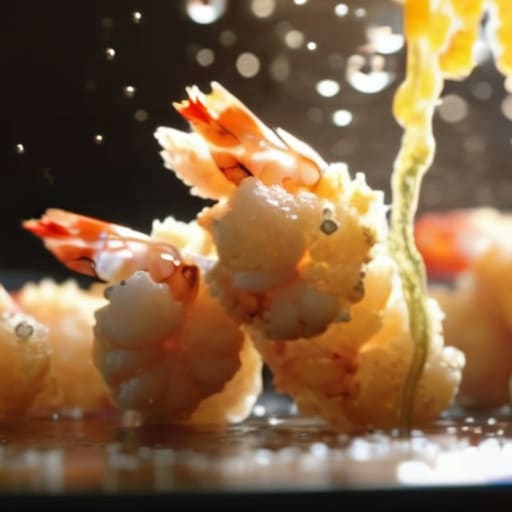
I remember sitting in a cramped, steam-filled kitchen in an alleyway off Osaka’s Dotonbori district, watching a master chef work. There was no frantic energy, no heavy-handed seasoning, and certainly no reliance on the high-tech gadgets you see advertised in glossy magazines today. Most people approach tempura frying techniques as if they are solving a complex mathematical equation or following a rigid, industrial manual, but they miss the fundamental truth of the process. They focus too much on the equipment and not enough on the rhythm of the heat. They treat the oil like a tool rather than a living environment that requires constant, subtle adjustment.
I have no interest in peddling culinary myths or selling you on expensive, unnecessary kitchenware. Instead, I want to share what I have gathered from years of observing the quiet, functional precision of Japanese masters and my own attempts to replicate that balance at home. We are going to strip away the noise and focus on the essential mechanics—the temperature, the aeration of the batter, and the timing. My goal is to provide you with a grounded, practical framework for mastering these tempura frying techniques so you can find that same fleeting, perfect crunch in your own kitchen.
Table of Contents
Seeking Truth in Perfect Tempura Batter Consistency
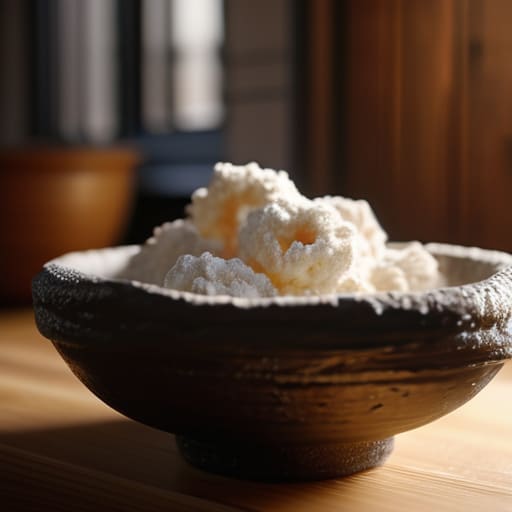
In my years of managing logistics, I learned that the smallest deviation in a single component can disrupt an entire global network. The same principle applies to the bowl of batter sitting before me in a dim kitchen in Osaka. To find the perfect tempura batter consistency, one must resist the urge to overwork the mixture. I’ve watched many eager cooks whisk their ingredients into a smooth, uniform paste, but that is a mistake. You want lumps. You want streaks of unmixed flour. When the cold water meets the flour, it should feel more like a marriage of opposites than a seamless union; the goal is to keep the gluten development to an absolute minimum.
If the batter is too heavy or too well-mixed, you lose that ethereal, lace-like quality that defines the craft. Instead, you end up with something dense and sodden. Achieving crispy tempura texture relies on this delicate imbalance—a structural fragility that allows the steam to escape rapidly once it hits the oil. It is much like the efficiency of a well-timed transit transfer: if the components aren’t precisely timed and slightly imperfect, the whole system fails to breathe.
The Essential Temperature for Deep Frying Tempura
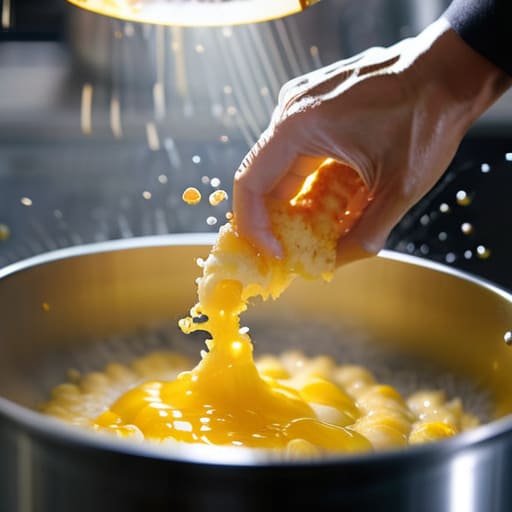
In my years managing logistics, I learned that a system is only as reliable as its most volatile variable. In the kitchen, that variable is heat. You cannot simply set a dial and walk away; you must listen to the oil. When discussing the temperature for deep frying tempura, most amateurs aim for a static number, but the reality is far more fluid. I find that the oil should sit somewhere between 170°C and 180°C, a range that requires constant, watchful stewardship.
If the oil drops even slightly below this threshold, the batter loses its structural integrity, leading to the heavy, sodden mess of preventing oily tempura from becoming a failed mission. Conversely, if the heat spikes, you sear the exterior before the center has even begun to steam. I often think of it like the ebb and flow of a Tokyo subway line during rush hour—there is a precise, kinetic energy required to keep everything moving smoothly. To master achieving crispy tempura texture, one must respect this thermal equilibrium, treating the oil not as a tool, but as a living environment.
The Logistics of the Fry: Five Nuances for the Patient Cook
- Keep your ingredients, especially the shrimp or seasonal vegetables, bone-chillingly cold; the thermal shock between the icy core and the hot oil is what creates that momentary, structural tension in the crust.
- Treat your flour with a light touch, mixing it only until the lumps appear and then stopping; overworking the batter is a logistical error that develops gluten, turning a crisp lace into a heavy, bread-like shroud.
- Master the art of the ‘oil whisper’ by monitoring the sound of the bubbles; a frantic, violent hiss suggests the temperature has plummeted, while a gentle, steady murmur indicates the oil is ready to receive the batter.
- Avoid the temptation to crowd the vessel, as dropping too many pieces at once is like a bottleneck in a shipping terminal—it drops the oil temperature instantly and leaves the food greasy instead of crisp.
- Use a fine-mesh strainer to skim the spent bits of batter from the surface between batches; those small, charred fragments are debris that will burn and impart a bitter, unwanted soot to your clean work.
The Logistics of the Perfect Fry
Consistency is found in the cold; keep your batter chilled to prevent gluten development, ensuring that light, airy texture rather than a heavy, bread-like coating.
Precision matters more than intuition; maintain a steady oil temperature between 170°C and 180°C to ensure the moisture evaporates instantly, leaving behind a crisp shell instead of a sodden mess.
Respect the rhythm of the oil; avoid overcrowding the vessel, as dropping too many pieces at once disrupts the thermal equilibrium and compromises the integrity of the entire batch.
The Logistics of the Perfect Crunch
“Mastering tempura is less about following a recipe and more about managing a delicate, thermal equilibrium; it is the art of ensuring the heat penetrates the core without disrupting the fragile, airy architecture of the crust.”
Rurik Salonen
The Final Layer of Precision
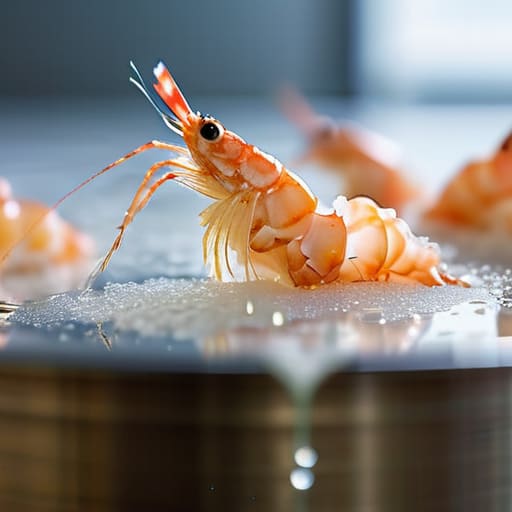
Mastering tempura is less about following a rigid recipe and more about managing a series of delicate, interconnected variables. We have discussed the necessity of a light, ice-cold batter to prevent gluten development and the critical importance of maintaining a steady oil temperature to ensure that crisp, airy texture. When you balance the viscosity of the mixture with the precise heat of the oil, you move beyond mere cooking and into the realm of technical execution. It is a logistical dance—one where the timing of the dip and the heat of the vat must align perfectly to prevent the dreaded oil-soaked crust.
Ultimately, I find that the most profound lessons aren’t found in the loud, bustling kitchens, but in the quiet patience required to get it right. Much like sketching a complex subway map or waiting for the perfect light to hit a narrow alleyway in Shinjuku, cooking tempura demands a disciplined observation of the small things. Do not rush the process or grow impatient with the heat. Instead, lean into the rhythm of the fry, listen to the sound of the bubbling oil, and respect the subtle nuances that transform a simple meal into a moment of pure, functional beauty.
Frequently Asked Questions
How can I tell if the oil has reached its peak temperature without relying solely on a thermometer?
The wooden chopstick method is my preferred way to gauge the heat. I don’t trust a digital readout as much as I trust my own senses. Dip a clean wooden chopstick into the oil; if small, steady bubbles begin to dance around the wood—not a violent boil, but a quiet, rhythmic agitation—the temperature is holding steady. It’s much like watching the subtle shift in light through a lens; you have to feel the timing.
Is there a way to maintain that delicate, airy texture if I am frying multiple pieces in a single batch?
The danger in a crowded pot is the sudden, sharp drop in temperature. When you drop multiple pieces of cold seafood into the oil at once, the thermal equilibrium shatters. To maintain that airy lightness, I recommend working in smaller, deliberate intervals. If you must batch them, ensure your oil is slightly higher than your target temperature before the first piece hits. Think of it as managing a flow; never overwhelm the system.
What is the best method for managing the residual heat in the oil to prevent the batter from becoming heavy or greasy?
The secret lies in managing the momentum of the heat. Much like a well-timed transit transfer, you cannot simply stop; you must transition. As your batch nears completion, pull the pot slightly away from the direct flame or lower the burner to a whisper. This prevents the oil from spiking and overcooking the core, which leads to that dreaded grease trap. Let the temperature settle naturally, ensuring the oil remains a steady, quiet companion to the fry.
