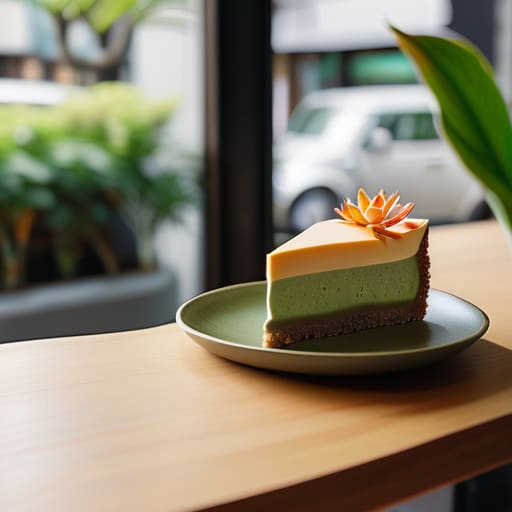
I sat in a sleek, glass-fronted establishment in Omotesando last Tuesday, watching a group of teenagers photograph their matcha lattes for twenty minutes before taking a single sip. The lighting was perfect, the branding was impeccable, but the coffee was entirely forgettable. Most people mistake these polished, Instagram-ready spaces for the heart of the city, but that isn’t what tokyo cafe culture is actually about. To me, the real pulse of the city isn’t found in a curated aesthetic or a high price tag; it’s found in the low hum of a vintage espresso machine in a room no larger than a shipping container.
I have no interest in giving you a list of the most “photogenic” spots to check off a bucket list. Instead, I want to show you how to navigate the city’s caffeine landscape like a local who values function and stillness. I will guide you toward those tucked-away, quiet corners where the coffee is strong, the service is seamless, and the chaos of the metropolis finally fades into the background. This is about finding the true rhythm of Tokyo, one cup at a time.
Table of Contents
The Deep Roots of Kissaten History in Japan
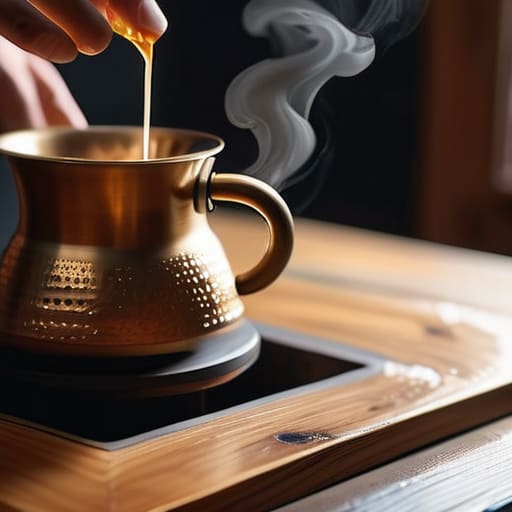
To understand why a modern Tokyo barista treats a bean with such reverence, one must first understand the kissaten. Long before the frantic pace of the third wave coffee movement swept through the city, these traditional tea-and-coffee houses served as the quiet anchors of Japanese social life. Unlike the quick, transactional nature of a modern espresso bar, the kissaten was built on the principle of lingering. It was a space designed for contemplation, where the ritual of the pour was as important as the caffeine itself.
Tracing the kissaten history in Japan reveals a fascinating evolution of urban solitude. These establishments weren’t just places to drink; they were sanctuaries of intentional stillness. In the post-war era, as the city’s skyline began its relentless climb toward the clouds, the dim lighting and heavy velvet curtains of the kissaten offered a necessary counterweight to the neon chaos outside. Even as the specialty coffee scene in Tokyo begins to embrace lighter roasts and more experimental techniques, that foundational respect for the sanctity of the ritual remains the heartbeat of the city’s coffee identity.
Finding Stillness in the Specialty Coffee Scene Tokyo
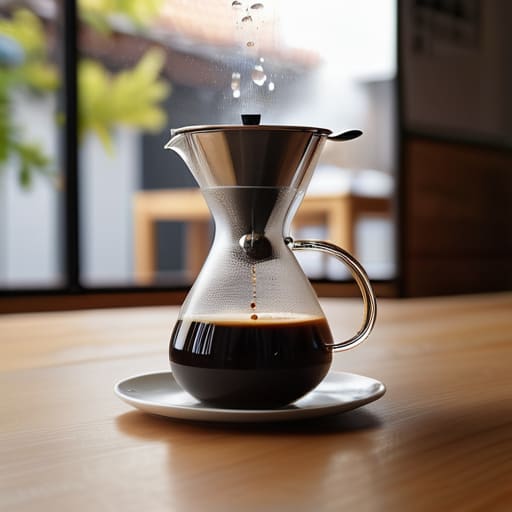
While the old-school kissaten offers a nostalgic embrace, a different kind of quiet has emerged through the third wave coffee movement in Japan. I’ve found that this isn’t about the frantic energy of a modern espresso bar, but rather a disciplined pursuit of precision. In neighborhoods like Kiyosumi-shirakawa, the pace slows down significantly. Here, the focus shifts to the chemistry of the pour-over and the exact temperature of the water. It is a meditative process that mirrors the meticulousness I used to see in high-end logistics; every variable matters, and the result is a clarity of flavor that demands your full attention.
These spaces often embrace a minimalist cafe design that strips away the visual noise of the city. There are no loud advertisements or cluttered menus—just raw concrete, light wood, and the steady hum of a grinder. I often find myself sitting in these corners with my notebook, watching the light shift across a wooden counter. It isn’t about finding a workspace for a laptop; it is about finding a sanctuary where the rhythm of the brew dictates the tempo of your afternoon.
Navigating the Quiet Rituals: A Few Practical Observations
- Respect the silence of the Kissaten. These aren’t spaces for loud conversation or frantic multitasking; they are sanctuaries of stillness. If you find yourself in a traditional establishment, keep your voice low and your phone tucked away. The patrons there aren’t just drinking coffee; they are reclaiming a moment of peace.
- Look for the basement and the attic. The most authentic character often resides in the vertical margins of the city. Don’t just scan the street level; follow the signs for “B1” or look for a narrow staircase tucked between two office buildings. The best coffee is often found where the sunlight barely reaches.
- Learn the rhythm of the counter. In many smaller, specialty shops, the baristas work with a precision that reminds me of a well-oiled logistics hub. Watch their movements, but don’t interrupt their flow. There is a certain grace in their efficiency that deserves your quiet appreciation.
- Carry small denominations of yen. While Tokyo is modernizing rapidly, the soul of the cafe scene—those tiny, family-run spots—often relies on the tactile simplicity of cash. A heavy wallet is a small price to pay for the ability to enter a shop that doesn’t take cards.
- Embrace the solo visit. In my experience, trying to find a seat for a group in a dense urban district can feel like a logistical nightmare. However, sitting alone at a narrow wooden counter is the most effective way to observe the city’s pulse. It allows you to become part of the scenery rather than a disruption to it.
The Logistical Soul of the Tokyo Cup
To truly understand Tokyo, look past the high-speed convenience of the modern chain and seek out the deliberate, slow-motion ritual of the local cafe; it is in these pauses that the city’s true rhythm is revealed.
The evolution from the dark, wood-paneled kissaten to the bright, minimalist specialty roaster isn’t a replacement of culture, but a layered map of how Japanese urbanites have navigated their need for both tradition and precision.
The best way to experience a neighborhood is to use its coffee shops as anchors—small, quiet waypoints that allow you to observe the flow of the street without being swept away by its current.
The Logistics of Solitude
“In a city that never stops moving, a cafe isn’t just a place to consume caffeine; it is a vital decompression valve, a scheduled pause in the urban machinery where the frantic pace of the street finally yields to the steady rhythm of a single, well-poured cup.”
Rurik Salonen
The Last Sip
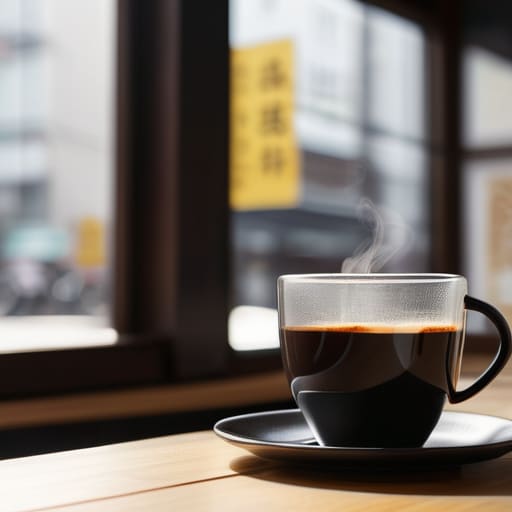
As I sit here, tracing the lines of a subway map in my notebook, I realize that Tokyo’s cafe culture is less about the caffeine and more about the intentionality of space. We have moved from the dark, wood-paneled sanctuary of the traditional kissaten to the bright, precision-driven workshops of the specialty movement, yet the underlying necessity remains the same. Whether you are seeking the nostalgic weight of a heavy ceramic cup or the clinical perfection of a pour-over, these spaces serve as the city’s essential pressure valves. They provide the necessary friction against the relentless momentum of the metropolis, allowing us a moment to simply exist without being part of the rush.
Ultimately, finding your way through Tokyo’s coffee landscape isn’t about following a trend or a curated list of top-rated shops. It is about learning to read the city’s subtle cues—the way a curtain hangs in a doorway or the specific silence of a basement nook. I have found that the most profound connections to a place happen when you stop searching for the spectacle and start looking for the quiet rhythms of daily life. So, next time you find yourself overwhelmed by the neon and the noise, step into the nearest unmarked door. You might just find exactly what you didn’t know you were looking for.
Frequently Asked Questions
How do I distinguish between a traditional kissaten and the modern specialty coffee shops when walking through different neighborhoods?
It’s all in the sensory cues. When I’m walking through neighborhoods like Jimbocho or Ginza, I look for the weight of the atmosphere. A kissaten announces itself through heavy velvet curtains, the scent of dark, syrupy roasts, and a deliberate, almost hushed pace. You’ll see older patrons reading newspapers in leather booths. Modern specialty shops, conversely, feel lighter—glass fronts, bright lighting, and the high-frequency hum of espresso machines. One honors the past; the other celebrates the craft.
Is there a particular etiquette I should follow when using a cafe as a quiet space to read or write in Tokyo?
In my experience, the unspoken rule is a matter of spatial logistics. If you’re occupying a table for hours with a notebook or a book, be mindful of the “turnover rhythm.” In smaller shops, try to order a second item after ninety minutes to signal you aren’t just squatting. Most importantly, keep your presence low-impact; use headphones, keep your gear compact, and respect the silence. In Tokyo, your right to the space is balanced by your discretion.
Which specific subway lines or districts offer the best concentration of these smaller, tucked-away coffee establishments?
If you want to find that specific concentration, skip the major hubs and head toward the residential arteries. The Chiyoda Line is a goldmine; as it snakes through neighborhoods like Yanaka or Jimbocho, the pace slows, and the coffee shops appear in the gaps between bookshops and quiet residences. I often find myself drifting toward the Setagaya area via the Odakyu Line. There, the rhythm is slower, and the best brews are usually found in those small, nameless corners that require a bit of wandering to uncover.
