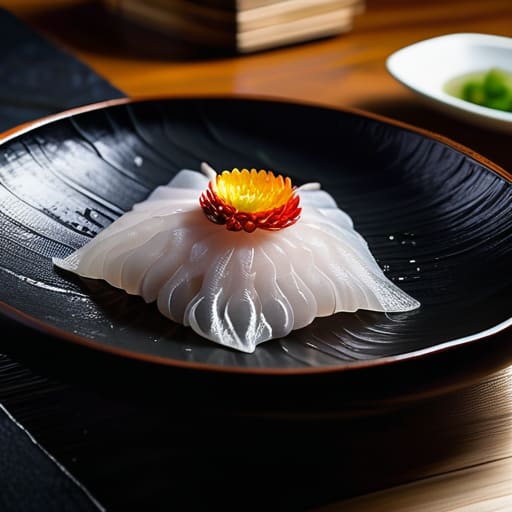
The knife moved with a precision that felt almost surgical, a rhythmic slice through translucent flesh that seemed far too delicate to be anything more than a ghost on the plate. I remember sitting in a cramped, wood-paneled room in Osaka, the air thick with the scent of dashi and the quiet, focused tension of the chef. Most travel guides treat fugu pufferfish dining as a dare or a high-priced spectacle for the tourist crowd, but sitting there, I realized it wasn’t about the risk of the toxin; it was about the unwavering discipline required to master it.
I have no interest in the flashy, overpriced showrooms designed to separate travelers from their yen. Instead, I want to show you how to find the real thing—the places where the ritual is respected and the logistics of the meal are as seamless as a well-run transit line. I will guide you through the practicalities of identifying a legitimate kitchen and understanding the quiet mechanics of a proper meal, ensuring your experience is defined by culinary truth rather than hollow hype.
Table of Contents
The Precision of the Blade and Licensed Fugu Chefs
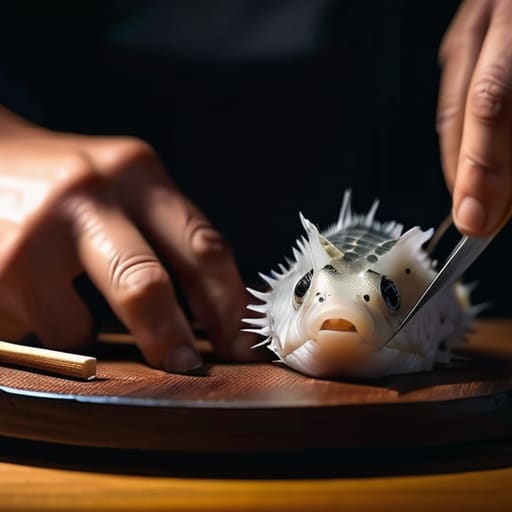
Watching the chef work is like observing a master technician managing a high-stakes logistics operation where the margin for error is zero. There is no room for a misplaced stroke or a moment of distraction. In the world of traditional Japanese culinary arts, the preparation of this fish is less about cooking and more about a rigorous, surgical discipline. You realize quickly that this isn’t just dinner; it is a highly regulated ritual governed by strict tetrodotoxin safety protocols that have been passed down through generations.
The atmosphere in the room shifts as the chef begins the fugu sashimi preparation. He moves with a steady, practiced economy of motion that I’ve only ever seen in high-level industrial specialists. Each slice is translucent, laid out on the plate in a pattern that mimics a blooming chrysanthemum. It is a testament to the years of training required to earn the title of licensed fugu chefs. To witness such precision is to understand that in Japan, beauty is often inseparable from a profound, disciplined respect for danger.
Pufferfish Toxicity Explained Through a Single Bite
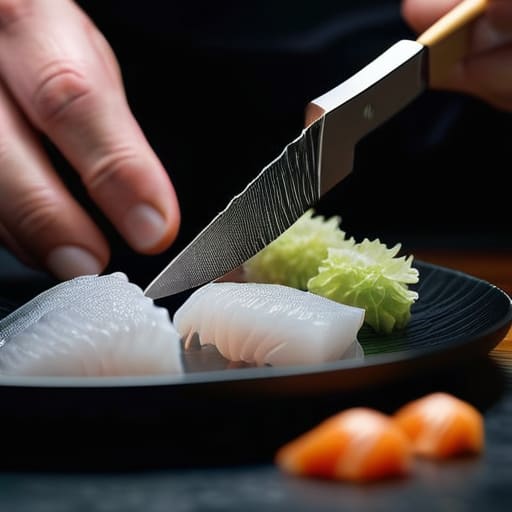
To understand the weight of the meal, one must look past the translucent beauty of the plate and acknowledge the chemistry at work. The danger lies in tetrodotoxin, a neurotoxin far more potent than cyanide, which resides within the liver and ovaries of the fish. It is a substance that does not yield to heat or seasoning; there is no culinary trick to neutralize it. This is why tetrodotoxin safety protocols are not merely suggestions in a kitchen, but a rigid, life-or-death framework that governs the entire experience.
When I sit in these quiet, dimly lit rooms, I am acutely aware that the thinness of the slice is a testament to the chef’s mastery over a lethal element. The sensation of the meat on the tongue—a slight, faintly numbing tingle—is often the hallmark of a perfectly executed dish. It is a delicate equilibrium where the risk is managed through decades of discipline. In these moments, the meal transcends mere exotic seafood dining experiences; it becomes a profound lesson in the precision of survival through the lens of traditional Japanese culinary arts.
Navigating the Ritual: A Few Practicalities for the Uninitiated
- Seek out the license, not the decor. In a city as vast as Tokyo, a flashy storefront is often a distraction. Look for the small, unassuming establishments where the chef’s credentials are the primary draw; true mastery rarely needs to shout.
- Observe the rhythm of the room. Fugu dining is a slow process, a deliberate pacing that mirrors the precision of the preparation. Do not rush the meal; treat it as a study in patience rather than a quick stop between subway transfers.
- Trust the seasonal flow. Much like the logistics of a supply chain, the availability and quality of fugu depend heavily on the time of year. Ask your host what is currently at its peak; there is a specific, fleeting perfection to certain species that no menu can fully capture.
- Mind the pairing. While a crisp sake is the traditional companion, pay attention to how the acidity of the drink interacts with the clean, subtle texture of the fish. The goal is balance, not masking the delicate flavor of the meat.
- Keep a steady hand and a quiet mind. There is a certain tension inherent in eating something so potentially volatile. Lean into that quiet awareness. It makes the experience more than just a meal—it becomes a moment of profound, singular presence.
Lessons from the Plate
Respect the ritual, not just the flavor; the skill of the chef is the only thing standing between a culinary masterpiece and a lethal mistake.
Look past the tourist menus and seek out the small, unassuming shops where the focus is on precision rather than presentation.
Understand that dining on fugu is an exercise in trust—a quiet pact between the diner and the expert that honors the city’s disciplined nature.
The Logistics of Risk
“In my former life, I managed risks by calculating margins of error; here, sitting in a dim corner of Shimonoseki, I realize that some experiences are defined by the very thinness of that margin—a culinary dance where the precision of the chef is the only thing standing between a transcendent meal and a fatal mistake.”
Rurik Salonen
The Final Taste of Risk and Ritual
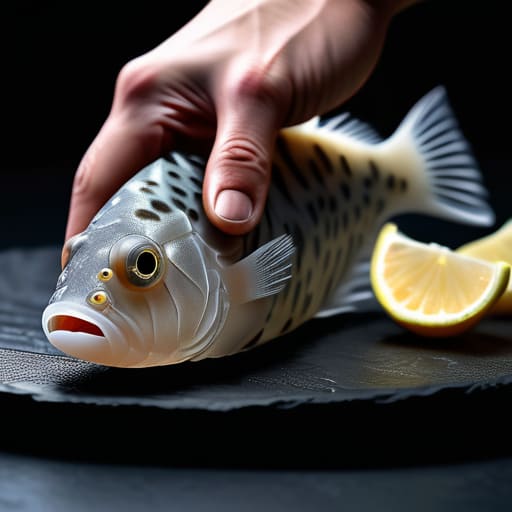
To sit before a plate of fugu is to acknowledge a delicate contract between the diner and the chef. We have traced the journey from the lethal biological reality of the pufferfish to the rigorous, decades-long training required to master its preparation. It is not merely a matter of removing toxin; it is a discipline of absolute precision that mirrors the very logistics I spent my career studying—where a single error in the chain of command results in total failure. When you finally taste that translucent slice, you aren’t just consuming seafood; you are participating in a carefully regulated dance between danger and culinary mastery.
As I sit in these quiet, dimly lit corners of the city, sketching the lines of the subway in my notebook, I am often reminded that the most profound experiences are rarely the loudest. Eating fugu is not about the spectacle of the hunt or the thrill of the danger, but about the quiet respect for a tradition that refuses to be rushed. It teaches us that there is a specific kind of functional beauty in things that require patience and expertise. In a world that constantly demands more speed, perhaps we should look more closely at the slow, deliberate rituals that keep the soul of a city alive.
Frequently Asked Questions
How can I be certain that the restaurant I've chosen adheres to the strict licensing regulations required for serving fugu?
You won’t find this answer in a glossy guidebook. In Japan, the certification is formal: look for the fugu shikishi—a framed certificate—displayed prominently near the kitchen or entrance. It’s a mark of the chef’s specific license. However, my advice is more practical. Choose establishments with a sense of gravity. If the restaurant feels established, quiet, and respects the ritual of the meal, they aren’t cutting corners. In logistics, we trust systems; in dining, trust the pedigree.
Is there a specific etiquette or a certain way to approach the tasting to truly appreciate the subtle textures of the fish?
Don’t rush. In a city that moves at a frantic pace, the fugu table is a rare pocket of stillness. I’ve learned that the best way to approach it is to treat each slice as a study in texture rather than a mere morsel. Start with the sashimi—the tessa—and let it sit on your tongue for a moment. Notice the translucency, the slight resistance, and the way the flavor evolves as it reaches room temperature.
Beyond the sashimi, what are the other ways fugu is typically prepared in a traditional setting, such as in soups or hot pots?
While the translucent slices of sashimi command the most attention, the true soul of the meal often lies in the heat. I’ve found that fugu chiri—a communal hot pot where the fish is simmered in a delicate dashi—is where the texture truly sings. Most importantly, don’t overlook the karaumi, the final soup made from the boiling broth. It’s a concentrated, restorative essence that captures the very breath of the sea.
