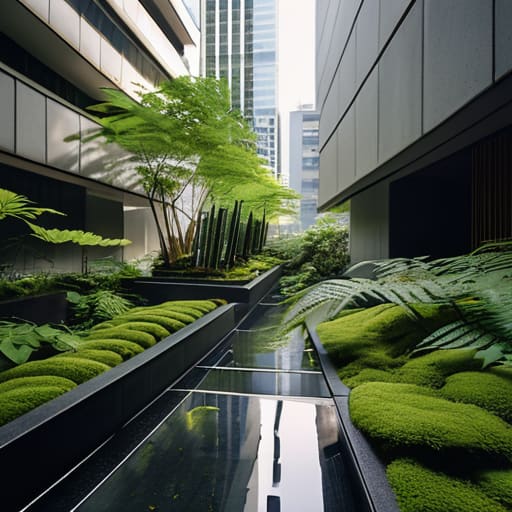
I was standing on the platform at Shinjuku Station last Tuesday, watching the frantic, rhythmic surge of commuters, when I realized most people view the city as nothing more than a concrete machine. They chase the neon lights and the towering glass monoliths, completely oblivious to the fact that japan urban greenery isn’t just found in the sprawling, manicured parks that make the brochures. It’s actually much more subtle than that. It’s the stubborn patch of ferns clinging to a stone wall near a subway vent, or the way a single, ancient maple tree manages to claim its space between two massive office blocks. If you only look for the “big” sights, you’ll miss the actual soul of the landscape.
I’m not here to give you a curated list of the most Instagrammable botanical gardens or the expensive tourist traps. Instead, I want to show you how to recognize the quiet, functional beauty that keeps these megalopolises from suffocating. I’ll be sharing my observations on how to find those hidden pockets of stillness—the small, overlooked verges and transit-side gardens—that allow a city to truly breathe.
Table of Contents
Tokyo Metropolitan Green Spaces and the Transit Side Verges
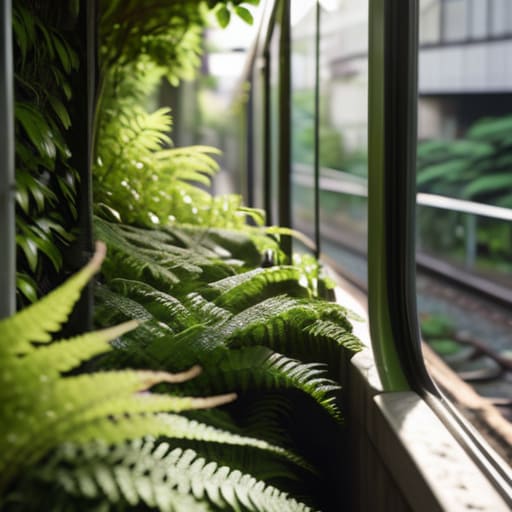
When I sit on the Yamanote line, I don’t look at the crowds; I look at the slivers of green that punctuate the concrete. There is a deliberate logic to how Tokyo manages its greenery, a concept I’ve come to recognize as a sophisticated form of biophilic design in Japanese cities. It isn’t about massive, sprawling parks like Central Park; rather, it is about the strategic placement of small, functional pockets of life. You’ll see it in the way a station entrance is softened by a manicured hedge, or how a narrow alleyway is lined with potted ferns that seem to absorb the city’s roar.
These transit-side verges are more than just aesthetic choices; they are essential to the city’s respiratory system. I’ve noticed that the most effective Tokyo metropolitan green spaces are those that exist in the margins—the tiny, mossy embankments alongside elevated tracks or the small groves tucked between office towers. These micro-habitats offer a necessary reprieve, proving that even in a hyper-dense metropolis, the integration of nature is a vital component of urban functionality and mental clarity.
Traditional Garden Integration in Modern Cities
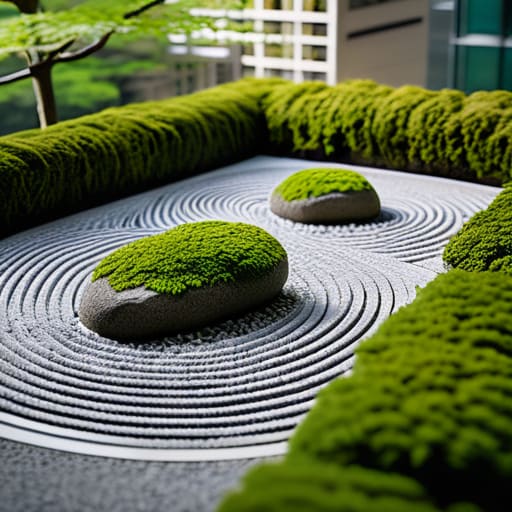
It is one thing to see a park, but quite another to witness how a centuries-old aesthetic survives the relentless pressure of concrete. In my time walking the streets of Shinjuku and Ginza, I’ve noticed that traditional garden integration in modern cities isn’t merely a decorative choice; it’s a structural necessity for the city’s soul. You might be rushing toward a subway entrance, only to find a small, meticulously raked gravel garden tucked between two glass towers. These aren’t accidents. They are deliberate pockets of stillness that prevent the urban landscape from becoming entirely sterile.
What fascinates me most is how these spaces utilize biophilic design in Japanese cities to bridge the gap between the hyper-modern and the ancient. It isn’t just about planting trees; it is about the geometry of the space—the way a stone lantern or a single maple tree is positioned to provide a visual anchor amidst the chaos of a commute. Even in the densest districts, these small, curated environments act as a psychological buffer, proving that a city can be both a high-speed logistical marvel and a place that still knows how to hold its breath.
Observations from the Field: How to Navigate the Green Veins of the City
- Don’t just look up at the skyscrapers; look down at the street level. The most meaningful greenery often exists in the narrow gaps between a concrete wall and a train line, or in the small, deliberate plantings that soften the edge of a busy intersection.
- Use the transit maps as your guide to nature. Many of Tokyo’s larger parks are strategically positioned near major hubs, but the real magic happens when you step two or three stations away from the main lines, where the greenery begins to feel less like “infrastructure” and more like a neighborhood’s soul.
- Carry a physical notebook, not just a phone. When you find a pocket garden or a small shrine grove, sit for ten minutes. Sketching the layout or simply noting the way the light hits the moss helps you understand the spatial logic of how the Japanese integrate nature into high-density living.
- Pay attention to the seasonal shifts in the “micro-gardens.” In a city as dense as Osaka or Tokyo, the change of seasons isn’t signaled by vast forests, but by the specific way a single maple tree overhanging a subway entrance turns crimson. These small shifts are the city’s heartbeat.
- Respect the silence of the green pockets. These small urban sanctuaries serve a functional purpose for the locals—they are places to decompress. Approach them with a quiet, observant mindset, treating them not as tourist attractions, but as the vital lungs of the metropolitan machine.
The Logic of the Green Margin
True urban vitality isn’t found in massive, isolated parks, but in the seamless way greenery is woven into the transit corridors we use every day.
The most profound moments of stillness occur when a centuries-old garden design meets a modern subway exit, proving that tradition and efficiency aren’t mutually exclusive.
To truly understand a Japanese city, one must look past the concrete and observe the small, functional pockets of nature that allow the metropolitan machine to breathe.
The Logic of the Leaf
“In a city built on the relentless efficiency of steel and concrete, these pockets of greenery aren’t just aesthetic flourishes; they are the vital pressure valves that prevent the entire metropolitan machine from overheating.”
Rurik Salonen
The Quiet Architecture of the City
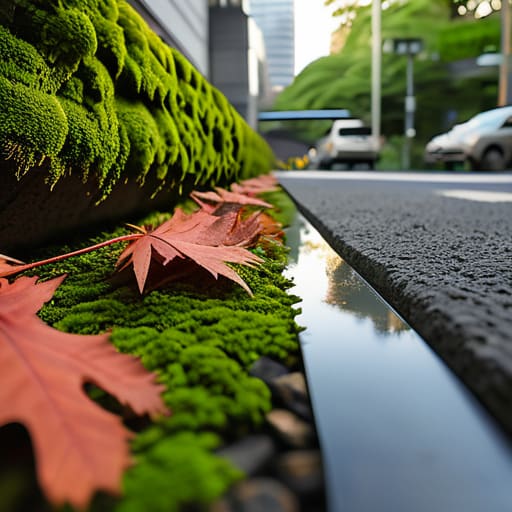
Looking back at the layers we’ve peeled away, it becomes clear that Japan’s urban greenery isn’t just an aesthetic afterthought; it is a vital, functional component of the metropolitan machine. From the meticulously maintained transit-side verges that soften the harsh edges of concrete corridors to the ancient, walled gardens that offer a sudden, silent reprieve from the Shibuya scramble, these spaces serve a purpose. They are the connective tissue between the relentless pace of modern logistics and the human need for stillness. We have seen how the integration of tradition and modern infrastructure allows a city of millions to maintain its equilibrium without losing its soul.
As I sit here in a small cafe near Shinjuku, sketching the way the light hits a single maple tree framed by a steel skyscraper, I am reminded that the true essence of a city is found in these small, deliberate concessions to nature. You don’t need to seek out a massive national park to find peace; often, the most profound moments occur in the unnoticed slivers of green tucked between a subway exit and a vending machine. My advice to any traveler is this: stop looking at the skyline for a moment. Look down, look between the buildings, and listen for the way the city breathes through its leaves.
Frequently Asked Questions
How do these small, tucked-away green pockets actually impact the efficiency and flow of the city's transit-heavy layout?
It’s a matter of psychological friction. In my years in logistics, I learned that any bottleneck isn’t just physical; it’s mental. When a commuter transitions from a frantic, concrete-heavy transfer to a small, shaded pocket of greenery, it acts as a pressure valve. These spaces provide a momentary sensory reset, lowering the collective cortisol of the crowd. By smoothing out the mental fatigue of the transit flow, the city actually moves more fluidly.
Are there specific seasons when these hidden gardens and subway-side verges offer the most distinct visual character for photography?
If you’re looking through a lens, timing is everything. Late April offers that fleeting, frantic energy of cherry blossoms, but for me, it’s too crowded. I prefer the deep, saturated greens of June, just before the monsoon hits; the moss in those tiny shrine pockets becomes incredibly vivid. Alternatively, November provides a sharp, structural clarity. The autumn colors against the concrete transit lines create a contrast that feels both fleeting and profoundly intentional.
Beyond the famous public parks, how can a traveler find these smaller, more functional green spaces without a map or a guide?
Stop looking at your phone and start looking at the elevation. In cities like Tokyo, the real greenery often follows the logic of the terrain. Look for the narrow, stone-stepped alleys that climb away from the main thoroughfares; they almost always lead to small, shaded pockets of shade and shrine gardens. Follow the sound of water or the sudden drop in temperature. If a street feels quieter, follow it. The greenery is usually hiding in the gaps.
