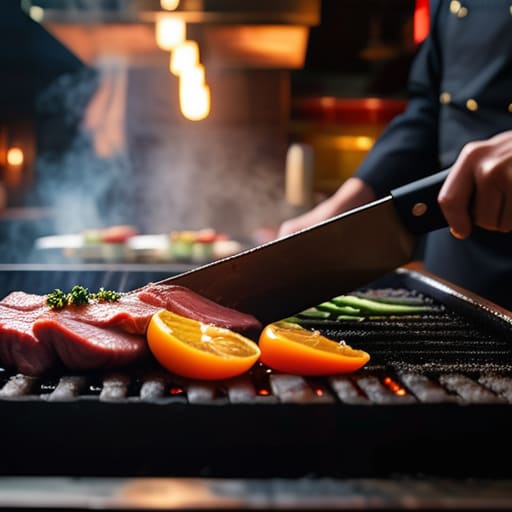
The rhythmic, metallic clack-clack of a spatula hitting a seasoned steel surface is a sound I first truly appreciated not in a restaurant, but while observing the loading docks of a shipping terminal in Osaka. Most people approach a teppanyaki dining experience expecting a theatrical circus—flaming onions, flying shrimp, and loud, performative gestures designed to mask a lack of substance. They look for the spectacle, but they often miss the mechanical precision of the craft. To me, the real magic isn’t in the fire; it’s in the way a chef manages heat distribution across a massive iron plane with the same steady, calculated efficiency I once used to manage global freight routes.
I have no interest in reviewing restaurants that rely on gimmicks to justify a premium price tag. Instead, I want to show you how to identify the places where the logistics of flavor are handled with genuine mastery. In the following pages, I will guide you through the subtle indicators of a superior meal—from the temperature of the steel to the timing of the sear—so you can find the quiet, functional beauty in a meal that is as much about disciplined technique as it is about the ingredients.
Table of Contents
Mastering the Language of Japanese Iron Griddle Techniques
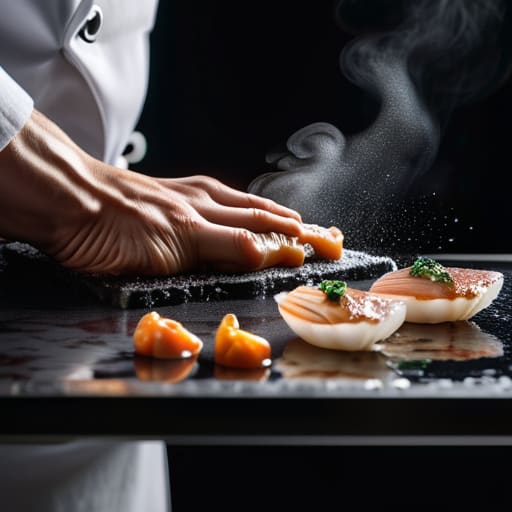
To truly appreciate the meal, one must look past the steam and focus on the mechanics of the heat. There is a precise, almost mathematical discipline to Japanese iron griddle techniques that reminds me of the logistical precision I once demanded in my professional life. The chef does not merely cook; they manage a micro-environment of thermal zones. They move with a calculated economy of motion, shifting from the high-intensity sear required for a premium wagyu beef selection to the gentle, indirect warmth needed to preserve the delicate sweetness of seasonal scallops.
It is a silent dialogue between metal and ingredient. Watching the way a chef manipulates the spatula to deglaze the surface with a splash of sake is a lesson in timing. Unlike the more boisterous hibachi style cooking often found in Westernized versions, the high-end experience is far more restrained. Here, the entertainment is found in the subtle shifts of color and the rhythmic, percussive sound of steel against iron. It is an intimate study of heat control, where every movement serves a specific, functional purpose in the pursuit of flavor.
The Quiet Art of an Omakase Teppanyaki Menu
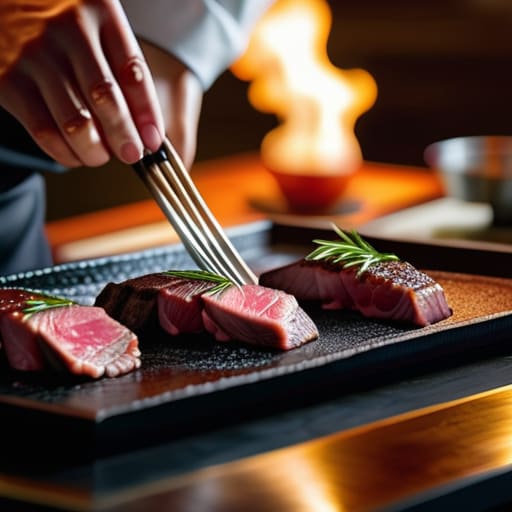
There is a specific kind of trust required when you sit before an omakase teppanyaki menu. In my years of logistics, I learned that the most efficient systems are those where you relinquish control to a master of the craft. Here, you aren’t just ordering a meal; you are surrendering your evening to the chef’s intuition. You watch as they curate a sequence that feels less like a menu and more like a carefully timed transit schedule, where each course arrives exactly when the palate demands it.
The progression is often a study in balance. A chef might begin with delicate seafood and vegetable pairings, perhaps a scallop seared just long enough to hold its sweetness, before moving into the heavy hitters. When the premium wagyu beef selection finally arrives, the transition is seamless. It isn’t about the spectacle of flames, though that exists; it is about the deliberate pacing of flavors. You find yourself leaning in, not just to eat, but to witness the quiet, focused rhythm of a professional who knows exactly how to navigate the heat.
The Logistics of the Counter: Five Observations for a Seamless Evening
- Position yourself with intention. While a corner table offers privacy, the true essence of teppanyaki is found at the counter. To understand the choreography of the chef and the heat of the steel, you must be part of the audience, not a distant observer.
- Respect the rhythm of the service. Much like a well-managed supply chain, a teppanyaki meal operates on a precise sequence. Avoid interrupting the chef’s flow with premature questions; instead, let the sounds of the spatula and the aroma of the searing proteins guide your pace.
- Trust the seasonal logistics. If you are dining omakase-style, do not fight the menu. The chef is sourcing based on what is most efficient and vibrant at that exact moment. The best meals are those where you surrender your preferences to the chef’s expertise.
- Observe the subtle cues of seasoning. Pay attention to when the chef applies salt or soy. In high-end teppanyaki, these aren’t just condiments; they are calculated interventions designed to balance the fat content of the specific cut of meat being served.
- Engage with the sensory details, not just the flavor. A teppanyaki experience is a multi-modal event. Notice the temperature of the air, the specific percussion of the metal on the iron, and the visual geometry of the plating. It is a holistic study in precision.
The Logistics of a Perfect Meal
True teppanyaki is a study in synchronized movement; look for the chef’s ability to manage heat, timing, and spatial awareness as if they were orchestrating a complex transit network.
The value of the experience lies in the dialogue between the chef and the iron, where the rhythm of the tools tells a story more profound than any printed menu.
To truly appreciate the meal, one must embrace the stillness of the counter, allowing the sensory details—the hiss of the sear and the scent of charcoal—to anchor you in the moment.
The Choreography of the Counter
Watching a master work the steel is less like watching a meal being prepared and more like observing a well-oiled logistics network in motion; there is a profound, quiet dignity in the way heat, timing, and precision converge to turn raw ingredients into a momentary masterpiece.
Rurik Salonen
The Final Note on the Griddle
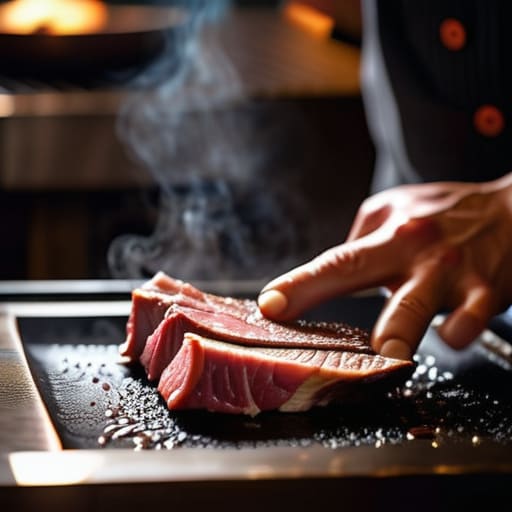
To sit at a teppanyaki counter is to witness a masterclass in logistical precision and culinary timing. We have explored how the specific language of heat and steel dictates the texture of the meal, and how the omakase structure allows a chef to curate a narrative that flows as smoothly as a well-timed transit line. It is not merely about the premium cuts of Wagyu or the freshness of the seafood; it is about the seamless integration of technique, timing, and the seasonal rhythm of the ingredients. When these elements align, the meal ceases to be a mere service and becomes a choreographed performance of efficiency and grace.
As I close my notebook and prepare to step back out into the neon-lit hum of the city, I am reminded that the most profound experiences often happen in these small, focused spaces. We spend so much of our lives rushing through the grand corridors of the world, often overlooking the quiet brilliance of a single, well-executed moment. Whether you are navigating a sprawling subway network or sitting before a glowing iron griddle, there is a profound truth to be found in the deliberate mastery of one’s craft. Seek out these pockets of intentionality; they are where the true soul of a city resides.
Frequently Asked Questions
How can I best navigate the etiquette of seating and interaction when dining at a crowded teppanyaki counter?
At a crowded counter, think of yourself as a passenger on a well-oiled transit line. Respect the flow. Keep your personal belongings tucked away to avoid encroaching on your neighbor’s space. When the chef begins their performance, offer a subtle nod of acknowledgment rather than loud commentary. It is a shared, rhythmic experience; maintain a quiet presence that respects the chef’s focus and the collective silence of the surrounding diners.
Are there specific seasonal ingredients I should look for to truly understand the chef's connection to the local landscape?
To understand the landscape, watch the menu shift with the seasons. In spring, look for tender bamboo shoots or sea bream to catch that fleeting freshness. Summer demands the brightness of unagi or seasonal vegetables to combat the humidity. Autumn brings the earthy weight of matsutake mushrooms, while winter is defined by the rich, fatty decadence of snow crab. A chef’s skill is best measured by how they honor these brief, natural windows.
For someone traveling with a minimalist mindset, is it better to book a formal omakase or seek out more casual, localized griddle shops?
If you travel light and value efficiency, I’d suggest the casual griddle shops. A formal omakase is a choreographed performance—beautiful, but it requires time and a certain mental stillness you might not always have. For the minimalist, there is a pragmatic elegance in the local spots. They offer high-quality sustenance without the ritualistic weight, allowing you to eat, observe the local rhythm, and get back to the streets.
