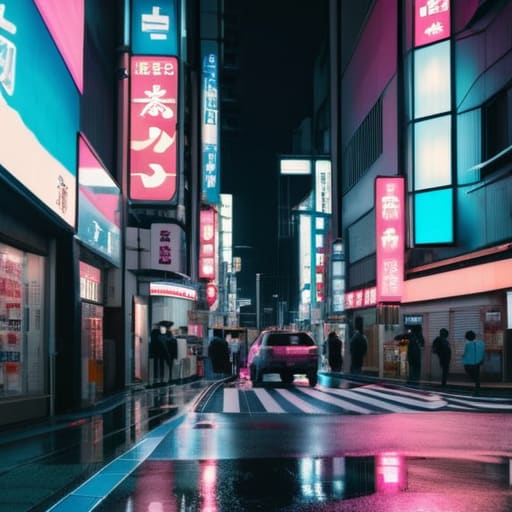
I was standing on a platform at Shinjuku Station last Tuesday, watching a young man struggle with a tripod three sizes too large for the crowd, desperately trying to frame a shot of the neon skyline. It struck me then how much we miss when we chase the spectacle. Most people think urban photography japan is about chasing the blinding lights of Shibuya or the towering steel of Roppongi, but that’s just surface-level noise. To me, the real story isn’t found in the grand gestures of a skyscraper; it’s in the rhythmic geometry of a subway transfer or the way a single streetlamp hits a damp alleyway in Osaka at 2:00 AM.
I’m not here to sell you on expensive gear or the “must-visit” tourist traps that yield nothing but cliché shots. Instead, I want to share what I’ve learned from decades of navigating complex systems and looking for the quiet, functional beauty in the chaos. I will show you how to find the unseen pulse of the city through a lens, focusing on the logistics of light, timing, and the small, overlooked corners where a city truly breathes.
Table of Contents
- Capturing Japanese Urban Life Through Quiet Transitions
- The Shinjuku Neon Lighting Techniques of a Living City
- The Logistics of the Lens: Five Practical Approaches to the Japanese Street
- Lessons from the Lens: Finding Order in the Chaos
- ## The Logistics of a Moment
- The Final Frame
- Frequently Asked Questions
Capturing Japanese Urban Life Through Quiet Transitions
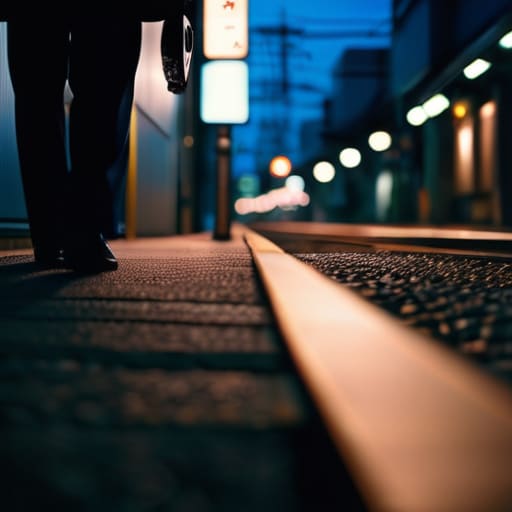
There is a specific, fleeting magic found in the moments between destinations. Most people focus their lenses on the grand scale of a skyscraper, but I have always found more substance in the transitions—the way a commuter pauses under a dim streetlamp or the way shadows stretch across a platform during the evening rush. To truly master capturing Japanese urban life, one must learn to look for these pauses. It is in these quiet intervals that the city’s true rhythm reveals itself, far away from the frantic energy of the main thoroughfares.
When I am out with my Leica, I often find myself drawn to the periphery of the major hubs. While many seek out the high-octane cyberpunk cityscape photography found in the center of Shinjuku, I prefer the secondary streets where the light is softer and more intentional. I look for the intersection of mechanical precision and human fatigue. There is a profound, understated beauty in a single, rain-slicked alleyway reflecting a distant vending machine glow; it tells a much more honest story of the city than any neon-drenched skyline ever could.
The Shinjuku Neon Lighting Techniques of a Living City
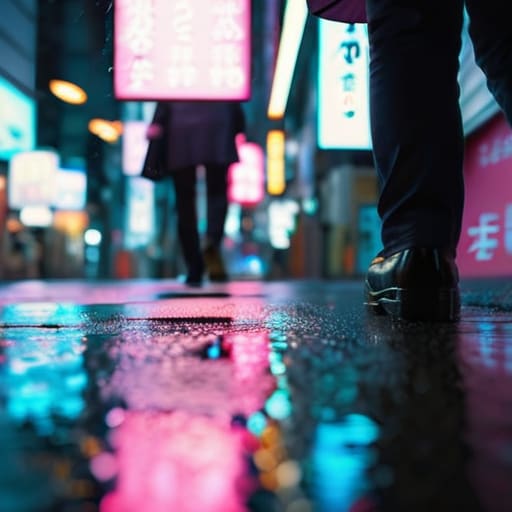
Most people approach Shinjuku with the intent to capture the spectacle, chasing the high-contrast glow of the Kabukicho district as if they are hunting for a scene from a movie. They want that immediate, saturated cyberpunk cityscape photography look that dominates social media feeds. But after years of managing complex moving parts, I’ve learned that the best way to handle light is not to fight it, but to understand its flow. Instead of aiming directly at the brightest sign, I often position myself so the neon spills onto the wet asphalt or catches the edge of a passing commuter’s umbrella.
When I’m out with my Leica, I find that the most compelling Shinjuku neon lighting techniques involve finding the shadows between the glows. It’s in those pockets of darkness—where a crimson sign bleeds into a damp alleyway—that the city feels most alive. If you are looking for true Japanese street photography aesthetics, stop trying to illuminate everything. Let the darkness exist; it provides the necessary structure for the light to actually mean something.
The Logistics of the Lens: Five Practical Approaches to the Japanese Street
- Respect the unspoken rhythm of the crowd. In cities like Osaka, movement is a choreographed dance; if you stand too abruptly in a high-traffic thoroughfare to frame a shot, you aren’t just being an inconvenience, you are breaking the flow. Find a stationary vantage point—a corner of a station mezzanine or a quiet bench—and let the city come to you.
- Embrace the blue hour for tonal depth. While the neon of Shinjuku is a magnet, the period just after sunset offers a more nuanced palette. The way the twilight interacts with the functional, cool-toned LED streetlights creates a sophisticated contrast that better reflects the organized, quiet efficiency I’ve always admired in Japanese urban design.
- Use your transit maps as a compositional guide. I often find that the geometric precision of subway signage and the leading lines of railway tracks provide a perfect structural framework for a photograph. Don’t just look at the subjects; look at the grid that contains them.
- Prioritize the textures of the mundane. A weathered vending machine in a narrow alleyway or the damp sheen of asphalt after a light rain tells a more honest story of Japan than a polished temple shot. Look for the “wabi-sabi” in the functional details—the chipped paint on a utility pole or the way light hits a rusted shutter.
- Master the art of the silent shutter. If you are shooting with a digital setup, keep your settings discreet. There is a certain dignity in capturing a moment without announcing your presence. A heavy camera and loud clicking can disrupt the very stillness you are trying to document.
Lessons from the Lens: Finding Order in the Chaos
Stop chasing the landmarks; the true character of a Japanese city is found in the liminal spaces—the subway platforms at dusk, the narrow passageways between skyscrapers, and the way light hits a wet pavement in an alleyway.
Master the interplay of light and shadow rather than just the brightness of the neon; understanding how the artificial glow of Shinjuku interacts with the deep shadows of the side streets is what separates a snapshot from a photograph.
Approach your photography like a logistical map; look for the patterns, the rhythmic flow of the crowds, and the functional beauty of the transit systems to tell a story of how the city actually breathes.
## The Logistics of a Moment
“A camera is less a tool for capturing light and more a tool for documenting the choreography of a city; you aren’t just photographing a street corner, you are photographing the precise, silent intersection where human intent meets urban design.”
Rurik Salonen
The Final Frame
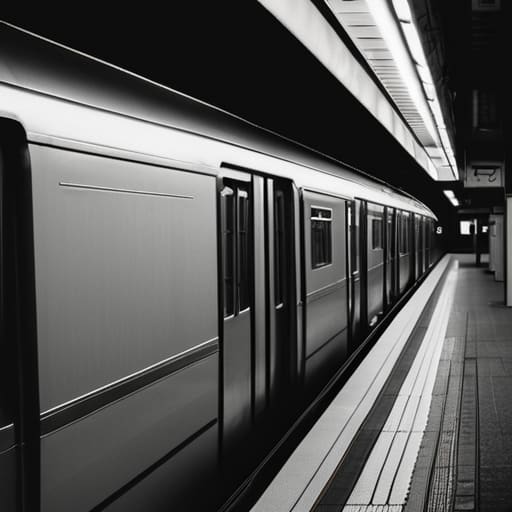
As I sit in a small cafe near Umeda, looking back through my recent rolls of film, I realize that capturing the essence of Japan requires more than just a sharp lens and a steady hand. We have discussed the technical dance of managing the harsh, electric glare of Shinjuku’s neon and the delicate art of finding composition within the rhythmic transitions of the transit system. Whether you are chasing the high-contrast energy of a crowded intersection or the muted, somber tones of a subway platform at dawn, the goal remains the same: to document the functional elegance that keeps these massive urban machines running.
Ultimately, your camera is merely a tool to help you slow down and actually see the world. Don’t get caught up in the pursuit of the perfect, postcard-ready shot that everyone else has already taken. Instead, look for the friction between the old and the new, the way a single shaft of light hits a concrete pillar, or the quiet dignity of a commuter lost in thought. If you learn to listen to the city’s pulse through your viewfinder, you will find that the most profound stories are often written in the details most people walk right past.
Frequently Asked Questions
How do you manage to capture clean, intentional shots in crowded stations without disrupting the flow of commuters?
It comes down to respect for the flow. In my logistics days, we called it minimizing friction. I never plant my feet in the center of a corridor; I find a structural pillar or a corner where the movement naturally bends around me. I set my camera, steady my breathing, and wait. You aren’t there to interrupt the commute, but to observe it. If you become part of the scenery, the city will let you stay.
Which specific film stocks or color profiles do you find best capture the particular blue-hour light of a Tokyo evening?
For that specific blue-hour transition, I always lean toward Fujifilm Superia. It has a natural tendency to handle those cool, cyan-heavy tones without making the shadows feel muddy. If I’m looking for something more cinematic and deliberate, I’ll reach for Kodak Portra 400; its ability to preserve skin tones amidst the deepening indigo of a Tokyo twilight is unmatched. It provides a warmth that balances the city’s inevitable chill.
When exploring the smaller alleys, how do you balance the desire for candid street photography with the need to remain respectful of local privacy?
It is a delicate calibration, much like managing a complex supply chain where every movement affects the whole. I never aim my lens directly at a face; I look for the silhouette, the hands, or the way a shadow falls across a doorway. If I feel I’ve intruded, I offer a small, polite nod and a smile. In Japan, respect is the baseline. If you capture the atmosphere rather than the individual, you preserve the dignity of the moment.
