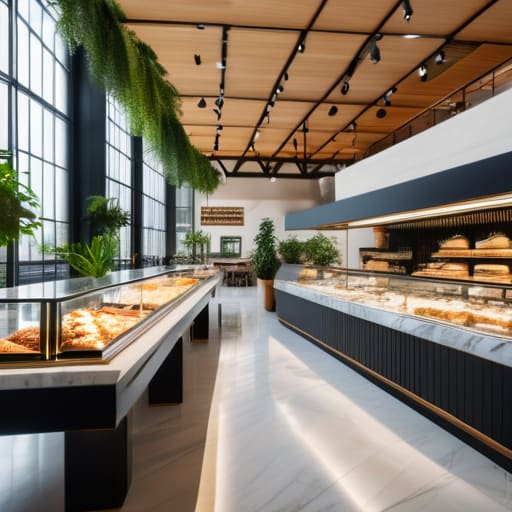
I remember standing in the middle of a crowded Shinjuku station last autumn, my notebook tucked under my arm, feeling that familiar, frantic surge of urban chaos. I was looking for something substantial, something real, but I found myself staring at a sea of neon-lit fast food stalls that felt more like a logistical nightmare than a meal. Most travelers treat department store food halls like a mere convenience—a quick pit stop to refuel before hitting the next monument—but they miss the fundamental rhythm of the place. They see a chaotic marketplace; I see a masterclass in urban efficiency and quiet, curated abundance.
I have no interest in giving you a list of the most “Instagrammable” snacks or the trendiest overpriced sweets. Instead, I want to show you how to navigate these subterranean ecosystems to find the actual soul of the city. I will guide you through the logic of the aisles, helping you identify where the true craftsmanship lies amidst the polished glass and bright lights. My goal is to help you find those small, singular moments of quality that most people simply walk right past.
Table of Contents
Decoding the Ritual of Japanese Depachika Culture
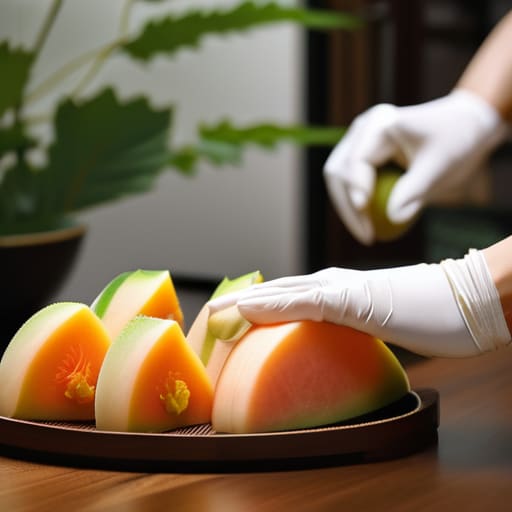
To understand the depachika, one must first understand the unspoken choreography of the space. It is not merely a place to buy sustenance; it is a highly disciplined ecosystem. As I stand near the entrance of a basement level in Shinjuku, I observe the silent efficiency of the staff—the precise way a clerk wraps a single, perfect melon as if it were a precious artifact. This is the core of Japanese depachika culture: a seamless blend of high-stakes logistics and profound respect for the product. There is no shouting, no frantic shoving; instead, there is a rhythmic, almost meditative flow of people navigating the aisles with purpose.
The experience is defined by its meticulous standards. When you engage in high-end grocery shopping here, you aren’t just selecting a meal; you are participating in a ritual of quality. Every container is placed with intention, and every label tells a story of provenance. It is a fascinating study in how urban density can coexist with such extreme refinement. In these subterranean corridors, the city’s chaotic energy is filtered through a lens of absolute order, leaving behind only the quiet pursuit of perfection.
Navigating High End Grocery Shopping With Intent
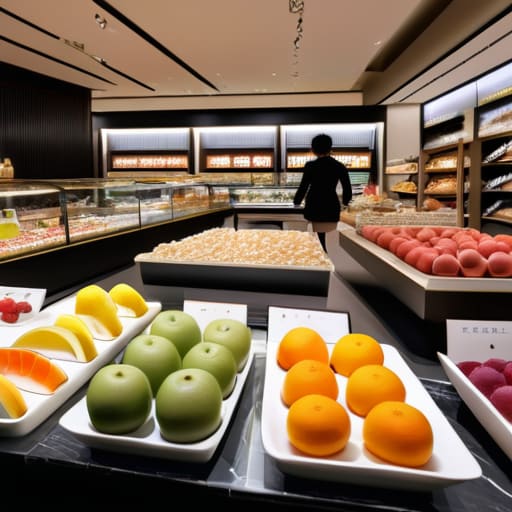
To navigate these spaces effectively, one must abandon the frantic energy of the street level and adopt a more deliberate pace. I’ve found that the best way to approach high-end grocery shopping in a place like Ginza or Umeda is to treat it less like a chore and more like a logistical study. Instead of rushing toward the most crowded displays, I prefer to move against the flow of the crowd, observing how the staff handle each delicate item. There is a profound sense of order here; even in the busiest hours, there is a silent, unspoken food hall dining etiquette that keeps the chaos at bay.
I often find myself lingering near the seasonal sections, where the presentation of a single, perfectly ripe melon can feel like a work of art. This isn’t just about consumption; it’s about appreciating the precision of the supply chain. When you seek out these urban culinary destinations, you aren’t just looking for a meal—you are looking for the intersection of peak seasonality and impeccable craft. If you approach with intent, you’ll find that the most rewarding discoveries are often tucked away in the corners where the most premium prepared foods are displayed with quiet, understated pride.
Practical Logistics for the Discerning Food Hall Wanderer
- Timing is everything. If you want to observe the precision of these spaces without the lunchtime crush, aim for mid-morning. The displays are pristine, the staff are replenishing their stock, and you can move through the aisles with the steady, unhurried pace my old logistics training taught me to value.
- Watch the clock for the evening descent. Around an hour before closing, the energy shifts. The high-end bento boxes and seasonal delicacies often receive significant discounts. It is a tactical window—one that rewards the observant traveler with exceptional quality at a fraction of the price.
- Carry a small, reusable bag. While many stores provide them, there is a certain quiet dignity in being prepared. More importantly, a sturdy bag ensures that your delicate acquisitions—a single, perfect melon or a box of seasonal wagashi—don’t suffer under the weight of a disorganized haul.
- Master the art of the “sample and observe.” You don’t always need to taste to understand. Watch how the vendors present their wares; the way a clerk handles a piece of high-grade sashimi tells you more about the store’s standards than any marketing sign ever could.
- Use the basement as your map. Most major department stores are organized by floor, but the food hall is almost always the subterranean heartbeat. If you feel lost in the vertical sprawl of a Ginza or Umeda complex, head downward. The food hall is the city’s most reliable anchor.
The Logistics of a Perfect Depachika Visit
Approach the food hall not as a quick errand, but as a study in precision; observe the timing of seasonal arrivals and the rhythmic replenishment of displays to see the city’s culinary clockwork in motion.
Look past the bright packaging and expensive labels to find the quiet mastery in the smaller, specialized stalls, where the real soul of the ingredient is often more evident than in the grander, more curated displays.
Use the basement levels as a gateway to understanding local life, recognizing that these halls are the vital, functional arteries that feed the urban body, bridging the gap between high-end luxury and daily sustenance.
The Logistics of Flavor
“A depachika is more than a marketplace; it is a masterclass in urban efficiency, where the chaotic energy of a metropolis is distilled into perfectly wrapped boxes and silent, orderly rows of seasonal perfection.”
Rurik Salonen
The Logistics of a Perfect Meal
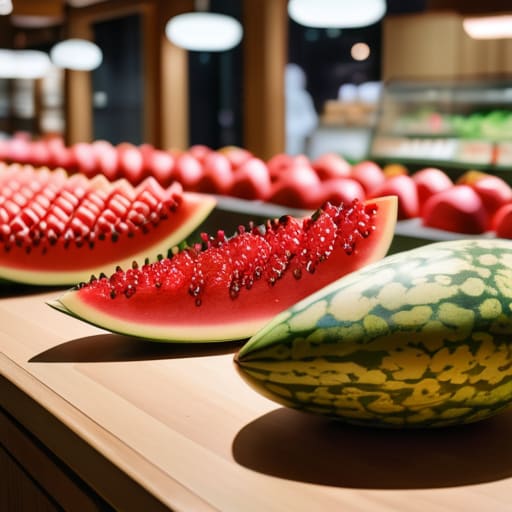
Ultimately, navigating a depachika requires more than just a map or a sense of hunger; it demands a certain level of logistical respect for the craftsmanship on display. We have looked at how these spaces function as more than mere retail outlets, acting instead as curated galleries of seasonal precision and social ritual. Whether you are deciphering the hierarchy of a premium fruit stand or simply observing the synchronized flow of shoppers during the evening rush, you are witnessing a masterclass in urban efficiency. To shop here with intent is to move beyond the role of a mere consumer and become a participant in the city’s daily rhythm.
As I sit in a small corner of a station plaza, sketching the lines of a transit map in my notebook, I am reminded that the best parts of travel are rarely the grand monuments. They are found in these subterranean pockets of excellence, where the chaos of the street above is replaced by the quiet, deliberate pursuit of quality. Don’t rush through these aisles as if they were a chore to be completed. Instead, allow yourself to slow down and observe the details—the way a single bento box is wrapped, or the silence of a high-end confectioner. In these small, organized moments, you will find the true soul of the city.
Frequently Asked Questions
What is the best time of day to visit if I want to avoid the crowds but still find the freshest selection?
If you want to witness the precision of the morning setup without the midday rush, aim for around 10:00 AM. The staff are replenishing the displays, and the selection is at its absolute peak of freshness. However, if you are looking for the quietest atmosphere, go an hour before closing. The crowds thin out significantly, though you’ll have to navigate the tactical landscape of discounted bento boxes—a different kind of logistical dance altogether.
Are there specific etiquette rules I should follow when sampling or purchasing high-end gift sets?
When selecting a gift set, remember that the presentation is as vital as the contents. Avoid the impulse to sample items directly from the packaging; instead, observe the displays with respect. If a sample is offered, accept it with a small nod. Once you’ve decided, handle the box with care—in these spaces, the integrity of the wrapping is a silent language of respect. It’s about honoring the craftsmanship before you even taste it.
How can I distinguish between the standard grocery offerings and the specialized, seasonal delicacies that define the premium experience?
Look for the subtle shifts in presentation. Standard offerings are practical—wrapped neatly for a quick meal. The seasonal delicacies, however, demand your attention. They often sit under individual spotlights, accompanied by handwritten calligraphy or small, descriptive placards detailing the exact prefecture of origin. If you see a single, perfectly shaped melon or a limited run of seasonal wagashi, you’ve found it. The premium experience isn’t just about price; it’s about the intentionality of the display.
