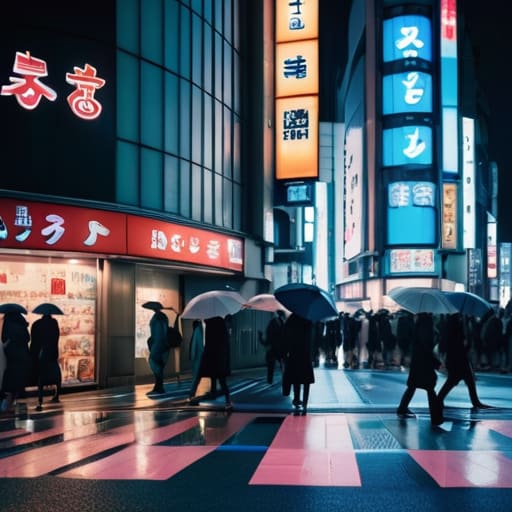
I was standing on the platform of the Yamanote Line last Tuesday, watching a sea of salarymen surge toward the gates, and I realized that most people completely misunderstand ikebukuro urban life. They see the towering department stores and the neon-drenched chaos of Sunshine City and assume it is just another loud, commercialized hub designed to drain your wallet and your patience. But if you only look at the bright lights, you are missing the actual mechanics of the district. To the untrained eye, it is just noise; to me, it is a complex, breathing organism that functions with a surprising, hidden precision.
I am not here to give you a list of the trendiest cafes or the most expensive shopping malls. Instead, I want to show you how to navigate the friction of this neighborhood to find its quietest, most functional corners. I will guide you through the narrow alleyways and the rhythmic transit patterns that define the true essence of ikebukuro urban life, focusing on the small, steady details that most travelers simply walk right past. Let’s look past the hype and see how this city actually moves.
Table of Contents
The Rhythms of the Ikebukuro Station Transit Hub
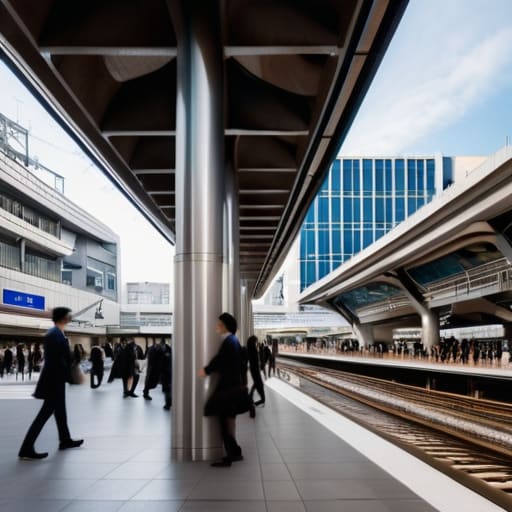
To understand the scale of this place, one must stand at the center of the ikebukuro station transit hub during the morning rush. It is a massive, interlocking machine of steel and human intent. I often find myself leaning against a pillar, notebook in hand, watching the synchronized chaos of the Yamanote and Saikyo lines. There is a specific, mechanical grace to how thousands of commuters navigate the labyrinthine corridors without colliding; it is a testament to the city’s unspoken social contracts.
Once the initial surge of the workday subsides, the energy shifts from efficiency to a different kind of momentum. The station acts as a funnel, drawing people toward the massive shopping malls in ikebukuro or deeper into the neon-lit veins of the district. While many flock to the more famous subculture and pop culture trends found in the nearby anime hubs, I prefer to watch the transition of the crowd itself. You can see the city change its skin in real-time, moving from the rigid discipline of the salaryman to the restless, vibrant pulse of the evening.
Beyond Sunshine City Attractions Finding the Citys Breath
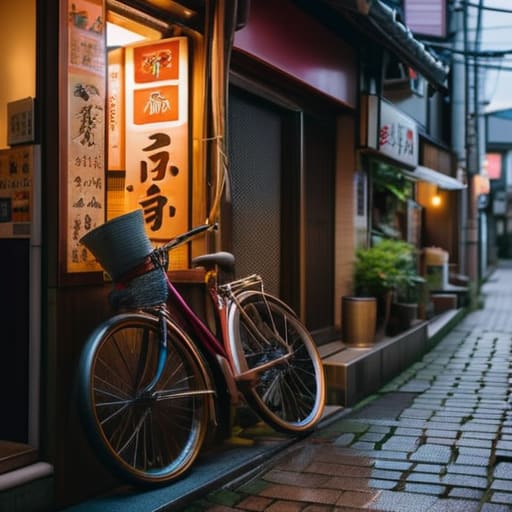
Most visitors find themselves pulled toward the gravitational center of the Sunshine City attractions, lost in the neon-lit spectacle of the massive shopping malls in Ikebukuro. It is understandable; the scale is designed to overwhelm. But if you step just two or three blocks away from that polished commercial surface, the air changes. The frantic energy of the crowds thins out, replaced by the scent of toasted sesame and the muffled sounds of a neighborhood actually living its life.
I often find myself wandering into the narrow side streets where the influence of subculture and pop culture trends begins to feel more organic and less manufactured. You see it in the small, specialized hobby shops and the quiet cafes that cater to the local Ikebukuro otaku culture. These aren’t just tourist stops; they are the connective tissue of the district. Here, the city stops performing for the cameras and begins to breathe in its own idiosyncratic rhythm, revealing a layer of authenticity that no guidebook can truly capture.
Practical Observations for Navigating the Ikebukuro Maze
- Don’t rely solely on the digital maps when the crowds thicken; instead, look for the overhead signage and the natural flow of the commuters. In a station as complex as this, the most efficient path is often found by observing the direction of the collective movement rather than fighting against it.
- If you find the neon glare of the main thoroughfares overwhelming, seek out the “shotengai” or covered shopping streets. These narrow arteries offer a more human scale to the urban sprawl, providing a shaded, rhythmic walk that feels much more grounded than the towering glass of the commercial districts.
- Timing is your most valuable asset in Ikebukuro. To truly observe the city without being swept away by it, aim to explore the smaller side streets during the mid-morning lull, after the salarymen have reached their desks but before the student crowds descend in the late afternoon.
- Carry a physical notebook and a pen, even if you think your phone is enough. There is a specific kind of spatial logic to Ikebukuro’s multi-level layout that is better captured through a quick hand-drawn sketch or a written note than a frantic series of screenshots.
- Embrace the verticality of the neighborhood. Many of the most interesting, quiet moments—a small shrine, a tiny coffee shop, or a view of the skyline—are tucked away on the third or fourth floors of unassuming buildings, just one flight of stairs away from the urban chaos.
Lessons from the Ikebukuro Grid
True urban understanding requires looking past the neon-lit commercial centers to observe the seamless, almost invisible choreography of the transit networks that sustain them.
The soul of a district isn’t found in its major landmarks, but in the quiet, functional spaces—the narrow alleys and side streets—where the frantic pace of the commuter rush finally subsides.
To navigate a city like Tokyo effectively, one must learn to appreciate the tension between its massive, high-pressure hubs and the small, breathing pockets of stillness tucked within the logistics of the sprawl.
The Logistics of Soul
Most people see Ikebukuro as a frantic collision of neon and crowds, but if you watch the way the commuters flow through the turnstiles and where the narrow streets finally break into stillness, you realize the chaos isn’t accidental—it is the very heartbeat of a city that never stops breathing.
Rurik Salonen
The Quiet Logic of the Concrete Maze
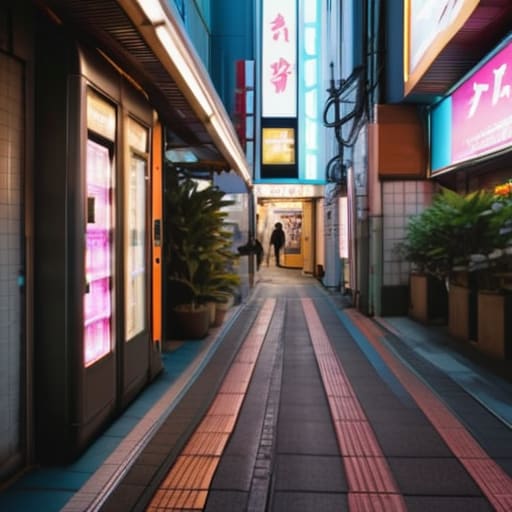
As I close my notebook and prepare to navigate my way back toward the Yamanote line, I find myself reflecting on the sheer complexity of this district. Ikebukuro is often dismissed as a mere collection of shopping malls and loud, neon-lit corridors, but to look closer is to see a masterpiece of logistical precision and human habit. We have looked past the superficial glare of the commercial hubs to find the true character of the area: the way the massive transit hub functions as a living, breathing organism, and how the narrow side streets offer a necessary sanctuary from the relentless pace of the center. It is in these unseen transitions—the shift from the roar of the station to the hush of a residential alleyway—that the city’s true identity resides.
For those who travel with intention, Ikebukuro serves as a reminder that no urban space is monolithic. If you allow yourself to step off the beaten path and ignore the frantic pull of the major attractions, you will discover that the city is not something to be conquered, but something to be observed with patience. Do not merely pass through these streets; let them teach you their rhythm. The beauty of urban life isn’t found in the grand monuments, but in the quiet, functional grace of a city that knows exactly how to keep moving, even when the world around it seems to be standing still.
Frequently Asked Questions
How do the different neighborhoods surrounding the station change in character once the commuters head home?
Once the rush hour tide recedes, the character of the surrounding blocks shifts almost instantly. Near the station, the neon-soaked commercial zones remain loud, fueled by late-night diners and shoppers. But as you walk just ten minutes toward the residential fringes, the atmosphere settles. The frantic energy of the transit hub gives way to a softer, more intimate rhythm—the hum of vending machines and the quiet clinking of glassware from small, neighborhood izakayas.
Where can one find the most reliable quiet spots to sit and observe the city without being caught in the main tourist flow?
If you want to escape the frantic current of the station, head toward the residential fringes of the North Exit. I often find myself tucked into the corner of a small, independent kissaten—the kind with heavy curtains and the scent of dark roast. Alternatively, look for the smaller neighborhood shrines nestled between apartment blocks; they offer a stillness that the main thoroughfares simply cannot afford. It is there, in the margins, that the city truly reveals itself.
What are the best ways to navigate the complex maze of Ikebukuro’s underground walkways without losing one's sense of direction?
The underground is a logistical puzzle, not a labyrinth. My advice? Stop fighting the flow. Instead of staring at your phone, look up. Watch the way the floor tiling changes or how the overhead signage shifts from transit directions to retail. I find it best to pick a single anchor—a specific department store entrance or a landmark exit—and orient myself to it. If you feel lost, rise to the surface. The street level is the only true compass.
