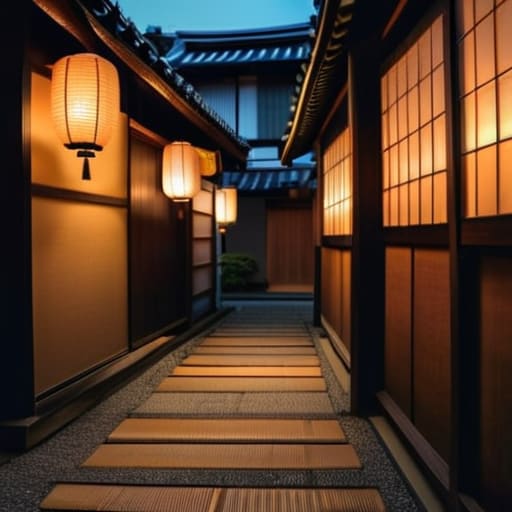
I was sitting in a cramped, third-floor apartment near the Kamogawa River last Tuesday, listening to the rhythmic, metallic hum of the Keihan Line passing just a few streets away, and it hit me: most people have a fundamentally flawed idea of what living in kyoto actually entails. They envision a life of perpetual Zen, spent drifting through golden pavilions and sipping matcha in silent gardens. But the reality isn’t a postcard; it’s a complex, sometimes friction-filled negotiation between ancient tradition and the unyielding logistics of a modern city. If you’re looking for a spiritual retreat, you’ve come to the wrong place, but if you want to understand the city’s true pulse, you’re exactly where you need to be.
I’m not here to sell you on a dream or provide a list of the most “Instagrammable” neighborhoods. Instead, I intend to offer a grounded, practical breakdown of the functional realities of this city—from the intricacies of the bus networks to the quiet nuances of neighborhood etiquette. I will share what I have learned by observing the details most travelers overlook, providing you with a blueprint for a life built on substance rather than scenery.
Table of Contents
Finding Your Rhythm in a Kyoto Neighborhood Guide
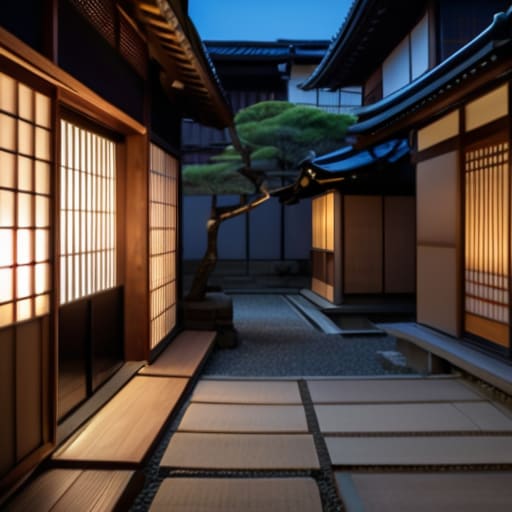
Selecting a place to settle isn’t merely a matter of proximity to a subway line; it is about choosing which version of the city you wish to inhabit. If you find yourself drawn to the historical heartbeat of the city, you might look toward the narrow lanes of Higashiyama or the quieter corners of Kamigyo. Here, you may find the opportunity to reside in traditional machiya housing, where the wooden lattices and sliding doors force you to adopt a slower, more deliberate pace of life. However, for those who prefer the seamless efficiency I grew to appreciate during my logistics years, the areas surrounding the Karasuma line offer a more predictable, modern flow.
When finding housing in Kyoto, I suggest looking beyond the glossy real estate brochures. I often find myself sitting in small neighborhood coffee shops, sketching the local street layouts in my notebook, just to get a sense of the foot traffic and the local atmosphere. You must consider how the rhythm of the street aligns with your own. A neighborhood that feels vibrant on a Tuesday might feel ghost-like on a Sunday, and understanding these subtle shifts in density is essential to truly feeling at home.
The Quiet Truth of Finding Housing in Kyoto
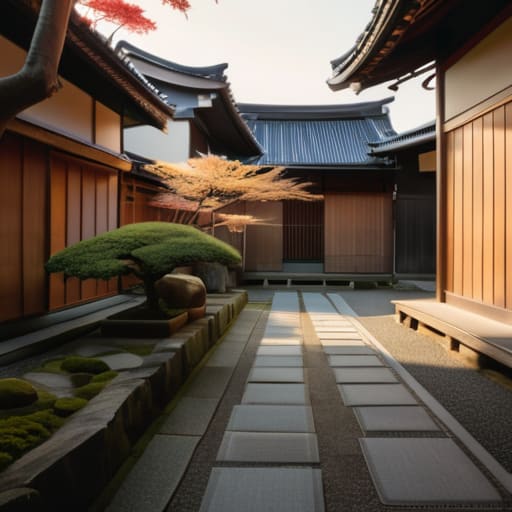
Securing a place to call home here is rarely a matter of simply matching a budget to a floor plan; it is an exercise in understanding the city’s social fabric. When you begin the process of finding housing in Kyoto, you quickly realize that the logistics are secondary to the lifestyle. You aren’t just renting square footage; you are entering into a silent contract with the neighborhood. I have found that the most rewarding dwellings often require a certain level of patience and an willingness to navigate the nuances of Japanese social etiquette, particularly regarding noise and waste management, which are held in much higher regard here than in the West.
The choice often boils down to a tension between the old and the new. You might find yourself drawn to the weathered charm of traditional machiya housing, with its narrow corridors and wooden bones, or the sterile efficiency of a modern apartment near a subway line. While the cost of living in Kyoto can fluctuate wildly depending on your proximity to the Karasuma line, I have always found that the true value lies in how a home allows you to interface with the streets outside.
The Logistics of Belonging: Five Practical Realities of Kyoto Life
- Master the bus network before you rely on the trains. While the subway is efficient, Kyoto’s soul—and its most essential connections—runs on a complex, winding web of city buses. I’ve learned that success here isn’t about speed; it’s about knowing which specific line will drop you exactly at the corner of that quiet temple path you’ve been eyeing.
- Respect the unspoken weight of the neighborhood. In Kyoto, your relationship with your neighbors is often more important than your lease agreement. A simple, measured nod to the shopkeeper or the elderly woman tending her small garden goes a long way in establishing yourself as a resident rather than just another transient visitor.
- Plan for the seasonal shifts in your daily routine. Living here means acknowledging that the city breathes differently in August than it does in January. Your logistical needs—from how you manage humidity in your apartment to how you time your walks to avoid the mid-day heat—must shift with the seasons to maintain your own equilibrium.
- Invest in a high-quality, reliable bicycle. Once you move past the initial novelty of the city, you’ll realize that Kyoto is a city built for two wheels. A bike allows you to navigate the narrow, grid-like streets and find those tucked-away coffee shops and small grocery stores that are invisible from a car window or a crowded bus.
- Learn the rhythm of the local markets. Don’t just shop for convenience; shop for context. Visiting your local shotengai (shopping arcade) at the same time each week helps you understand the local flow of goods and people. It is in these small, repetitive transactions that you truly begin to grasp the functional heartbeat of your new home.
The Logistics of Belonging
Don’t just look for a roof; look for a transit artery. A home in Kyoto is only as good as its connection to the local bus lines and the quiet, walkable distance to your daily necessities.
Embrace the friction of the old ways. Living here means accepting that the city’s charm often lies in its narrow streets and traditional layouts, which require a slower, more deliberate pace of movement.
Observe before you commit. Before signing a lease, spend a few mornings sitting in a neighborhood cafe or at a local station; you need to feel the specific pulse of the area to know if it aligns with your own.
The Logistics of Belonging
Living in Kyoto isn’t about finding the most convenient address; it’s about learning to synchronize your own internal clock with the slow, deliberate cadence of a city that refuses to be rushed by the modern world.
Rurik Salonen
The Final Log
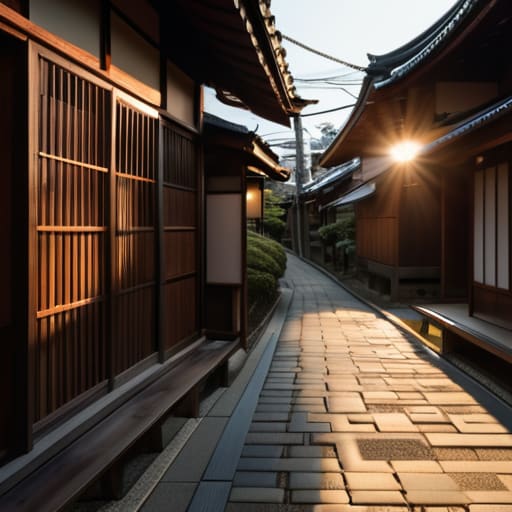
Settling into Kyoto is rarely about a sudden, grand realization; rather, it is a slow accumulation of small, functional truths. We have looked at how the right neighborhood dictates your daily tempo and how the search for housing requires a certain patience for the unconventional. It is not merely about finding a roof over your head, but about finding a place that integrates seamlessly into your personal logistics. Whether you are navigating the narrow streets of Nakagyo-ku or deciphering the intricacies of the local bus lines, remember that success in this city lies in the details—the way the light hits a machiya at dusk or the predictable, quiet efficiency of a morning commute.
Ultimately, living here demands that you stop being a spectator and start becoming part of the city’s internal machinery. Do not rush to conquer the sights; instead, allow yourself to be shaped by the rhythmic, steady pulse of the streets. Kyoto does not reveal its secrets to those in a hurry, but to those who are willing to sit still and observe how the gears turn. If you approach this transition with a sense of quiet intention, you will find that the city stops being a destination and starts being a home that breathes alongside you.
Frequently Asked Questions
How do the city's seasonal rhythms and local festivals actually impact the day-to-day logistics of living in a residential neighborhood?
In Kyoto, the seasons aren’t just scenery; they are logistical shifts. When the Gion Matsuri arrives in July, the neighborhood’s circulatory system changes—streets close, transit routes reroute, and the usual quiet is replaced by a controlled, rhythmic chaos. Even the cherry blossom season demands a different mental map of the city. You learn to plan your errands around these pulses, adjusting your pace to accommodate the crowds and the sudden, beautiful disruption of the everyday.
Beyond the tourist-heavy districts, which areas offer the most efficient transit connections for someone needing to travel between Kyoto and Osaka?
If you’re looking to bridge the gap between Kyoto and Osaka without the tourist friction, focus on the corridor near Sanjo or the outskirts of Kyoto Station. Specifically, areas along the Hankyu Line—like Takatsuki or even parts of northern Osaka—offer a seamless, rhythmic flow. You bypass the crowded city centers and tap into a transit spine that feels less like a struggle and more like a well-oiled machine. It’s about efficiency, not just proximity.
What are the subtle social nuances or unspoken rules one should observe when navigating the quiet, narrow streets of a traditional Kyoto ward?
In these narrow wards, the street is an extension of the home. You’ll notice a profound, unspoken respect for boundaries; a single misplaced bag or a loud conversation can feel like a trespass. Keep your footsteps light and your voice low. If you see a resident tending to a small stone basin or sweeping their doorstep, offer a silent, respectful nod, but don’t linger. In Kyoto, the most meaningful interactions are often the ones that remain unsaid.
