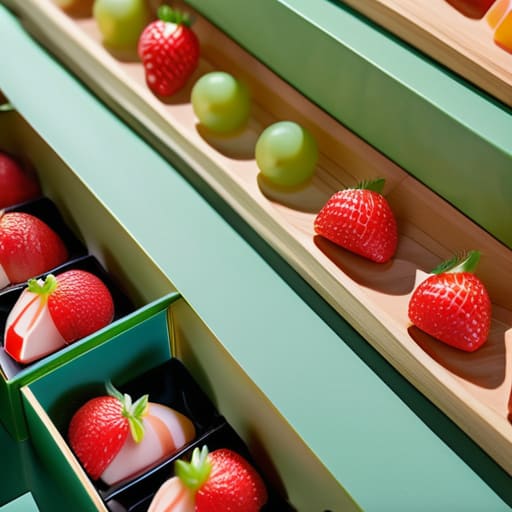
I remember standing in the middle of the basement level of a Shinjuku department store last Tuesday, my Leica hanging heavy against my chest, watching the sheer logistical ballet of the evening rush. There is a specific, frantic scent that hits you the moment you descend the escalator—a heavy, intoxicating collision of toasted sesame, premium sliced Wagyu, and the sharp, sweet tang of seasonal fruit. Most travelers treat depachika food halls like a mere tourist novelty or a convenient pitstop for a quick snack, but they are missing the point entirely. To me, these subterranean hubs are the true nervous system of the city, where the high-speed efficiency of Tokyo meets the quiet, meticulous ritual of a well-prepared meal.
I have no interest in giving you a list of “must-visit” spots curated by marketing departments or flashy travel influencers. Instead, I want to show you how to navigate these labyrinths with a purposeful eye. I will teach you how to read the flow of the crowds, how to spot the genuine quality hidden behind the polished packaging, and how to find those small, quiet corners where you can actually taste the city’s soul. This isn’t about luxury; it’s about understanding the rhythm of how a metropolis actually feeds itself.
Table of Contents
Tracing the Rhythms of Japanese Department Store Food Culture
Tracing the Rhythms of Japanese Department Store Food Culture
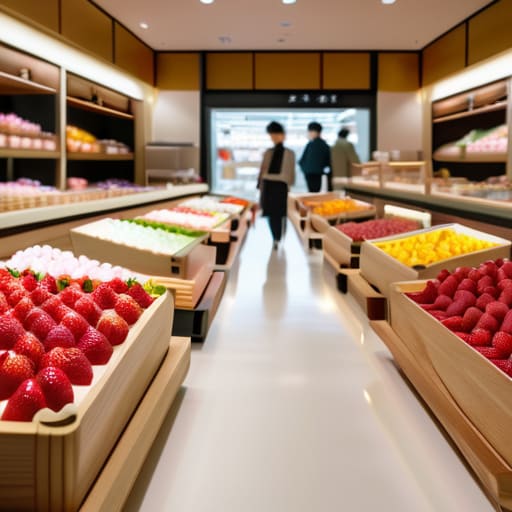
There is a specific, choreographed movement to these subterranean spaces that reminds me of the logistics hubs I used to manage. It isn’t the chaotic scramble of a street market; instead, it is a highly organized flow of people driven by a shared appreciation for precision. You see it in the way a clerk presents a box of high-end Japanese confectionery with a reverence usually reserved for fine art, or how the staff manage the surge of commuters during the evening rush. This is the true engine of Japanese department store food culture—a seamless blend of efficiency and extreme hospitality.
As I sit on a small wooden bench with my notebook, I watch the seasonal shifts manifest in the displays. The offerings aren’t static; they are a living calendar. One week, the stalls are heavy with the deep purples of autumn grapes, and the next, they transition into the delicate, pale greens of spring tea-infused sweets. To find the best depachika treats in Tokyo, one must learn to read these subtle cues. It is in these shifting displays that you see the city’s pulse, moving in perfect sync with the turning of the seasons.
Seeking the Truth in Luxury Food Halls in Japan
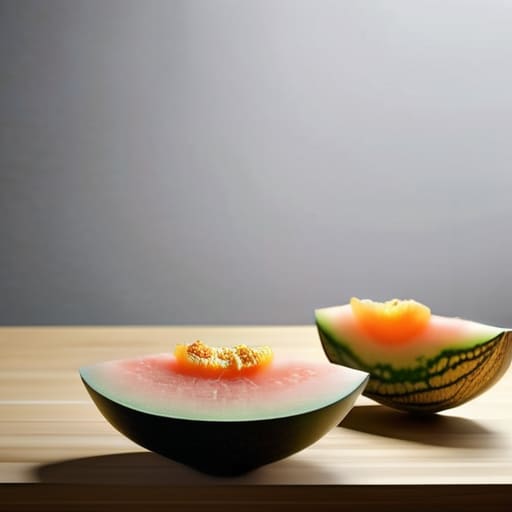
When I step into the upper tiers of these luxury food halls in Japan, the atmosphere shifts from the frantic rush of the commuter to a curated, almost reverent stillness. It is here that the logistical precision of the city meets an uncompromising standard of aesthetics. You aren’t just looking at food; you are observing a highly disciplined presentation of seasonal food offerings in Japan. I often find myself standing still for several minutes, notebook in hand, simply watching how a clerk handles a single, perfectly ripe melon or a box of wagashi as if it were a piece of fine machinery.
There is a specific kind of quietude found in the aisles dedicated to high-end Japanese confectionery. While the crowds outside may be chasing the next big trend, these spaces demand a slower pace. I tend to gravitate toward the corners where the packaging is as intentional as the ingredients. For those navigating a depachika gift shopping guide, the sheer density of choice can be overwhelming, but if you look closely, you’ll see that the real value lies in the unspoken commitment to perfection that defines every single item on the shelf.
Navigating the Depachika: A Few Practical Observations
- Timing is everything. If you want to observe the meticulous precision of the staff without the crushing weight of the evening rush, arrive in the mid-afternoon. By 7:00 PM, the energy shifts from quiet curation to a frantic, almost desperate scramble for the day’s best remaining stock.
- Don’t let the polished glass cases intimidate you. While the presentation is designed for high-end luxury, the intent is functional. Approach the counters with the same directness you’d use in a business meeting; a simple nod and a clear gesture toward a bento box is often more effective than any complex politeness.
- Carry a small, reusable bag and perhaps a few extra coins. While most major department stores are efficient, the sheer volume of small, individual items—from single seasonal fruits to delicate wagashi—can quickly overwhelm a person who hasn’t planned for the logistics of carrying them.
- Look past the bright signage and follow the locals. The most authentic offerings—the small shops tucked into the corners of the basement floor—often lack the flashy marketing of the central aisles, but they are the ones that truly understand the neighborhood’s palate.
- Use the sensory data to your advantage. The scent of toasted sesame or the specific way a crowd gathers around a certain stall tells you more about the quality of the goods than any printed label ever could. Trust your instincts; the logistics of flavor are often written in the air itself.
The Logistics of Flavor: Lessons from the Depachika
Look beyond the polished displays to see the depachika as a masterclass in urban distribution; it is where high-speed logistics meets the intimate necessity of daily nourishment.
True connection to a city isn’t found in a guidebook’s list of famous restaurants, but in the quiet observation of how a neighborhood selects its evening meal from a basement stall.
To understand the soul of Japanese urban life, one must appreciate the tension between the rigid perfection of the presentation and the frantic, living energy of the people who consume it.
The Logistics of Flavor
“There is a profound, unspoken efficiency in a depachika; it is a masterclass in organized abundance, where the frantic rush of the evening crowd meets a precision of presentation that makes the chaos feel, for once, entirely purposeful.”
Rurik Salonen
The Final Inventory
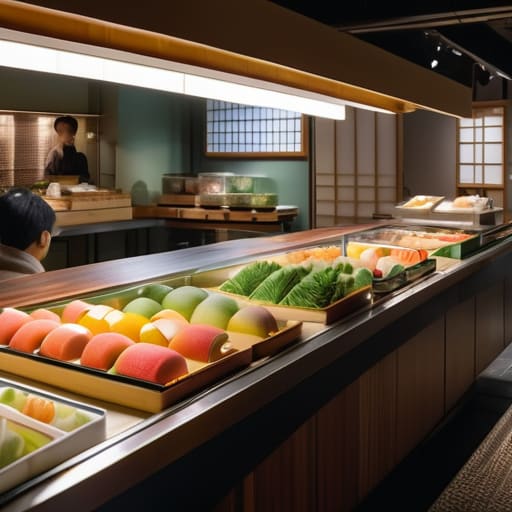
As I close my notebook and look back over the sprawling, edible landscape of the depachika, I am struck by how much these subterranean hubs tell us about Japan’s broader social architecture. We have traced the lines from the high-end, polished displays of luxury fruit to the frantic, efficient energy of the evening rush, where the focus shifts from prestige to the practicalities of the daily meal. It isn’t just about the food itself, but about the meticulous logistical precision and the deep respect for seasonal timing that governs every stall. Whether it is a single, perfectly wrapped melon or a prepared bento box meant for a tired salaryman, these halls represent a masterclass in urban sustenance.
Ultimately, my time spent navigating these basement labyrinths has reinforced what I have always believed: the true character of a city isn’t found in its skyline, but in its quiet, functional rhythms. The depachika is a microcosm of the Japanese spirit—organized, abundant, and deeply intentional. Next time you find yourself in a metropolitan station, don’t just hurry toward the exit. Descend the stairs, follow the scent of toasted sesame and fresh seafood, and allow yourself to get lost in the crowd. You might just find that by observing how a city feeds itself, you finally begin to understand how it breathes.
Frequently Asked Questions
Is there a specific time of day when the crowds thin out enough to actually observe the staff and the logistics of the displays?
If you want to watch the machinery of the place without being swept up in the tide, aim for the late afternoon, around 3:00 PM. The lunch rush has dissipated, and the evening commuters haven’t yet descended. It’s a lull where the staff can breathe, and you can actually observe the precision of their restocking and the silent, practiced choreography of the displays before the final, frantic push toward closing time.
How do I distinguish between the high-end gift-giving counters and the areas meant for a quick, everyday meal?
Look for the shift in tempo. The gift-giving counters are silent, almost ceremonial; they are organized by impeccable presentation, often featuring tiered boxes and heavy, decorative paper. They feel like a logistics operation for prestige. To find the everyday meals, follow the scent of dashi and the sound of movement. Head toward the open counters with prepared bento or the small, standing stalls. That is where the city actually feeds itself.
Beyond the visual spectacle, what are the practical etiquette rules for navigating these crowded basement corridors without disrupting the flow?
Navigating a depachika requires the same spatial awareness I once applied to a busy shipping dock. It is a delicate dance of efficiency. First, never stop dead in the middle of a corridor to inspect a bento; step to the side or find a niche against a pillar. If you’re indecisive, move toward the perimeter. Most importantly, keep your shopping bags close to your body. In these narrow arteries, momentum is everything.
