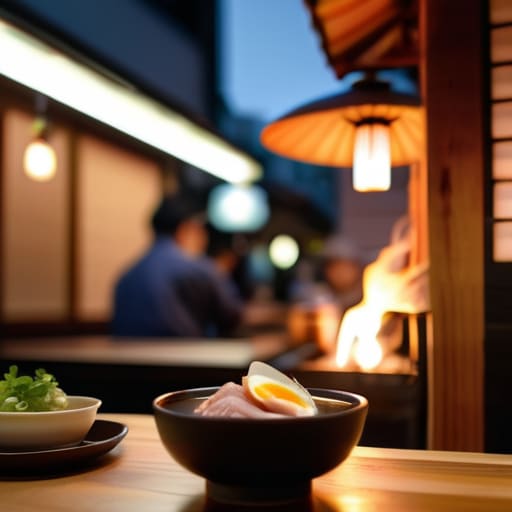
I remember standing on a narrow, rain-slicked street near Nakasu last autumn, my Leica hanging heavy around my neck, watching a salaryman disappear into a glowing wooden stall. Most travel guides will try to sell you on the “glamour” of the Fukuoka food scene, pointing you toward polished, high-end establishments that feel more like stage sets than kitchens. But they miss the point entirely. The true rhythm of this city isn’t found in a Michelin star or a curated tasting menu; it’s found in the clatter of ceramic bowls and the thick, savory steam that clings to the underside of a canvas yatai tent.
I have no interest in feeding you a list of overhyped tourist traps that prioritize aesthetics over substance. Instead, I want to show you how to navigate the city’s culinary logistics like a local. I’ll guide you through the smoky back alleys and the unassuming basement shops where the real soul of the city resides. My goal is to help you bypass the noise and find those quiet, functional corners where the food isn’t just a meal, but a testament to the city’s character.
Table of Contents
- Tracing Tonkotsu Ramen Varieties Through Steam and Shadow
- Finding the Best Street Food in Fukuokas Quietest Alleys
- Logistical Essentials for Navigating the Fukuoka Palate
- The Logistics of Flavor: Lessons from the Fukuoka Streets
- The Logistics of Flavor
- The Logistics of Flavor
- Frequently Asked Questions
Tracing Tonkotsu Ramen Varieties Through Steam and Shadow
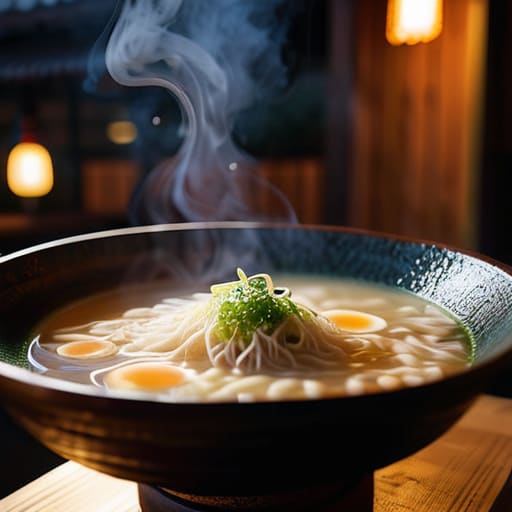
To understand the logistics of a city, one must follow the flow of its most essential commodities. In Fukuoka, that commodity is pork bone broth. I found myself standing under the dim glow of a yatai stall near Nakasu, watching the steam rise in thick, rhythmic clouds that obscured the faces of the regulars. It is here that the true spectrum of tonkotsu ramen varieties reveals itself. You have the thin, straight noodles of the classic Hakata style, designed to absorb the creamy, heavy fat of the broth, and the more robust, wavy variations found in the slightly more southern reaches of the prefecture.
Navigating these stalls requires a certain level of patience and an appreciation for the cramped, communal nature of the space. There is a subtle rhythm to the dining etiquette in Japan that becomes apparent when you are elbow-to-elbow with a salaryman; it is a silent agreement of shared space and focused consumption. As I sat there, sketching the layout of the narrow alleyway in my notebook, I realized that the broth isn’t just food—it is the city’s thermal heartbeat, fueling the very movement that keeps Fukuoka alive.
Finding the Best Street Food in Fukuokas Quietest Alleys
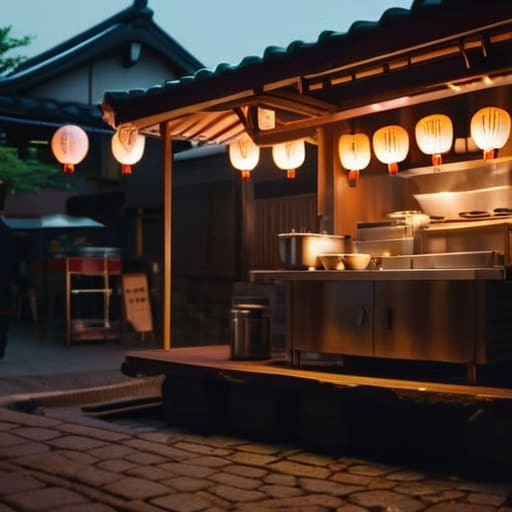
If you follow the neon glow of the main thoroughfares, you will find plenty of food, but you won’t find the truth. To find the real heart of the city, you have to look for the yatai—those small, makeshift food stalls that appear like ghosts as the sun dips below the skyline. I’ve learned that the best street food in Fukuoka isn’t found on a map, but by following the scent of grilled yakitori and the low hum of conversation drifting from a side street near Nakasu.
There is a specific rhythm to these stalls. You squeeze into a wooden bench, shoulder-to-shoulder with locals, and suddenly the barrier between stranger and neighbor dissolves. I often find myself sketching the silhouette of these stalls in my notebook, noting how they occupy such minimalist, functional spaces amidst the urban sprawl. Whether it is a skewer of seasoned chicken or a steaming bowl of seasonal seafood in Fukuoka, the quality is remarkably consistent. It isn’t about the spectacle; it is about the quiet efficiency of a chef working a single flame in a space no larger than a closet.
Logistical Essentials for Navigating the Fukuoka Palate
- Don’t let the crowds at the major Yatai stalls intimidate you; the real magic happens when you find the smaller, more weathered carts tucked away from the main thoroughfares, where the menu is limited but the broth is consistent.
- Time your movements around the lunch rush with precision; if you arrive at a local specialty shop at 12:15 PM, you’ll spend more time observing the architecture of the queue than actually eating.
- Carry small denominations of yen in a dedicated pocket, as many of the most authentic, family-run establishments still operate on a strictly cash-only basis, much like the old-school logistics hubs I used to manage.
- Look for the signs of wear—the chipped ceramic bowls and the worn wooden counters—as these are often better indicators of culinary reliability than any polished Google Maps rating.
- Embrace the rhythm of the city by eating when the locals do; there is a specific, quiet grace to a late-night meal in a side street once the primary commuter rush has subsided and the city begins to breathe differently.
The Logistics of Flavor: Lessons from the Fukuoka Streets
True culinary depth is found by following the movement of the crowds toward the narrowest, least-lit alleys, rather than the brightest neon signs.
The soul of the city’s food culture is inseparable from its transit-adjacent rhythm; the best meals often occur in the brief, steaming pauses between subway stops.
To understand Fukuoka, one must look past the menu and observe the ritual—the way a chef manages a cramped stall is as much a feat of precision as any global supply chain.
The Logistics of Flavor
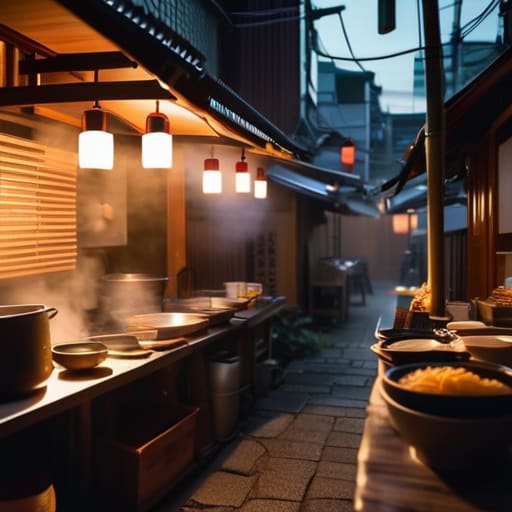
“To understand Fukuoka, you must stop looking at the menus and start watching the flow; the city’s true culinary rhythm isn’t found in the polished dining rooms, but in the precise, unhurried choreography of a vendor pulling noodles through steam in a narrow alleyway just as the sun begins to set.”
Rurik Salonen
The Logistics of Flavor
To understand Fukuoka’s culinary landscape, one must look past the neon signage and focus on the movement of the city itself. We have traced the heavy, creamy lineage of tonkotsu through its various iterations and navigated the labyrinthine alleys to find the street food stalls that operate with a precision most logistics managers would envy. Whether it is the calculated efficiency of a high-end ramen shop or the unstructured warmth of a late-night yatai stall, the food here is inextricably linked to the city’s rhythm. It is a system of flavor that relies on constant, quiet motion and a deep respect for local tradition.
As I sit here, sketching the intersection of the subway lines in my notebook, I am reminded that a city’s true character is rarely found in its grandest spectacles. It is found in the steam rising from a bowl of noodles at midnight and the shared silence of strangers huddled under a canvas stall. Fukuoka does not shout for your attention; it invites you to observe, to taste, and to slow your pace. If you allow yourself to wander without a rigid itinerary, you will find that the most profound connections are often made in the smallest, most functional corners of the world.
Frequently Asked Questions
Beyond the famous ramen stalls, how can I find the more traditional, sit-down izakayas that the locals frequent away from the main tourist hubs?
To find the real izakayas, you have to ignore the neon-lit main drags. I’ve found that the best way is to follow the salarymen as they exit the larger stations like Tenjin or Hakata, but then immediately turn into the secondary streets—the ones that feel slightly too narrow. Look for the small, wooden noren curtains and the low hum of conversation rather than a bright menu. If there’s no English sign, you’re likely on the right track.
What is the best way to navigate the yatai food stalls at night without feeling overwhelmed by the crowds or the language barrier?
Don’t aim for the central hubs like Nakasu; the sheer density of bodies there can feel suffocating. Instead, look for the smaller clusters in Tenjin or near the quieter residential fringes. Approach a stall with a notebook in hand—it’s a universal signal of respect. Point to what the person next to you is eating. In the dim light of a yatai, a simple nod and a shared smile bridge any linguistic gap.
Are there specific neighborhoods in Fukuoka where the food scene feels more integrated with the city's daily transit and rhythm, rather than just being a destination for travelers?
If you want to feel the city’s actual pulse, skip the tourist hubs and head toward Tenjin or Daimyo, but watch how the crowd shifts as you move away from the main subway exits. The real rhythm reveals itself in the residential stretches near Ohori Park. There, the food isn’t a spectacle; it’s a functional part of the commute. Small izakayas and bakeries sit right on the transit arteries, serving locals who are simply heading home.
