I stood there for a long time by the Motoyasu River, the heavy humidity of the afternoon pressing against my skin, watching a group of tourists rush past the A-Bomb Dome with their eyes glued to their phone screens. Most guidebooks treat the hiroshima peace memorial as just another checkbox on a frantic itinerary, a somber monument to be photographed and then quickly forgotten in favor of the next bright neon district. But there is a profound, uncomfortable stillness here that no glossy brochure can capture—a weight that settles in your chest when you realize the city isn’t just a site of tragedy, but a masterclass in structural and human resilience.
I’m not here to give you a sanitized history lesson or a list of the most “Instagrammable” viewpoints. Instead, I want to show you how to navigate this space with the respect and clarity it demands. I will guide you through the logistical flow of the park, the quiet corners where the true history breathes, and how to find the genuine pulse of Hiroshima amidst the crowds. My goal is to help you understand the city’s soul, not just its scars.
Table of Contents
- The Genbaku Dome Significance in a Changing Skyline
- Navigating the Hiroshima Museum Exhibits Through Human Detail
- Logistics of Reflection: Practical Advice for the Somber Journey
- Lessons from the Quiet Corners of Hiroshima
- The Weight of the Unspoken
- The Resonance of Silence
- Frequently Asked Questions
The Genbaku Dome Significance in a Changing Skyline
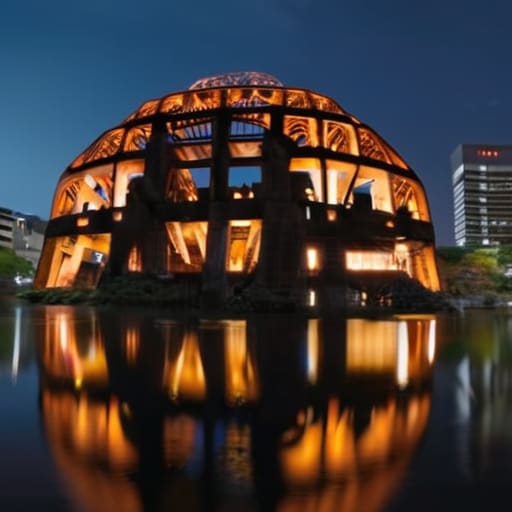
Standing across the Motoyasu River, I found my eyes drawn repeatedly to the skeletal remains of the Genbaku Dome. It is a jarring sight, a structural anomaly that refuses to blend into the sleek, glass-and-steel geometry of the modern city surrounding it. While the rest of Hiroshima has surged upward in a display of resilience, this ruin remains anchored in place, serving as a stark, physical reminder of the atomic bomb history in Japan. It is not merely a relic; it is a structural witness.
As I sat on a nearby bench, sketching the way the sunlight caught the twisted ironwork, I realized the true genbaku dome significance lies in its refusal to be polished away. It acts as a visual anchor for the entire district, a constant, silent interruption in the urban flow. To see it framed against the rising skyline is to understand the tension between progress and memory. It demands that you acknowledge the cost of the peace we now inhabit, ensuring that the city’s evolution never becomes an act of forgetting.
Navigating the Hiroshima Museum Exhibits Through Human Detail

Stepping into the museum, I find the transition from the open air of the park to the controlled, hushed atmosphere of the interior quite jarring. It is a shift in pressure. As I moved through the hiroshima museum exhibits, I found myself less interested in the grand historical timelines and more drawn to the small, devastatingly personal artifacts. A tricycle, a scorched shadow on a stone step, or a discarded school bag—these are the details that bypass the intellect and strike directly at the gut. They represent the logistical impossibility of a life interrupted in a single microsecond.
The curation manages to balance the sheer scale of the atomic bomb history in Japan with these intimate, quiet tragedies. I spent a long time observing how the light falls in the more somber galleries, noting how the silence here feels heavy, almost structural. It isn’t just a collection of objects; it is a study of human fragility within a mechanical catastrophe. For anyone using this as a peace memorial park visiting guide, I suggest you don’t rush. Let the weight of the silence settle. To understand the city’s resilience, you must first sit with its stillness.
Logistics of Reflection: Practical Advice for the Somber Journey
- Opt for the morning light. I’ve found that arriving at the Peace Memorial Park just as the city is waking up—around 7:00 AM—allows you to experience the space before the tour groups arrive. The stillness of the morning is essential if you want to actually hear the city breathe.
- Map your route via the streetcars. The Hiroshima Electric Railway (Hiroden) isn’t just a way to get around; it’s a rhythmic part of the city’s recovery. Taking the tram toward the park gives you a grounded, local perspective on how the modern streets weave around the memorial sites.
- Bring a physical notebook. While everyone else is busy capturing everything through a digital lens, there is a profound difference in sitting on a park bench and sketching the layout or jotting down a single, heavy thought. It forces a slower, more deliberate pace of observation.
- Allow for “empty time” in your itinerary. Do not try to rush from the Dome to the Museum to the Cenotaph in a single, efficient loop. The weight of the history requires moments of sitting in silence. If you treat this like a logistical checklist, you will miss the emotional gravity.
- Look for the small, quiet intersections. Some of my most significant moments haven’t been at the main monuments, but in the small side streets near the park where you see the daily life of the residents continuing alongside the memory of the past. That intersection of life and history is where the truth lies.
Lessons from the Quiet Corners of Hiroshima
To truly understand Hiroshima, look beyond the grand monuments and observe the deliberate, quiet way the city integrates its history into the modern transit corridors and daily rhythms of its people.
The most profound insights aren’t found in the broad historical summaries, but in the small, heavy details—the way the light hits a ruin or the silence held within a museum corridor.
Respect the city’s breath by moving through it with intention; traveling here is not a checklist of sites, but a study of how a community preserves its memory while continuing to function and grow.
The Weight of the Unspoken
“As I sat on a bench near the river, watching the steady rhythm of the city’s modern trams pass by the skeletal remains of the Dome, I realized that Hiroshima isn’t a place you visit to see history; it’s a place you visit to feel the profound, heavy silence that exists in the spaces between what was lost and what has been rebuilt.”
Rurik Salonen
The Resonance of Silence
As I sit on a wooden bench near the Motoyasu River, watching the steady flow of the local tram, I find myself reflecting on the layers of this city. We have looked at the skeletal remains of the Genbaku Dome and navigated the heavy, necessary silence of the museum’s corridors, but the true takeaway isn’t found in a single exhibit. It is found in the delicate equilibrium between the scars of the past and the efficient, breathing life of the modern city. Hiroshima is not a place frozen in tragedy; it is a masterclass in how a society can rebuild its logistics, its spirit, and its daily rhythms from the ground up.
My notebook is nearly full of sketches today, but no drawing can quite capture the weight of the air here. If you find yourself in Hiroshima, don’t just rush through the memorial to check it off your itinerary. Instead, allow yourself to feel the quiet strength of the people who walk these streets every morning. There is a profound, functional beauty in the way this city carries its history without letting it crush its future. To understand Hiroshima is to understand that peace is not merely the absence of conflict, but the presence of a deliberate, enduring resilience.
Frequently Asked Questions
How can I best time my visit to the Peace Memorial Park to avoid the heavy midday crowds and find those quieter moments for reflection?
If you want to catch the park when it truly breathes, aim for the early morning. I’ve found that arriving just as the sun begins to clear the skyline—around 6:30 or 7:00 AM—changes everything. The light is soft, perfect for my Leica, and the heavy midday surge of tour groups hasn’t yet disrupted the stillness. Alternatively, the twilight hours offer a somber, reflective grace that the midday heat simply cannot replicate.
Is there a practical way to navigate the transit connections between the main memorial sites and the more outlying historical locations?
To reach the outlying sites like the Shukkeien Garden or the outskirts of the Peace Memorial Park, the streetcars are your most reliable tool. I prefer the Hiroshima Denetsusha lines; they move with a steady, predictable rhythm that allows you to observe the city’s layout without the frantic pace of a major subway. For more distant locations, a combination of local bus routes and a bit of walking is best. Just keep your transit card ready.
Beyond the main museum and the Dome, are there specific, smaller corners of the park where the atmosphere feels more personal and less like a tourist destination?
If you step away from the main thoroughfares, head toward the Children’s Peace Monument. It’s smaller, more intimate, and lacks the heavy crowds. I often find myself sitting on a nearby bench, watching the way the wind moves through the trees. There’s a specific stillness there—a quiet, rhythmic breathing of the city that feels less like a lesson in history and more like a shared, silent moment of remembrance.
