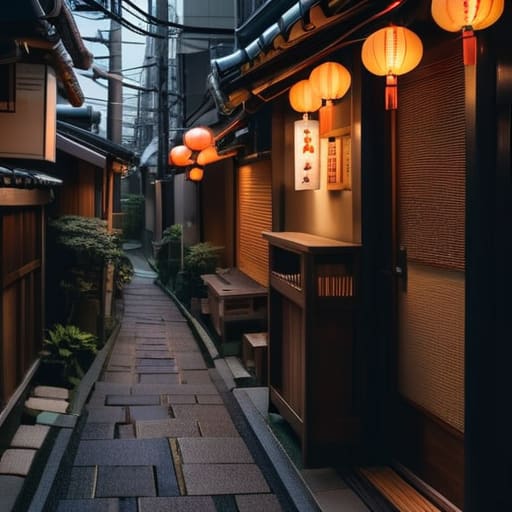
I was sitting in a cramped, dimly lit corner of a Shinjuku basement last Tuesday, the smell of aged cedar and simmering dashi hanging heavy in the air, when I realized how much most travelers miss. They spend their entire trip chasing the neon-soaked spectacle of the main thoroughfares, thinking that’s where the city’s heart beats. But if you want to find the true rhythm of this metropolis, you have to look elsewhere. The real magic isn’t found under the giant LED screens; it is tucked away within the tokyo hidden alleys that most people walk right past without a second glance.
I have no interest in giving you a list of “Instagrammable” spots that have been hollowed out for mass tourism. My goal is to show you how to navigate the city’s functional beauty by finding those quiet, breathing gaps between the skyscrapers. I will guide you through the narrow passages where the logistics of daily life meet the grace of tradition, offering nothing but honest, experience-based observations. We aren’t here to check off monuments; we are here to understand how a place actually breathes.
Table of Contents
Shinjuku Golden Gai Exploration Where Time Slows Down
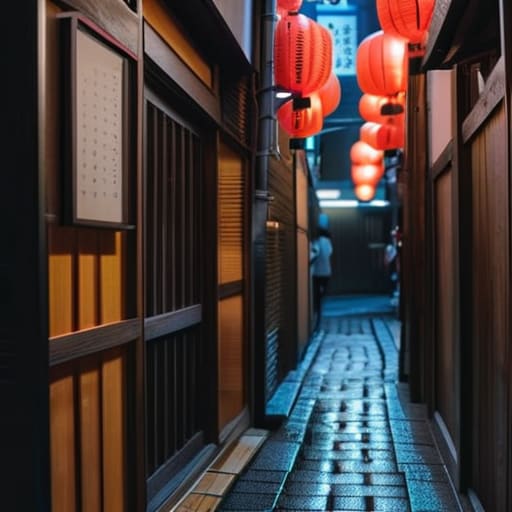
Stepping into Shinjuku Golden Gai feels less like entering a tourist district and more like stumbling into a glitch in the city’s temporal architecture. While the surrounding skyscrapers pulse with a frantic, digital energy, these six narrow alleys remain stubbornly anchored in a different era. As I navigate the tight corridors, I find myself sketching the uneven geometry of the wooden facades in my notebook. It is a masterclass in backstreet izakaya culture, where the sheer density of the structures creates a sense of intimacy that no modern high-rise could ever replicate.
The magic here isn’t found in the grand scale, but in the claustrophobic charm of a six-seat bar tucked behind a sliding door. My Shinjuku Golden Gai exploration often leads me to these miniature sanctuaries, where the air is thick with the scent of aged cedar and grilled yakitori. There is a specific, quiet rhythm to the way the light hits the condensation on a glass of highball here. It is a reminder that even in a metropolis of fourteen million, you can still find a corner that feels entirely, unapologetically small.
Finding Secret Spots in Shibuya Beyond the Neon
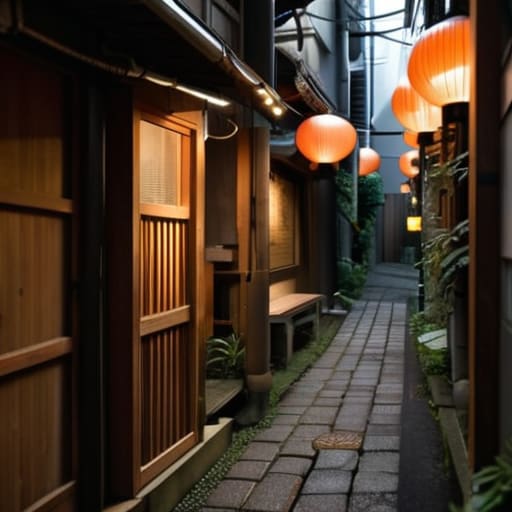
Most people approach Shibuya with a certain frantic energy, eyes glued to the massive video screens and the tidal wave of humanity at the Scramble. They see the spectacle, but they miss the mechanics. If you peel back the layers of neon, you find that the district’s true character resides in the verticality of its side streets. I often find myself drifting away from the main thoroughfares, seeking the secret spots in Shibuya that exist just one flight of stairs above or below the street level. It is in these tucked-away nooks, often marked only by a dim lantern or a weathered wooden sign, that the city’s frantic pace finally begins to subside.
Navigating these narrow passages requires a different kind of patience. You won’t find much in the way of polished signage here; instead, you rely on the scent of dashi or the muffled laughter echoing from a basement entrance. This is where you encounter the raw essence of backstreet izakaya culture, where the seating is cramped but the connection to the neighborhood is profound. There is a quiet, rhythmic efficiency to these small establishments that reminds me of the old supply chains I used to manage—every small movement serves a specific, unpretentious purpose.
Navigating the Labyrinth: A Logistics Professional's Guide to the Backstreets
- Trust your feet over your GPS. The most meaningful discoveries in Tokyo rarely happen on a mapped-out route; they happen when you intentionally take a wrong turn down a narrow lane that looks too small for a car.
- Observe the light and the smoke. In the dense urban sprawl, a thin plume of charcoal smoke or a specific amber glow from a paper lantern is a reliable signal that a functional, quiet sanctuary lies just around the corner.
- Respect the threshold. These alleys are often the living rooms of the neighborhood. When you step from a wide, loud thoroughfare into a narrow corridor, lower your voice and match the tempo of the space.
- Look upward and downward, not just ahead. The true character of an alleyway is often found in the weathered textures of the overhead wiring or the subtle, hand-painted signage tucked near the pavement.
- Carry small change and patience. The smallest, most authentic establishments often lack the digital infrastructure of the main streets. A few coins and a willingness to wait for a seat are the currencies of the slow traveler.
Lessons from the Labyrinth
True urban navigation requires looking upward and inward; the most profound character of a district is often found in the shadows of its transit hubs rather than their brightly lit exits.
Efficiency and chaos are not opposites in Tokyo, but two sides of the same coin; the city’s soul resides in the deliberate, quiet rhythms that exist just beneath the surface of its frantic movement.
To truly see a place, one must trade the guidebook for observation, finding more value in a single, unmapped alleyway than in a dozen crowded landmarks.
The Geometry of Silence
Most people see a city as a collection of landmarks, but I see it as a series of veins; if you want to know how Tokyo truly lives, you have to step off the main artery and into the narrow, shadowed capillaries where the rush of the crowd finally fades into the hum of a single, distant lantern.
Rurik Salonen
The Geometry of the Quiet City
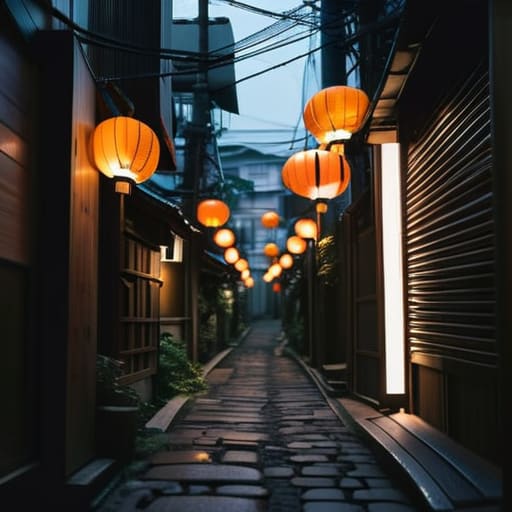
Navigating these narrow corridors—from the weathered wood of Golden Gai to the tucked-away nooks of Shibuya—requires a shift in how one perceives urban movement. We have looked past the primary arteries of the city to find the capillaries that actually sustain its character. It isn’t about finding a specific shop or a famous landmark; it is about recognizing that the true architecture of Tokyo lies in these interstitial spaces. These alleys serve as a necessary pressure valve, offering a reprieve from the relentless efficiency of the major transit hubs and providing a sense of scale that the skyscrapers simply cannot match.
As I sit here in my notebook, sketching the irregular lines of a street that most commuters would overlook, I am reminded that a city is never truly finished. It is a living, breathing organism that reveals its secrets only to those willing to slow their pace. Don’t be afraid to lose your way in the labyrinth; in fact, I would argue that getting lost is the only way to truly arrive. The next time you find yourself swept up in the neon tide, look for the gap between the buildings. Follow the scent of woodsmoke or the dim glow of a paper lantern. That is where you will find the soul of the city.
Frequently Asked Questions
How do I navigate these narrow alleys without feeling like an intruder in such intimate spaces?
It is a common hesitation, but remember: these alleys are the city’s living rooms. To navigate them respectfully, adopt the mindset of an observer rather than a spectator. Keep your movements purposeful and your volume low. If you’re photographing, ask a quick nod of permission before focusing your lens. Most importantly, don’t just pass through; sit down, order a drink, and let the space absorb you. Once you become part of the scenery, you are no longer an intruder.
Is it worth carrying analog gear into these cramped spots, or is it better to keep things light?
I’ll give it to you straight: it’s a trade-off between soul and convenience. In those narrow Shinjuku lanes, a bulky SLR can feel like an anchor, making you feel intrusive in such tight quarters. However, there is a certain intentionality to analog that matches the atmosphere of these alleys. If you can manage the weight, the grain of film captures the grit and shadow far better than a digital sensor ever will. Keep it light, but don’t sacrifice the feeling.
How can I tell which alleys are genuine local haunts and which are merely polished for the sake of tourism?
Look for the friction. If an alley feels too seamless—too many English menus or polished signage—it’s likely a curated stage. Genuine haunts have a certain functional grit. I look for the signs of a lived-in rhythm: a handwritten chalkboard, the muffled sound of a television from an open door, or a crowd that isn’t looking at their phones. If the space feels like it’s breathing for itself, rather than for you, you’ve found it.
