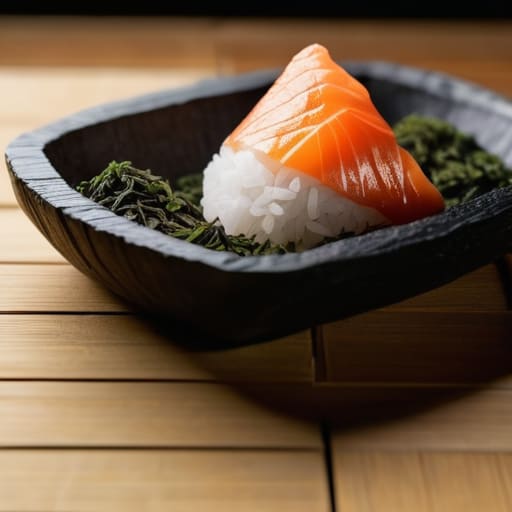
I’ve spent most of my life analyzing the flow of cargo and the efficiency of transit lines, looking for the logic behind the movement. But lately, I’ve found that the true rhythm of a city isn’t found in its logistics, but in its small, quiet rituals—like the simple act of grabbing a quick meal between subway transfers. Most travelers rush past the convenience store counters, missing the subtle artistry found in the different onigiri varieties that fuel the city’s daily pulse. There is a profound, functional beauty in a perfectly wrapped rice ball, yet most people settle for whatever is most visible rather than what is truly meaningful.
In the following pages, I want to move past the generic options and share the specific textures and flavors that actually define the urban experience. I have curated a list of five essential selections that represent the soul of the street, ranging from the nostalgic to the deeply savory. By the time you finish reading, you won’t just be looking for a snack; you will know exactly which rice ball to seek out when you need to find a moment of stillness amidst the metropolitan chaos.
Table of Contents
The Reliability of Salt and Umeboshi
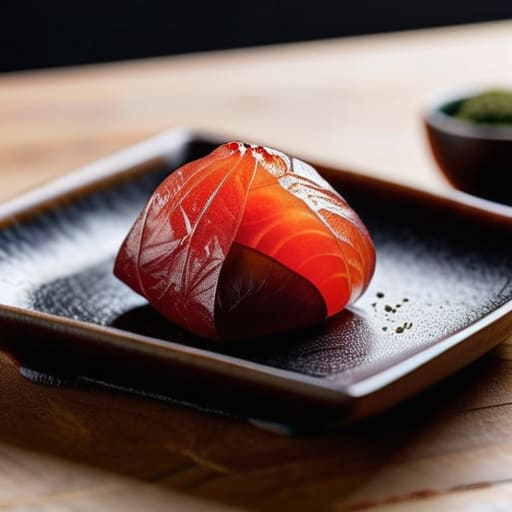
There is a certain logistical elegance to the salted plum onigiri. In my years managing supply chains, I learned to respect the power of a single, reliable component that performs its job without fanfare. The umeboshi provides a sharp, acidic punch that cuts through the starch of the rice, acting as a natural preservative that has sustained travelers for centuries. It is a functional masterpiece of culinary engineering.
The Comfort of Tuna Mayo
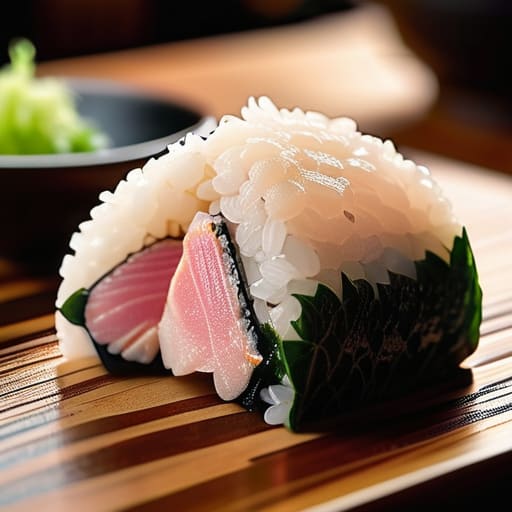
If the salted plum is the stoic professional, then the tuna mayo onigiri is the warm, familiar friend you meet in a crowded izakaya. It is perhaps the most ubiquitous variety found in any Lawson or FamilyMart, yet it possesses a universal appeal that defies its simplicity. The creamy richness of the mayonnaise binds the flakes of tuna together, creating a texture that feels almost like a soft embrace.
The Sophistication of Grilled Salmon
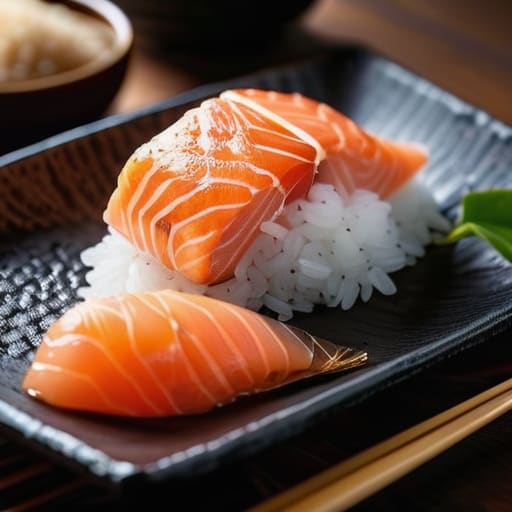
There is a subtle complexity to the shake—the grilled salmon onigiri—that requires a more observant palate to truly appreciate. When done well, the saltiness of the fish is perfectly balanced by the slight char of the grain. It feels less like a convenience store snack and more like a carefully curated piece of a larger meal, a small nod to the traditional breakfast rituals of a Japanese home.
The Earthy Depth of Kombu
For those who appreciate the quiet, slow-moving rhythms of life, the kombu seaweed variety offers a profound depth of flavor. This isn’t a loud or aggressive taste; rather, it is a slow build of umami that lingers on the tongue. The dried kelp provides a sea-salt minerality that feels deeply connected to the natural landscape of the archipelago, even when eaten in the heart of a concrete jungle.
The Boldness of Spicy Cod Roe
Occasionally, the monotony of a transit routine requires a sudden, sharp disruption, and that is where mentaiko—the spicy cod roe—comes into play. It is a vibrant, unapologetic flavor that demands your immediate presence. The heat is not overwhelming, but it provides a necessary spark that jolts the senses back to life during a long, grey afternoon of urban exploration.
The Logistics of a Perfect Bite
Don’t look for the flashiest packaging; the best onigiri is often found in the quiet, functional convenience of a local station kiosk or a dim corner shop.
Understand that the variety isn’t just about flavor, but about the ritual of the meal—matching the weight and warmth of the rice to the rhythm of your journey.
To truly understand a city, look past the grand monuments and find its soul in these small, portable details that sustain the people moving through its veins.
The Logistics of Comfort
“In the grand, sweeping machinery of a city like Tokyo, where everything moves with a frantic, calculated precision, the onigiri serves as a necessary anchor—a simple, handheld piece of stability that reminds you that even in the midst of total motion, there is room for something quiet and nourishing.”
Rurik Salonen
The Last Bite of the Journey
As I sit here on a bench near the Shinjuku station platform, watching the commuters flow like a predictable tide, I find myself reflecting on these five simple staples. Whether it was the salty, dependable pull of the Umeboshi or the rich, comforting weight of the Salmon, each variety offers a different way to anchor oneself in the middle of a frantic day. We have moved from the sharp acidity of pickled plum to the savory depths of seasoned seaweed, tracing a map of flavors that is just as complex as the subway lines etched in my notebook. It isn’t just about the rice; it is about the functional elegance of a meal that fits perfectly in the palm of your hand while the world rushes past.
Ultimately, seeking out the perfect onigiri is less about the food itself and more about the quiet observation of daily life. In a city that never stops moving, these small, wrapped parcels represent a moment of stillness—a chance to pause, breathe, and taste the local rhythm. Don’t rush your search for the best variety. Instead, let yourself wander into those dim, narrow alleys and small corner shops where the real soul of the city resides. You might just find that the most profound truths are found in the simplest of things, tucked away in a bit of seaweed and warm, steamed rice.
Frequently Asked Questions
Where can I find the best traditional onigiri that hasn't been modernized for the tourist palate?
If you want to avoid the polished, sugar-laden versions found in convenience stores, steer clear of the major stations. Instead, look for the small, family-run omusubi-ya tucked into the residential side streets of Setagaya or near the quieter stops of the Chuo Line. Look for shops where the rice is steaming and the salt is coarse. That’s where you’ll find the real thing—simple, honest, and unburdened by the need to please a tourist’s palate.
Is there a specific time of day when the local convenience stores restock their freshest batches?
If you’re looking for that specific window where the shelves are most replenished, aim for the early morning, around 5:00 or 6:00 AM. Most convenience stores follow a strict logistical rhythm; the overnight shifts handle the bulk of the restocking to prepare for the morning rush. I’ve often found that the rice balls sitting in the display at dawn have the most integrity—the seaweed is crisp, and the rice hasn’t yet surrendered to the humidity of the day.
How do I distinguish between the high-quality rice used in specialty shops versus the standard varieties found in major stations?
It comes down to the grain’s integrity. In major stations, the rice is often mass-produced for efficiency; it tends to be softer, almost mushy, designed to stay warm in a heated display. In a specialty shop, look for “koshihikari” or similar premium cultivars. The grains should be distinct, slightly translucent, and possess a firm, bouncy resistance when bitten. It’s the difference between mere sustenance and a meal that actually respects the ingredient.
