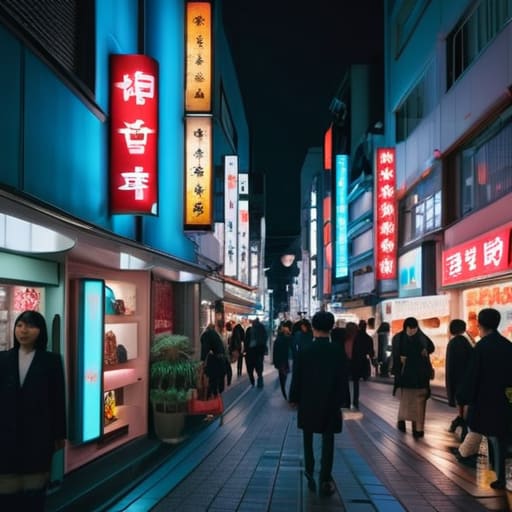
I was sitting in a cramped corner of a Shinjuku station cafe last Tuesday, watching a group of wide-eyed travelers fumble with their maps, looking utterly defeated by the sheer scale of the city. They were chasing the neon-lit fever dreams of Ginza or the chaotic frenzy of Shibuya, convinced that the “best” of the tokyo shopping districts lived exclusively under the brightest lights. But as someone who spent decades untangling the complexities of global logistics, I see the city differently. To me, the most meaningful commerce doesn’t happen in the polished, overpriced showrooms that treat customers like statistics; it happens in the unplanned intersections where local utility meets quiet tradition.
I have no interest in writing a brochure that sells you a fantasy. Instead, I want to show you how to navigate this megalopolis with a sense of purpose and a steady eye. My goal is to guide you through the functional beauty of the city, moving past the tourist traps to find the neighborhoods where the true rhythm of Tokyo resides. We aren’t just going to look at shops; we are going to understand the transit lines and the narrow backstreets that define them.
Table of Contents
The Shibuya Shopping Experience Where Crowds Meet Chaos
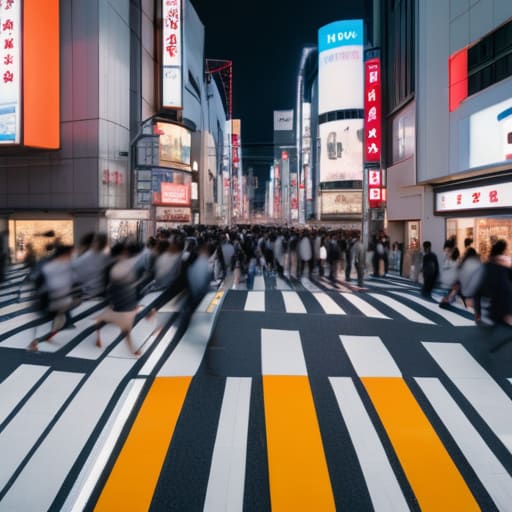
Shibuya is a study in kinetic energy, a place where the logistics of human movement are tested to their absolute limit. Standing at the edge of the Scramble Crossing, I find myself less interested in the flashing billboards and more fascinated by the sheer, synchronized chaos of the crowd. It is a massive, breathing organism. For those looking for the Shibuya shopping experience, the sheer density can be overwhelming, but there is a certain structural elegance to how the commerce flows around these central transit arteries.
The district functions as a vertical labyrinth. You don’t just walk through Shibuya; you ascend through it. One moment you are navigating a crowded sidewalk, and the next, you are tucked away in a multi-story building where the noise of the street suddenly drops away. I often find myself retreating to the upper floors of these department stores just to sketch the way the light hits the stairwells. It’s a reminder that even amidst the frenzy, there are pockets of stillness if you know which stairwell to take.
Navigating the Akihabara Tech and Anime Hub via Rail
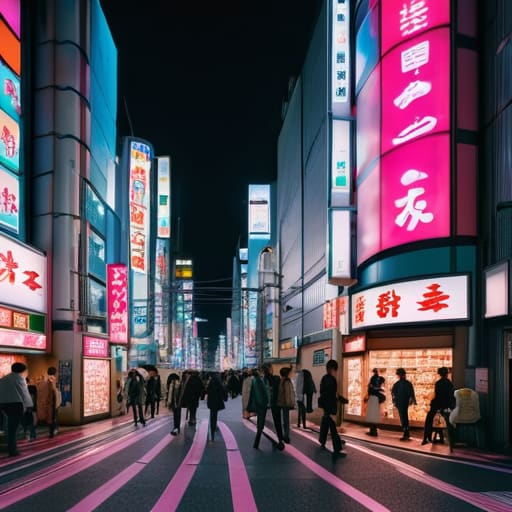
To reach Akihabara, one must first master the Yamanote Line. There is a certain mechanical satisfaction in watching the trains glide into the station, a precision that mirrors the frantic energy waiting just outside the gates. As I stepped onto the platform, I felt the immediate shift in atmosphere; if Shibuya is a tidal wave, then the Akihabara tech and anime hub is a complex, multi-layered circuit board. It is a place of dense electricity and concentrated niche interests, where the logic of the city seems to reorganize itself around the glow of LED screens and the stacked shelves of hobby shops.
Navigating the district requires more than just a map; it requires a willingness to get lost in the verticality of it all. Unlike the wide, sweeping boulevards of luxury shopping in Ginza, Akihabara demands that you look upward and inward. I found myself tracing the narrow corridors of multi-story buildings, each floor a distinct ecosystem of vintage components and specialized media. It is a logistical puzzle of narrow stairwells and crowded aisles, yet there is a profound, quiet order to how these specialized markets serve their dedicated patrons.
Logistics for the Discerning Shopper: A Few Rules of the Road
- Master the art of the “Station Exit.” In districts like Shinjuku or Ginza, the wrong exit can add twenty minutes of unnecessary walking to your journey. Always check the map before you step off the train; the distance between exits is often greater than the distance between the stations themselves.
- Respect the rhythm of the department store. If you are looking for a contemplative experience, avoid the midday rush. I find that the hour just after opening, when the staff are resetting and the aisles are wide and silent, allows you to actually observe the craftsmanship of the goods on display.
- Carry a lightweight, foldable tote. Tokyo’s retail landscape is moving steadily toward sustainability, and many shops have moved away from providing free bags. A sturdy, compact bag in your pocket saves you from the logistical headache of carrying multiple plastic carriers through crowded subway transfers.
- Use the “Depachika” for practical sustenance. If you are navigating a long day of exploring districts, head to the basement levels of major department stores. These food halls are marvels of logistical efficiency and offer high-quality, ready-to-eat meals that are far superior to the typical tourist fare.
- Look upward and downward, not just straight ahead. The most interesting specialty shops—the ones selling vintage film, hand-pressed stationery, or niche ceramics—rarely occupy the prime street-level real estate. They are often tucked into the second or third floors of unassuming buildings, or tucked into the narrow slivers of space between larger storefronts.
Lessons from the Urban Grid
Don’t mistake density for depth; the most meaningful finds often lie two blocks away from the primary transit exits where the crowds thin out.
Master the rail maps before you attempt to shop; understanding the flow of the Yamanote Line is more important than any guidebook’s list of boutiques.
Look for the functional quiet—the best shopping experiences occur when you find a rhythm between the frantic energy of a major hub and the stillness of a side street.
The Geometry of Commerce
“Most people see a shopping district as a mere collection of storefronts, but if you watch the way the crowds flow through the narrow arteries of Ginza or Shimokitazawa, you realize it is actually a living, breathing organism—one that functions best when you stop looking at the neon and start observing the rhythm of the movement.”
Rurik Salonen
The Rhythm of the City
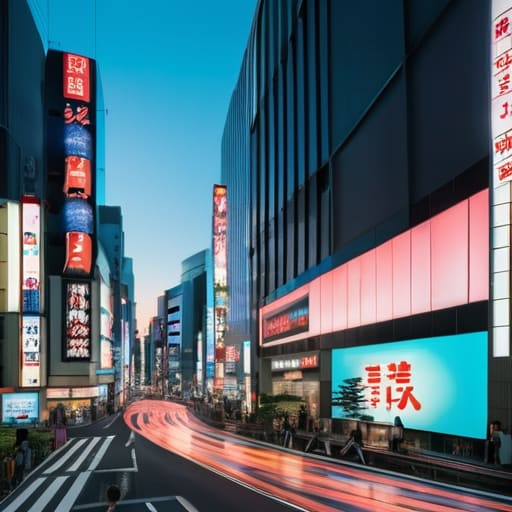
As I sit here in a quiet corner of a Shinjuku station cafe, looking over my sketches, the sheer scale of Tokyo’s commercial landscape begins to make sense. We have traced the frantic, high-energy currents of Shibuya and the neon-lit, specialized corridors of Akihabara, but these are merely the major arteries of a much larger organism. To truly understand Tokyo’s shopping districts, one must recognize that they are not just places of transaction, but complex logistical ecosystems that rely on the seamless movement of millions. Whether you are navigating a high-end department store in Ginza or a cramped electronics stall, you are participating in a carefully choreographed dance of urban efficiency and consumer desire.
My advice to those arriving in this sprawling metropolis is simple: do not let the sensory overload paralyze you. Instead, use the transit lines as your guide and allow yourself to drift away from the primary hubs. The most profound discoveries rarely happen under the glare of the largest billboards; they happen when you take a wrong turn and find a small, family-run shop tucked between two skyscrapers. Look for the quiet functional beauty in the way a street narrows or how a local market breathes. Tokyo is not a checklist of destinations; it is a living, breathing puzzle waiting to be solved, one station at a time.
Frequently Asked Questions
If I want to avoid the heavy tourist crowds found in Shibuya, which districts offer a more manageable pace for browsing?
If you want to escape the Shibuya crush, head toward Shimokitazawa or Yanaka. Shimokitazawa offers a much more human scale; its labyrinthine streets and vintage shops feel organic rather than manufactured. For something entirely different, Yanaka provides a glimpse into “shitamachi” old Tokyo. It’s quieter, slower, and far more conducive to actually observing the neighborhood’s rhythm. Both allow you to browse without the constant, exhausting friction of a massive crowd.
How do the different transit lines connect the major shopping hubs, and is it efficient to visit multiple districts in a single day?
The Yamanote Line is your lifeline; that loop connects the major hubs like Shibuya and Akihabara with remarkable predictability. If you’re moving between the Ginza line and the Marunouchi, you’ll find the transfers seamless, provided you respect the station’s logic. Is it efficient to hit multiple districts? Yes, if you treat it like a supply chain. Plan your route around the rail arteries to avoid backtracking, and you can navigate the city’s commerce without losing your composure.
Beyond the large department stores, where can I find specialized, smaller shops that reflect the more authentic, local side of Tokyo's commerce?
If you want to escape the polished veneer of Ginza, head toward Yanaka or the backstreets of Shimokitazawa. In Yanaka, the commerce moves at a human pace; you’ll find old-world tea merchants and paper artisans who have occupied the same storefronts for decades. Shimokitazawa offers a different texture—a labyrinth of independent vintage shops and small-scale bookstores. These aren’t just retail spaces; they are the steady, rhythmic heartbeats of neighborhoods that refuse to be rushed.
