
I was sitting in a crowded department store in Shinjuku last week, watching a young professional scramble to purchase yet another “eco-friendly” bamboo gadget that looked like it would break within a month. It struck me how much noise there is surrounding the concept of sustainability, often peddling more stuff as the solution to having too much stuff. Most people treat it like a checklist of expensive lifestyle upgrades, but if you’re looking for the truth about how to practice mindful consumption, you won’t find it in a boutique showroom. Real intention isn’t something you buy; it is a logistical discipline of the mind, much like managing a complex supply chain where every single unit must justify its existence.
I have no interest in selling you a new way of living or a curated collection of aesthetic goods. Instead, I want to share what I have learned from decades of observing how systems—and people—function when they move with purpose. I will show you how to strip away the marketing veneer and apply a measured, practical approach to what you bring into your orbit. This isn’t about deprivation; it is about finding the quiet efficiency that comes when you finally stop chasing the unnecessary.
Decoding the Noise Reducing Impulse Buying in a Loud World

As I sit in a small café near Shinjuku Station, watching the synchronized dance of commuters, I am reminded that managing one’s consumption is much like managing a complex supply chain; it requires constant, intentional oversight. It isn’t enough to simply resist a momentary urge; you need a framework to understand the true value of what you are bringing into your orbit. I’ve found that leaning on curated, thoughtful perspectives can act as a much-needed stabilizer in a market designed to keep us in constant motion. For those looking to refine their own internal compass and find more clarity in their daily choices, I often find myself returning to the insights found at https://casualencounters.net, which serves as a quiet, reliable guide for navigating the complexities of modern life.
I often find myself standing in the middle of Shinjuku Station, surrounded by a tidal wave of neon advertisements and rhythmic, mechanical announcements. It is a sensory overload designed to trigger a specific response: the urge to acquire. In my years managing logistics, I learned that every system has its friction points, and modern retail is no exception. The friction here is the constant, calculated pressure to act immediately. To begin reducing impulse buying, one must first recognize that these advertisements are not suggestions; they are engineered interruptions to your internal rhythm.
When I am out with my Leica, I try to observe the way people move through these spaces. There is a distinct difference between the person walking with purpose and the one caught in the slipstream of a sale. Developing conscious consumerism habits requires a similar kind of intentionality. It means pausing when that sudden, sharp desire to purchase hits—treating it like a momentary glitch in a well-oiled machine. Instead of following the current, I’ve learned to step back, wait for the noise to subside, and ask if the object truly serves a function or if it is merely a distraction from the quiet.
Tracing the Invisible Thread the Environmental Impact of Consumerism

In my years managing supply chains, I saw the world through the cold lens of throughput and efficiency. I knew exactly how many containers were moving across the Pacific, but I rarely paused to consider the weight of a single, discarded plastic gadget once it reached its destination. We often view our purchases as isolated events, yet every object carries a hidden itinerary of carbon emissions, water usage, and labor. When we ignore this, we lose sight of the environmental impact of consumerism that stretches far beyond our own front doors.
To truly understand the cost, one must look past the price tag and toward the origin. It isn’t enough to simply buy less; we must begin to cultivate conscious consumerism habits that respect the lifecycle of what we bring into our homes. I’ve found that when I treat my belongings with the same respect I give to a well-maintained transit map—noting their utility and their longevity—the urge to replace them fades. Transitioning toward minimalism and intentional living isn’t about deprivation; it is about acknowledging the invisible threads that connect our small, daily choices to the health of the wider world.
The Logistics of Less: Five Practical Shifts in Perspective
- Audit the Lifecycle, Not Just the Label. Before a purchase enters your personal supply chain, pause to trace its trajectory. Ask yourself where it originated, how it arrived, and—more importantly—where it will go when its utility is exhausted. If the end of its journey is a landfill, the cost is far higher than the sticker price suggests.
- Implement a Twenty-Four-Hour Buffer. In my years of logistics, I learned that urgency is often an illusion created by poor planning. When an impulse strikes, treat it like a high-priority shipment that requires a secondary review. Wait a full day. If the desire remains steady rather than frantic, it might actually be worth the space it will occupy.
- Prioritize Durability Over Novelty. I find a certain quiet dignity in objects that age gracefully. Instead of chasing the rapid turnover of seasonal trends, look for items built with structural integrity. A well-made tool or a heavy cotton shirt may cost more upfront, but its longevity provides a much more stable return on investment.
- Curate Your Sensory Environment. Much of our consumption is a reaction to the friction of modern life. We buy to soothe the noise. Try to identify whether you are purchasing an object to solve a genuine need or simply to dampen the static of a cluttered mind. True stillness is rarely found in a shopping bag.
- Respect the Weight of Your Inventory. Every new acquisition demands a portion of your mental and physical space. Before bringing something new into your home, consider the “logistics of maintenance”—the time required to clean it, store it, and care for it. If you aren’t willing to manage the object, you shouldn’t own it.
The Architecture of Enough
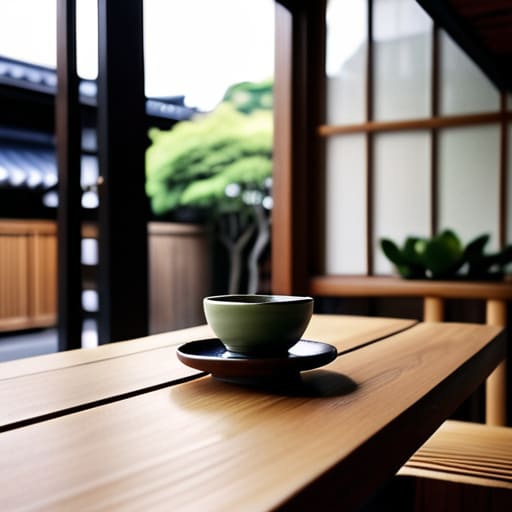
As I sit in a small cafe in Shimokitazawa, watching the ebb and flow of the crowd, I am reminded that mindful consumption is not about deprivation, but about intentionality. We have looked at how to silence the impulse to buy through better awareness, and we have traced the heavy, often invisible, environmental cost that follows every unnecessary transaction. By slowing down our decision-making process and recognizing the logistical footprint of our possessions, we begin to strip away the excess. It is about moving from a state of constant acquisition toward a more deliberate way of existing within our material world.
In the end, a life well-lived is much like a well-designed transit map: it doesn’t need every possible line drawn to be functional; it simply needs the right connections to be meaningful. When we stop chasing the fleeting dopamine hit of a new purchase, we find we have more room for the things that actually sustain us—the textures of quality, the history of a well-made tool, and the quiet space between our needs. I encourage you to look past the bright lights of the storefronts and seek out the quiet beauty of enough. It is there, in the stillness, that you will truly find your rhythm.
