Fluorescent hum and coiled snacks: Finding the city’s pulse in its quiet, automated corners
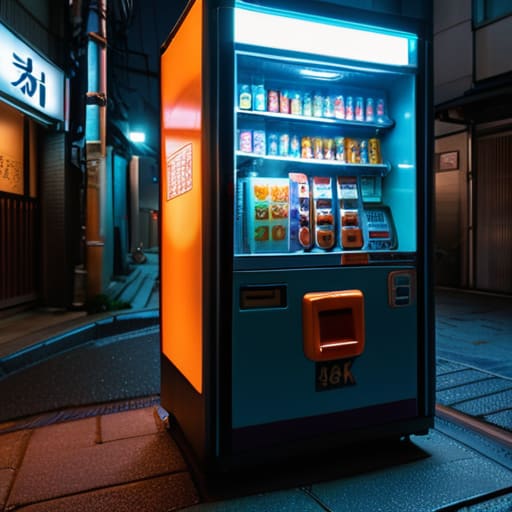
I was standing on a rain-slicked corner in Shinjuku last Tuesday, watching the frantic tide of commuters surge toward the station, when I saw it: a single, glowing vending machine tucked into a concrete alcove. Most travelers see these machines as mere novelties or colorful photo opportunities for their social media feeds, but that’s a shallow way to view vending machine culture. To me, they are the unseen gears of the urban machine, providing a silent, reliable service that keeps the city’s complex logistics from grinding to a halt during the late-night hours.
I have no interest in telling you which machines have the prettiest lights or the most “Instagrammable” cans. Instead, I want to show you how to read these machines as a map of the neighborhood’s needs. I’ll share what I’ve learned from years of observing these automated hubs—from the specific placement of hot versus cold beverage lines to the way they serve as quiet anchors in a sea of metropolitan chaos. We aren’t looking for gimmicks; we are looking for the functional truth of the street.
Table of Contents
- Quiet Corners and the Evolution of Snack and Drink Accessibility
- Unattended Retail Technology as a Citys Silent Caretaker
- Navigating the automated landscape: A few practical observations
- The logic of the machine: What the vending machine reveals about the city
- The Logistics of Solitude
- The Quiet Rhythm of the Machine
- Frequently Asked Questions
Quiet Corners and the Evolution of Snack and Drink Accessibility
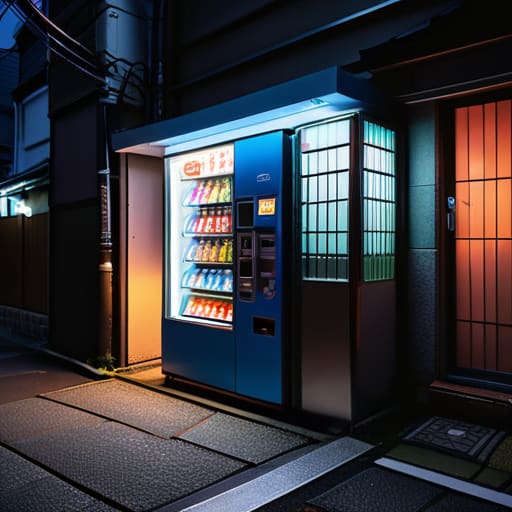
I’ve often found that the true efficiency of a city isn’t found in its grand central stations, but in the narrow alleys where a single machine stands sentinel. There is a certain grace in how these machines have adapted to the shifting rhythms of urban life. As I walk through the residential pockets of Setagaya, I notice how snack and drink accessibility has become almost invisible, yet entirely seamless. It is no longer just about a quick caffeine fix; it is about a reliable, quiet presence that meets the resident exactly where they are, regardless of the hour.
Looking closer, one can see how the landscape is shifting through unattended retail technology. We are moving away from the clunky, mechanical boxes of my early career toward something far more sophisticated. These newer units aren’t just dispensing goods; they are responding to on-the-go consumer behavior with a precision that would have fascinated my old logistics clients. They feel less like machines and more like small, automated hubs that have mastered the art of being present without being intrusive.
Unattended Retail Technology as a Citys Silent Caretaker
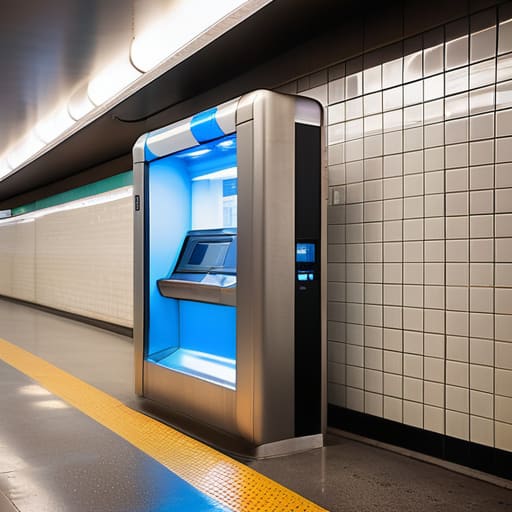
There is a certain mechanical grace in how these machines operate without a single human hand to guide them. In my years in logistics, I learned that the most efficient systems are often the ones that work most invisibly. Today, we see this through the lens of unattended retail technology, where the machine isn’t just a box of soda, but a highly calibrated node in a much larger network. These units anticipate the needs of the city, standing watch in sterile subway corridors or dimly lit office lobbies, providing a seamless transaction that requires nothing more than a tap of a card and a moment of intent.
As I watch a commuter grab a coffee at 5:00 AM, I see more than just a transaction; I see the micro-market evolution happening in real-time. This shift toward smarter, more autonomous service allows the city to function even when the traditional storefronts are shuttered. It is a quiet, automated reliability that keeps the urban gears turning, ensuring that the flow of daily life remains uninterrupted by the limitations of human operating hours.
Navigating the automated landscape: A few practical observations
- Don’t overlook the alleyways. While the main thoroughfares offer the standard selection, the true character of the machine culture lies in those tucked-away units in residential corners or near quiet shrine entrances; they often carry the niche, local offerings that the high-traffic hubs ignore.
- Carry small denominations of yen. Even in an era of increasing digital integration, there is a certain mechanical honesty to the sound of a coin dropping into a slot, and many of the most charming, older machines in the outskirts of Osaka still prefer the weight of physical currency.
- Watch the light, not just the labels. If you are looking for a moment of quiet contemplation, seek out machines positioned under the soft glow of a streetlamp at dusk. They act as small, glowing beacons that define the rhythm of the street when the crowds have thinned.
- Pay attention to the seasonal rotation. One of the subtle ways a city breathes is through its vending machines; they are often the first to signal the changing seasons, shifting from steaming canned coffee in the biting chill of January to chilled barley tea as the humidity rises in July.
- Respect the machine’s placement. These units are more than just retail points; they are functional anchors of the urban landscape. When you find a particularly well-placed machine—one that provides a sense of order to a chaotic intersection—take a moment to observe how it serves the flow of the commuters around it.
The logic of the machine: What the vending machine reveals about the city
Beyond mere convenience, these machines serve as the connective tissue of the urban landscape, providing a predictable, reliable rhythm to the unpredictable flow of city life.
The evolution from simple soda dispensers to sophisticated retail hubs reflects a shift toward a more automated, yet deeply integrated, urban ecosystem that functions even when the streets are empty.
To truly understand a city’s pulse, one must look past the neon glare and recognize these silent caretakers as essential components of the metropolitan infrastructure.
The Logistics of Solitude
There is a profound, quiet reliability in a machine that asks for nothing but a coin and offers a warm can of coffee in return; it is perhaps the most honest interaction one can have with a city that never truly sleeps.
Rurik Salonen
The Quiet Rhythm of the Machine
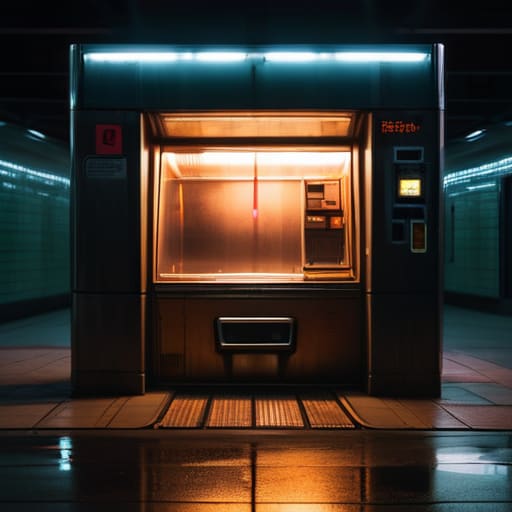
Looking back at the landscape through my lens, it becomes clear that these machines are more than just automated kiosks; they are the connective tissue of the urban sprawl. We have seen how they bridge the gap in accessibility, providing a reliable service in the most remote subway corridors, and how they act as silent caretakers of the city’s nocturnal life. From the logistical precision of their distribution to the way they offer a momentary, neon-lit respite for a weary commuter, they represent a masterclass in functional urban design. They don’t demand your attention or your time; they simply exist to serve the flow of the city.
As I close my notebook and prepare for my next walk through the Shinjuku alleys, I am reminded that the true soul of a place isn’t found in its grandest architecture, but in its most mundane efficiencies. There is a profound, understated dignity in a machine that works perfectly, night after night, without complaint. Next time you find yourself standing before a glowing vending machine in a quiet corner, don’t just reach for a drink. Take a second to listen to the hum and observe the light. You might just find that you are witnessing the heartbeat of the metropolis in its purest, most honest form.
Frequently Asked Questions
How do these machines manage to stay profitable in such low-traffic, quiet corners without the oversight of a shopkeeper?
It’s a question of pure logistics. In my old life, we called it optimizing the footprint. These machines don’t need a storefront or a salary; they only need electricity and a predictable route. The operators rely on data-driven restocking cycles—only visiting when sensors signal low inventory. By stripping away the overhead of human supervision and high-rent real estate, even a single sale in a quiet alleyway contributes to a margin that a traditional shop simply couldn’t match.
Beyond the convenience, is there a specific way the logistics of restocking these machines impact the daily rhythm of the neighborhood?
The replenishment cycle is a silent choreography. I’ve noticed the rhythm shifts with the hours; in the early dawn, the heavy rumble of restocking trucks signals a neighborhood waking up, a logistical reset before the rush. It’s a brief, disciplined window of activity that maintains the city’s equilibrium. Watching a driver navigate a narrow alley to restock a corner unit, you realize these machines aren’t just static objects—they are vital, moving parts of a living supply chain.
As automation increases, are we losing the small, human interactions that used to define these street corners?
It’s a valid concern, but I see it differently. We aren’t losing interaction; we are shifting its frequency. In my logistics days, efficiency was the enemy of connection. Now, I find that these machines actually preserve the sanctity of the quiet corner. By automating the transaction, the street remains a space for observation rather than constant negotiation. The human element hasn’t vanished; it has simply moved from the transaction to the shared experience of the space itself.
