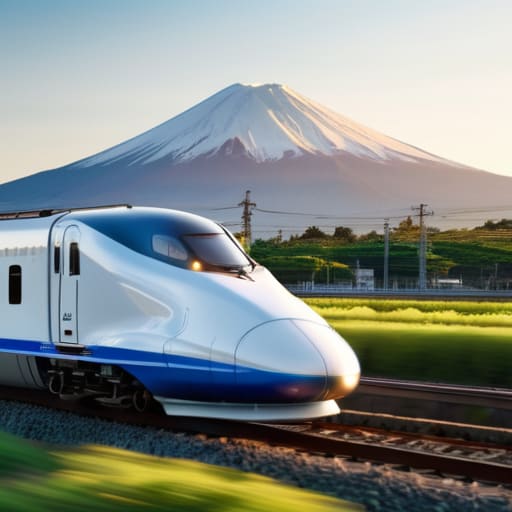
I remember sitting in Shinjuku Station last autumn, the air thick with the scent of roasted green tea and the frantic, rhythmic clicking of thousands of heels against polished tile. While most travelers were staring at their phones, overwhelmed by the sheer scale of the terminal, I was watching the precise, almost balletic coordination of the platform staff. To me, shinkansen travel isn’t just about getting from Point A to Point B; it is about witnessing the unseen choreography of a nation that values punctuality as a form of respect. There is a specific, quiet dignity in the way a train glides into a station—a seamless transition that most people are too busy to actually notice.
I have no interest in giving you a glossy, tourist-brochure version of Japan. Instead, I want to share the logistical realities and the small, functional details that actually make a journey successful. I’ll guide you through the nuances of seat selection, the art of the ekiben ritual, and how to navigate the rails without losing your sense of calm. This is about finding the steady rhythm of the tracks, ensuring your movement through the country is as efficient as it is meaningful.
Table of Contents
Unlocking the Journey Japan Rail Pass Benefits and Online Booking
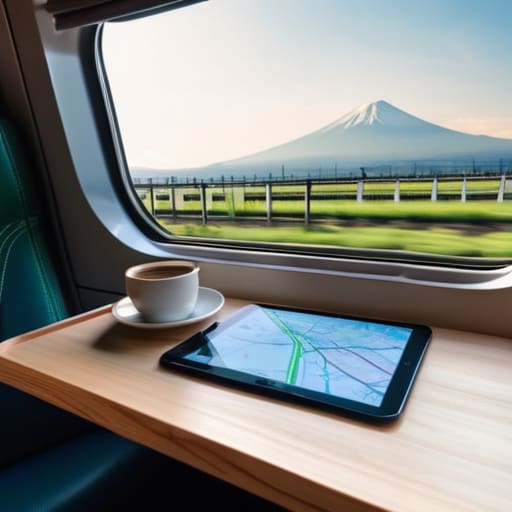
Navigating the logistics of a multi-city itinerary can feel like managing a complex supply chain if you aren’t prepared. For most, the primary tool is the Japan Rail Pass, though its value has shifted recently with price adjustments. I’ve learned that the real Japan Rail Pass benefits lie in the seamlessness it offers; it removes the friction of individual ticket purchases, allowing you to move between prefectures with a sense of fluid purpose. However, don’t let the pass be your only strategy. For specific, high-demand routes, booking Shinkansen tickets online in advance is a necessity to ensure you aren’t left standing in a crowded station with a heavy camera bag and no seat in sight.
Once you have your passage secured, you must decide on your vantage point. Understanding the different Shinkansen seat classes explained is vital for the right experience. While Green Car offers a quiet, spacious sanctuary, the Standard Class is more than sufficient for the disciplined traveler. I always suggest aiming for the right side of the carriage when heading toward Kyoto; it offers the most consistent, sweeping views of Mount Fuji as the landscape accelerates.
Shinkansen Seat Classes Explained Finding Your Quiet Corner
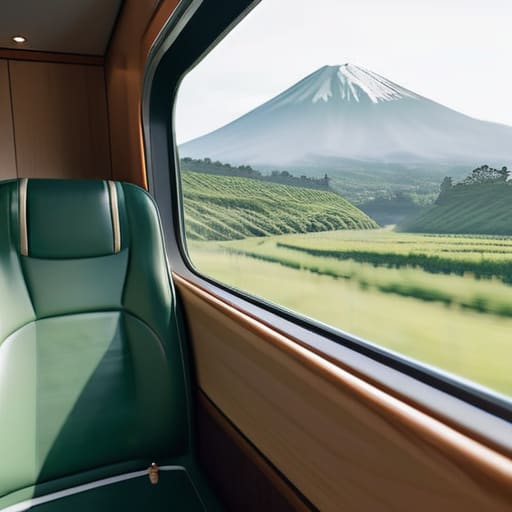
When you first sit down to navigate the different Shinkansen seat classes explained in the official guides, it can feel like an exercise in unnecessary complexity. However, after years of managing logistics, I’ve learned that the “correct” choice is entirely dependent on your personal need for stillness. Ordinary Car is perfectly functional—it is clean, efficient, and gets you where you need to go—but if you are looking to truly observe the landscape, I often find myself opting for Green Car. The latter offers a significant increase in pitch, a quieter atmosphere, and a sense of uninterrupted personal space that makes a long haul from Tokyo to Hakata feel less like transit and more like a moment of reflection.
If you are traveling with more than just a small camera bag, you must also keep the Shinkansen luggage rules in mind. The newer N700S series models have been designed with modern travelers in mind, but space remains a premium. I always recommend booking a seat with an overhead rack or a designated luggage area in mind to avoid disrupting the flow of the cabin. For me, the goal isn’t luxury for luxury’s sake; it is about securing the right environment to watch the world blur past the window without distraction.
The Logistics of Motion: Five Nuances for a Seamless Journey
- Master the art of the Ekiben. While the dining cars are functional, the true ritual lies in selecting a regional bento box from the station platform before boarding. It is a small, curated window into the local geography of the prefecture you are about to enter.
- Respect the choreography of the platform. Observe the floor markings during the dwell time; the Japanese transit system operates on a precise, unspoken social contract of queuing. To disrupt this flow is to misunderstand the very efficiency that makes the Shinkansen a marvel.
- Use the luggage rules to your advantage. If you are traveling with oversized suitcases, ensure you have pre-booked a seat with dedicated luggage space. In a system built on flow, an unmanaged bag is a logistical friction point that serves neither you nor your fellow passengers.
- Download the transit apps, but keep your eyes up. While digital maps are efficient for calculating transfer times between lines, the most vital information—the subtle shifts in station architecture or the specific signage of a new terminal—is often best caught by observing the physical environment.
- Timing your departure for the “Golden Hour” of transit. Avoid the frantic morning rush if you seek contemplation. Instead, aim for the mid-morning departures; the energy of the commuters has settled, the cabins are quieter, and you can finally focus on the rhythmic blur of the landscape outside your window.
The Logistics of a Seamless Journey
View the Japan Rail Pass not just as a discount, but as a strategic tool for mobility that allows you to navigate the country’s backbone without the friction of constant individual transactions.
Prioritize seat selection based on your personal rhythm; whether it is the focused quiet of Green Car or the strategic vantage point of a window seat, your environment dictates the quality of your observation.
Success in Japanese transit lies in the preparation; booking your route in advance transforms a potentially chaotic logistical hurdle into a smooth, predictable flow that lets you focus on the landscape rather than the schedule.
The Geometry of Motion
Most travelers see the Shinkansen as a mere means to reach a destination, but to me, it is a masterclass in precision; there is a profound, meditative dignity in watching a machine move so swiftly through the landscape yet remain so impossibly, quietly still inside.
Rurik Salonen
The Final Departure
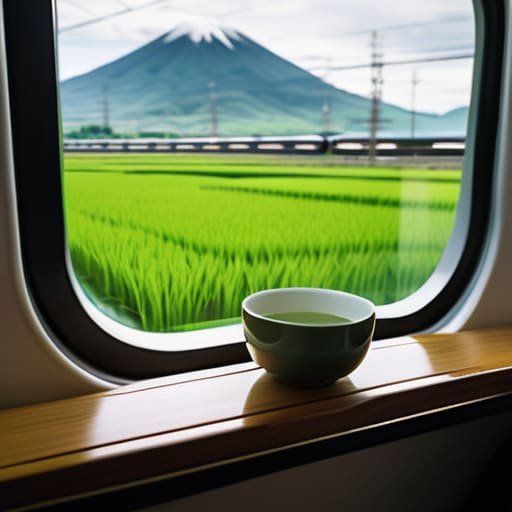
Navigating the Shinkansen is more than just a logistical exercise in selecting the right rail pass or choosing between Green Car luxury and Standard Class efficiency. It is about mastering the mechanics of the journey so that the transit itself becomes seamless. Once you have secured your booking and found that perfectly positioned seat by the window, the technicalities fade into the background. You are no longer a passenger managing a schedule; you are a participant in a highly tuned, rhythmic system that allows you to move through the Japanese landscape with unrivaled precision and ease.
As I close my notebook and prepare for my next departure, I am reminded that the true value of these high-speed corridors isn’t found in how quickly they get you to your destination. It is found in the quiet intervals between stations—the way the light shifts across the mountains of Shizuoka or the sudden, rhythmic hum of the tracks beneath your feet. Don’t just use the Shinkansen to reach a landmark; use it to observe the transition of the world outside your window. In those moments of transit, you find the true heartbeat of the country, moving steadily toward the next quiet corner waiting to be discovered.
Frequently Asked Questions
How do I navigate the logistics of transferring between local subway lines and the Shinkansen stations without losing my footing in the crowd?
The secret lies in the transition zones. When moving from a local subway to a Shinkansen hub like Tokyo or Shin-Osaka, don’t rush blindly. Find the “Transfer” signs—they are your lifeline. I always pause at the major junctions to orient myself with a physical map before entering the flow. Follow the color-coded floor markings if available, but keep your eyes on the overhead signage. Move with purpose, but never with panic.
Is it worth the extra effort to reserve a seat with a large window, or does the view change significantly between the different lines?
It depends on your route. On the Tokaido line, heading toward Kyoto, that window is your window to Mount Fuji—it’s worth the effort for that singular, fleeting moment. However, if you’re navigating the dense urban corridors between Tokyo and Osaka, the scenery often dissolves into a blur of concrete and industrial outskirts. In those cases, I find the view matters less than the quiet stability of a well-chosen seat.
What is the most efficient way to manage heavy luggage on the train without disrupting the quiet rhythm of the carriage?
The key is foresight, not force. In my years of logistics, I learned that friction is often caused by poor planning. When booking, always select a seat with an oversized luggage area—usually the very last row of the carriage. This prevents you from navigating narrow aisles with heavy trunks and keeps the center of the car clear. If you can, use a hands-free luggage forwarding service like Takkyubin; it’s the most elegant way to move through a station.
