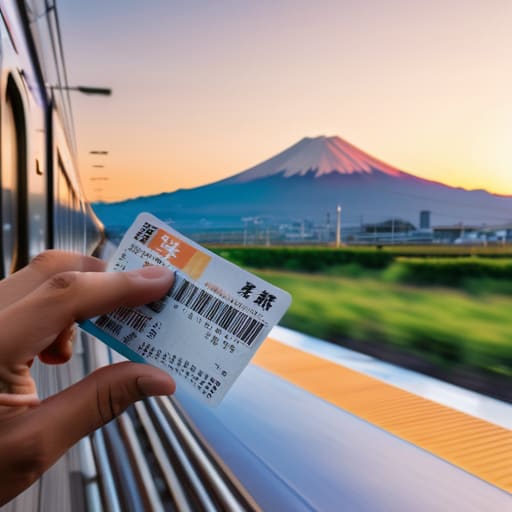
I remember sitting in a crowded station in Shinjuku last autumn, watching a frantic traveler stare at a digital map with pure, unadulterated exhaustion. They were trying to force a rigid itinerary onto a country that rewards the patient, all because they’d been told a japan rail pass was a magical skeleton key to the entire archipelago. There is a pervasive myth that this pass is a mandatory shortcut to efficiency, but in my experience, treating it like a frantic race between major landmarks is the quickest way to miss the actual soul of the journey.
I’m not here to sell you on the glossy brochures or the hype-driven travel blogs that promise you can see everything in seven days. Instead, I want to offer you a logistical reality check. I will show you how to evaluate the math behind the pass, how to use it to find those quiet, nameless stations that most tourists bypass, and how to integrate it into a rhythm that feels intentional rather than rushed. This isn’t about checking off monuments; it’s about using the rails to understand how Japan truly breathes.
Table of Contents
Navigating the Japan Rail Pass Price Increase

When the news broke regarding the recent Japan rail pass price increase, I found myself sitting in a small cafe near Shinjuku Station, staring at my notebook and running the numbers. For decades, the math was simple: if you were moving between major hubs like Tokyo, Kyoto, and Osaka, the pass paid for itself almost instantly. Now, that logic has shifted. You can no longer approach this purchase with a blanket assumption of value; it requires the same precision I used to apply to supply chain logistics.
To make sense of it, you have to look closely at the JR Pass cost vs individual tickets. If your itinerary is a tight loop around the Golden Route, you might find that buying point-to-point tickets offers more flexibility and better margins. However, if you plan to venture into the more remote corners of Hokkaido or Kyushu, the pass still holds a certain structural elegance. It isn’t just about the yen; it’s about the freedom to change your mind without constantly calculating the cost of your next move.
Deciphering Jr Pass Cost vs Individual Tickets
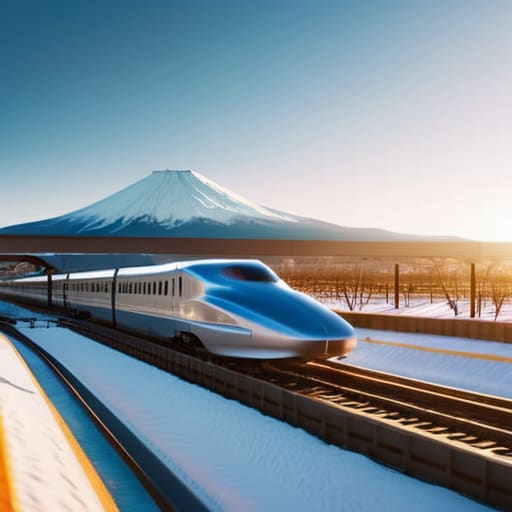
When I first began auditing supply chains, the math was always simple: you weighed the overhead against the efficiency of the route. Applying that same logic to your travel itinerary is essential now. The debate of JR Pass cost vs individual tickets isn’t just about the sticker price; it’s about your specific movement patterns. If your plan is a rigid loop between Tokyo, Kyoto, and Osaka, the math might no longer favor the pass. However, if you intend to venture into the more remote corners of Hokkaido or Kyushu, the pass becomes a tool of freedom, absorbing the high costs of long-distance transit that would otherwise bleed a budget dry.
I find it helpful to map out a “break-even” itinerary in my notebook before committing. Don’t just look at the total sum; look at the frequency of your trips. If you are primarily staying within a single metropolitan area, you are better off using a local IC card. But for those seeking the best routes for Japan Rail Pass—those long, sweeping journeys that traverse the spine of the country—the pass remains a strategic asset. It allows you to focus on the shifting scenery rather than the constant calculation of yen.
The Logistics of the Journey: Five Practical Considerations
- Map your routes before you commit. I’ve learned that a pass only pays for itself if you have a clear, high-volume itinerary. Don’t buy it for the sake of having it; buy it because your planned movement through the prefectures demands it.
- Embrace the local lines. The real value of the pass isn’t just the Shinkansen; it’s the ability to hop on a smaller, regional line when you see a station that looks interesting. Those unplanned detours are where you find the quiet corners I live for.
- Master the reservation system. Even with a pass, don’t assume you can just walk onto any train. Take a moment to visit the ticket office or use the machines to secure your seat. A little logistical foresight prevents a lot of unnecessary standing.
- Keep your physical exchange order safe. In my years of managing supply chains, I learned that the most important document is often the one you haven’t converted yet. Keep that paper voucher tucked securely in your notebook; you can’t do much with a digital thought.
- Don’t overlook the regional alternatives. Sometimes, the national pass is overkill. If your heart is set on a specific area like Kansai or Kyushu, look into the regional JR passes instead. They are often more economical and allow for a much deeper, more focused exploration of a single landscape.
The Logistics of Value: Three Essential Rules
Stop viewing the JR Pass as a universal key; it is now a specialized tool that only makes sense if your itinerary involves long-distance, high-speed corridors over several consecutive days.
Run the numbers before you commit—map out your specific route using a simple calculator, as the recent price hike means a single missed connection or a detour to a local line can quickly erode your margins.
Prioritize flexibility over rote planning; if you find yourself drawn to a quiet, nameless station on a whim, remember that individual tickets often grant you more freedom to wander without feeling the pressure to “earn back” the cost of a pass.
The Logic of the Journey
A rail pass shouldn’t be viewed as a mere mathematical equation of distance versus yen; it is a license to wander. If you only use it to sprint between the major hubs, you’ve missed the point. The true value lies in the ability to step off at a nameless, sun-drenched station in the middle of nowhere, simply because the rhythm of the tracks suggested it was time to stop and look.
Rurik Salonen
The Final Logistics of Your Journey

Ultimately, deciding whether the JR Pass is your right tool depends entirely on the specific geometry of your itinerary. As we have seen, the recent price adjustments mean that the days of the “automatic win” are over; you can no longer simply buy the pass and assume it will save you money. You must look at your route through a lens of calculated precision, weighing the convenience of the network against the actual cost of individual Shinkansen tickets and regional passes. If your plan involves a frantic dash from Tokyo to Hiroshima and back, the pass remains a formidable asset. However, if you prefer to linger in a single prefecture, the math simply won’t support it. Do the math before you commit.
Beyond the spreadsheets and the cost-benefit analyses, I hope you remember why you are boarding these trains in the first place. A rail pass is more than just a logistical shortcut; it is a permit to witness the changing soul of the country. Use the freedom it provides to step off at a station that isn’t on your itinerary, to watch the light hit the rice paddies through a window, and to find those unscripted moments that no guidebook can capture. The true value of Japanese travel isn’t found in how much you save on a fare, but in how deeply you allow yourself to see the world moving past your window.
Frequently Asked Questions
How do I manage the logistics of seat reservations if I decide not to get the pass?
If you opt out of the pass, managing your travel becomes a matter of precision rather than a single lump sum. I recommend downloading the Smart EX app or using the official JR West website; they are surprisingly efficient for booking Shinkansen seats in advance. For local lines, you can simply use the ticket machines at the station. It requires a bit more granular planning, but it gives you a certain freedom that a pass sometimes lacks.
Are there specific regional passes that offer better value for a focused itinerary in Kansai or Kyushu?
If you aren’t planning to traverse the entire archipelago, the national pass is often a logistical overkill. For a focused stay in Kansai, the Kansai Thru Pass or the JR West Kansai Area Pass offers much tighter efficiency for exploring Kyoto, Osaka, and Nara. If your interest lies further south, the Kyushu Rail Pass is indispensable. It allows you to trace the coastlines and mountain veins of Kyushu without the unnecessary expense of a nationwide ticket.
Is it worth the effort of navigating the digital booking systems, or should I stick to the physical ticket offices?
I’ve spent my career streamlining processes, so I understand the urge to optimize. If you’re comfortable with a smartphone, use the digital booking; it’s efficient and saves you from standing in line at a crowded Midori no Madoguchi. However, if you prefer the tactile certainty of a paper ticket and a face-to-face conversation, the physical offices are perfectly reliable. For me, there is a certain quiet satisfaction in holding a physical ticket in hand.
