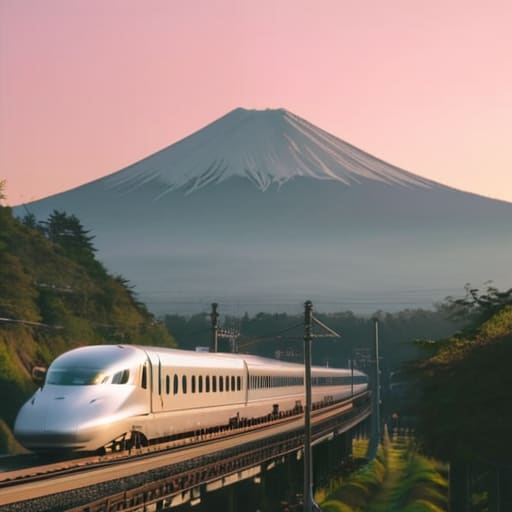
I remember sitting in Shin-Osaka station three years ago, watching a frantic traveler struggle with a mountain of colorful, confusing rail passes that had cost him more than the actual journey. He was so preoccupied with trying to “optimize” every yen that he missed the subtle, rhythmic beauty of the platform’s choreography. Most people approach shinkansen travel tips as a mathematical puzzle to be solved or a race to be won, but that is a fundamental misunderstanding of how these veins of Japan actually work. If you spend your entire trip staring at a spreadsheet of transit costs, you’ll find yourself arriving at your destination exhausted, rather than truly present.
I’m not here to sell you on expensive, unnecessary tourist gimmicks or complex loopholes that require a degree in logistics to navigate. Instead, I want to share the practical, ground-level realities I’ve gathered from years of observing these transit corridors. My goal is to provide you with straightforward, functional wisdom—the kind that helps you secure a seat with a view, manage your luggage without losing your mind, and actually feel the pulse of the country as it streaks past your window.
Table of Contents
Mastering the Smartex App Booking and Seat Reservation Guide
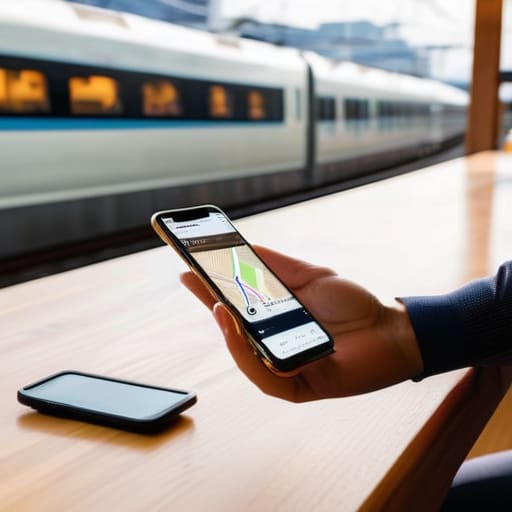
I’ve always believed that efficiency is the backbone of any successful journey, and when navigating the corridor between Tokyo and Osaka, your digital toolkit is just as vital as your physical itinerary. The smartEX app booking process can feel a bit daunting at first glance—the interface isn’t as intuitive as a Western banking app—but once you grasp its logic, it becomes an indispensable asset. I prefer setting up my account well in advance of my departure; there is a certain peace of mind that comes from knowing your seat is secured before you even step foot into the station.
When you finally reach the reservation screen, don’t just click through the options blindly. This is your unofficial shinkansen seat reservation guide in practice: if you are traveling with large suitcases, you must specifically select the “seats with oversized luggage area” option. Failing to do so is a logistical headache you want to avoid. I find that booking these specialized rows allows for a much more seamless transition from the platform to the carriage, ensuring you aren’t fumbling with heavy bags in a crowded aisle while trying to maintain proper bullet train etiquette.
Calculating the True Japan Rail Pass Value
Calculating the True Japan Rail Pass Value
After years of managing complex logistics, I’ve learned that the most efficient solution is rarely the cheapest one. Many travelers fall into the trap of assuming a JR Pass is a universal “must-buy,” but the math has shifted significantly with recent price hikes. To determine the actual japan rail pass value, you have to move beyond guesswork. I always sit down with my notebook and map out a specific itinerary—say, a trip from Tokyo to Osaka and back—and compare the individual ticket costs against the pass. If you are only traversing a single corridor, the pass often becomes an expensive anchor rather than a tool for freedom.
However, the calculation isn’t purely about the fare; it’s about the frictionless nature of the experience. If your journey involves frequent, spontaneous hops between regional hubs, the pass offers a level of logistical fluidity that individual tickets can’t match. You must also factor in the minor costs of convenience. While I personally prefer the precision of the smartEX app booking for specific legs, the pass provides a certain psychological ease when you’re navigating the deeper, more complex layers of the rail network. Always audit your route before committing your yen.
The Logistics of the Journey: Five Practicalities for the Observant Traveler
- Pack your station snacks with purpose. Rather than hunting for food amidst the frantic rush of a terminal, head to a local depachika—the basement food halls of major department stores—an hour before departure. A well-curated selection of seasonal bento and a cold tea will transform a mere transit period into a deliberate moment of reflection.
- Master the art of the oversized luggage rule. The logistics of the Shinkansen are precise, and they leave little room for error regarding space. If your suitcase is particularly large, you must book a seat with the designated “oversized baggage area” at the end of the carriage. It is a small detail, but it prevents the unnecessary friction of navigating a crowded aisle with heavy gear.
- Time your departures to catch the light. If you are traveling along the Tokaido line, aim for a morning departure heading west. If you can secure a seat on the right side of the train, the view of Mount Fuji as the landscape unfolds is a quiet, fleeting reward that no guidebook can adequately describe.
- Use the station kiosks as your second set of eyes. While digital apps are efficient, the physical ticket machines and station staff offer a layer of tactile certainty. I often find myself checking the printed departure boards several times; there is a certain peace of mind in seeing the mechanical precision of the schedule laid out in ink and light.
- Embrace the silence of the carriage. The Shinkansen is a marvel of engineering, but its true beauty lies in its social etiquette. Respect the quietude of the cabin. It is the perfect environment to open my notebook, sketch a few lines of the route, or simply watch the blur of the Japanese countryside through the glass.
The Logistics of a Seamless Journey
Prioritize the SmartEX app for flexibility; being able to adjust your seat or timing from your phone removes the friction that often disrupts a well-planned itinerary.
Don’t view the JR Pass as a mere discount card, but as a strategic tool; calculate its utility against your specific route to ensure your transit budget is working as hard as you are.
Treat the transit time itself as part of the destination; the window seat is not just a view, but a vantage point to observe the changing landscape and the quiet efficiency of the Japanese countryside.
## The Logic of the Line
“A Shinkansen ticket is more than just a reservation for a seat; it is a logistical bridge between two worlds. Don’t just focus on the arrival time; focus on the transition—the way the frantic pulse of Tokyo dissolves into the steady, rhythmic glide of the countryside.”
Rurik Salonen
The Art of the Journey
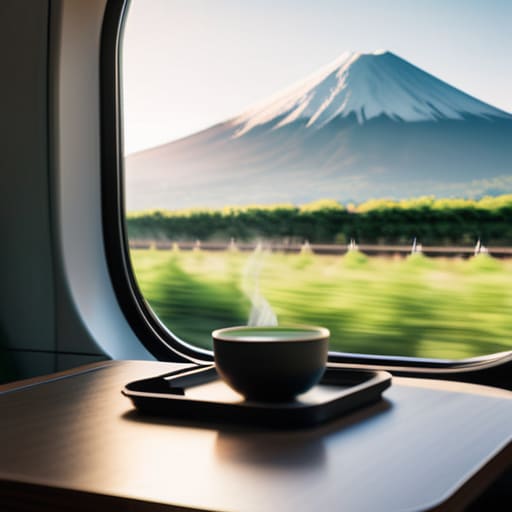
At the end of the day, navigating the Shinkansen is less about the technicalities of the SmartEX app or the math behind the JR Pass, and more about removing the friction from your itinerary. Once you have secured your seat and verified your route, the logistics fade into the background, leaving you free to actually experience the movement. Whether you are optimizing your costs or ensuring you have the perfect window seat for a view of Mount Fuji, the goal is to reach a state of operational ease. When the logistics are handled, the travel itself ceases to be a series of hurdles and becomes a seamless part of your narrative.
I often find that the most profound moments of a trip happen in that quiet space between departure and arrival. As the train hums along its track, slicing through the landscape with a precision that even my old logistics clients would envy, I encourage you to put down the guidebook. Don’t just look at the map; look at the way the light hits the rice paddies or how the station attendants move with such practiced, silent grace. The Shinkansen is more than just a high-speed link between cities; it is a vessel for observation. Use the speed to get where you are going, but use the stillness to truly see where you are.
Frequently Asked Questions
How do I manage my luggage if I'm carrying oversized bags through the busy transfer stations?
Navigating Shinkansen transfers with oversized luggage requires more than just physical strength; it requires foresight. Don’t rely on luck at the gates. When booking via SmartEX, specifically reserve a seat in the “oversized baggage area” at the end of the carriage. It gives your bags a dedicated home. When moving through stations like Tokyo or Shin-Osaka, look for the elevators—ignore the escalators. They are efficient for people, but a logistical nightmare for heavy suitcases.
Is it worth paying extra for the Green Car, or is the standard seating sufficient for a long journey?
Whether the Green Car is worth the premium depends entirely on your tolerance for the city’s friction. If you are moving a family or carrying heavy gear, the extra space and quiet are invaluable. However, for a solo traveler, I find the standard cars perfectly functional. They are efficient, clean, and part of the city’s pulse. If you want to observe the landscape without distraction, pay for the upgrade; otherwise, the standard seat is plenty.
What is the best way to handle last-minute changes to my itinerary if a connection is missed?
When a connection slips through your fingers, don’t let the friction of the moment cloud your judgment. Head straight to the nearest Midori no Madoguchi—the green ticket office. The staff there possess a quiet, practiced efficiency that can untangle even the messiest logistical knot. If the queues look daunting, find a multi-function ticket machine; they are surprisingly intuitive. Stay calm, check the next departure on the board, and remember: a delay is just a forced pause in the rhythm.
