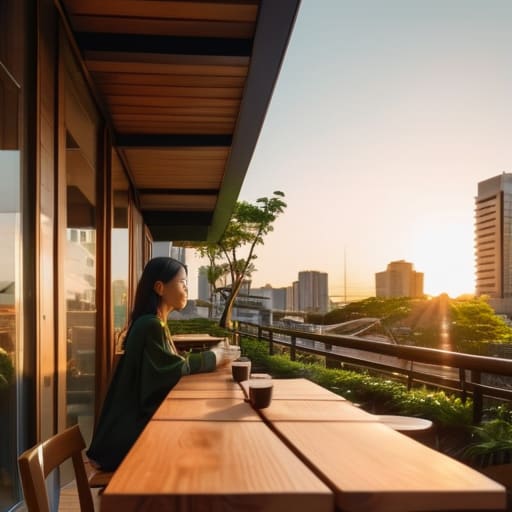
I was sitting in a crowded ramen stall in Nakasu last Tuesday, the steam from the tonkotsu broth fogging up my glasses, when I realized something. Most travel guides treat the fukuoka lifestyle like it’s some curated, aesthetic dream found only in glossy magazine spreads or overpriced cafe interiors. They focus on the bright lights and the tourist-friendly waterfront, but they miss the actual pulse of the city. They ignore the way the morning light hits the Tenjin subway entrance or the specific, quiet efficiency of a neighborhood grocery run at dusk. To understand this place, you have to look past the postcard version and find the rhythm in the mundane.
I have no interest in giving you a list of “must-see” monuments that will only result in long lines and wasted time. Instead, I want to show you how this city actually functions and how it feels to inhabit its spaces. I’ll be sharing my observations on the logistical elegance of the local transit, the hidden corners where the noise finally fades, and the small, unvarnished details that define a life lived here. This isn’t a guide for the casual sightseer; it is a blueprint for understanding the soul of Fukuoka.
Table of Contents
Navigating the Urban Rhythm and Fukuoka Urban Development
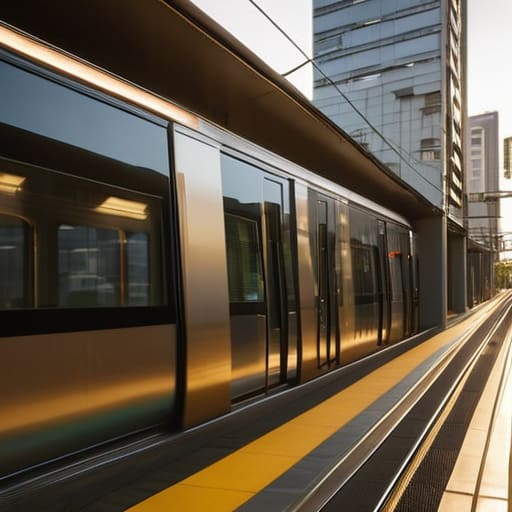
To understand how this city moves, one must look past the neon of Tenjin and observe the skeletal logic of its transit. Fukuoka is a masterclass in efficient Fukuoka urban development, where the city doesn’t just expand; it breathes through a highly integrated network of subways and buses that stitch the coast to the inland suburbs. I often find myself sitting near the window of the Kuko Line, sketching the way the skyline shifts from dense commercial hubs to the softer, more residential edges. There is a deliberate, rhythmic flow here that prevents the typical metropolitan gridlock found in Tokyo.
This structural efficiency is precisely why the Fukuoka digital nomad scene has begun to pulse with such unexpected energy. It isn’t just about the high-speed internet; it is about the seamless transition from a focused morning of work to a late afternoon spent near the water. The city offers a rare equilibrium—a sense that you are part of a growing, modern engine, yet never so far from the sea that you lose the salt air. It is a place designed for purposeful movement.
The Hakata Ramen Culture Finding Soul in Steam and Broth
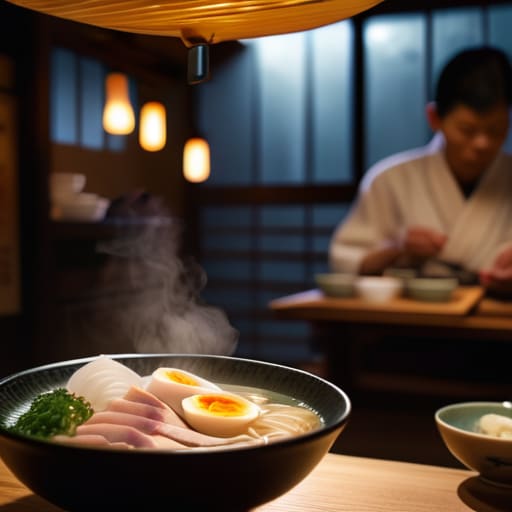
If you want to understand the pulse of this city, you don’t look at a map; you follow the scent of pork bone broth drifting from a narrow doorway. The Hakata ramen culture is more than just a culinary preference; it is the city’s social glue. I often find myself sitting on a cramped stool in a tiny shop near Hakata Station, watching the steam rise against the dim light. There is a specific, unhurried ritual to it—the way the chef handles the kaedama (extra noodles) with practiced efficiency, and how the salarymen and students sit shoulder-to-shoulder in a shared, silent appreciation of the meal.
For those considering living in Kyushu, Japan, these ramen stalls offer a glimpse into the true communal spirit of the region. It isn’t the polished, high-end dining of Tokyo that defines the local rhythm, but rather these gritty, steaming corners where the chaos of the workday dissolves into a single, savory bowl. It is in these small, humid spaces that you realize a city doesn’t just exist in its architecture, but in the shared warmth of its simplest traditions.
The Logistics of Living: Five Practical Observations on the Fukuoka Way
- Master the Nishitetsu and Subway interplay early; the city’s efficiency relies on knowing exactly when to switch from the heavy rail to the local lines to avoid the midday lull.
- Seek out the Yatai stalls not just for the food, but for the social geometry; sitting shoulder-to-shoulder in a cramped stall is the fastest way to understand the city’s communal pulse.
- Learn the subtle cadence of the Tenjin district; there is a specific window in the late afternoon when the frantic commerce softens into something much more manageable and human.
- Don’t rely solely on digital maps for the backstreets of Daimyo; keep a physical notebook or a mental map of the alleyway intersections, as the real character of the neighborhood lives in the paths the GPS often overlooks.
- Embrace the proximity to the coast; a Fukuoka lifestyle is incomplete without the discipline of escaping the urban grid for the salt air of Momochi, providing the necessary reset for a focused mind.
The Essence of Fukuoka
To understand Fukuoka, one must look past the neon and observe the seamless integration of its transit arteries and its human-scale streets.
The city’s true character is found in the sensory details—the steam of a ramen stall at dusk or the predictable, calming flow of the Nishitetsu lines.
Living well in Fukuoka means embracing a slower, more intentional rhythm that balances efficient urban design with moments of quiet, local connection.
The Pulse of the South
“Fukuoka doesn’t demand your attention with the frantic, neon-soaked urgency of Tokyo; instead, it invites you to settle into its cadence, where the efficiency of a well-oiled transit network meets the unhurried warmth of a street-side stall.”
Rurik Salonen
The Quiet Pulse of Fukuoka
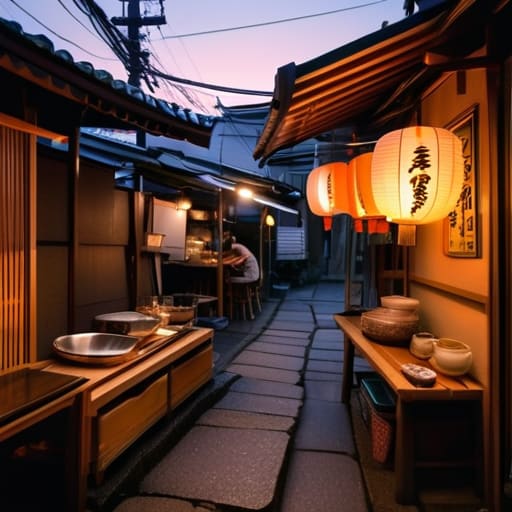
Looking back at the layers we have peeled away, it becomes clear that Fukuoka’s appeal isn’t found in a single landmark, but in the seamless integration of its parts. From the efficient, logical flow of its transit networks to the sensory, unhurried warmth of a ramen stall in a narrow alley, the city operates on a unique frequency. It is a place where high-level urban planning meets a deeply human, unpretentious way of living. You see it in the way the city breathes—balancing the momentum of a growing economic hub with the stillness of its coastal edges and the shared ritual of a steaming bowl of noodles.
If you find yourself standing on a platform at Hakata Station, watching the commuters move with practiced precision, I encourage you to look beyond the schedule. Don’t just seek the destinations; seek the rhythm of the movement itself. Fukuoka teaches us that a life well-lived isn’t about the speed at which we travel, but the quality of the moments we notice while we are in transit. Whether you are a traveler or a resident, remember that the true soul of a city is rarely found in the bright lights of the main thoroughfare, but in the quiet, functional beauty of the details that most people simply walk right past.
Frequently Asked Questions
How does the balance between the bustling Hakata business district and the more laid-back coastal areas affect the daily pace of life for locals?
It’s a study in controlled tension. In the Hakata business district, the pace is dictated by the clock—a synchronized, high-velocity movement of professionals that mirrors a well-oiled machine. But as you move toward the coast, that momentum simply dissolves. The salt air acts as a natural brake. For locals, this duality is vital; they don’t just live in one speed. They oscillate between the intense productivity of the center and the restorative, slower pulse of the shoreline.
Beyond the famous ramen stalls, what are the smaller, more subtle ways the city's food culture shapes social interactions in the evenings?
It’s in the izakayas tucked into the side streets of Tenjin, far from the neon glare. There is a specific, quiet etiquette to these spaces. You’ll see salarymen loosening their ties, sharing small plates of yakitori, and engaging in that uniquely Japanese dance of proximity—close enough to feel the communal warmth, yet respectful of the silence. These small, shared meals act as a social lubricant, softening the edges of a long workday through shared, unhurried ritual.
For someone looking to move beyond the tourist path, how do the city's transit connections influence which neighborhoods feel most authentic to live in?
In my experience, authenticity follows the periphery of the major hubs. If you live directly atop a Hakata station artery, you’re merely part of the transit flow, not the city itself. To find a neighborhood with a pulse, look for the places where the subway lines intersect with local bus networks—the secondary nodes. These transit junctions create pockets of stability where residents actually linger, rather than just passing through. That’s where the real life happens.
