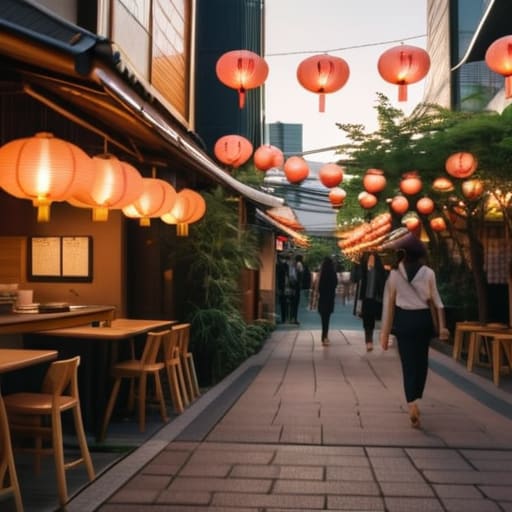
I was sitting at a cramped, wooden counter in a Nakasu yatai stall last Tuesday, the scent of rich tonkotsu broth cutting through the humid evening air, when I realized something. Most travel guides treat Fukuoka like a mere pitstop on the way to Tokyo or Osaka, a secondary thought for those who lack the time for the “big” cities. But they miss the point entirely. You don’t understand fukuoka city life by glancing at a neon-lit skyline or rushing through a curated tourist loop; you understand it when you feel the specific, rhythmic hum of a city that has mastered the art of being simultaneously compact and boundless.
I have no interest in feeding you a list of polished landmarks or overpriced gift shops. Instead, I want to show you how this city actually breathes. My goal is to pull back the curtain on the logistical elegance and the quiet, unscripted moments that define the local experience. We will look past the hype to find the functional beauty in the transit connections, the local markets, and those narrow side streets where the city’s true character resides. This isn’t a guide for the hurried; it is for those who want to truly see.
Table of Contents
Navigating the Pulse Subway Lines and Best Neighborhoods in Fukuoka
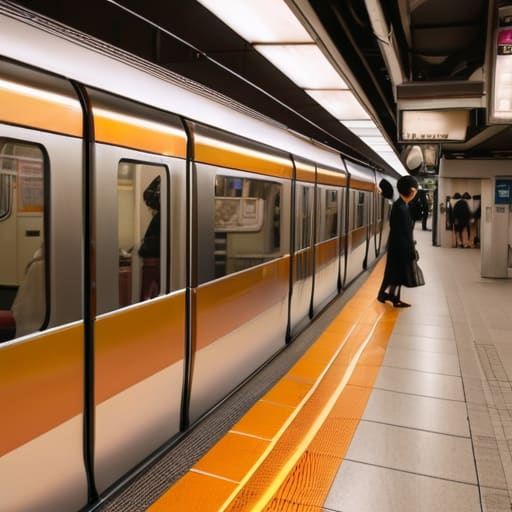
To understand how this city moves, you have to look past the surface-level tourist maps and study the Kuko and Nanakuma lines. They are the arteries of the prefecture, pumping people through the central hubs with a precision that even my old logistics firms would have envied. I find myself spending a lot of time sitting in the station corners, sketching how the flow shifts during the evening rush. If you want to find the best neighborhoods in Fukuoka, start by observing where the commuters step off the train with a sense of purpose rather than exhaustion.
Tenjin serves as the dense, electric heart, but for those seeking a different tempo, the area around Ohori Park offers a necessary reprieve. It is a masterclass in urban greenery in Fukuoka, where the wide, circular paths around the lake provide a rhythmic counterpoint to the concrete intensity of the business districts. Moving toward the coast, the pace slows even further, transitioning into a more relaxed, maritime atmosphere. It is in these shifts—from the high-speed transit of Hakata to the quiet, shaded walks near the water—that you truly begin to feel the city’s breath.
Finding Stillness Amidst the Urban Greenery in Fukuoka
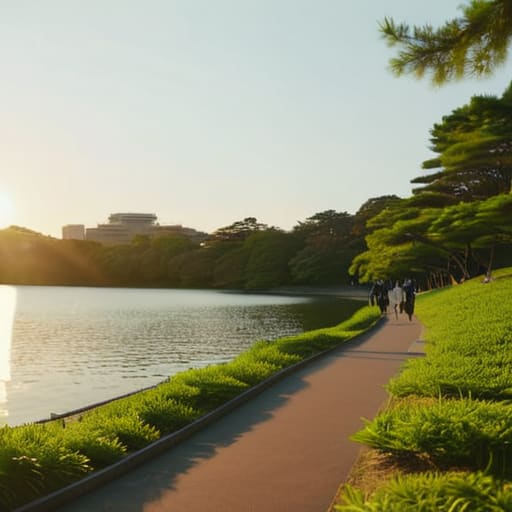
Even in a city that moves with such efficient momentum, there are moments where the gears seem to slow down. I often find myself seeking out the urban greenery in Fukuoka when the sensory input of the central districts becomes too dense. Ohori Park is the most obvious choice, but it isn’t just a park; it is a masterclass in urban planning. Watching the sunlight hit the water while the perimeter path maintains a steady, rhythmic flow of joggers and elderly walkers reminds me of the delicate balance required to keep a metropolis from feeling suffocating.
For those considering the long-term rhythm of living in Kyushu, Japan, these pockets of stillness are essential. I recently spent an afternoon tucked away near the Maizuru Park area, sketching the way the ancient stone walls of the ruins interact with the seasonal foliage. It is in these shaded, quiet transitions between the concrete and the canopy that you truly sense the city’s breath. It isn’t about the grand scale of the skyline, but rather the way the city makes room for a moment of uninterrupted reflection.
The Logician’s Guide to Living Fukuoka
- Don’t let the Yatai stalls intimidate you; they aren’t just for tourists. The real magic happens when you find a stall tucked slightly away from the main Hakata strip, where the steam from the ramen bowls creates a private sanctuary amidst the evening noise.
- Master the rhythm of the Nishitetsu Line early on. Much like the logistics chains I used to manage, the efficiency here is predictable, but you’ll find the most character in the small, unplanned stops between the major hubs.
- Carry a physical map or a dedicated notebook for the smaller bus routes. While the digital apps are functional, they often miss the subtle nuances of the local neighborhood loops that connect the residential quiet to the urban center.
- Learn the etiquette of the “quiet corner.” In Fukuoka, as in much of Japan, there is a silent social contract regarding space. Respecting the stillness in a crowded cafe or a local park is how you truly integrate into the city’s breathing pattern.
- Observe the flow of the Tenjin district during the transition from workday to evening. There is a specific, measured shift in the city’s energy—a logistical handoff from the professional world to the social one—that is worth watching from a corner window.
The Quiet Logistics of Fukuoka
To truly grasp the city, look past the neon of Tenjin and study the flow of the Kuko Line; the rhythm of the commuters tells you more about Fukuoka’s soul than any guidebook ever could.
The real magic lies in the transition between spaces—where the dense urban grid of the business districts softens into the unexpected, shaded stillness of a neighborhood park.
Don’t rush to the major landmarks; instead, allow yourself the luxury of getting lost in the side streets, where the city’s true character is found in its smallest, most functional details.
The Efficiency of a Living Organism
Fukuoka doesn’t demand your attention with neon theatrics; instead, it reveals itself in the seamless transition from a crowded subway platform to the hushed, salt-scented stillness of a coastal alleyway. It is a city that works with a quiet, rhythmic precision.
Rurik Salonen
The Quiet Rhythm of the South
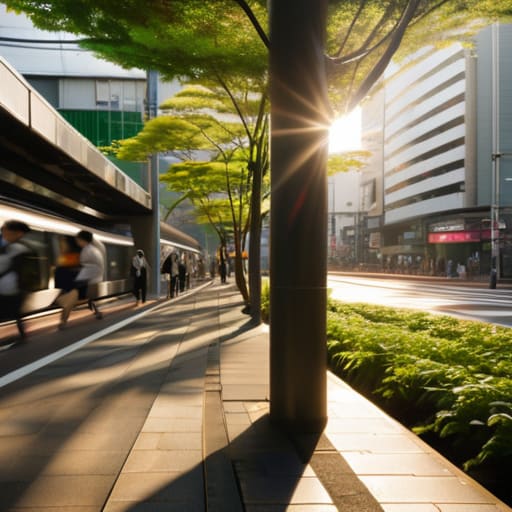
Looking back at the maps I’ve sketched and the routes I’ve traced, it becomes clear that Fukuoka is defined by its balance. It isn’t just the efficiency of the subway lines connecting the bustling hubs of Tenjin and Hakata, nor is it merely the relief found within the city’s green lungs. Rather, it is the way these elements work in tandem to create a functional, breathable urban organism. You find the city’s true character in the intersections of movement and stillness—where the frantic energy of a transit hub gives way to the deliberate, slow pace of a neighborhood park or a hidden side street.
As I pack my film rolls and close my notebook, I am reminded that a city is never a finished product; it is a continuous, living process. Fukuoka doesn’t demand your attention with loud, neon-soaked spectacles; instead, it invites you to observe the subtle mechanics of its daily life. My advice is simple: don’t rush to see everything. Instead, allow yourself to get lost in the cadence of the streets. If you listen closely enough to the hum of the city, you might just find that it is telling you exactly where it belongs.
Frequently Asked Questions
How does the flow of the city change between the morning rush and the late-night food stalls?
The transition is stark. In the morning, Fukuoka is a machine of precision—a silent, synchronized rush of commuters moving through the subway with singular purpose. But as the sun sets, that rigid efficiency dissolves. The city’s breath slows and warms. The clinical energy of the business districts gives way to the steam and laughter of the yatai stalls. It’s a shift from the logistics of movement to the logistics of connection.
Beyond the major parks, where can one find the most authentic, quiet pockets of local life?
To find the real Fukuoka, you have to step away from the main thoroughfares and look for the shotengai—the traditional shopping streets. I often find myself wandering through the smaller, residential arteries near Ohori or tucked behind the Hakata bustle. Look for the tiny, family-run coffee shops or the neighborhood shrines where the only sound is the soft hum of a passing scooter. That’s where the city’s true rhythm resides.
Is the city’s layout intuitive enough for someone who prefers walking over using the transit system?
If you’re a walker, Fukuoka is remarkably forgiving. Unlike the sprawling, disjointed chaos of some mega-cities, Fukuoka possesses a certain logical compactness. The city center feels breathable; you can drift from the neon hum of Tenjin to the waterfront without feeling swallowed by the architecture. However, I wouldn’t recommend skipping the transit entirely. While the core is walkable, the city’s true character lies in those pockets just beyond a comfortable stroll, where the rhythm shifts.
