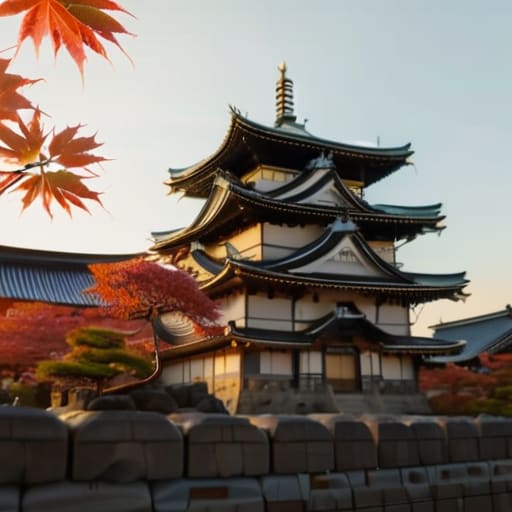
I remember sitting on a crowded Meitetsu train, my Leica heavy around my neck, watching the blur of industrial outskirts melt into the dense, rhythmic sprawl of the Chūkyō metropolitan area. Most people approach a nagoya day trip with a checklist of shiny, overpriced tourist traps, treating the city like a mere transit hub to be endured on the way to Kyoto. They miss the point entirely. They see the congestion, but they fail to see the mechanical elegance of a city that functions with the precision of a well-oiled gear, a place where the true character isn’t found in a souvenir shop, but in the quiet efficiency of its steel and stone.
I have no interest in selling you a fantasy or a curated list of “must-see” monuments that will only leave you exhausted and frustrated. Instead, I want to show you how to navigate this city with intention. My goal is to provide a practical, logistical blueprint for finding the soul of Nagoya—from the subtle flow of its transit arteries to the small, unpretentious corners where the local rhythm actually resides. This is about understanding how the city breathes, one station at a time.
Table of Contents
Tracing the Nagoya Castle History Through Stone and Shadow
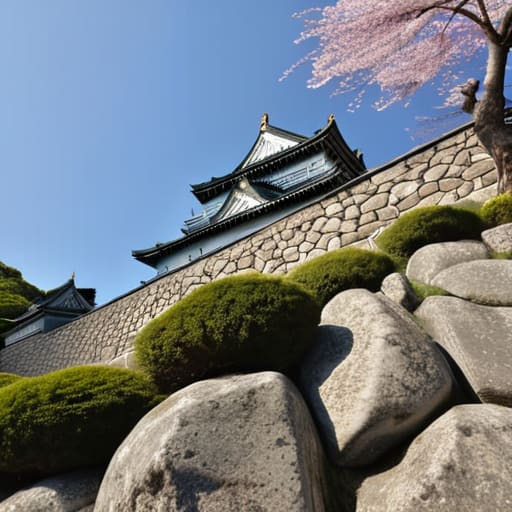
Most travelers approach Nagoya Castle with a checklist mentality, rushing toward the reconstructed main keep to snap a photo and move on. But if you sit for a moment near the massive stone foundations, you begin to understand the true weight of its Nagoya castle history. These walls, built with immense precision, are not just barriers; they are a testament to the logistical mastery required to fortify a city in the 17th century. I find myself tracing the lines of the Ishigaki—the sloping stone walls—noting how the varying sizes of the boulders reveal the sheer human effort once required to move them into place.
As the sun shifts, the shadows stretch across the Honmaru Palace, revealing textures in the wood and gold leaf that a midday crowd would miss. It is in these quiet, shifting light patterns that the castle’s soul resides. While many look for the most efficient Nagoya sightseeing itinerary, I prefer to linger here, watching how the modern city hums just beyond the moat. There is a profound, steady dignity in these stones that refuses to be hurried by the pace of the twenty-first century.
A Nagoya Sightseeing Itinerary for the Observant Traveler
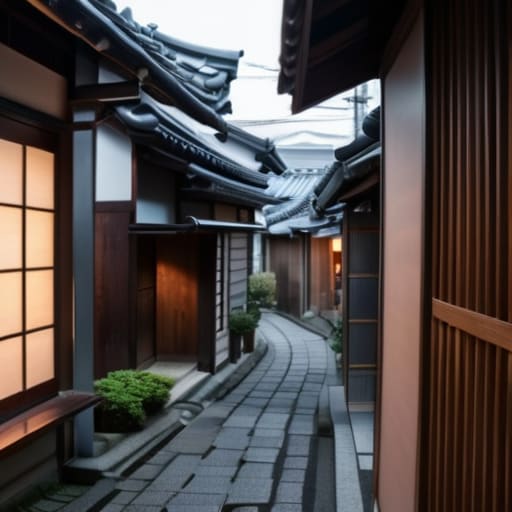
If you are looking for a structured Nagoya sightseeing itinerary, I suggest beginning your morning not at a landmark, but at a local kissaten near Nagoya Station. There is a specific, rhythmic efficiency to how the city wakes up. After a quiet coffee, head toward the Osu Kannon district. While most tourists gravitate toward the temple itself, I find more value in the interstitial spaces—the narrow lanes where traditional craftsmen still operate alongside modern tech stalls. It is a study in urban layering that most travelers miss.
By midday, shift your focus from the spiritual to the sensory. Instead of a generic food tour, seek out the specialized shops tucked behind the main thoroughfares to experience true Nagoya gourmet food. A bowl of miso katsu or hitsumabushi isn’t just a meal; it is a reflection of the region’s heavy, industrious character. As the afternoon wanes, avoid the frantic pace of the major shopping hubs and instead find a seat near a transit artery. Watching the commuters navigate the Meitetsu lines offers a better sense of the city’s functional soul than any guidebook could ever provide.
Logistics and Nuance: Five Essentials for Navigating Nagoya
- Prioritize the Meitetsu Line over the subway for your regional excursions. While the municipal subway is efficient for local hops, the Meitetsu network is the true backbone of the region, offering a more rhythmic connection to the surrounding prefectures that feels less like a commute and more like a journey.
- Carry a physical IC card, even in an era of digital convenience. There is a certain reliability in the tactile click of a card against a reader, and when you are navigating the complex interchanges of Nagoya Station, you don’t want to be fumbling with a smartphone screen while the crowd surges behind you.
- Avoid the midday rush if you intend to observe the city’s architecture. The stations are marvels of engineering, but they are best appreciated when the frantic energy of the salarymen subsides, allowing you to actually see the geometry of the transit hubs rather than just feeling their pressure.
- Seek out the ‘Kissaten’ for your midday rest. Instead of joining the queue at a modern franchise cafe, look for the older, dimly lit coffee shops tucked into the side streets. They offer a quiet, analog respite that mirrors the slower pace of the city’s history.
- Don’t mistake Nagoya for a mere transit hub between Tokyo and Osaka. The city has its own distinct tempo; if you rush through it just to reach your next destination, you’ll miss the subtle, functional beauty of its industrial layout and the quiet precision of its urban planning.
Final Observations on Nagoya’s Urban Flow
Look beyond the major landmarks; the true character of Nagoya reveals itself in the seamless coordination of its transit hubs and the quiet, functional spaces between the crowds.
Prioritize a slow pace over a checklist, allowing yourself the time to observe how the city’s historical layers interact with its modern industrial rhythm.
Use the city’s logistical backbone—its rail lines and well-mapped districts—as a guide to navigate deeper into the neighborhoods that most tourists overlook.
The Logic of the Layover
“Most people treat Nagoya as a mere waypoint, a necessary friction between Tokyo and Kyoto, but if you stop looking at the clock and start looking at the way the city’s transit arteries feed into its quietest neighborhoods, you realize it isn’t a stopover—it’s a study in functional grace.”
Rurik Salonen
The Quiet Logic of Nagoya
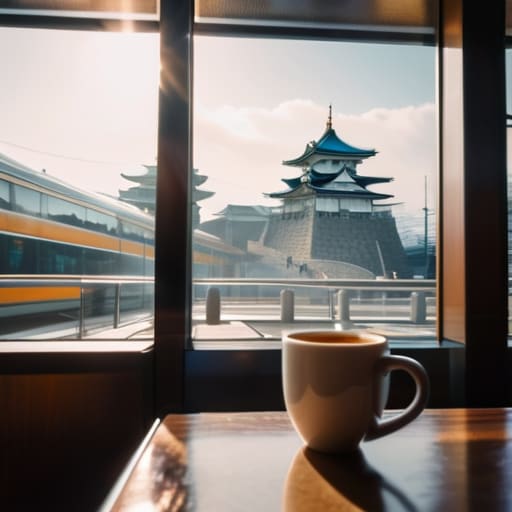
As I sit here in a small coffee shop near Nagoya Station, watching the commuters move with practiced precision through the ticket gates, I realize that a day trip here is less about the grand gestures and more about the connective tissue of the city. We have traced the heavy, silent history of the castle walls and mapped out a route that honors both the landmarks and the overlooked side streets. By focusing on the transit rhythms and the deliberate pace of the local neighborhoods, you move beyond being a mere spectator. You begin to understand how the city’s logistics and its history intertwine to create something far more substantial than a mere tourist destination.
Ultimately, Nagoya does not demand your attention with neon lights or frantic energy; it invites you to observe. If you approach your journey with a bit of patience and a keen eye for the details, you will find that the city reveals its true character in the spaces between the stops. Don’t feel pressured to see everything on the map. Instead, allow yourself to be guided by the unspoken patterns of the streets. Sometimes, the most profound way to understand a place is simply to sit still and let its quiet, functional beauty reveal itself to you.
Frequently Asked Questions
Is it more efficient to base my day trip from Tokyo or Osaka, considering the Shinkansen's logistics?
Logistically, it’s a matter of minimizing friction. If you are starting from Tokyo, you’re looking at a roughly 90-minute sprint on the Tokaido Shinkansen—a very clean, efficient corridor. However, if you’re coming from Osaka, the journey is shorter, perhaps an hour, which preserves more of your daylight for exploration. Personally, I prefer the Osaka departure; it feels less like a long-distance haul and more like a brief, purposeful movement into a new urban rhythm.
Which specific rail passes or transit cards work best for navigating the Nagoya subway and Meitetsu lines without unnecessary friction?
Don’t overcomplicate the logistics; unnecessary friction is the enemy of a good day. For the subway and Meitetsu lines, skip the paper tickets. Simply use a Suica or Pasmo—even if you’re in Nagoya—or grab a local Manaca card. They work seamlessly across both systems. If you plan on heavy movement, the one-day subway pass is efficient, but for a fluid, observational journey, a tapped IC card is your most reliable tool.
Where can I find the quietest spots for film photography once I step away from the main station hubs?
Once you step away from the frantic energy of Nagoya Station, head toward the Osu Kannon district, but avoid the main shopping arcade. Instead, wander the residential side streets where the light filters through narrow gaps between buildings—perfect for capturing high-contrast black and white film. Alternatively, the grounds of Atsuta Jingu offer a rhythmic stillness; the way the shadows fall across the shrine’s wooden structures provides a steady, meditative subject for any patient observer.
