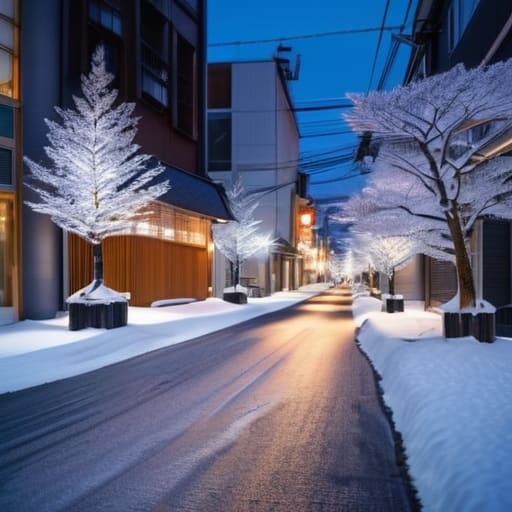
The first time I attempted Sapporo winter travel, I fell for the brochure-led trap of chasing the grandest festivals and the most crowded mountain resorts, thinking that scale equated to quality. I spent more time navigating shoulder-to-shoulder crowds and overpriced tourist traps than I did actually seeing the city. It wasn’t until I sat in a near-empty ramen stall near a quiet Nishi-ku subway station, watching the heavy snow settle on the power lines, that I realized I had been looking at the map all wrong. The true character of a Hokkaido winter isn’t found in the spectacle of a parade, but in the deliberate, frozen stillness of its residential corners and the seamless efficiency of its underground walkways.
I have no interest in selling you a fantasy of a postcard-perfect wonderland. Instead, I want to show you how to navigate this city with a logistical precision that respects both your time and your senses. In the following pages, I will share my observations on the transit rhythms that keep the city breathing under the snow and the quiet, functional beauty of the side streets that most visitors overlook. This is about understanding the mechanical heart of Sapporo during its most demanding season.
Table of Contents
- Timing the Drift Sapporo Snow Festival Dates and Beyond
- The Essential Layers Hokkaido Winter Clothing Essentials for Deep Snow
- Navigating the Whiteout: Five Logistical Realities of a Sapporo Winter
- Navigating the Frost: A Logistical Summary
- The Architecture of Winter
- The Quiet Logic of a Winter City
- Frequently Asked Questions
Timing the Drift Sapporo Snow Festival Dates and Beyond
Timing the Drift: Sapporo Snow Festival Dates and Beyond
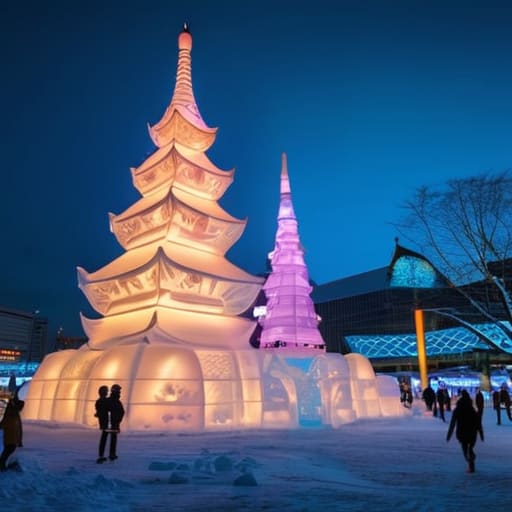
Navigating the logistics of a Hokkaido winter requires more than just a warm coat; it requires an understanding of the city’s seasonal pulse. Most travelers fixate solely on the Sapporo Snow Festival dates, usually falling in early February, hoping to catch the massive ice sculptures at its peak. While the spectacle is undeniably impressive, I’ve found that the crowds can often obscure the very quietude I seek. If you plan to attend, I suggest arriving a few days early to settle into the rhythm of the city before the heavy influx of tourists arrives.
For those looking to build a more balanced Sapporo winter itinerary, I often recommend extending your stay beyond the festival’s conclusion. Once the ice sculptures begin to thaw, the city shifts into a different, more contemplative gear. This is an ideal window to explore the local Sapporo seafood markets, where the winter catch is at its most vibrant, or to take a short train ride toward the more rugged landscapes of the north. Timing your visit to avoid the peak festival rush allows you to experience the city’s functional beauty without the constant friction of the crowds.
The Essential Layers Hokkaido Winter Clothing Essentials for Deep Snow
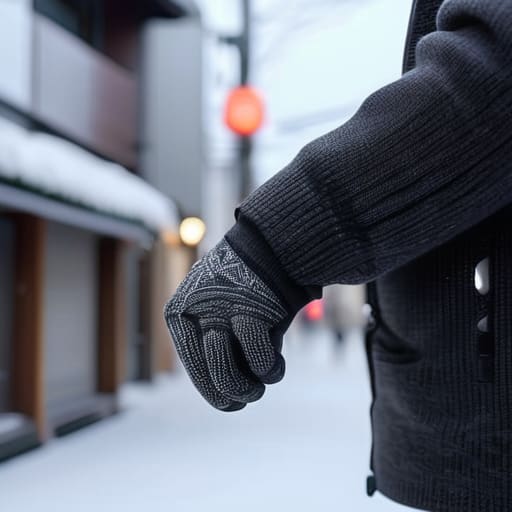
In my years of managing logistics, I learned that a system is only as strong as its weakest component. When navigating a city buried under several feet of powder, your personal thermal management becomes that critical system. I’ve found that the mistake most travelers make is prioritizing heavy, bulky coats over a disciplined layering strategy. For anyone planning a Sapporo winter itinerary, I suggest starting with a high-quality merino wool base layer. It breathes when you step into a heated convenience store and retains heat when you are standing still, waiting for the subway.
The second layer is where the true utility lies. A mid-weight fleece or a thin down vest provides the necessary insulation without sacrificing the mobility needed to navigate crowded sidewalks. Finally, your outer shell must be strictly windproof and water-resistant; the dampness of melting slush is a far greater enemy than the dry cold of the air. Beyond the clothes, do not overlook your footwear. Sturdy, waterproof boots with deep treads are non-negotiable if you intend to wander the side streets. Without them, the simple act of walking becomes a logistical struggle against the ice.
Navigating the Whiteout: Five Logistical Realities of a Sapporo Winter
- Master the underground arteries. When the wind cuts through the streets like a blade, the underground pedestrian walkways (Chika-ho) are your best friend. I’ve learned that navigating Sapporo isn’t just about knowing the streets, but knowing the tunnels that connect them, allowing you to move between Sapporo Station and Odori without ever breaking a sweat or catching a chill.
- Respect the friction—or lack thereof. The ice on the sidewalks can be deceptive, turning a simple stroll into a precarious balancing act. I always suggest investing in a pair of high-quality, detachable ice cleats for your boots. It’s a small, practical detail that transforms a stressful walk into a steady, observant journey.
- Plan for the transit delay, not just the transit time. In heavy snow, even a system as disciplined as Hokkaido’s can face minor hiccups. I’ve found that leaving twenty minutes earlier than your schedule dictates isn’t just “safe”—it’s the only way to maintain a sense of calm when the snow starts to fall heavily.
- Carry a portable power bank, even if you think your battery is full. The drop in temperature is a silent thief; it drains lithium-ion batteries at an accelerated rate. There is nothing more frustrating than reaching for your camera or your digital map only to find a black screen because the cold has sapped its life.
- Seek the warmth of the convenience stores for small logistics. Don’t overlook the local konbini for more than just snacks. They are vital hubs for quick, hot beverages and, crucially, for those disposable heat packs (kairo) that you can slip into your pockets or gloves to maintain circulation during long periods of photography.
Navigating the Frost: A Logistical Summary
Timing is everything; while the Snow Festival provides the spectacle, the true character of Sapporo reveals itself in the quieter weeks when the crowds thin and the city’s rhythm slows.
Your comfort is dictated by your layers; prioritize functional, high-quality thermal gear and sturdy, traction-heavy footwear to navigate the icy transit transitions without hesitation.
Look beyond the main thoroughfares; the most authentic experiences are found by following the subway lines to the smaller, snow-dusted neighborhoods where the city’s pulse is most steady.
The Architecture of Winter
Most travelers come to Sapporo to see the ice sculptures, but I find the real magic in the way the city recalibrates itself for the cold—the way the subway rhythm changes, the way the heavy snow muffles the usual urban roar, and how a single, well-lit corner in a quiet alleyway can feel more profound than any grand monument.
Rurik Salonen
The Quiet Logic of a Winter City
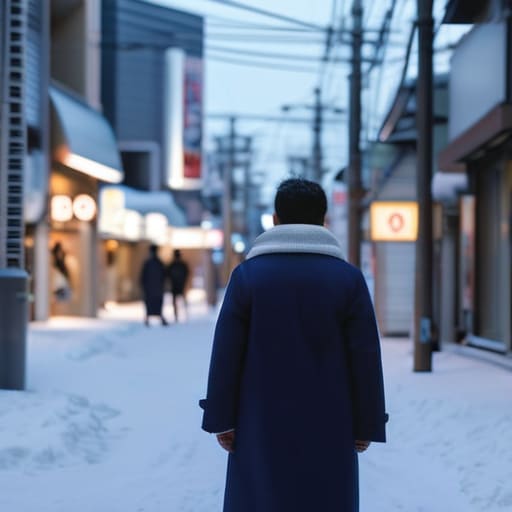
Navigating Sapporo in the depths of winter requires more than just a map; it demands a certain level of logistical preparation and respect for the elements. We have discussed the necessity of timing your arrival around the Snow Festival to catch the city at its most expressive, and the vital importance of layering your clothing to manage the transition from the biting wind to the sudden, dry warmth of a subway station. When you respect the rhythms of the season and prepare for the physical realities of the deep snow, the city ceases to be an obstacle and instead becomes a structured, navigable landscape that reveals its true character to those willing to look.
As I sit here, sketching the intersection of a frozen street corner in my notebook, I am reminded that the best way to experience Hokkaido is to stop fighting the cold and start observing how it shapes the world. Do not rush through the transit hubs or scramble toward the major landmarks just to say you were there. Instead, find the small, quiet moments—the way a streetlamp glows against a fresh drift or the steady, mechanical hum of a snowplow in the distance. If you move with deliberate patience, you will find that Sapporo’s beauty lies not in its grand spectacles, but in the quiet, functional grace of a city breathing through the frost.
Frequently Asked Questions
How do I navigate the transit connections between Sapporo's central hubs and the more remote, snow-heavy outskirts?
Navigating the outskirts requires more than just a transit card; it requires patience. While the Sapporo subway is a model of efficiency, reaching the snow-heavy fringes means transitioning to the JR lines. I always check the local weather reports before heading out—heavy drifts can delay the suburban trains unexpectedly. I find it best to carry a physical map or a printed schedule in my notebook; digital signals can be fickle when you’re deep in a blizzard.
Are there specific quiet pockets or smaller neighborhood shrines worth visiting to escape the festival crowds?
When the crowds at Odori Park become a logistical bottleneck, I head toward the Maruyama area. The Maruyama Park surrounds a quiet, forested shrine that feels worlds apart from the festival’s neon pulse. Alternatively, wandering through the residential streets of Nakajima Park offers a more rhythmic, local experience. There is a particular stillness in those smaller neighborhood shrines—a sense of the city breathing deeply while the rest of the world is busy making noise.
What is the most practical way to manage heavy camera gear and film supplies while moving through the deep snow?
When the snow reaches your ankles, weight becomes your enemy. I’ve learned the hard way that a heavy shoulder bag is a recipe for a sore back and a lost balance. I opt for a rugged, weather-sealed rolling case for my main kit, but for moving through crowds, a compact, padded backpack is superior. Keep your film in a dedicated, insulated pouch close to your body; the warmth of your core is the best defense against moisture and cold.
