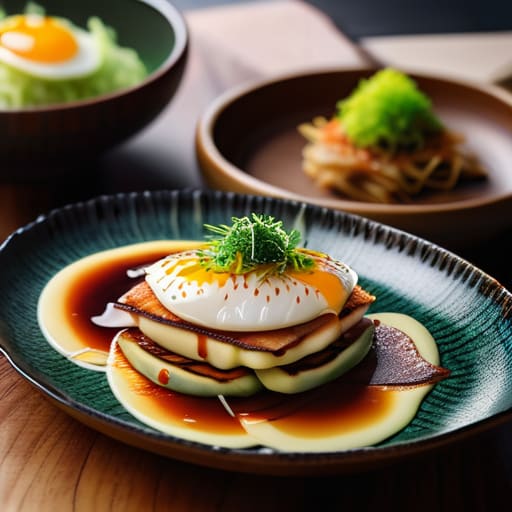
I remember sitting in a cramped, steam-heavy stall near Umeda, my leather notebook open on my knee, watching a chef work with a precision that would have made my old logistics colleagues weep with envy. I wasn’t looking at a menu; I was watching the rhythm of the batter. Most guidebooks will try to sell you a polished, sanitized version of Japanese cuisine, but they often fail to capture how much the geography of a single meal dictates its soul. If you’re looking for a textbook definition, you’ve come to the wrong place, but if you want to understand how okonomiyaki regional styles actually function as a reflection of local identity, then you’re in the right seat.
I have no interest in chasing culinary trends or overpriced tourist traps that prioritize plating over substance. Instead, I want to walk you through the functional differences—the structural logic of the Osaka-style batter versus the layered, disciplined approach of Hiroshima. My goal is to strip away the marketing fluff and give you a grounded perspective on what makes these dishes unique. We aren’t just talking about ingredients; we are tracing the cultural blueprints of the cities themselves.
Table of Contents
Kansai vs Hiroshima Okonomiyaki Two Cities Two Souls
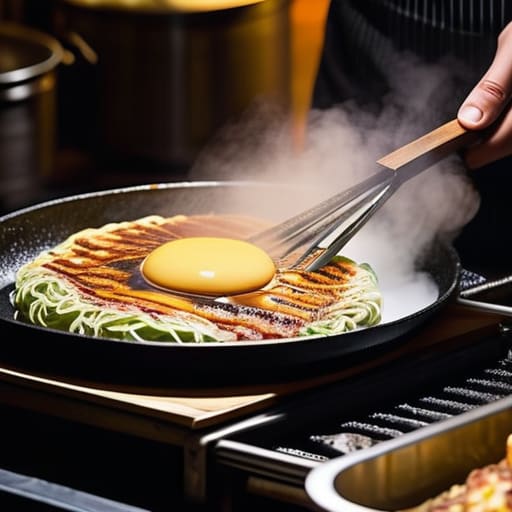
If you sit at a crowded counter in Osaka, you’ll see the Kansai approach in motion: a chaotic, beautiful blend of ingredients. Here, the batter, shredded cabbage, and various proteins are mixed together before they ever touch the iron. It’s a singular, cohesive mass that relies heavily on the quality of the teppanyaki cooking techniques used by the chef to create a crispy exterior. There is a certain honesty to it—a dense, comforting weight that mirrors the frantic, high-energy pulse of the city itself.
Travel east to Hiroshima, however, and the entire logic of the dish shifts. Instead of mixing, the chef builds the pancake in distinct, meticulous layers, most notably by steaming a bed of cabbage atop a thin crepe and adding a substantial layer of yakisoba noodles. It is a structural marvel, almost an architectural feat. This distinction in Kansai vs Hiroshima okonomiyaki isn’t just about the order of operations; it’s about how each city views its food. One is a unified burst of flavor, while the other is a disciplined, layered progression of textures.
Tracing Savory Japanese Pancake Variations Through Local Alleys
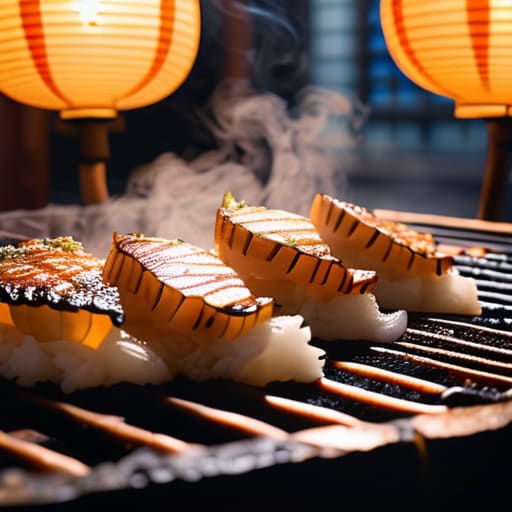
While the heavyweights of Osaka and Hiroshima often dominate the conversation, the true depth of Japanese street food culture reveals itself in the smaller, more localized deviations. I’ve found that if you step away from the main thoroughfares and follow the scent of toasted batter into a narrow side street, the rules begin to shift. In some coastal towns, you might notice a heavy emphasis on fresh seafood—squid or scallops sourced that very morning—which alters the fundamental texture of the batter. These aren’t just variations; they are reflections of the local geography.
I often sit at a cramped counter, watching the chef’s hands move with a precision that reminds me of the logistics managers I used to work with. It’s all about the sequence. Whether they are layering ingredients or folding them into a dense, cabbage-heavy base, the teppanyaki cooking techniques used are often passed down through generations without a single written manual. Each shop has its own secret, a slight tweak to the traditional okonomiyaki sauce recipes or a specific way of layering the bonito flakes, creating a sense of place that no guidebook could ever truly capture.
Navigating the Griddle: A Few Lessons from the Counter
- Don’t expect uniformity. If you approach a meal in Osaka with the rigid expectations of a Hiroshima diner, you’ll miss the point entirely. Treat each regional style as its own logistical system—one built on mixing, the other on layering.
- Follow the steam, not the neon. The most authentic variations aren’t found in the flashy establishments near the main stations, but in the cramped, specialized shops tucked away in the side streets where the recipe hasn’t changed in forty years.
- Observe the rhythm of the chef. Much like a well-oiled supply chain, a master okonomiyaki cook operates with a precise, economical movement. Watching how they manage the heat and the flip tells you more about the dish than any menu ever could.
- Embrace the sensory chaos. The smell of toasted batter and the rhythmic clacking of metal spatulas against the iron griddle are part of the experience. If you’re looking for a quiet, sterile dining room, you’re in the wrong place.
- Keep an open mind about the “correct” way. There is no singular standard for a perfect pancake; there is only the local truth of the ingredients and the specific way a community has chosen to feed itself.
The Essence of the Regional Plate
Regional okonomiyaki is less about a recipe and more about a city’s logistical identity; whether it is the layered architecture of Hiroshima or the integrated batter of Osaka, the method reflects a local rhythm.
To truly understand these variations, you must move past the tourist-heavy storefronts and find the small, steam-filled stalls where the chef’s movements are as precise as a transit schedule.
The soul of the dish lies in the details—the specific crunch of the cabbage, the thickness of the sauce, and the way a single meal can tell you exactly where you are standing in the Japanese urban landscape.
The Logistics of Flavor
To the untrained eye, it’s just a pancake, but to me, the distinction between a layered Hiroshima style and a mixed Kansai batter is a lesson in local architecture; it is the difference between a city built on stacked, structural precision and one defined by a seamless, integrated flow.
Rurik Salonen
The Last Bite and the Long View
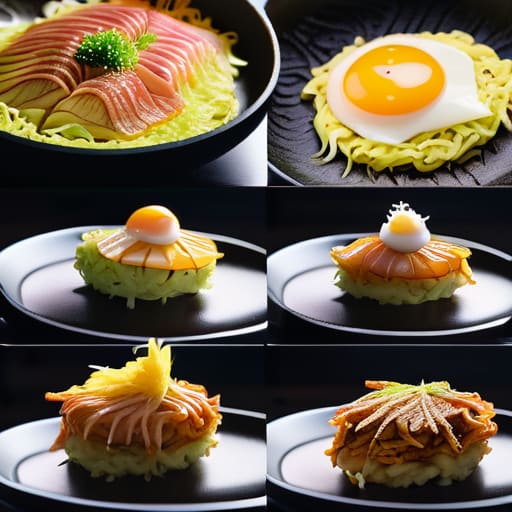
In the end, whether you find yourself seated at a crowded teppan in Osaka or tucked into a quiet corner of Hiroshima, you aren’t just eating a meal; you are consuming a map of local identity. We have seen how the layered, structured approach of Hiroshima stands in stark contrast to the integrated, soulful batter of the Kansai style. These aren’t merely culinary preferences; they are the results of decades of logistical necessity and cultural pride, etched into the very way ingredients are layered and heated. To understand the difference is to understand how each city prioritizes its own rhythm, turning a simple pancake into a testament of regional history.
As I close my notebook and prepare for my next train ride, I am reminded that the true essence of Japan rarely resides in the grand, polished monuments of the city center. Instead, it lives in these small, steaming moments of connection—the rhythmic scrape of a spatula against iron and the shared warmth of a narrow alleyway. Don’t rush through your journey just to see the sights. Slow down, find a seat at a local counter, and let the city speak to you through its flavors. After all, the most profound truths are often found in the details we almost missed.
Frequently Asked Questions
If I'm traveling between Osaka and Hiroshima, is there a specific way to ask for a style without sounding like a confused tourist?
Don’t worry about the terminology too much; the chefs know the divide well. If you want to avoid looking lost, simply ask, “Hiroshima-fu desu ka?” (Is it Hiroshima-style?) or “Kansai-fu desu ka?” (Is it Kansai-style?). Honestly, though, a more natural way is to just look at the grill. If they are layering ingredients one by one, you’re in Hiroshima. If they’re mixing it all together, it’s Kansai. Let the rhythm of the kitchen guide your order.
Beyond the main ingredients, how much does the actual cooking method—the heat of the teppan versus a home stove—change the experience?
The difference is profound. A home stove offers a gentle, controlled heat, but it lacks the soul of a professional teppan. On a heavy iron griddle, the heat is relentless and even, creating that essential, Maillard-driven crust that a domestic pan simply cannot replicate. There’s a specific, rhythmic sizzle you only hear in those cramped izakayas—a heat that doesn’t just cook the batter, but sears the very essence of the ingredients into the surface.
Are there smaller, more obscure regional variations I should look for if I find myself wandering into the quieter prefectures?
If you find yourself drifting toward the more rural prefectures, look for the outliers. In places like Tochigi, you might stumble upon modan-yaki, a heavy, nostalgic nod to the Showa era. Further south, in parts of Kyushu, the textures shift—often lighter, sometimes incorporating local seafood that speaks to the coastal proximity. Don’t look for them on major station menus; look for the hand-painted signs in the quiet, back-alley shops where the rhythm of the spatula feels more like a heartbeat than a performance.
