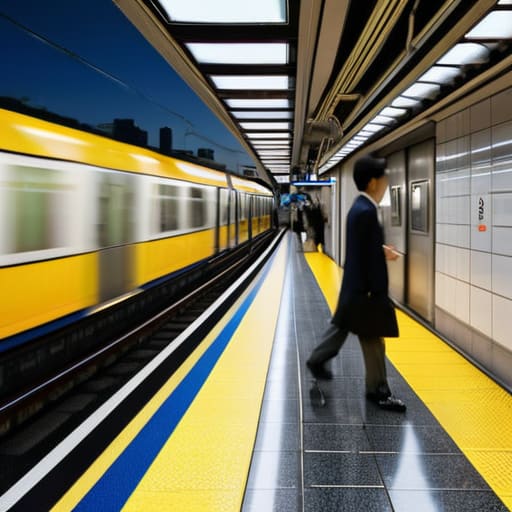
I remember standing on the platform at Shinjuku Station last October, the air thick with the scent of ozone and damp concrete, watching a sea of dark suits move with a precision that felt almost surgical. Most travel guides will tell you that the tokyo subway system is a marvel of modern engineering, but they often fail to mention the sheer, overwhelming complexity of it—the way the lines overlap like tangled thread until you feel utterly lost in the subterranean labyrinth. I spent thirty years managing supply chains, so I have a low tolerance for inefficiency, yet even I found myself staring at the digital displays, trying to decipher which specific artery would actually carry me to the quiet corner of the city I was seeking.
I have no interest in giving you a sanitized, tourist-friendly lecture on how to buy a basic pass. Instead, I want to show you how to read this city. My goal is to strip away the confusion and provide you with a practical, logistical framework for navigating these tunnels with confidence. We are going to look past the bright signage and focus on the functional logic of the routes, ensuring you spend less time staring at a map and more time observing the quiet, rhythmic pulse of Tokyo.
Table of Contents
Decoding the Pulse Tokyo Metro vs Toei Subway
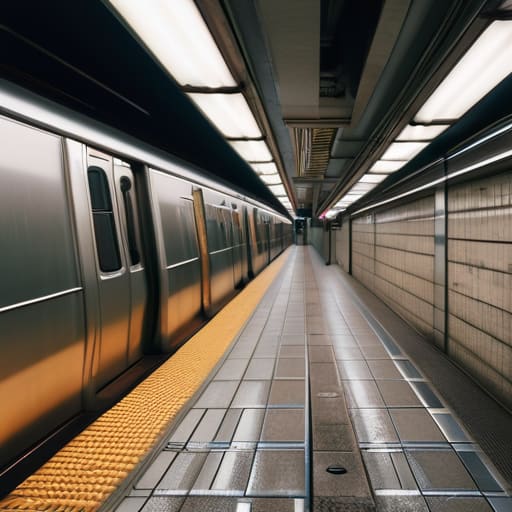
At first glance, the underground labyrinth feels like a singular, monolithic entity, but for those of us who prefer to study the mechanics of a city, the distinction between the Tokyo Metro vs Toei Subway is vital. The Tokyo Metro is the larger, more expansive network, weaving through the commercial heart of the city with a certain polished efficiency. The Toei lines, by contrast, feel slightly more utilitarian, often serving the deeper, more residential pockets of the metropolis. They are two separate gears in the same clockwork mechanism, and if you aren’t paying attention, you might find yourself caught in a logistical hiccup during a transfer.
Navigating these two distinct systems becomes significantly smoother once you master the art of understanding transfer stations. I’ve found that the most seamless transitions happen when you look closely at the floor markings and color-coded lines that guide the flow of passengers. To avoid the friction of multiple fare calculations, I always rely on consistent Suica and Pasmo usage; having a single smart card eliminates the need to pause and deliberate at a ticket machine when you are trying to maintain the rhythm of your journey.
The Language of the Rails English Signage Subway Stations
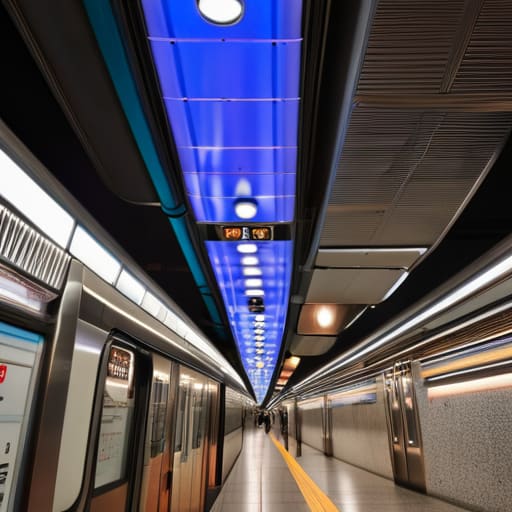
Navigating a labyrinthine network can feel daunting, but the city offers a silent reassurance through its visual cues. I’ve found that the english signage subway stations are remarkably intuitive, designed with a logic that respects the traveler’s need for clarity. Every platform, corridor, and exit is meticulously labeled, often using color-coded lines and alphanumeric station numbers that act as a compass. Even when the kanji becomes a blur of ink to an outsider, the English translations remain steady and reliable, guiding you toward your destination without the need for constant interrogation of a map.
However, the real skill lies in reading between the lines—or rather, between the signs. While the labels tell you where you are, the subtle directional arrows and floor markings tell you how to move. I often find myself pausing at complex junctions, observing how the signage manages the flow of thousands of bodies. Understanding transfer stations becomes less about reading words and more about recognizing the rhythmic patterns of the symbols. It is a quiet, choreographed dance of information that ensures even the most lost traveler can find their way home.
The Logistics of Movement: Five Rules for Navigating the Labyrinth
- Invest in a Suica or Pasmo card immediately. I’ve found that fumbling with individual tickets at a machine is a logistical error that breaks your rhythm; a single tap of a digital or physical card keeps your momentum intact.
- Master the art of the “transfer walk.” In a system this vast, the transition between lines is often a journey in itself. Don’t rush blindly; look for the color-coded floor markings that guide you through the subterranean corridors.
- Watch the floor, not just the signs. In the busiest stations like Shinjuku or Shibuya, the most efficient way to navigate is to observe the flow of the commuters. The painted lines on the ground are more reliable than any frantic glance at a hanging map.
- Use the “Last Train” as your boundary. The Tokyo network operates on a precise, finite schedule. I always check the final departure times for my specific line in my notebook before settling into a quiet corner for a coffee; there is nothing quite as jarring as being stranded in a silent station at midnight.
- Embrace the quiet of the off-peak hours. If you want to actually observe the architecture of the stations or the way the light hits the tiles, avoid the 8:00 AM rush. The system is most beautiful when it isn’t being strained by the weight of a million commuters.
Observations from the Platform
Don’t mistake complexity for chaos; the distinction between Metro and Toei lines is a logistical puzzle that, once solved, becomes the key to navigating the city’s rhythm.
Trust the signage, but rely on your eyes; the English translations are reliable, yet the true flow of the station is found in watching how the commuters move.
A transit card is more than a convenience—it is your passport to the city’s quietest corners, allowing you to step off a train and into a world most travelers never see.
The Geometry of Motion
“Most people see the Tokyo subway as a mere means to an end, a way to get from point A to point B. But if you watch closely, you see it is something much more profound: a living, breathing circulatory system that dictates the very rhythm of the city’s heart.”
Rurik Salonen
The Rhythm of the Rails
Navigating this labyrinth requires more than just a digital map; it demands an appreciation for the distinction between the Metro and Toei lines, and a keen eye for the English signage that guides you through the subterranean maze. While the sheer scale of the network can feel overwhelming to the uninitiated, once you grasp the underlying logic of the routes and the way the stations are categorized, the chaos begins to subside. You realize that the system isn’t just a collection of tunnels and tracks, but a highly calibrated machine designed to move millions with almost surgical precision. Understanding these nuances is what transforms a stressful commute into a seamless flow through the heart of the metropolis.
As I sit here in a quiet corner of a station platform, watching the commuters move with a rhythmic, practiced grace, I am reminded that the subway is where the city truly reveals itself. It is in these transitions—the brief moments between the rush of a closing door and the silence of an empty car—that you find the soul of Tokyo. Don’t just use these lines to get from point A to point B; allow yourself to get lost in the mechanical poetry of it all. If you look closely enough at the details most people ignore, you will find that the subway is not just a way to travel, but the very beating heart of the city itself.
Frequently Asked Questions
How do I navigate the complex transfers between the different private rail lines and the subway networks without getting lost?
The secret isn’t in memorizing every line, but in mastering the transfer nodes. When switching from a private line like Odakyu to the Tokyo Metro, look for the color-coded floor markings and the overhead signage that indicates “Transfer.” I always keep my eyes on the station numbers—those alphanumeric codes are more reliable than names when the crowds thicken. Don’t rush. Find a quiet corner, check your map, and let the logic of the layout reveal itself.
Is it worth investing in a physical IC card, or has the digital payment system become the standard for most commuters?
I’ve spent my life looking at efficiency, and while the digital shift is undeniable, I still find myself reaching for a physical Suica or Pasmo. There is a tactile reliability to a card that a smartphone, with its inevitable battery drain or software glitch, simply cannot match. If you prefer the seamlessness of Apple Pay, by all means, use it. But for the traveler who values a failsafe, there is still a quiet dignity in the physical card.
What are the best times to avoid the peak-hour rush if I want to actually observe the city rather than just being swept along by the crowd?
If you want to observe rather than just survive, you must avoid the window between 7:30 and 9:30 AM. The commuters move with a singular, relentless purpose that leaves no room for a lingering gaze. I find the best light and the quietest carriages occur between 10:30 AM and 3:00 PM. That mid-day lull is when the city breathes; it’s when you can actually notice the subtle textures of the stations.
