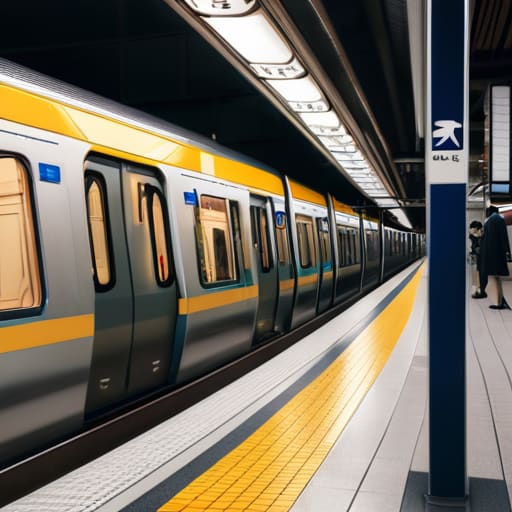
I remember standing at the mouth of Shinjuku Station last autumn, clutching my notebook and feeling the sheer, overwhelming weight of ten thousand souls moving in unison. Most people see the labyrinthine tunnels and the flashing digital displays as a source of anxiety, but to me, they represent the most sophisticated circulatory system ever designed. If you search for a tokyo subway guide online, you’ll likely find a dizzying array of colorful maps and overpriced transit passes that promise to “simplify” your life, yet they often miss the logistical reality of how this city actually functions.
I’m not here to sell you on the tourist-friendly highlights or the most expensive way to get from point A to point B. Instead, I want to offer you a way to navigate these veins with precision and calm. My goal is to provide a practical, no-nonsense framework for understanding the lines, the transfers, and the quiet logic beneath the concrete. We aren’t just looking for directions; we are looking for the rhythm of the city, ensuring you move through Tokyo not as a confused spectator, but as a seasoned observer.
Table of Contents
Navigating the Veins Tokyo Metro vs Toei Subway
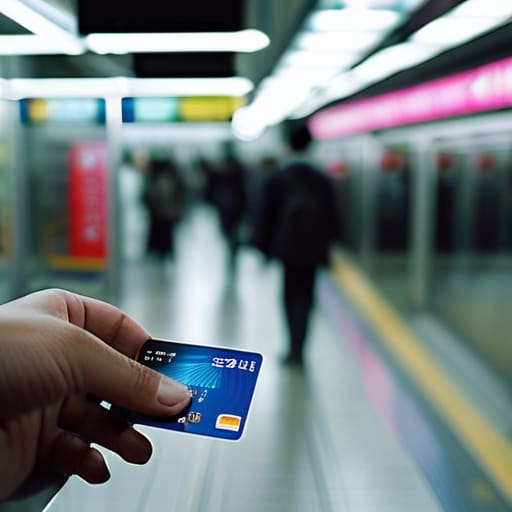
To the uninitiated, the sheer density of the underground network can feel like a logistical fever dream. However, the first hurdle is distinguishing between the two primary operators: Tokyo Metro vs Toei Subway. While they share the same tracks in some stretches, they are distinct entities with different fare structures. I’ve found that the most seamless way to manage this complexity is through consistent Suica or Pasmo card usage; these rechargeable smart cards act as a universal key, smoothing over the friction of switching between the two systems without the need to fumble for individual tickets at a kiosk.
Navigating these layers requires more than just a glance at a screen. While I often rely on Google Maps for Tokyo transit to plot my most efficient routes, I find that truly mastering the system comes from understanding subway color coding. Each line possesses a distinct hue and letter designation—a visual shorthand that prevents you from wandering aimlessly through a labyrinth of concrete. When you are transferring between train lines, look for those colored markers on the floor and pillars; they are the quiet, functional signals that keep the city’s massive circulatory system from collapsing into chaos.
The Silent Language of Understanding Subway Color Coding
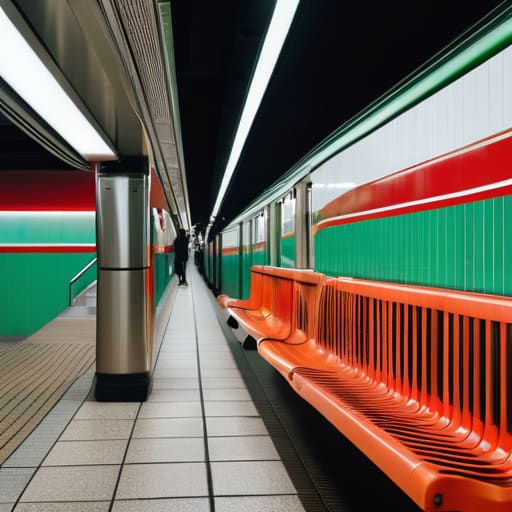
When I first stepped into Shinjuku Station, the sheer volume of signage felt less like a guide and more like a sensory assault. It was only after sitting on a wooden bench, watching the commuters move with practiced precision, that I realized the system isn’t meant to be read—it’s meant to be felt. Understanding subway color coding is the first step toward finding your rhythm in this labyrinth. Each line carries a distinct visual identity, from the deep crimson of the Marunouchi Line to the vibrant green of the Ginza Line. These aren’t just aesthetic choices; they are the shorthand of the city, allowing you to navigate complex interchanges without ever having to break your stride.
I’ve found that once you stop squinting at the kanji and start looking for those specific hues on the floor tiles and pillar wraps, the anxiety of transferring between train lines begins to dissipate. It turns a chaotic scramble into a predictable, almost meditative, flow. You learn to watch for the colored strips on the platform edges, letting the visual cues guide you toward the correct carriage before the doors even slide open.
The Logistics of Flow: Five Practical Rules for the Discerning Traveler
- Don’t bother with paper tickets for every single leg of your journey; they are a logistical headache. Get an IC card—Suica or Pasmo—and let the contactless sensor do the work. It turns the friction of fare calculation into a seamless transition, allowing you to focus on the architecture rather than the vending machine.
- Learn to respect the rhythm of the platform. There are markings on the ground for a reason; they dictate where the queue begins and ends. In my years of managing supply chains, I learned that efficiency is born from order. If you stand behind the line and wait for the crowd to exit before you board, you’ll find the commute much more civil.
- Download an offline map, but keep your eyes up. While Google Maps is an indispensable tool for calculating transfer times, it can make you a walking obstacle. I prefer to study the station layout for a moment, find my bearings, and then move with intention rather than wandering aimlessly while staring at a glowing screen.
- The “Last Train” is a real deadline, not a suggestion. Unlike many Western cities where transit might run sporadically through the night, Tokyo’s system has a definitive heartbeat that stops around midnight. If you miss that final connection, you aren’t just late—you’re looking at an expensive taxi ride or a long night in a station cafe.
- Embrace the quietude of the off-peak hours. If you can, schedule your major movements between 10:00 AM and 4:00 PM. The rush hour is a masterclass in density, but the midday lull offers something better: a chance to observe the subtle details of the station design and the quiet, functional beauty of a city in motion.
Lessons from the Platform
Don’t let the complexity intimidate you; view the different operators not as a single confusing web, but as distinct, specialized systems that require a bit of mental compartmentalization.
Master the visual shorthand of color and letter coding early on, as it allows you to navigate by instinct rather than constantly squinting at a digital screen.
Use the transit rhythm to your advantage by observing the flow of the crowd, letting the collective movement of the city guide you toward your destination.
## The Logic of the Labyrinth
“A map tells you where the lines go, but it doesn’t tell you how to feel the rhythm of the city; you don’t truly master the Tokyo subway until you stop fighting the complexity and start listening to the flow of the crowd.”
Rurik Salonen
Beyond the Ticket Gate
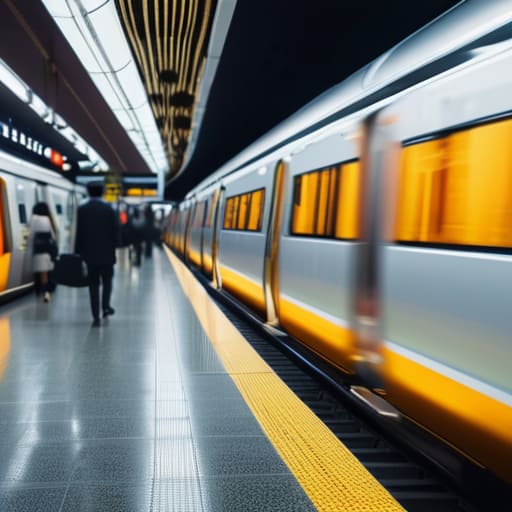
As you prepare to step into the labyrinth, remember that mastery of this system isn’t just about knowing whether you are boarding a Tokyo Metro or a Toei line. It is about respecting the logic of the color coding and understanding how these various networks intersect to form a single, breathing organism. Don’t let the sheer scale of the stations intimidate you; instead, treat the maps as a blueprint for discovery. Once you grasp the basic mechanics of the transfers and the subtle differences in the operators, the friction of navigation begins to melt away, leaving you free to focus on what actually matters.
In the end, I have found that the most profound moments in Tokyo rarely happen at the surface level of the neon-lit crossings. They happen in the quiet pauses between transfers, or in the steady, predictable rhythm of a train gliding toward a residential suburb at twilight. Don’t just use the subway to get from point A to point B; use it to observe the unspoken choreography of a city in constant motion. If you look closely enough, you’ll realize that the transit system isn’t just a way to travel—it is the very heartbeat of the metropolis, and once you find its rhythm, you are no longer a stranger, but a witness to its truth.
Frequently Asked Questions
How do I handle the physical transition between the different subway operators without getting lost in the station transfers?
The transition between operators is where most travelers lose their footing, but it’s manageable if you stop rushing. When you exit a Metro gate to enter a Toei zone, treat it as a fresh start. Don’t just follow the crowd; look upward. The overhead signage is your lifeline. I’ve learned to pause at the transfer junctions, consult my notebook, and find the specific color-coded path before moving again. Slow down, and the way will reveal itself.
Is it more efficient to rely on a physical map in my notebook or should I trust the digital navigation apps for real-time updates?
I’ll give you a straight answer: use both, but for different reasons. Digital apps are indispensable for real-time updates—delays and platform changes happen in a heartbeat, and you need that data. However, don’t abandon the notebook. Relying solely on a screen makes you a passenger; sketching the lines in your own hand makes you a navigator. Use the app to stay on schedule, but use the map to understand where you actually are.
What is the most practical way to manage fare payments to avoid the friction of individual ticket machines during rush hour?
If you find yourself standing before a ticket machine while the rush-hour crowd surges behind you, you’ve already lost the battle. To maintain your composure, skip the machines entirely. Get an IC card—Suica or Pasmo—and load it with a bit more yen than you think you’ll need. The seamless tap of a card against the reader is the only way to move with the city’s rhythm rather than fighting against it.
