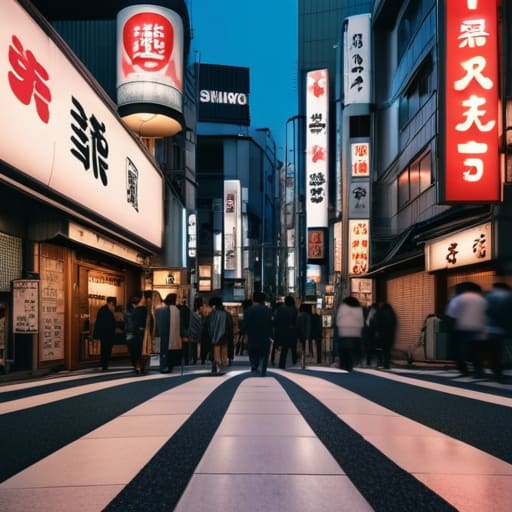
I was sitting in a cramped corner of a Shinjuku station cafe last Tuesday, watching a sea of tourists scramble toward the bright lights of Shibuya, clutching their glossy guidebooks like shields. They were all looking for the same neon-soaked landmarks, completely oblivious to the fact that they were missing the actual soul of the city. Most people treat tokyo neighborhoods like a checklist of famous intersections and shopping districts, but that’s a logistical error. If you only chase the hype, you aren’t traveling; you’re just participating in a highly choreographed performance that leaves you feeling more exhausted than inspired.
I have no interest in selling you on the polished, postcard version of this metropolis. Instead, I want to show you how to read the city’s map through its rhythms and its quiet, functional corners. In the following pages, I will skip the tourist traps and focus on the underlying logic of where people actually live, work, and breathe. My goal is to provide you with a grounded, no-nonsense guide to navigating different tokyo neighborhoods based on their character, their transit connectivity, and the small, steady truths they offer to those willing to look closer.
Table of Contents
- The Transit Veins Navigating Shibuya vs Shinjuku Lifestyle
- Urban Planning and the Cityscapes Hidden Rhythms
- The Logistics of Belonging: Five Principles for Choosing Your Corner of Tokyo
- The Logistics of Living: Lessons from the Tokyo Streets
- The Geometry of Belonging
- Finding Your Own Rhythm
- Frequently Asked Questions
The Transit Veins Navigating Shibuya vs Shinjuku Lifestyle
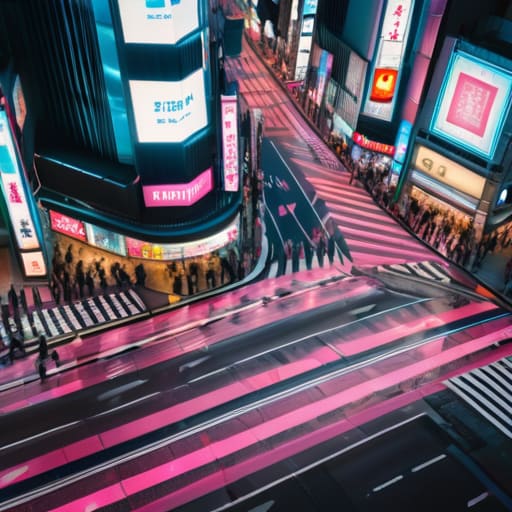
To understand the friction between Shibuya and Shinjuku, you have to stop looking at the skyscrapers and start looking at the flow of the people. In my years managing logistics, I learned that a hub is defined by its exits and its velocity. Shibuya is a tidal force; it is a place of constant, swirling movement where the Shibuya vs Shinjuku lifestyle becomes immediately apparent. It feels youthful, almost frantic, driven by a consumerist energy that never quite settles. If you stand at the Scramble, you aren’t just watching pedestrians; you are watching a complex, living organism struggle to find its rhythm amidst the neon.
Shinjuku, conversely, operates with a more structured, layered intensity. While Shibuya feels like a single, loud note, Shinjuku is a symphony of disparate zones—from the high-octane business corridors to the cramped, shadowed alleys of Golden Gai. When studying Tokyo urban planning and cityscape, I find that Shinjuku offers a more complex logistical puzzle. It manages to balance massive commercial density with pockets of intense, localized activity. One moment you are navigating a sprawling transit cathedral, and the next, you are stepping into a quiet street that feels worlds away from the terminal’s roar.
Urban Planning and the Cityscapes Hidden Rhythms
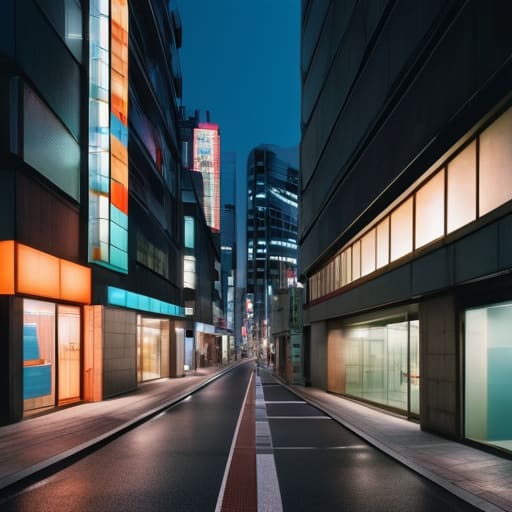
When I look at a city through the lens of a logistics consultant, I don’t see mere clusters of buildings; I see a complex, living organism. Tokyo urban planning and cityscape are defined by a fascinating tension between extreme density and meticulous organization. Unlike the sprawling, often chaotic expansion seen in Western metropolises, Tokyo’s growth feels intentional, almost rhythmic. There is a specific logic to how the high-rise commercial cores bleed into the lower-density pockets, creating a gradient of noise and movement that dictates the pace of daily life.
I often find myself sketching the way these zones intersect in my notebook. You can feel the shift in energy as you move from the frantic, neon-soaked intersections toward the quiet residential Tokyo suburbs that sit just a few stops away. These pockets aren’t just escapes from the noise; they are the essential lungs of the city. Understanding this ebb and flow—the way the city breathes between the frantic commercial hubs and the stillness of the side streets—is the only way to truly grasp the structural soul of this place.
The Logistics of Belonging: Five Principles for Choosing Your Corner of Tokyo
- Prioritize the station over the street name. In a city this vast, your proximity to a reliable line—specifically the Yamanote or a major subway artery—dictates your quality of life. I’ve learned that a neighborhood is only as good as its transit connections; if you’re stuck on a single, infrequent line, you aren’t living in Tokyo, you’re just waiting for it.
- Seek the “Second-Tier” stations. Everyone gravitates toward the chaos of Shinjuku or Shibuya, but the real character resides one or two stops away. Look for the neighborhoods where the commuters disembark and the pace slows just enough to hear the hum of a vending machine rather than the roar of a crowd.
- Map the local “Shotengai.” A true neighborhood is defined by its covered shopping streets. These arteries provide more than just groceries; they offer a sense of scale and human rhythm that high-rise districts lack. If a district lacks a functional local market, it’s likely a transient zone, not a community.
- Observe the evening transition. I often sit near a station exit around 6:00 PM with my notebook. Watch how the flow of people changes. Is it a frantic rush of salarymen, or is there a steady, relaxed movement of residents? The way a neighborhood handles the transition from work to rest tells you everything about its soul.
- Factor in the “Walkability of Utility.” Don’t just look at how close you are to a cafe; look for the presence of a 24-hour pharmacy, a small laundromat, and a reliable convenience store. A neighborhood’s beauty is found in its functionality, and a lack of basic infrastructure will quickly turn a “charming” area into a logistical nightmare.
The Logistics of Living: Lessons from the Tokyo Streets
To truly understand a neighborhood, stop looking at the landmarks and start looking at the transit lines; the way people move between stations tells you more about a district’s soul than any guidebook.
The most authentic urban experiences aren’t found in the bright lights of the main thoroughfares, but in the quiet, functional spaces—the narrow alleys and small corner shops—that keep the city breathing.
A successful city isn’t just a collection of buildings, but a complex, living system of rhythms and flows that requires a patient observer to truly decode.
The Geometry of Belonging
A neighborhood in Tokyo isn’t defined by its landmarks, but by the way the crowd thins out at a specific station exit, or how the scent of a small ramen shop anchors a street that, on paper, shouldn’t exist at all.
Rurik Salonen
Finding Your Own Rhythm
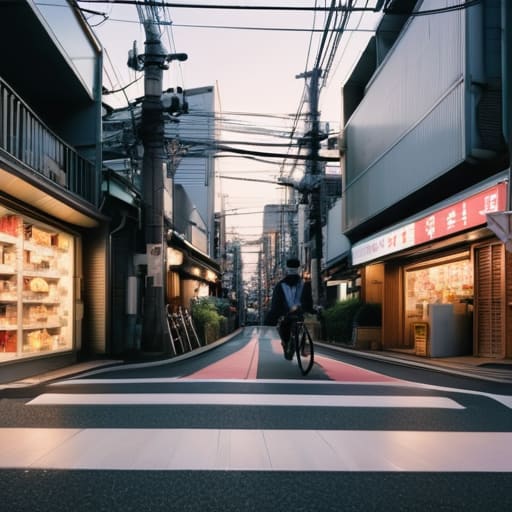
Looking back at the sprawling map of this metropolis, it becomes clear that Tokyo is not a single entity, but a collection of distinct, breathing ecosystems. Whether you find yourself caught in the high-velocity currents of Shinjuku’s transit hubs or seeking the deliberate, slower pace of a residential side street, each neighborhood offers a different lesson in urban equilibrium. Understanding these districts requires more than just a subway pass; it demands an appreciation for how the heavy lifting of logistics and the delicate nuances of local life intersect to create something entirely unique. To truly know Tokyo, you must learn to read the unspoken patterns of its streets.
As I sit here in a small café, sketching the intersection of two lines in my notebook, I am reminded that the best way to experience a city is to stop trying to conquer it. Don’t rush to see everything; instead, allow yourself the luxury of getting lost in the transitions between the neon and the quiet. The true magic of Tokyo doesn’t live in the guidebooks or the famous landmarks, but in those fleeting moments of stillness found between the stations. My advice is simple: leave room in your itinerary for the unexpected, and let the city reveal its hidden truths to you on its own terms.
Frequently Asked Questions
If I'm looking for a sense of quietude, which neighborhoods offer a reprieve from the constant movement of the major transit hubs?
If you’re looking to escape the centrifugal force of the major hubs, look toward Yanaka or Sangenjaya. Yanaka feels like a preserved memory; its narrow lanes and low-rise architecture offer a stillness that’s rare in Tokyo. Sangenjaya, while closer to the action, possesses a more human scale. It’s a place where the transit lines feel secondary to the local rhythm of small coffee shops and quiet residential pockets.
How much does the proximity to a specific Yamanote Line station dictate the daily rhythm and cost of living in a particular district?
In my years managing logistics, I learned that proximity is everything. In Tokyo, the Yamanote Line is the city’s heartbeat; being within a ten-minute walk of a station dictates your entire tempo. If you’re near a major hub like Ebisu, you pay a premium for that seamlessness. Move just a few stops out, or even a few streets away from the station, and the cost drops significantly, but you trade that instant access for a slower, more deliberate pace.
For someone who prefers exploring on foot, which areas possess the kind of intricate, walkable street layouts that reveal more than a subway map ever could?
If you want to truly feel the texture of the city, leave the major hubs behind and head toward Yanaka or Shimokitazawa. In Yanaka, the narrow, winding lanes feel less like a grid and more like a living organism, preserving a scale that modern planning often erases. Shimokitazawa offers a different kind of density—a labyrinth of pedestrian-friendly alleys where the commerce is human-sized. These are the places where the sidewalk tells a better story than any map.
