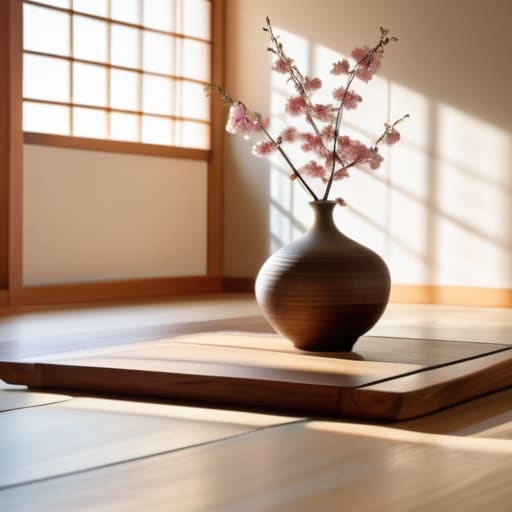
I was sitting in a cramped, dimly lit izakaya in Osaka last Tuesday, watching a salaryman meticulously arrange three small ceramic dishes on a tray, when it hit me how much we’ve misunderstood the concept. Most people talk about minimalism in Japan as if it’s a lifestyle brand you can buy—a collection of expensive, white-washed linen sheets and overpriced designer ceramics that look good on a curated social media feed. But that’s not it at all. Real minimalism isn’t about emptying a room to make it look like a gallery; it’s about the intentionality behind what remains, a way of navigating a crowded world without losing your footing.
I’m not here to sell you a new aesthetic or a list of “must-have” Zen decor. Instead, I want to pull back the curtain on how this philosophy actually functions within the logistical reality of Japanese urban life. I’ll share what I’ve observed from the narrowest alleyways to the most efficient transit hubs, focusing on how a culture of restraint can actually create more mental space. This is about finding the functional beauty in the small, quiet details that most travelers simply walk right past.
Table of Contents
The Ma Concept in Design Finding Meaning in Empty Space
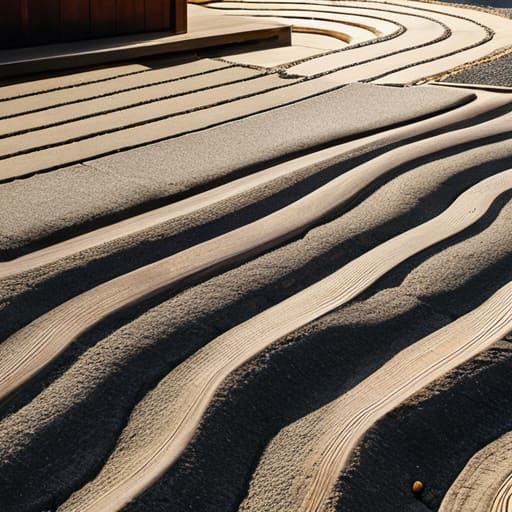
I was sitting in a small, nondescript tea house in Yanaka last Tuesday, watching the way the afternoon light hit a single, unadorned stone in the center of the courtyard. There was nothing else around it. In my old life, a gap like that would have been flagged as an inefficiency—a wasted square meter of prime real estate. But here, that void was the entire point. This is the essence of the ma concept in design; it is the intentional pause, the structural silence that allows everything else to actually mean something.
In the West, we often mistake emptiness for lack, but in Japan, space is a functional component. Whether you are looking at a masterfully composed ink painting or the way a modern apartment is arranged to maximize airflow and light, you are seeing the application of zen aesthetic principles. It isn’t about what you take away, but about what you allow to remain. By respecting the interval between objects, the design breathes. It turns a cramped living space into a sanctuary of clarity, proving that the most profound impact often comes from what we choose not to fill.
Wabi Sabi Philosophy Seeking Truth in Imperfect Details
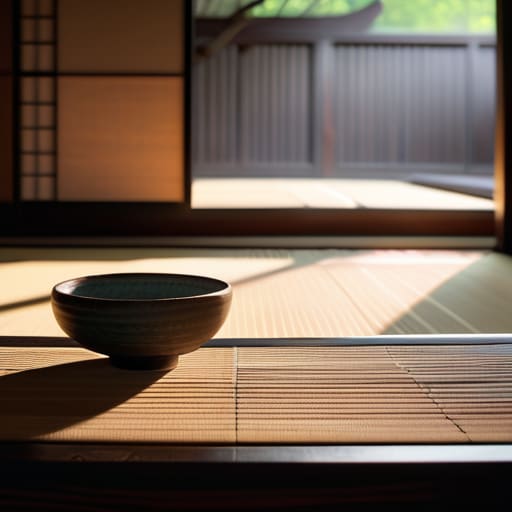
I remember sitting in a small tea house in Kanazawa, watching the way the afternoon light hit a cracked ceramic bowl. It wasn’t broken, not really; it was merely weathered. This is where the wabi-sabi philosophy truly takes hold. Unlike the sterile, polished perfection we often chase in Western corporate life, this perspective finds a profound dignity in the aged and the asymmetrical. It is the realization that nothing lasts, nothing is finished, and nothing is perfect—and that there is a deep, quiet relief in accepting that truth.
In my years managing logistics, I was trained to eliminate any sign of wear or irregularity. But as I walk through the older neighborhoods of Osaka, I find myself drawn to the opposite. I see it in the patina on a copper handrail or the uneven grain of a cedar plank. These aren’t flaws to be corrected; they are the narrative of time itself. When we apply these zen aesthetic principles to our own lives, we stop fighting the inevitable decay of the world and instead start finding beauty in its most honest, unvarnished moments.
Practical Observations: Applying the Minimalist Lens to Your Own Travels
- Observe the transit flow, not just the destination. When you sit on the Yamanote line, don’t just look at your phone; watch how the commuters move with such deliberate, uncluttered purpose. There is a lesson in that economy of motion that can help you strip away the unnecessary noise in your own daily routine.
- Seek out the ‘smallness’ of things. In my years in logistics, I learned that the most efficient systems are often the most compact. When you visit a Japanese home or a small cafe, notice how every object has a dedicated place and a specific function. Try to ask yourself: does this item serve a purpose, or is it merely occupying space?
- Embrace the beauty of the weathered. Instead of looking for the pristine and the new, look for the objects that have aged gracefully—a stone lantern covered in moss or a wooden countertop worn smooth by decades of use. Learning to appreciate these imperfections helps you let go of the modern obsession with constant, superficial perfection.
- Practice the art of intentional silence. In the middle of a bustling district like Shinjuku, it is easy to feel overwhelmed by the sensory overload. I find that finding a small, tucked-away shrine or a quiet side street allows you to reset. Minimalism isn’t just about physical objects; it’s about creating mental space by choosing when to engage and when to withdraw.
- Document the details, not the landmarks. When I take my film camera out, I rarely aim at the Tokyo Tower. Instead, I photograph the way light hits a single, empty bench or the clean lines of a subway sign. By focusing on these small, functional details, you train your mind to find satisfaction in the subtle rather than the spectacular.
Lessons from the Quiet Corners
Minimalism in Japan isn’t a stylistic choice to be mimicked; it is a functional response to space and a way to honor the objects we choose to keep.
True beauty is found by looking closer at the weathered edges and the intentional gaps, rather than searching for the polished and the perfect.
To understand the Japanese soul, stop looking at the grand monuments and start observing the quiet, efficient rhythms of the everyday.
## The Geometry of Silence
“Most people mistake minimalism for an absence of things, but after years of watching how a city moves, I’ve realized it is actually about the presence of intention—it’s the deliberate choice to let a single, well-placed object breathe within the vast, quiet architecture of the everyday.”
Rurik Salonen
The Quiet Geometry of Living
As I sit in a small cafe near Shinjuku, watching the rhythmic flow of commuters, I realize that Japanese minimalism is far more than a mere aesthetic choice or a trend in interior design. It is a profound logistical discipline of the soul. By embracing the intentionality of Ma and the humble acceptance of Wabi-Sabi, we see that the goal isn’t to live with nothing, but to live with exactly what matters. We have explored how empty space provides the necessary room for thought, and how the beauty of an imperfect object can ground us in a world that often feels too polished and artificial. It is about stripping away the noise to reveal the essential structure beneath.
Perhaps the most important lesson I have gathered from my years of navigating both global supply chains and these narrow Tokyo alleyways is that complexity often masks a lack of purpose. Minimalism offers a way back to clarity. You don’t need to move to Kyoto or redesign your entire home to find this peace; you simply need to start looking for the quiet rhythms in your own daily transit. When we stop rushing to fill every void, we finally give ourselves the chance to see the world as it truly is. In the end, a life well-lived is not measured by what we accumulate, but by the space we create for the things that actually breathe.
Frequently Asked Questions
How does the concept of minimalism actually function in a cramped Tokyo apartment without making life feel uncomfortably sparse?
It isn’t about living in a void; it’s about the strategic management of utility. In a Tokyo micro-apartment, minimalism functions through multi-purpose logistics. You don’t just own a table; you own a piece of furniture that serves three roles. It’s the art of ensuring every object earns its square centimeter of floor space. When everything has a designated, efficient home, the scarcity of space feels like intentional order rather than a lack of comfort.
Is there a practical way to incorporate these philosophies into a busy, modern lifestyle, or are they reserved for those who have the luxury of slow living?
It’s a common misconception that these philosophies require a mountain retreat or a vast, empty estate. In my years managing logistics, I learned that efficiency isn’t about having nothing; it’s about ensuring everything you own serves a purpose. You can practice Ma simply by clearing a single, uncluttered surface on your desk, or find Wabi-Sabi in the way you appreciate a well-worn leather wallet. It’s about intentionality, not luxury.
How can a traveler distinguish between intentional Japanese minimalism and a simple lack of resources or space?
It comes down to the intention behind the void. If a space is merely cramped, you’ll feel the friction of things being squeezed together. But true minimalism—the kind that breathes—feels deliberate. You’ll notice how objects are positioned to honor the light, or how a single chair is placed to frame a view. In Japan, scarcity is often masked by clutter; intentionality, however, is revealed through the precise, quiet way a space is curated.
