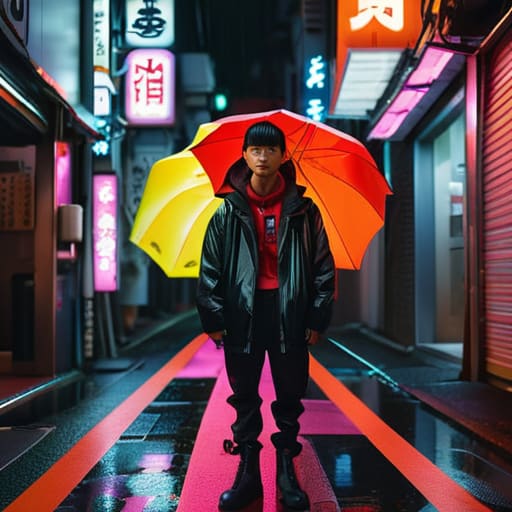
I remember sitting in a cramped, dimly lit cafe in Shimokitazawa last autumn, the smell of old paper and roasted coffee thick in the air, watching a group of teenagers discuss niche vinyl pressing with a fervor that most people reserve for politics. It hit me then that the glossy brochures and neon-soaked travel guides are fundamentally lying to you. Most tourists spend their entire trip chasing a caricature of subculture in japan, thinking they’ll find the “real” thing by standing in the middle of a Harajuku intersection or staring at a themed cafe in Akihabara. But that isn’t culture; that’s just performance for the cameras.
I’m not here to give you a checklist of tourist traps or a guide to the most “Instagrammable” spots in Tokyo. My goal is to show you how to actually read the city’s rhythm—to find those quiet, specialized pockets where these communities actually breathe and exist without an audience. I will guide you through the logistics of discovery, focusing on the specific neighborhoods, the transit lines that lead to them, and the subtle social cues that signal you’ve moved beyond the surface. We are going to look for the truth in the details.
Table of Contents
- Harajuku Street Fashion Evolution and the Art of Walking
- Shibuya Youth Trends Seen Through a Subway Window
- Observations from the Periphery: How to Witness Japan’s Subcultures Without Disturbance
- The Quiet Architecture of Japanese Subculture
- The Architecture of Identity
- The Quiet Rhythm of the Crowd
- Frequently Asked Questions
Harajuku Street Fashion Evolution and the Art of Walking

Most people approach Harajuku as a frantic spectacle, a blur of neon colors and loud textures designed for the camera lens. But if you sit on a bench near the backstreets of Ura-Harajuku and just observe, you see that it is less about the clothes and more about the movement. I’ve watched the Harajuku street fashion evolution unfold through my viewfinder for years, noting how it shifted from the rebellious, layered aesthetics of the nineties to something more curated and intentional today. There is a specific rhythm to how these individuals navigate the crowds—a deliberate, almost choreographed way of moving that claims space without ever breaking the unspoken social contract of the sidewalk.
It isn’t just about vanity; it is a form of silent communication. You see it in the way a group moves in unison, or how a single person uses a silhouette to signal their allegiance to a specific niche. Whether they are drawing from the Visual Kei aesthetic history or something entirely new, there is a structural integrity to their presence. To them, the street is not just a thoroughfare; it is a stage where the performance is constant, yet remarkably disciplined.
Shibuya Youth Trends Seen Through a Subway Window
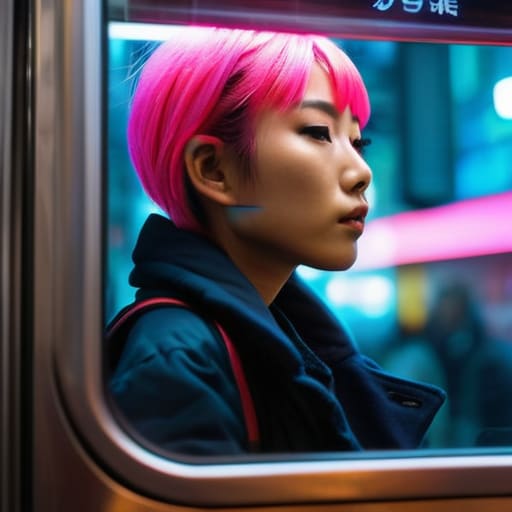
I find that the best way to observe the frantic energy of Shibuya is not from the scramble crossing itself, but from the steady, rhythmic glide of the Ginza Line. There is a certain detachment that comes with being behind a pane of glass, watching the world rush by while you remain suspended in transit. From my seat, I watch the shifting tides of Shibuya youth trends manifest in real-time: a sudden burst of neon hair, the specific silhouette of oversized streetwear, and the silent, shared language of a generation that communicates through aesthetic.
As the train pulls into the station, the doors slide open to reveal a microcosm of the city’s changing identity. You see the remnants of older movements colliding with something newer and more digital. It isn’t just about clothing; it’s about how Otaku culture and anime influence have bled out of the specialized districts and into the mainstream pulse of the street. These kids aren’t just wearing costumes; they are carrying a piece of a larger, more complex narrative that most commuters are too rushed to notice. I find myself sketching the way their movements break the flow of the crowd, capturing that fleeting, unscripted energy in my notebook.
Observations from the Periphery: How to Witness Japan’s Subcultures Without Disturbance
- Look for the friction between the old and the new. The most compelling subcultures in Japan don’t exist in isolation; they thrive in the tension where a centuries-old shrine meets a basement punk club. Watch how the youth navigate these sacred and profane spaces simultaneously.
- Avoid the main thoroughfares. If you are standing in the center of Takeshita Street, you aren’t observing a subculture; you are observing a performance for tourists. To see how these movements actually breathe, move one or two blocks away from the neon, toward the residential fringes where the real practitioners live.
- Use the transit system as your guide. Subcultures in Japan are often geographically tethered to specific train lines or stations. A change in the station’s architecture or the density of the crowd often signals a shift in the social fabric. If the rhythm of the commuters changes, pay attention to why.
- Practice the art of the quiet observer. In my years of logistics, I learned that the most vital information is often found in the stillness, not the noise. When encountering a niche community—whether it’s the vintage collectors in Shimokitazawa or the tech-enthusiasts in Akihabara—keep your distance. A heavy lens or a loud voice will only cause the moment to vanish.
- Seek out the “Third Places.” The true pulse of a subculture isn’t found in a shop window, but in the small, functional spaces that serve as their anchors: the late-night kissaten, the cramped record shops, or the dimly lit basement bars. These are the quiet corners where the identity of the group is actually forged.
The Quiet Architecture of Japanese Subculture
Real subculture isn’t a performance for tourists; it is a functional part of the urban fabric, often found in the transition spaces between major hubs.
To understand a trend, you must observe its logistics—how people move through the city, where they congregate after dark, and how they use public transit to find their niche.
The true pulse of Japan lies in the tension between the polished, neon-lit mainstream and the small, unscripted corners where individuals reclaim their identity.
The Architecture of Identity
Most travelers look for Japan’s subcultures in the loud, neon-soaked centers of gravity, but they miss the point; true subculture isn’t a spectacle designed for a camera lens, it is a quiet, rhythmic defiance found in the way a person chooses to dress for a Tuesday morning commute or the specific, unspoken etiquette of a basement record shop in Shimokitazawa.
Rurik Salonen
The Quiet Rhythm of the Crowd
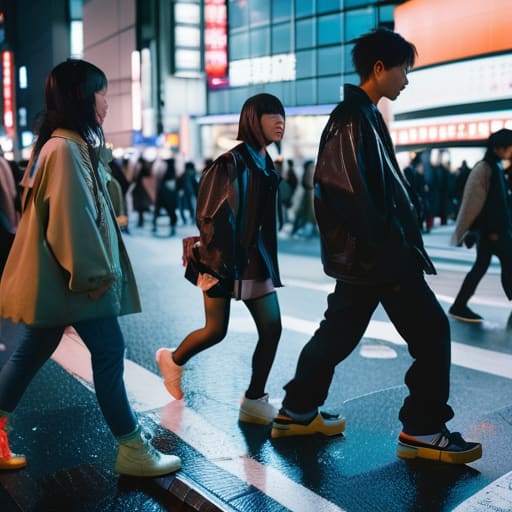
Looking back at the shift from the curated chaos of Harajuku to the fleeting, window-side glimpses of Shibuya, it becomes clear that Japanese subculture isn’t a static exhibit in a museum. It is a living, breathing organism that moves through the city with the same precision as the Yamanote Line. We have seen how fashion serves as a silent language and how the transit system acts as the circulatory system for these evolving identities. To understand these trends, one must look past the surface-level spectacle and instead observe the way these groups occupy space, moving through the urban landscape with a sense of purposeful, collective belonging.
As I close my notebook and prepare for my next transit connection, I am reminded that the true essence of a city is rarely found in its loudest moments. The subcultures we have discussed are merely the visible ripples on a much deeper ocean of human connection and self-expression. If you find yourself in Tokyo or Osaka, I urge you to resist the urge to simply photograph the neon. Instead, slow your pace and listen to the hum of the streets. You will find that the most profound truths of a culture aren’t shouted from billboards, but are whispered in the quiet, rhythmic details of the everyday commute.
Frequently Asked Questions
How do these niche subcultures maintain their identity when the massive commercialism of Tokyo seems to swallow everything in its path?
It’s a matter of spatial logistics. Commercialism operates on the surface, in the wide boulevards and the bright, predictable storefronts. But subcultures in Tokyo survive by retreating into the friction points—the narrow gaps between buildings, the basement clubs, and the third-floor cafes that require a specific set of directions to find. They exist in the margins where the big brands find it too inefficient to operate. They don’t fight the tide; they simply inhabit the cracks.
Is there a way to observe these smaller, more authentic communities without feeling like an intrusive outsider or a tourist?
The trick is to stop being a spectator and start being a part of the scenery. Don’t approach these spaces with a camera lens pointed like a weapon; instead, find a small, unassuming coffee shop or a local izakaya on the periphery of the action. Sit, observe, and let the rhythm of the neighborhood settle into you. When you stop searching for “the scene” and start simply existing within the space, the walls begin to come down.
Beyond the visual aesthetics of fashion, how do these subcultures actually influence the daily rhythm and functional layout of the city?
It isn’t just about the clothes; it’s about how these groups reshape the city’s geography. These subcultures create “micro-destinations” that force the urban grid to adapt. A sudden influx of street fashion enthusiasts in Harajuku shifts the foot traffic patterns, turning quiet residential side streets into vital pedestrian arteries. They transform specialized retail spaces into communal hubs, dictating where cafes open and how transit exits are utilized, effectively rewiring the city’s functional flow.
