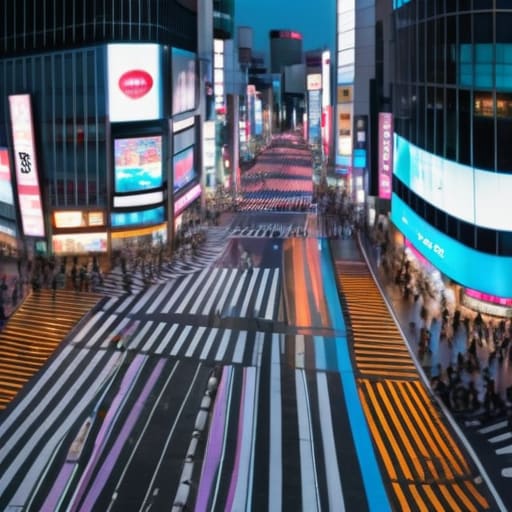
I stood on the edge of the curb last Tuesday, my Leica hanging heavy against my chest, watching the light change. Most tourists treat shibuya crossing like a frantic obstacle course to be conquered or a neon backdrop for a staged selfie, but they miss the actual mechanics of the place. They see the noise, the flashing screens, and the sheer volume of bodies, yet they fail to notice the invisible choreography that prevents a total logistical collapse. To the uninitiated, it looks like chaos; to me, it looks like a perfectly timed, high-density flow of human capital that requires nothing less than absolute, unspoken cooperation.
I’m not here to tell you which overpriced cafe has the best view of the scramble, nor am I interested in feeding the hype machine. Instead, I want to show you how to actually observe this intersection without getting swept away by the tide. I will provide you with a practical framework for navigating the crowd, finding the quiet vantage points that most people overlook, and understanding the rhythmic pulse that makes this intersection the heartbeat of Tokyo. We are going to look past the neon and find the functional beauty hidden in the rush.
Table of Contents
The Rhythms of the Tokyo Pedestrian Scramble
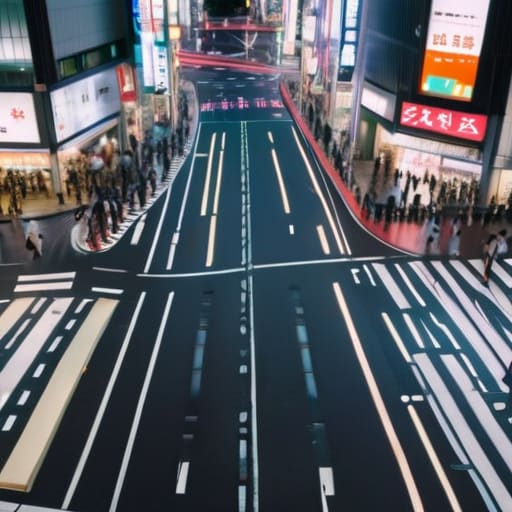
To truly understand the mechanics of this intersection, you have to stop looking at it as a mere obstacle and start seeing it as a choreographed event. When the lights change, the wave of humanity doesn’t just collide; it flows. I often stand near the Hachiko statue location, watching the initial surge of commuters. There is a brief, breathless moment of tension before the mass settles into a steady, rhythmic drift. It is a masterclass in unspoken social coordination, a phenomenon where hundreds of strangers navigate inches of personal space without a single collision.
For those hunting for the best views of Shibuya Crossing, the temptation is to head straight for the glass-walled cafes. However, I prefer the perspective from the slightly elevated walkways of the surrounding buildings. From there, the Tokyo pedestrian scramble ceases to be a chaotic scramble and becomes a geometric pattern—a living, breathing map of human intent. I find myself sketching the way the lines of movement intersect, noting how the frantic energy of the street level eventually dissolves into the more predictable, quieter arteries of the Shibuya district.
Finding Stillness Near the Hachiko Statue Location
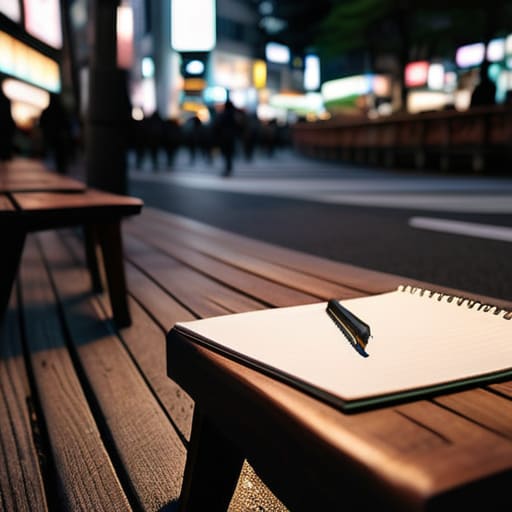
Most visitors gravitate toward the Hachiko statue location to snap a quick photo of the bronze dog before being swept away by the current of the crowd. They see the statue as a mere waypoint, a landmark to meet friends before diving into the neon-soaked Shibuya nightlife and culture. But if you step just a few paces back, away from the immediate orbit of the commuters, you can find a strange, localized stillness. I often sit on the periphery, opening my notebook to sketch the way the light hits the pavement, watching how the frantic energy of the Tokyo pedestrian scramble seems to dissipate the moment it hits the shadows of the nearby building alcoves.
There is a specific, quiet dignity in observing this chaos from a distance. While others are hunting for the best views of Shibuya Crossing from high-rise windows, I prefer these ground-level pockets of calm. It is in these small, overlooked gaps between the movement that you truly feel the city’s friction. I find that the most rewarding Tokyo urban photography spots aren’t the ones that capture the grand spectacle, but rather the ones that catch a single, weary salaryman pausing for breath amidst the tide.
Logistical Notes for Navigating the Scramble
- Avoid the immediate perimeter of the Hachiko exit if you are looking for clarity; the bottleneck there is a logistical nightmare. Instead, find a seat in a second-story cafe with a clear line of sight to observe the flow from a distance.
- Timing is everything. If you want to capture the movement without being swept away, aim for the mid-morning lull on a weekday. The rhythm is still present, but the sheer volume of bodies is much more manageable for a steady hand.
- Don’t just look at the street level. The true geometry of the crossing is revealed from above. I often find that the most interesting patterns emerge when you look at how the crowds intersect with the surrounding architecture.
- Keep your eyes on the ground and the people, not the screens. The neon lights are designed to distract you from the actual mechanics of the city. To understand the crossing, you have to watch the micro-adjustments people make to avoid contact.
- If you are carrying film gear, stay mindful of your periphery. The momentum of the crowd is relentless, and once the light turns green, the “scramble” becomes a physical force that doesn’t care for a slow-moving photographer.
Observations from the Scramble
Don’t let the scale of the crossing overwhelm you; instead, watch for the micro-moments of coordination that prevent the chaos from becoming actual disorder.
The true character of Shibuya isn’t found in the center of the intersection, but in the immediate transition from the neon noise to the quiet, narrow arteries that branch off nearby.
To understand the city’s pulse, look past the landmarks and focus on the flow—how the mass of people moves, pauses, and breathes in unison with the light signals.
The Logistics of Motion
Most see a chaotic intersection, but when you watch closely, Shibuya is actually a masterclass in unspoken coordination; it is thousands of individual trajectories momentarily intersecting, only to dissolve back into the city’s arteries without a single collision.
Rurik Salonen
The Quiet After the Scramble
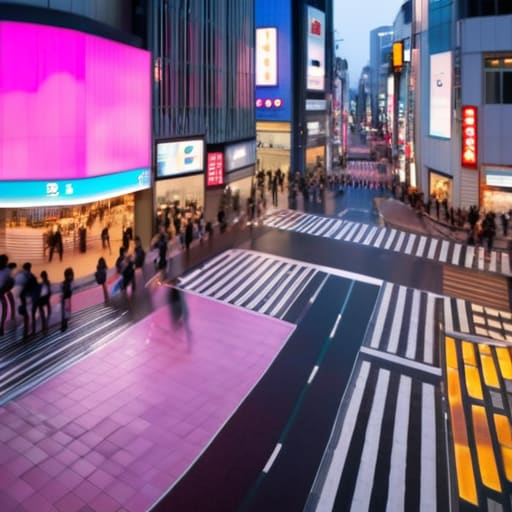
As I sit here in a small cafe overlooking the intersection, watching the lights fade into the evening, the lessons of Shibuya become clear. We have looked at the mechanical precision of the pedestrian scramble and the unexpected pockets of silence that exist just steps away from the Hachiko exit. It is easy to view this place as nothing more than a logistical bottleneck or a tourist spectacle, but when you look closer, you see a masterclass in human coordination. Shibuya isn’t just a crossroads; it is a living demonstration of how millions of individual trajectories can intersect without ever truly colliding, provided there is an underlying rhythm to follow.
Ultimately, my time spent observing this corner of Tokyo has reinforced my belief that the soul of a city isn’t found in its loudest moments, but in its functional grace. You don’t need to stand in the middle of the fray to understand it; sometimes, the best way to witness the pulse of a metropolis is to find a steady vantage point and simply watch. Whether you are navigating a complex subway transfer or wandering through a crowded plaza, remember to look for the patterns. There is a profound, quiet beauty to be found in the way the world moves, if only you are patient enough to truly see it.
Frequently Asked Questions
Is there a specific time of day when the crossing feels less like a chaotic surge and more like a functional piece of urban choreography?
If you want to see the machinery of the city working without the overwhelming friction of the rush, aim for the mid-morning lull, around 10:30 AM. By then, the frantic salaryman surge has subsided, and the midday tourist wave hasn’t yet crested. It is a window of clarity where the crossing stops feeling like a collision and begins to look like a well-oiled system—a quiet, rhythmic movement that reveals the true logic of the scramble.
Beyond the main scramble, where can I find a vantage point that allows for observing the flow without being swept up in the crowd?
If you want to observe the flow without becoming part of it, avoid the street-level frenzy. I often head to the second floor of the Shibuya Mark City building or find a quiet corner in one of the higher-floor cafes overlooking the intersection. From there, the chaos loses its aggression and becomes a study in logistics—a mesmerizing, synchronized pattern of movement that reveals the city’s true mechanical grace.
How do the surrounding transit connections influence the sudden shifts in pedestrian density during the morning and evening rushes?
The density shifts are a direct byproduct of the station’s geometry. Shibuya is a massive pressure valve. During the morning rush, the outbound lines from the Yamanote and Den-en-toshi lines act like arteries, pumping commuters from the subterranean platforms up to the surface. In the evening, the flow reverses, but it’s more chaotic; the sheer volume of people exiting the gates creates a momentary bottleneck that spills directly into the scramble, turning the intersection into a staging area for the city’s massive, evening exhale.
