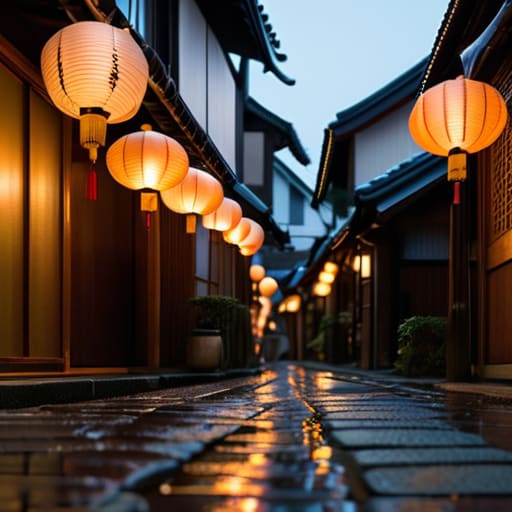
I was sitting on a wooden bench in a narrow alleyway in Shimokitazawa last Tuesday, listening to the distant, rhythmic hum of the Odakyu Line, when it hit me how much we miss. Most people approach city walks in japan as if they are completing a checklist of neon lights and crowded intersections, chasing the same three landmarks that every guidebook insists are “essential.” They treat the urban landscape like a museum exhibit rather than a living, breathing organism. But if you only look at the monuments, you’re essentially looking at the skin of the city while completely ignoring its heartbeat.
I have no interest in selling you a curated tour of tourist traps or overpriced districts. Instead, I want to show you how to navigate the logistical beauty of the streets through the eyes of someone who appreciates the functional elegance of a well-designed transit hub and the quiet dignity of a residential side street. My goal is to provide you with a blueprint for finding the soul of a place—not through the hype, but through the subtle patterns of movement and the small, overlooked corners that define the true Japanese urban experience.
Table of Contents
Navigating Japan on Foot the Truth in the Transit Arteries
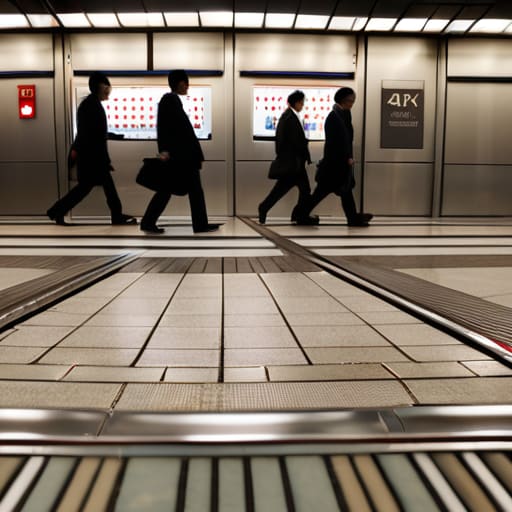
Most travelers approach a new city by looking up at the skyscrapers, but I’ve always found that you learn more by looking down at the floor markings and the flow of the crowds. To truly understand the mechanics of a metropolis, you have to master the art of navigating Japan on foot through its most complex hubs. I often find myself standing in the middle of Shinjuku Station, not as a lost tourist, but as an observer of a grand, human machine. There is a specific, rhythmic logic to how the commuters pivot around corners and merge into escalators; it is a choreographed dance of efficiency that most people ignore in their rush to get somewhere else.
Once you step away from the primary arteries, the real discovery begins. I prefer to seek out the quiet friction where the massive transit lines meet the residential fringes. While many search for the best walking routes in Tokyo to see the neon lights, I am more interested in the transition zones—the places where the concrete gives way to narrow, weathered lanes. This is where the city’s true character resides, tucked away in the spaces between the scheduled stops.
The Best Walking Routes in Tokyo Beyond the Neon Glow
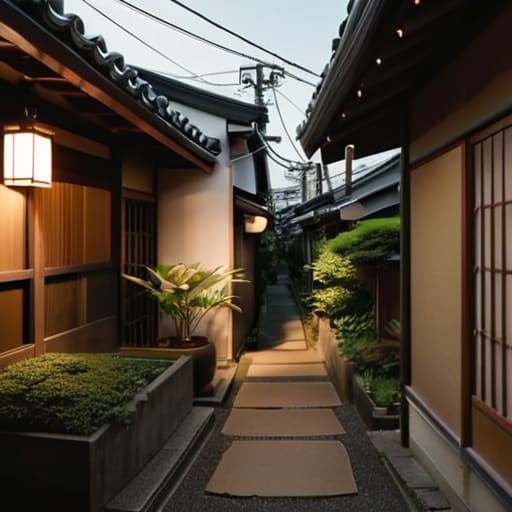
Most people arrive in Tokyo and immediately surrender to the sensory overload of Shibuya or Shinjuku. They chase the neon, but they miss the city’s actual breath. If you want to find the best walking routes in Tokyo, you have to head toward the edges where the skyscrapers yield to something more human. I find myself drawn to the Yanaka district. It’s one of the few places where the post-war reconstruction didn’t completely erase the old bones of the city. Walking through Yanaka feels like watching a slow-motion film; the scale is intimate, and the rhythm is dictated by the pace of elderly residents and the quiet hum of neighborhood shrines rather than the frantic pulse of a terminal station.
For those who find beauty in structure, I suggest a route through the residential pockets of Setagaya. This is where Japanese urban architecture photography truly comes to life—not in the grand monuments, but in the way a narrow lane curves around a single, well-tended hydrangea bush or how a modern concrete wall meets a weathered wooden gate. It is in these quiet transitions that you understand the true logic of the metropolis.
The Logistical Essentials: A Few Practical Truths for the Urban Wanderer
- Invest in a physical transit map or a reliable offline digital one. Relying solely on live GPS can be deceptive in the dense, multi-level labyrinths of Shinjuku or Umeda; sometimes, you need to understand the structural logic of the station to find your way out.
- Carry a small, lightweight towel and a portable power bank. The sheer volume of walking required to truly see a city will drain your energy and your phone’s battery, and the humidity in the narrow alleys can be unforgiving.
- Learn the etiquette of the “quiet corner.” When you find that small, tucked-away shrine or a tiny neighborhood cafe, respect the stillness. These are the lungs of the city, and your presence should be as unobtrusive as possible.
- Don’t fear the wrong turn. In my experience, the most interesting architectural details and the most authentic local life are found when you accidentally step off the main thoroughfare and into a residential side street.
- Keep your feet in good condition with high-quality, broken-in footwear. You aren’t just strolling; you are navigating a complex, high-friction environment of concrete, stairs, and cobblestones. Your gear is your most vital piece of logistics.
Lessons from the Pavement
Stop chasing the landmarks; the true character of a Japanese city reveals itself in the transition zones—the narrow alleys between train stations and the quiet residential streets that sit just one block away from the chaos.
Treat the transit map as your primary guide to urban anatomy, using the rhythm of the rail lines to dictate your pace and understand the logistical flow of the metropolitan life.
Carry the tools of observation, whether it’s a camera or a notebook, because you cannot truly understand how a city breathes if you are only looking through a smartphone screen.
The Scale of a City
Most travelers measure a city by the height of its skyscrapers, but I’ve learned that you only truly understand the scale of a place when you’re walking the narrow, unmapped gaps between them—the places where the transit lines end and the actual life of the neighborhood begins.
Rurik Salonen
The Final Turn of the Map
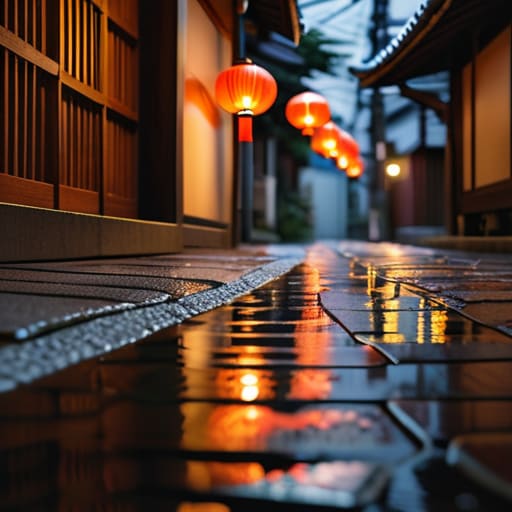
As you prepare to step out of the station and into the fray, remember that a successful journey through Japan’s urban landscape isn’t measured by the number of landmarks you photograph, but by the nuance of your observations. We have looked at how the efficiency of the transit arteries provides the skeleton of the city, and how the quiet side streets offer its soul. Whether you are tracing the intricate connections of the Yamanote Line or losing yourself in the narrow, lantern-lit alleys of an Osaka neighborhood, keep your eyes lowered to the details. It is in the rhythm of the commuters and the sudden silence of a tucked-away shrine that the true map of the city reveals itself.
In the end, traveling is less about the destination and more about the logistics of presence. Don’t rush to catch the next express train just because you can; instead, allow yourself the luxury of a slow walk through a concrete corridor that feels entirely your own. Let your footsteps dictate the pace, and let the city teach you its secrets in its own time. If you approach these streets with a steady gaze and a willing heart, you will find that Japan doesn’t just show you its sights—it invites you to understand its breath.
Frequently Asked Questions
How can I manage my walking pace and route planning without relying solely on digital maps that often miss the smaller, more meaningful alleys?
I’ve learned that over-reliance on a screen creates a kind of tunnel vision. To find those hidden veins, I carry a physical map and my notebook. I plot the major transit hubs first, then allow myself “buffer zones”—intentional, unmapped stretches between destinations. If an alley looks interesting, I follow it. I set a slower pace, treating my route as a living logistical puzzle rather than a race to a coordinate.
What are the best times of day to explore these quiet urban corners if I want to avoid the crushing rush of the morning and evening commutes?
If you want to see the city breathe without being suffocated by it, aim for the mid-morning window, roughly between 10:00 AM and noon. The early commuters have cleared out, and the lunchtime rush hasn’t yet surged. Alternatively, the late afternoon, around 3:00 PM, offers a similar lull. I find that the light during these hours is also much kinder to my film stock, casting long, soft shadows through the narrow alleys.
Which specific types of footwear or practical gear would you recommend for someone intending to spend several hours navigating the varied textures of Tokyo's side streets?
Forget the fashion-forward sneakers you see in Shibuya. If you’re going to spend six hours navigating the transition from smooth subway tiles to the uneven, rain-slicked cobblestones of Yanaka, your feet will pay the price for poor planning. I opt for a high-quality, broken-in leather walking shoe with substantial arch support and a grippy rubber sole. Also, carry a small, lightweight umbrella; Tokyo’s microclimates can shift as quickly as a train schedule.
