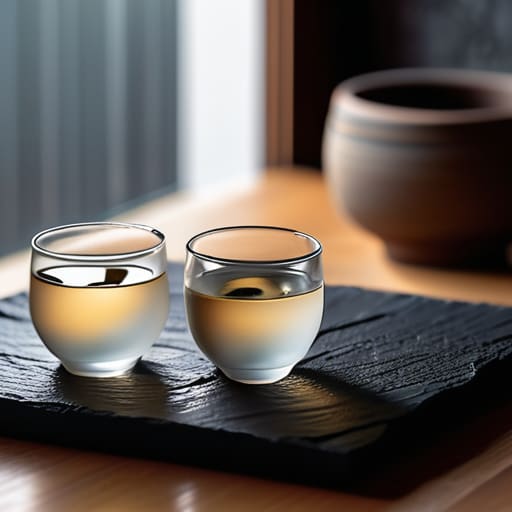
I remember sitting in a cramped, dimly lit izakaya in Shinjuku last autumn, watching a young tourist struggle through a menu that looked more like a technical manual than a list of drinks. He was trying to follow some overly academic sake tasting guide he’d found online, squinting at terms like “polishing ratio” as if they were formulas for a logistics spreadsheet. It felt wrong. People treat sake like a math problem to be solved, or a status symbol to be purchased, when they should be treating it like a conversation. You don’t need a degree in fermentation to understand what’s in your glass; you just need to stop overthinking the labels and start listening to the liquid.
I’m not here to sell you on the prestige of expensive labels or drown you in unnecessary jargon. My goal is to provide a practical, experience-based approach to understanding what you’re actually drinking. I’ll strip away the marketing fluff and focus on the sensory reality of the brew—the weight on your tongue, the lingering finish, and the way a single bottle can capture the character of a specific region. Consider this your no-nonsense roadmap to finding the quiet soul of a brew, one sip at a time.
Table of Contents
Decoding the Grain Polishing Ratio Impact and Sake Grades Explained
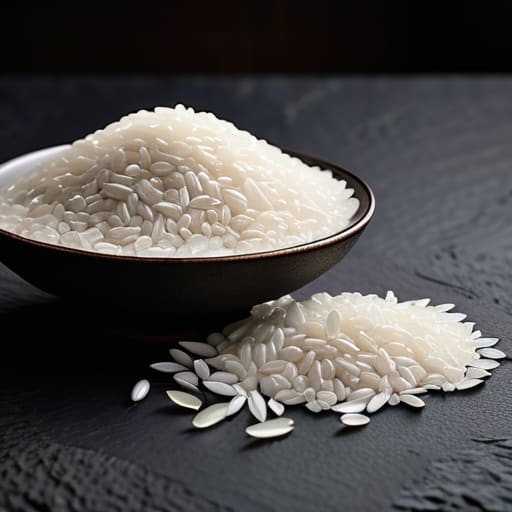
To understand what is in your glass, you have to look past the calligraphy on the label and understand the rice itself. In my years managing logistics, I learned that the quality of a finished product is dictated by the precision of its raw materials. Sake is no different. The most critical variable is the seimaibuai, or the polishing ratio. When brewers polish the rice grains, they strip away the outer layers of protein and fat, leaving only the pure, starchy core. This process is where the polishing ratio impact truly reveals itself; the more the rice is milled away, the cleaner and more aromatic the resulting brew becomes.
This technicality is how we categorize the different sake grades explained on most menus. You will often see a distinction between Junmai and Honjozo. A Junmai is pure rice, water, yeast, and koji, often offering a more robust, earthy character. Adding a small amount of brewer’s alcohol, as seen in Honjozo, can actually lighten the body and sharpen the aroma. Understanding these nuances allows you to navigate a menu not by price, but by the specific nihonshu flavor profiles you are actually seeking.
Nihonshu Flavor Profiles Finding Truth in the Liquid Details
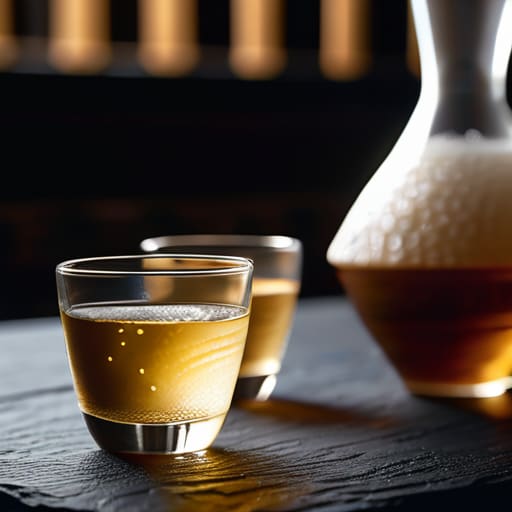
When you finally hold the glass, the complexity of the liquid begins to reveal itself, moving far beyond the technicalities of the rice. I’ve learned that understanding nihonshu flavor profiles requires a certain patience—the kind you develop when waiting for a delayed train on the Chuo Line. You might encounter the robust, earthy character of a Junmai, which carries the unadulterated strength of the grain, or the cleaner, more streamlined elegance of a Honjozo. The distinction between junmai vs honjozo isn’t just a matter of additives; it is a fundamental shift in how the sake interacts with your palate.
I find that the true character of a brew often hides behind its temperature. A crisp, chilled Ginjo might dance with citrus notes when cold, but if you let it sit, it warms into something more floral and subtle. Conversely, a heavier brew can find a new, comforting dimension when served slightly warmer. It is in these small, thermal shifts that you find the real soul of the drink. Don’t rush the process; let the temperature and the rice structure guide your senses.
The Logistics of the Palate: Five Ways to Approach Your Next Tasting
- Respect the temperature, but don’t let it dictate the experience. While a crisp Junmai Daiginjo often demands a chill to highlight its floral notes, don’t be afraid to let a warmer, earthier sake sit in the glass for a few minutes. Much like a complex supply chain, the flavors evolve as the environment changes.
- Abandon the rush of the tasting flight. It is tempting to move quickly from one small ceramic cup to the next, but you’ll miss the nuance. Find a seat that allows you to observe the room, take a slow sip, and let the rice notes settle before you move on.
- Use your senses beyond just taste. Look at the clarity of the liquid in the light and notice the viscosity as it coats the glass. A well-structured sake has a certain weight to it, a physical presence that tells you as much about its quality as the flavor on your tongue.
- Keep a small, dedicated space for your observations. I find that trying to remember every subtle note of melon or sandalwood is a fool’s errand. Jot down a few words in a notebook—not as a formal critique, but as a way to anchor your memory to the moment.
- Pair with intention, not just convenience. You don’t need a five-course meal to understand a brew. Sometimes, the simplest accompaniment—a single piece of salted radish or a slice of seasonal fruit—is enough to draw out the hidden truths within the grain.
The Logistics of a Perfect Pour
Stop chasing the highest polishing ratio as a rule of quality; instead, match the rice’s refinement to the setting, whether it’s a crisp Junmai for a casual meal or a delicate Daiginjo for a quiet moment of reflection.
Treat a tasting session like a transit map—don’t rush from station to station. Allow the temperature and the vessel to dictate the pace, letting the nuances of acidity and sweetness reveal themselves in stages.
Look beyond the marketing on the label and focus on the structural balance of the brew; a truly great sake isn’t just about a single loud note, but how the flavors integrate and linger long after the glass is empty.
The Logistics of the Palate
“A sake tasting guide shouldn’t be a checklist of technical specifications; it should be a map. Just as I study the flow of a subway line to understand a city’s pulse, you must learn to follow the grain and the temperature to understand the soul of the brew.”
Rurik Salonen
The Final Pour
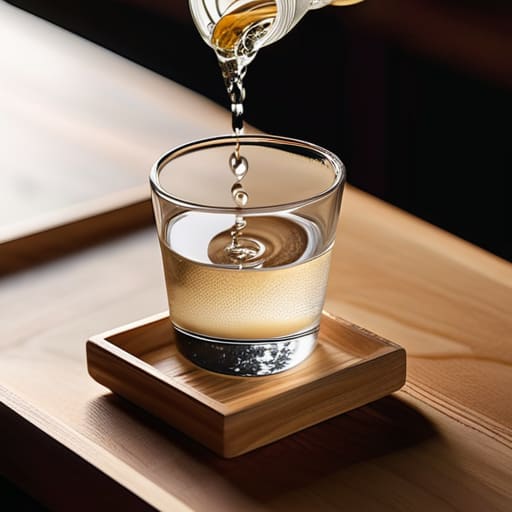
As we have seen, understanding sake is less about memorizing technical jargon and more about recognizing the deliberate choices made by the brewer. From the meticulous reduction of the rice grain through polishing ratios to the subtle dance of acidity and sweetness in the flavor profiles, every element serves a specific purpose. It is a complex logistical feat, much like the transit networks I spent my career studying, where every small adjustment in the process dictates the final flow of the experience. When you grasp these fundamentals, you stop seeing a mere beverage and start seeing the structured elegance of the craft itself.
My advice is simple: do not let the pursuit of perfection distract you from the actual pleasure of the drink. You don’t need a sommelier’s degree to appreciate a well-made brew; you only need a bit of patience and a willingness to listen to what the liquid is telling you. Find a small, dimly lit corner in a quiet izakaya, set aside your expectations, and let the sake speak for itself. In the end, the most profound discoveries are rarely found in the grand gestures, but in the quiet, honest moments of a single, well-timed sip.
Frequently Asked Questions
How should I approach the temperature of the sake—is there a point where a chilled Junmai loses its character?
Temperature is a logistical variable, much like the timing of a train transfer; if it’s off, the whole system fails. For a Junmai, don’t lean too heavily on the ice. If you chill it too aggressively, you mask the very rice-driven acidity that defines its character. I prefer it slightly above cellar temperature—around 10°C. This allows the structure to breathe, ensuring the earthy undertones aren’t lost to a biting, artificial cold.
When I’m sitting in a crowded izakaya, what are the subtle cues to look for in the glassware to ensure the aroma isn't being stifled?
Watch the vessel, not just the pour. In a cramped izakaya, you’ll often see narrow, tall glasses—fine for chilled sake, but they trap the volatile aromas. If you’re drinking something complex, look for a wider rim or a shallow ceramic cup. A broader opening allows the bouquet to breathe and reach your nose. If the glass feels too restrictive, I often find myself seeking a wider carafe to let the scent unfold properly.
If I find a particular profile I enjoy, how do I translate those flavor notes into a way of ordering that doesn't rely on technical jargon?
Forget the technical jargon; you don’t need to be a master brewer to get what you want. If you find yourself gravitating toward something crisp and clean, ask for something “dry and light.” If you prefer a richer, more velvety texture, look for “mellow” or “full-bodied.” Most importantly, tell the server what you just enjoyed. “I loved that last one because it was smooth and fruity” is the most effective logistics tool in your kit.
